The sleeper bus to Đà Lạt leaves at 11 p.m. You wolf down dinner at 6. At midnight you're hungry, and the rest stop only has cup noodles and soda. You arrive in the morning foggy-headed, your stomach unsure whether it's hungry or full.
Eating is the best part of travel. But the first few days are usually when your meal schedule is messiest. A few small tricks help you keep your energy and still enjoy every local specialty.
In this article
Why does travel throw your stomach off rhythm?
Your body has a body clock (circadian rhythm). Light is the main thing that winds it. But meals play a part too, helping the "backup clocks" in your liver and gut know what time it is.
A 2017 study shifted participants' meal times 5 hours later. The result: their daily blood sugar rhythm shifted too, by nearly 6 hours. In other words, meals are a clock you can set yourself.
When we travel, we sleep off-schedule, eat off-schedule, sit on buses for hours. The clocks get reset every which way, and your stomach gets confused along with them.
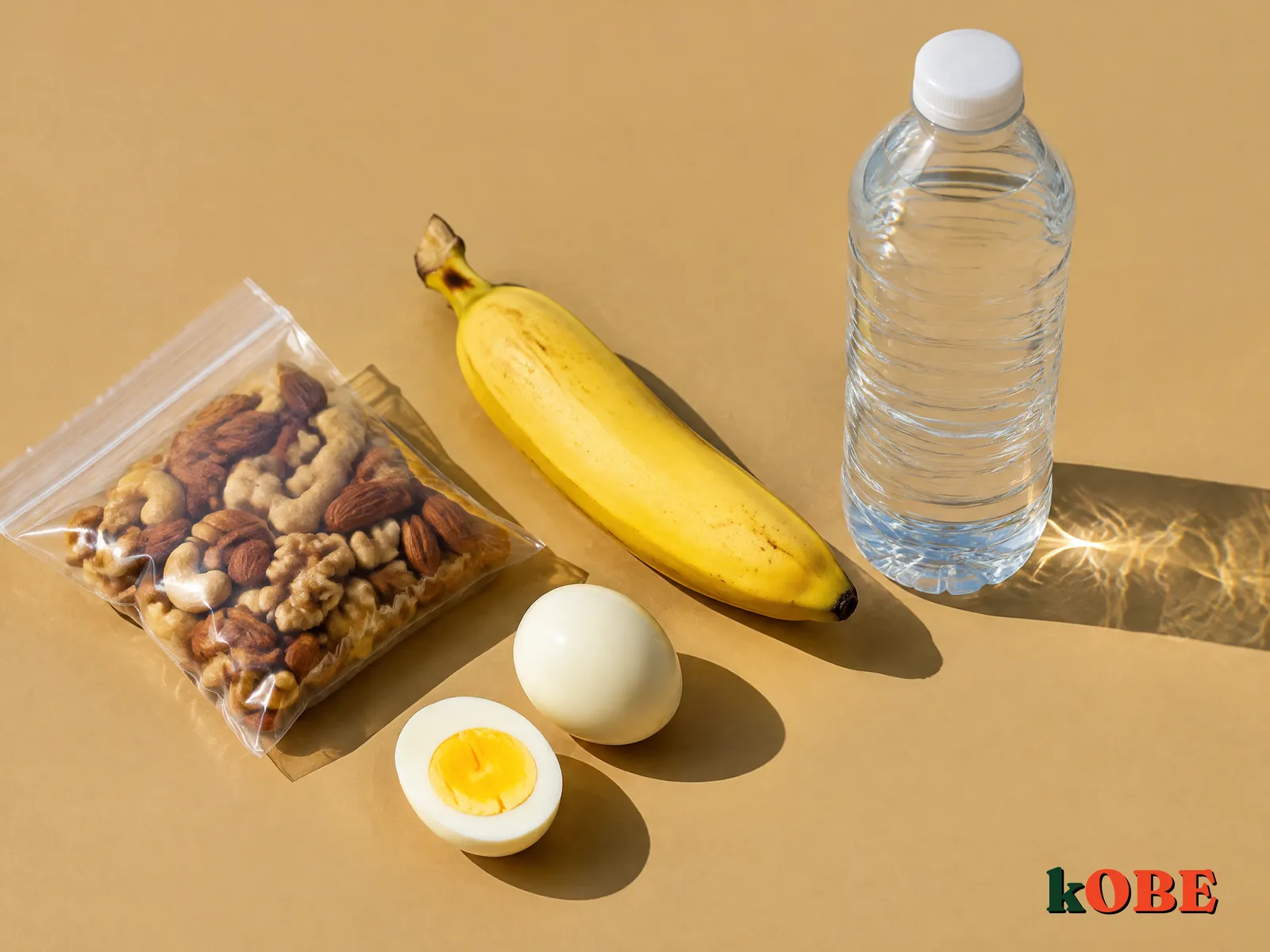
Pack a food bag before you go
Bus stops, airports and train stations usually have few options, mostly sweet or fried. Bringing a small bag saves you from choosing while you're hungry.
Handy things to pack:
- Roasted nuts without sugar coating: cashews, almonds, peanuts.
- Thick-skinned fruit: bananas, mandarins, apples. They bruise less and need no knife.
- Bread, brown rice cakes: tidy starch with few crumbs.
- UHT milk cartons, boxed soy milk: fine at room temperature until opened.
- An empty water bottle: fill it up after airport security.
Cooked food that needs chilling, like a rice box or pre-cooked chicken, is only worth bringing for the first few hours. In hot weather, eat it even sooner.
Off-schedule days: keep a few anchors
Whether you're crossing time zones abroad or just out late having fun, you can still keep a few anchors:
- Switch to local meal times as soon as possible. Land in Japan in the morning, have a Japanese breakfast, don't wait for "lunchtime in Vietnam."
- Keep breakfast. The first meal of the day is like an alarm clock for your body.
- Drink water steadily. Airplane cabin air is drier than usual. Take small sips throughout the flight.
- Save coffee for the morning, avoid it in the evening at your destination, so you can fall asleep on time.
Eating local food safely: four easy words
An upset stomach on the road usually comes from unfamiliar water and food, rarely from eating "too much." The US CDC has an easy line for travelers: boil it, cook it, peel it, or forget it.
On your trip:
- Go for dishes that are cooked and still hot. Busy shops with food going out nonstop are usually fresher.
- Drink bottled water where you're unsure about the tap water. Remember the ice in your glass too.
- Fruit you peel yourself is safer than pre-cut fruit left out in the open.
- Wash your hands before eating, or carry hand sanitizer.
Then relax and enjoy. A plate of hot bánh căn (little griddled rice cakes), a glass of soy milk in the chilly highland air: that's why you traveled in the first place.
Back home: don't come back to an empty fridge
The day you get back is usually the most tiring. The fridge is empty, and you end up ordering delivery all week.
A small trick: before you leave, stash a few portions in the freezer. On the day you return, just reheat and you have a familiar meal. Familiar food at familiar times helps your body get back into its old rhythm faster.
Inside the kOBE kitchen
kOBE's ready-cooked foods, like Red Brown Rice, White Rice, Sous Vide Chicken Breast and Sweet Potato, are all cooked, then frozen. You can stock your freezer before the trip.
When you get home, thaw them in the fridge overnight, or reheat right away in the microwave on low. Our frozen rice bowls have rice, a main dish and sesame kale in one box, handy for that first tired day back. See our frozen range.
If your company is organizing an event or conference for the team, see our Catering page.
Frequently asked questions
Should I eat a lot on a flight?
How long can I carry pre-cooked food on the road?
Do I need to diet while traveling?
Keep reading
Sources
- Wehrens S.M.T. et al. (2017). Meal Timing Regulates the Human Circadian System. Current Biology 27(12):1768 to 1775.
- CDC (US), Travelers' Health. Food and Water Safety.
- WHO (2006). Five Keys to Safer Food Manual.
- USDA FSIS. "Danger Zone" (40°F to 140°F).
- Further reading: Understanding Nutrition 16th ed.