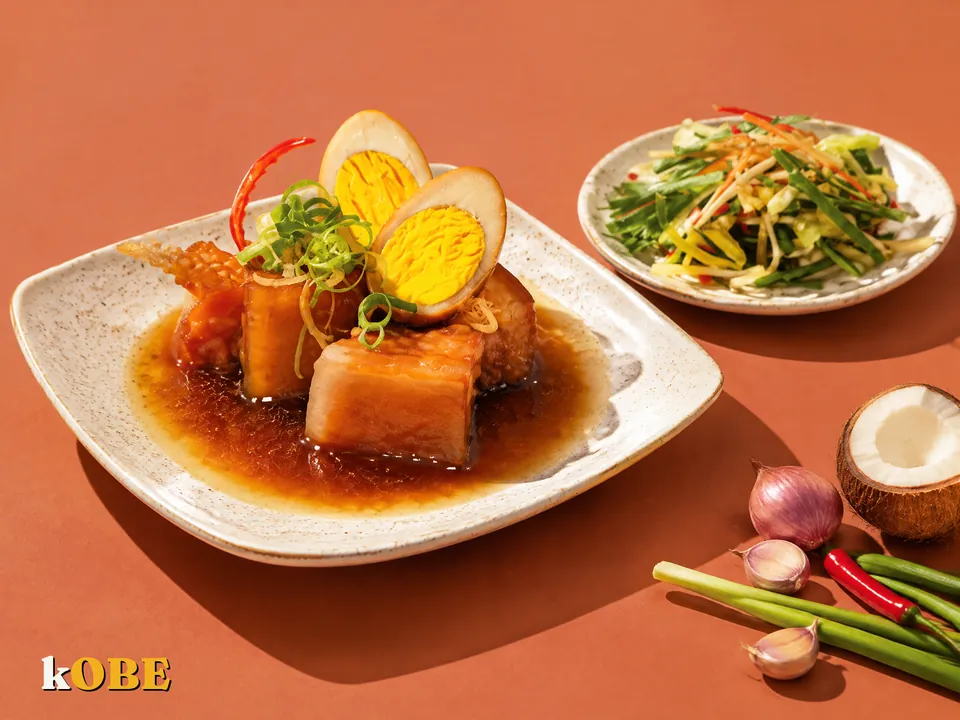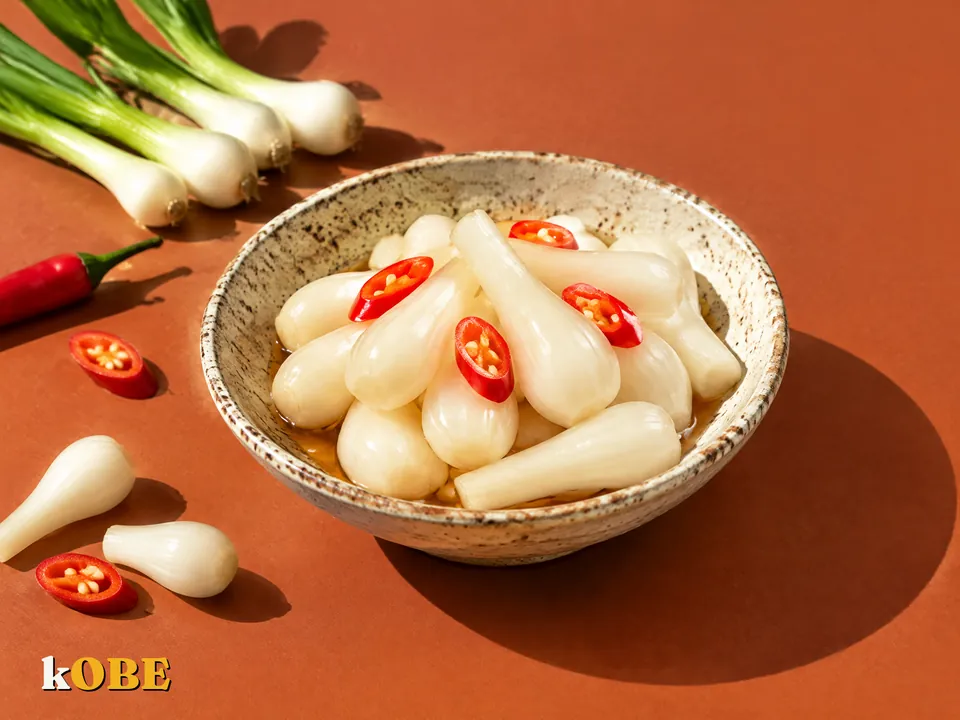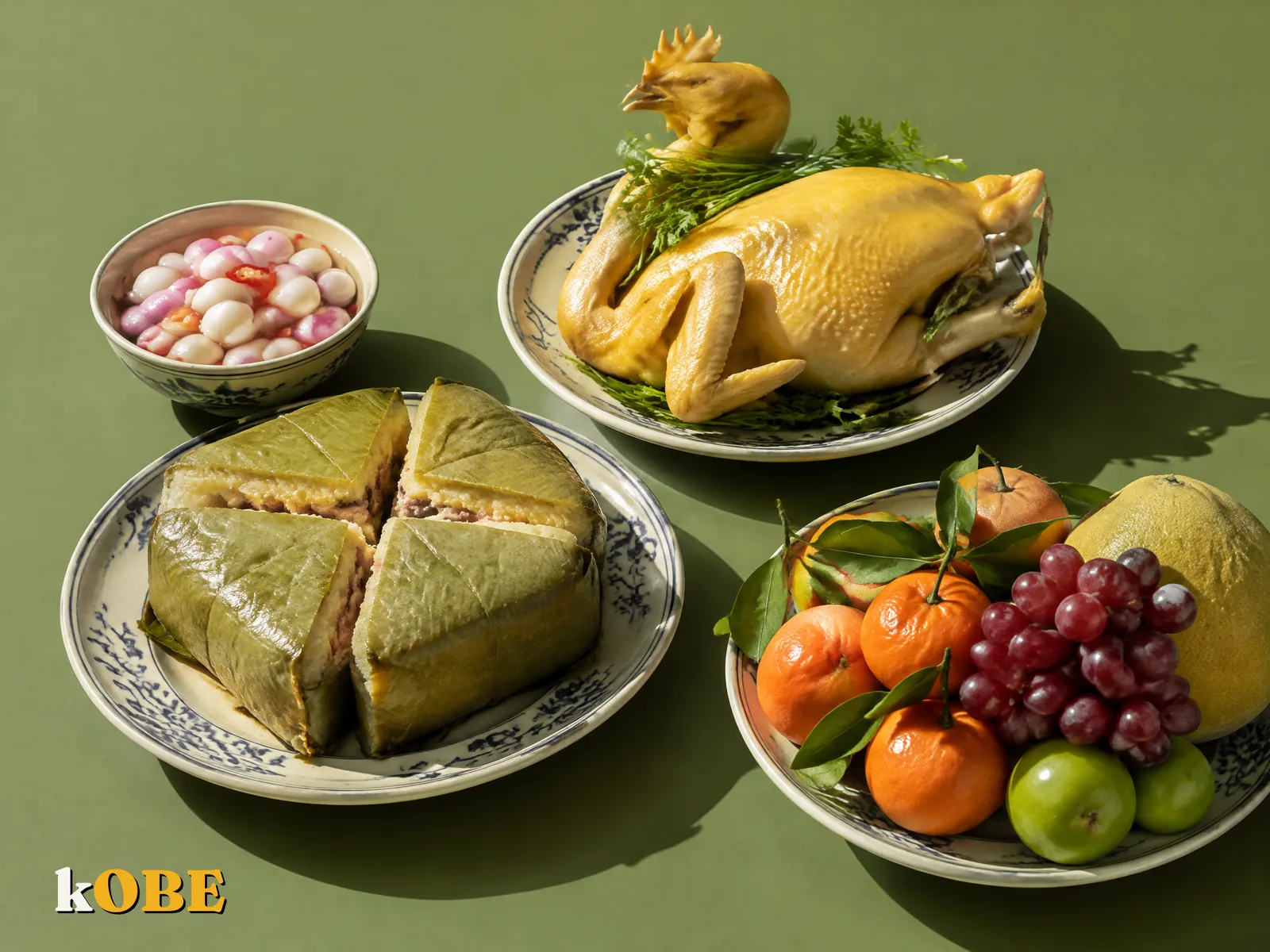
Second day of Tết, the Lunar New Year. Breakfast is bánh chưng (square sticky rice cake) with pickled shallots. Lunch at Dad's parents' house means a tray of thịt kho hột vịt (pork and duck eggs braised in coconut water). Afternoon at Mom's parents' house brings a tray of mứt (candied fruit), roasted watermelon seeds and a few cans of soda. In the evening, friends drag you out for drinks.
By day four, everyone feels heavy. Not because of one "wrong" dish. But because for a whole week, your eating rhythm was turned upside down.
Good news: you don't have to turn down any dish. You just need a few small tricks to enjoy all of Tết without the slump.
In this article
Why does Tết wear us out, when everything tastes so good?
There are three main reasons, and none of them is "the food's fault":
- Eating at odd hours. You sleep in and skip breakfast, then pile everything into one huge lunch.
- Lots of energy-dense dishes in one day. Bánh chưng, thịt kho, giò chả (Vietnamese pork sausage), mứt: all delicious, and all pretty "heavy."
- Few vegetables, little movement, messy sleep. Sitting in one place all day, staying up late for fireworks and card games.
Bánh chưng is an easy example. Sticky rice, mung beans and pork belly wrapped tightly in dong leaves. A quarter of a medium bánh chưng can hold as much starch as two bowls of rice. Add a few slices of giò and a bowl of thịt kho, and breakfast has turned into a feast.
Trick 1: don't "save room"
This is the most common habit. You know there's a party tonight, so you go almost all day without eating to save room.
The result: by party time, you're ravenous. A hungry brain tends to go for fatty and sweet dishes first. You eat faster and more than you actually need.
Instead, have a light snack with protein and vegetables before you go. An egg, a pot of yogurt, a bowl of soup. You arrive a little hungry, just enough to enjoy the food.
Trick 2: grab a small plate and look around first
At a buffet or a festive family spread, try this:
- Look over every dish before serving yourself.
- Pick the dishes you really love, skip the ones you can have any time of year.
- Start with salads, vegetables and soup, then protein dishes, and finish with starch and sweets.
- Use a small plate. If you want more, go back for seconds instead of piling it high from the start.
Eating slowly helps too. The fullness signal needs a little time to reach your brain. Chatting between bites is the most natural way to slow down at Tết.
The candied fruit tray and soda: sugar where you least expect it
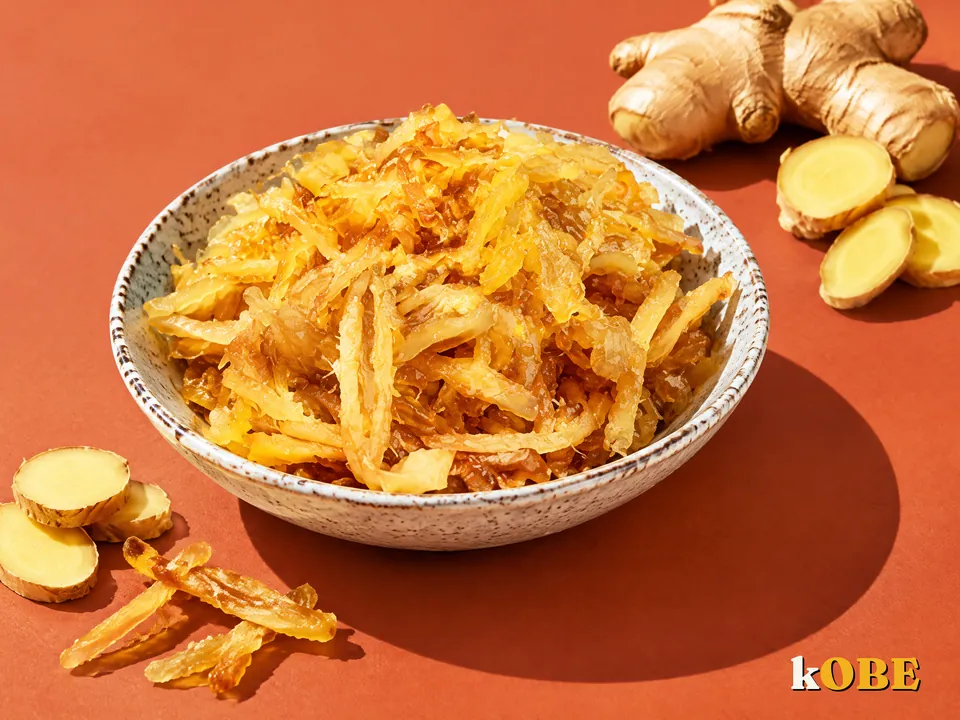
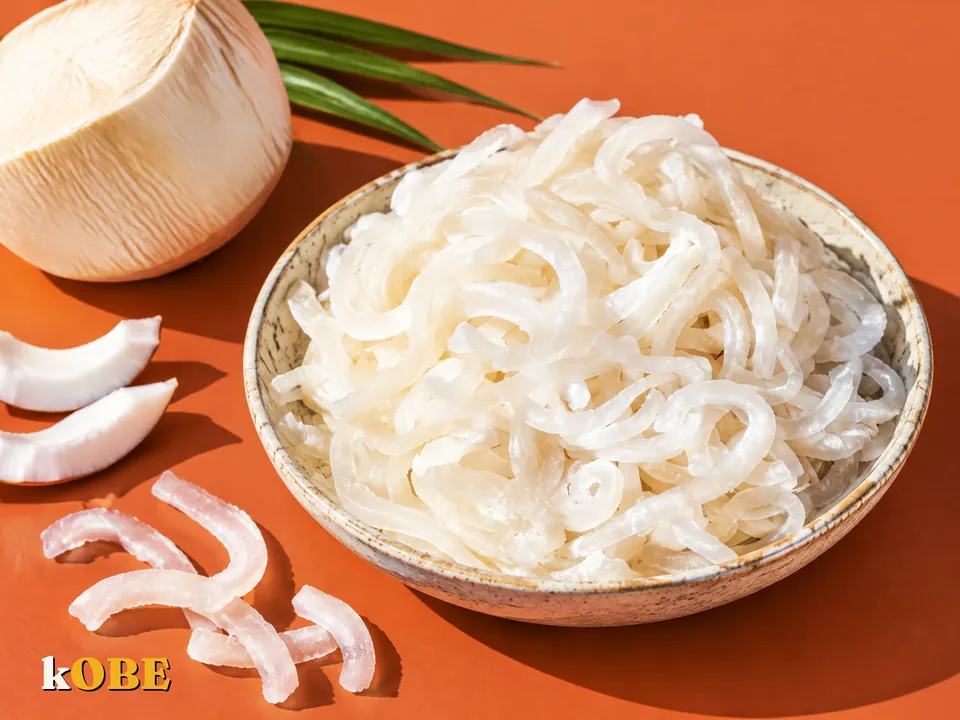
Mứt is fruit or root vegetables cooked down with lots of sugar until chewy and dry. So whether it's made from ginger, coconut or winter melon, most of the sweetness comes from that sugar.
A few tips for the candy tray:
- Take a little onto your own plate, instead of sitting next to the tray and grazing nonstop.
- Mix in watermelon seeds, pumpkin seeds and cashews without sugar coating between bites of mứt.
- Brew a pot of hot unsweetened tea to sip alongside. Hot tea pairs well with mứt and helps you drink less soda.
Tết soda deserves a mention too. One 330ml can has about 35g of sugar, more than 8 teaspoons. Hang out for an afternoon and three or four cans slip by without you noticing.
Trick 3: keep a few anchors every day
Tết doesn't have to follow your usual meal schedule. But keeping a few anchors helps your body wobble less:
- Drink enough plain water, especially on days with alcohol.
- Have at least one veggie-heavy meal each day. Pickled shallots and củ kiệu (pickled scallion bulbs) are fun to snack on, but remember they're quite salty.
- Walk after big meals. Visiting the pagoda, strolling the flower street, dropping by the neighbors to wish them a happy new year all count.
- Sleep enough. Several late nights in a row make you crave sweet and fatty foods the next day.
And alcohol? It gives about 7 calories per gram, nearly double what starch gives. Pairing every glass of alcohol with a glass of water is an easy trick anyone can use.
Inside the kOBE kitchen
Tết is the season of homemade mứt, chè (sweet dessert soup) and cakes. kOBE Signature Monk Fruit Blend replaces cane sugar 1:1, so your family's favorite mứt and chè recipes need no reworking.
A tip from our kitchen: baked goods made with this blend turn a paler gold than with cane sugar. For a nice golden top on your Tết tray, brush on a little egg yolk.
Our 1,480 home recipes on Recipes include candied ginger, candied coconut, pickled củ kiệu and thịt kho. Each one lists calories and sugar per 100g, so you know how "heavy" your family's candy tray really is. For a year-end family gathering or a company party, see our Catering page.
Frequently asked questions
How can I eat bánh chưng without feeling overloaded?
Should I fast after Tết to "reset"?
What if I have parties all week long?
Keep reading
Sources
- WHO (2015). Guideline: Sugars intake for adults and children.
- FAO (2003). Food energy: methods of analysis and conversion factors. FAO Food and Nutrition Paper 77.
- National Institute of Nutrition (Vietnam). Vietnamese Food Composition Table (bánh chưng, giò lụa, glutinous rice).
- Harvard T.H. Chan School of Public Health, The Nutrition Source. Healthy Eating Plate.
- Further reading: Understanding Nutrition 16th ed.; Culinary Nutrition.