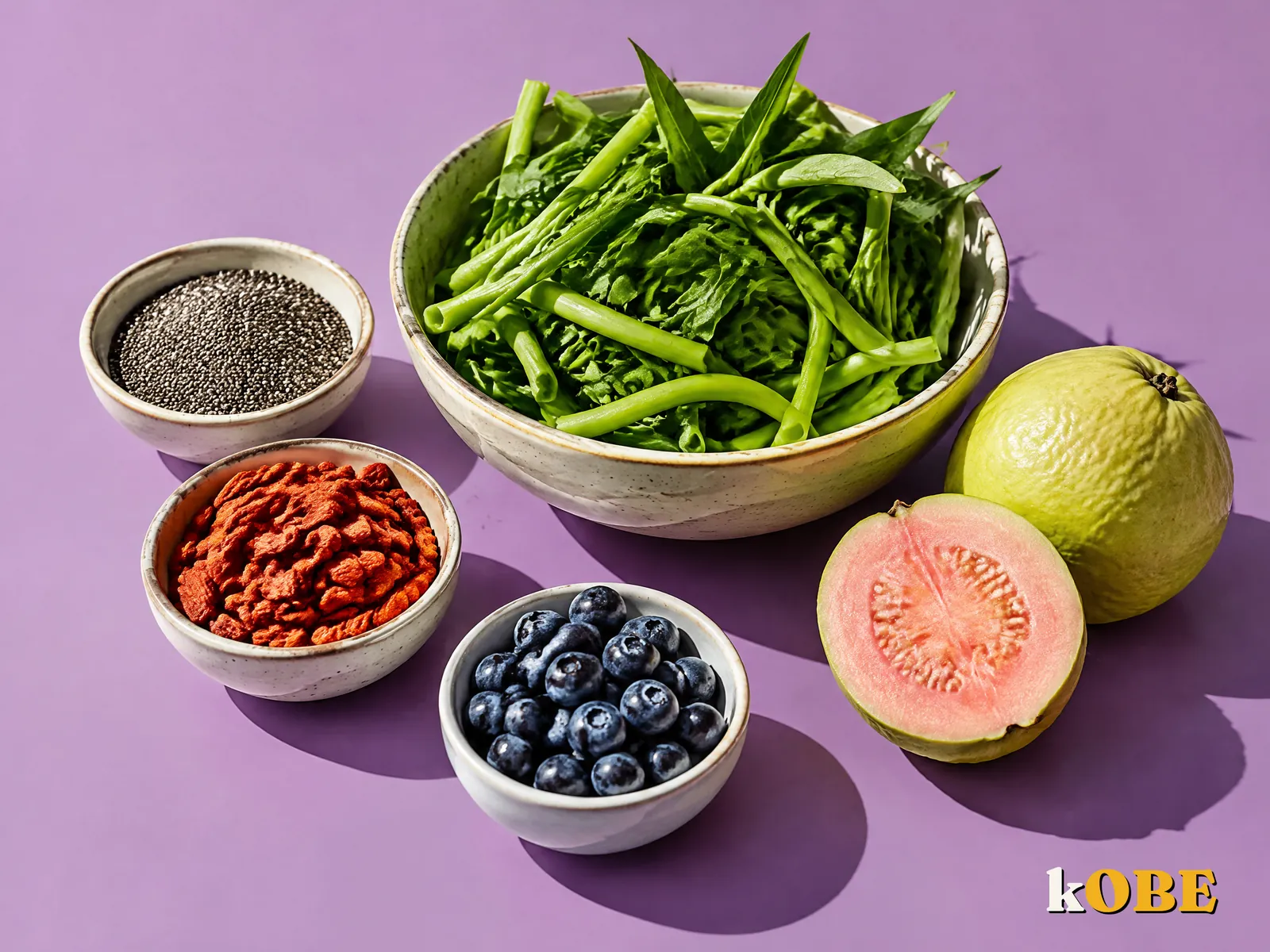
Open social media and there it is: chia seeds "have more calcium than milk", blueberries "fight ageing", spirulina powder is "the miracle of the century". Every year a new food takes the crown.
Meanwhile, nobody calls the 10,000 đồng bunch of rau muống (water spinach) at the market "super". Nobody films a video about a plate of boiled rau ngót (sweet leaf) either.
So what is a superfood? Is there a standard a food has to meet to be called "super"? The answer might make you laugh.
In this article
Whose word is "superfood"?
Look in a nutrition textbook and you will not find a scientific definition of "superfood". It is a marketing word, not a scientific term.
No committee hands out the title. A food usually becomes "super" thanks to three things: it sounds exotic, it has one or two interesting studies, and someone tells a good story about it.
Interestingly, since 2007 the European Union has tightened the rules on health claims for food. A benefit-flavoured word like "superfood" cannot be used freely on packaging unless it comes with a health claim approved by the relevant authority.
That does not mean these foods are bad. Chia seeds, kale and blueberries are all good foods. The word "super" is just doing more work than it can carry.
Test tubes and real life are very far apart
Many "super" claims come from real research. But often it is research in test tubes, in mice, or using extracts at very high doses.
Take turmeric. Curcumin, a compound in turmeric, shows interesting results in the lab. But the human body absorbs curcumin very poorly. A spoonful of turmeric powder in a pot of curry is a world away from the amounts used in experiments.
This pattern comes up a lot:
- A compound in a food shows good results in cells.
- The headline says: "Food X fights disease Y."
- The reader thinks: eating food X is enough.
Between step 1 and step 3, lots of "may", "in mice" and "at high doses" quietly get cut.
Imported superfoods versus the Vietnamese market
This is the most fun part. Plenty of familiar market foods have strengths that are every bit as good:
| Famous food | Its market cousin | What they share |
|---|---|---|
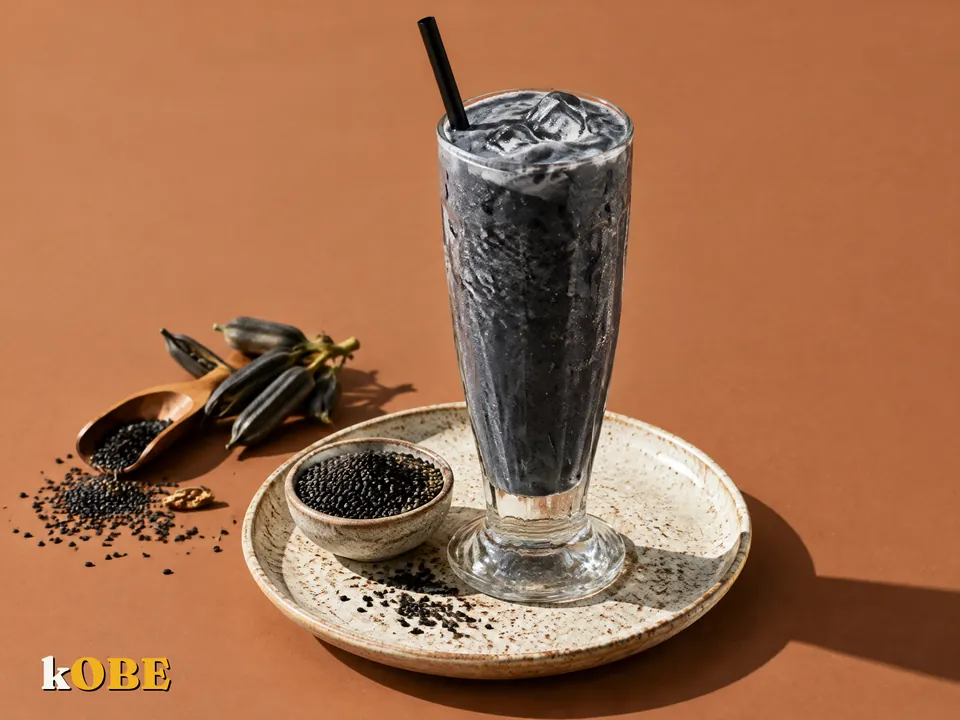
| Chia seeds | Sesame, hạt é (basil seeds) | Tiny seeds with good fats and fibre |
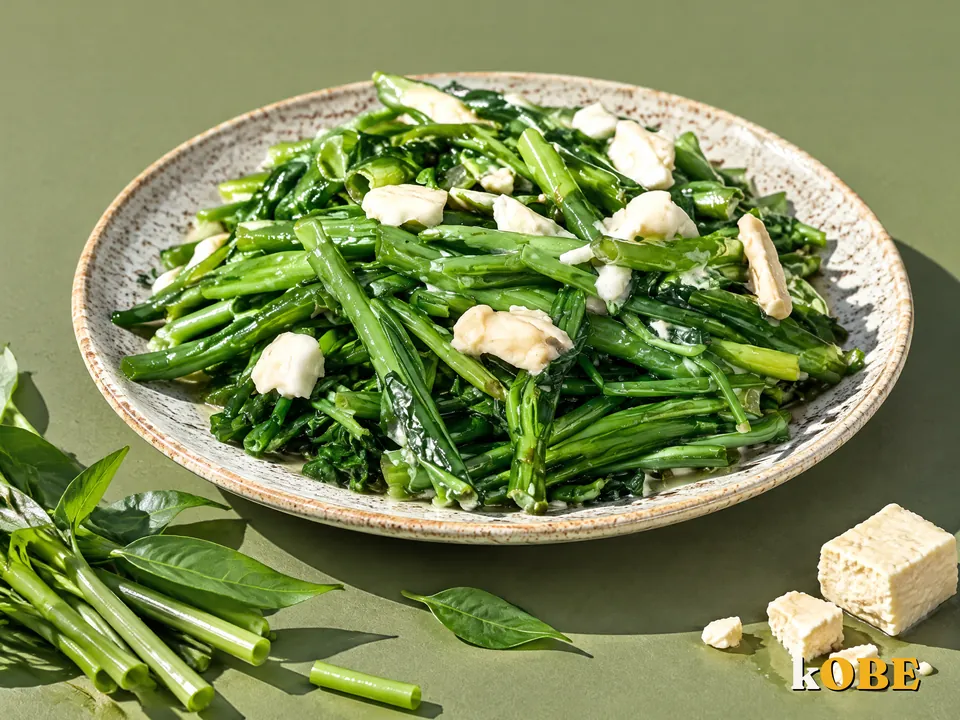
| Kale | Rau ngót, rau muống, mustard greens | Dark leafy greens, rich in vitamins and minerals |
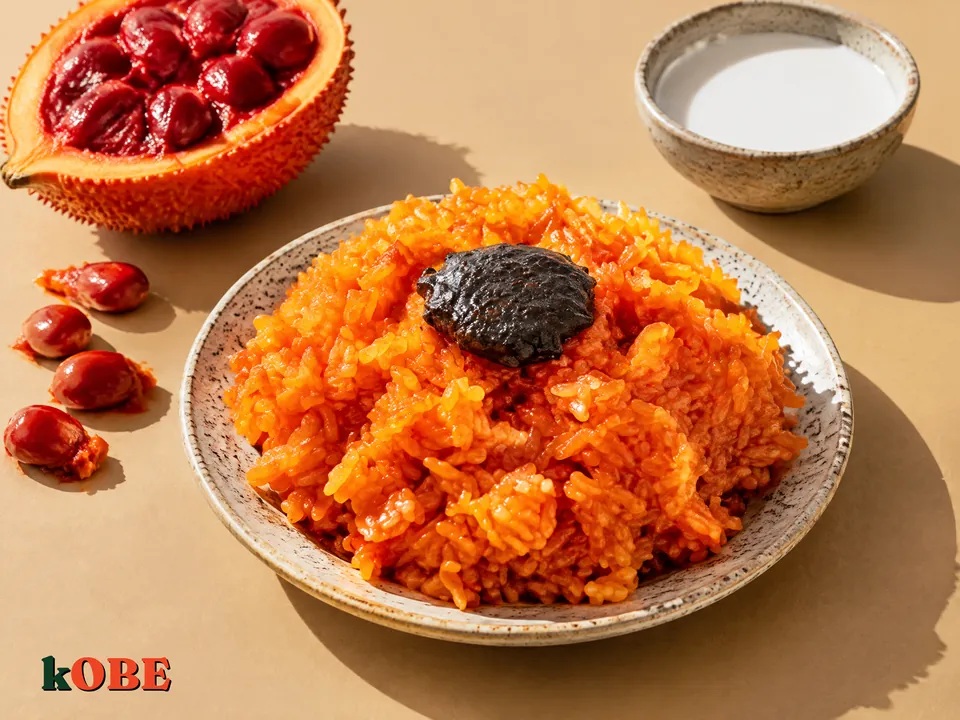
| Blueberries | Gấc (a spiky red fruit), red dragon fruit, grapes | Natural pigments like anthocyanins and lycopene |
| Quinoa | Brown rice, mung beans, black beans | Carbs with fibre and protein |
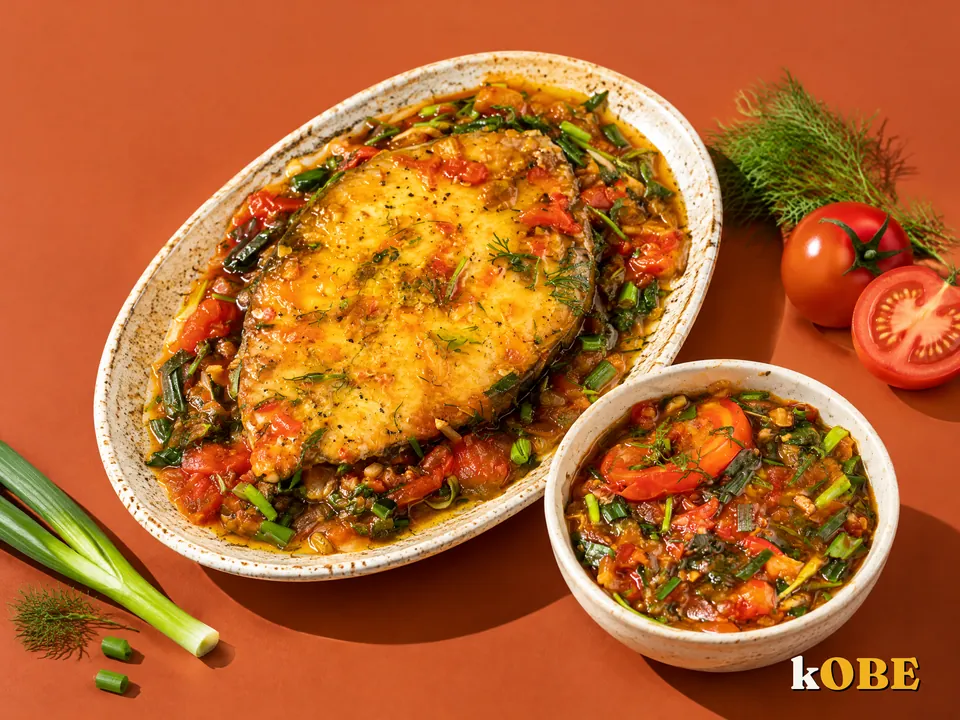
| Salmon | Mackerel scad, Spanish mackerel | Oily fish with omega-3 |
Hạt é swells when soaked, just like chia, and it has been floating in Grandma's nước sâm (herbal cooling drink) for years. Gấc is rich in lycopene and beta-carotene, and has long been in the plate of xôi gấc (red sticky rice) at Tết.
That does not mean imported foods are useless. You simply do not need them to eat well.
Why one food is never enough
Every food has its own set of nutrients. Leafy greens have folate and vitamin K. Fish has protein and omega-3. Beans have fibre and plant protein. Fruit has vitamin C.
No food has it all. So the real power lies in variety, not in one star ingredient.
There is a psychological trap too. People sprinkle a spoonful of chia on a sugar-loaded milk tea and feel reassured. Or eat a kale salad drowned in three spoonfuls of rich, sweet dressing. The word "super" makes us forget to look at the whole picture.
Nutrition experts often say something simple: a good diet is a colourful diet. A plate with the green of vegetables, the red-orange of tomatoes and carrots, the purple of cabbage, the white of tofu.
How to choose wisely
A few little questions when you meet a new "superfood":
- Can a familiar food do the same job? If there is a similar market food, just use that.
- Is the praise based on studies in humans or in mice?
- Will I eat it regularly, or buy it once and forget it in the cupboard?
- Does it come with sugar, salt or rich dressing? Instant matcha powder mixes can hold more sugar than you think.
And do not feel you are missing out if your kitchen has no chia seeds or spirulina. A family meal of boiled greens, cá kho (caramelised braised fish) and canh chua (sweet and sour soup) is already very "super".
Inside the kOBE kitchen
We have kale on the menu, but we make it in a familiar way. kOBE Sesame Kale is kale massaged with sesame oil and toasted sesame seeds, namul style, 78 kcal and 4g protein per 100g.
Black Brown Rice contains anthocyanins, the same family of pigments found in blueberries. Edamame has 11.9g protein per 100g. None of them is "super" alone, but together they make a colourful meal.
Find these ingredients on the Ingredients page.
Frequently asked questions
Do chia seeds really have more calcium than milk?
Should I drink ready-made superfood powders?
Are frozen vegetables still "super"?
Keep reading
Sources
- Regulation (EC) No 1924/2006 of the European Parliament and of the Council on nutrition and health claims made on foods (applied from 2007).
- EFSA. Health claims assessment files for foods.
- USDA FoodData Central: chia seeds, sesame seeds, cow's milk, kale.
- Harvard T.H. Chan School of Public Health, The Nutrition Source: Superfoods or Superhype?
- Further reading: Diet Cults (Matt Fitzgerald), chapter 6; Nutrition: Concepts and Controversies 16th ed., chapter 2.