Data source: USDA FoodData Central, SR Legacy, FDC 171705 (Avocados, raw, all commercial varieties).
Fun facts
- Avocado is a fruit, but its makeup looks more like a fat than a sweet: 14.7g of fat and only 0.7g of sugar per 100g. Most of that fat is the unsaturated kind.
- Avocado has 6.7g of fiber and 485mg of potassium per 100g, more potassium than a banana (358mg).
- Left on the tree, an avocado stays hard. It only starts to soften after picking, so growers can leave fruit hanging for a while longer.
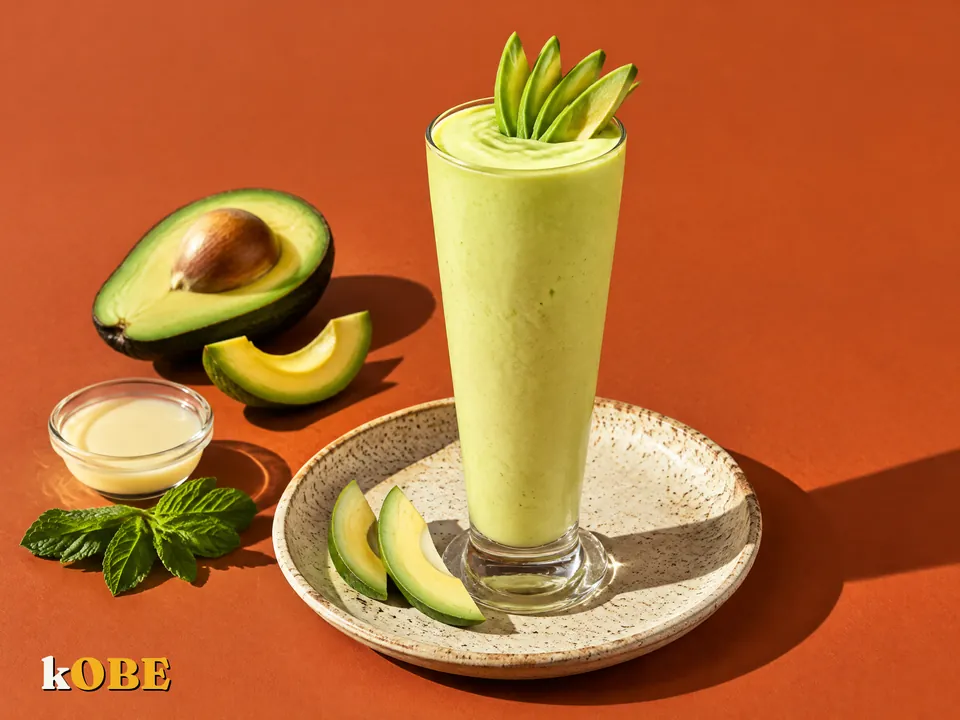
- Butter avocados and booth avocados from Dak Lak are Central Highlands specialties. Vietnamese love them mashed with sugar, as smoothies or ice cream, while elsewhere they are eaten savory on toast or in salads.
Choosing and storing
Squeeze gently in your palm: a slight give means ready to eat; rock hard needs a few more days; very soft may be bruised inside. Keep hard avocados at room temperature, and a paper bag with a banana speeds things up. Once ripe, move them to the fridge for a few extra days. For a leftover half, keep the pit in, squeeze lemon on the cut side, wrap tightly and refrigerate to slow browning.
Cooking it well
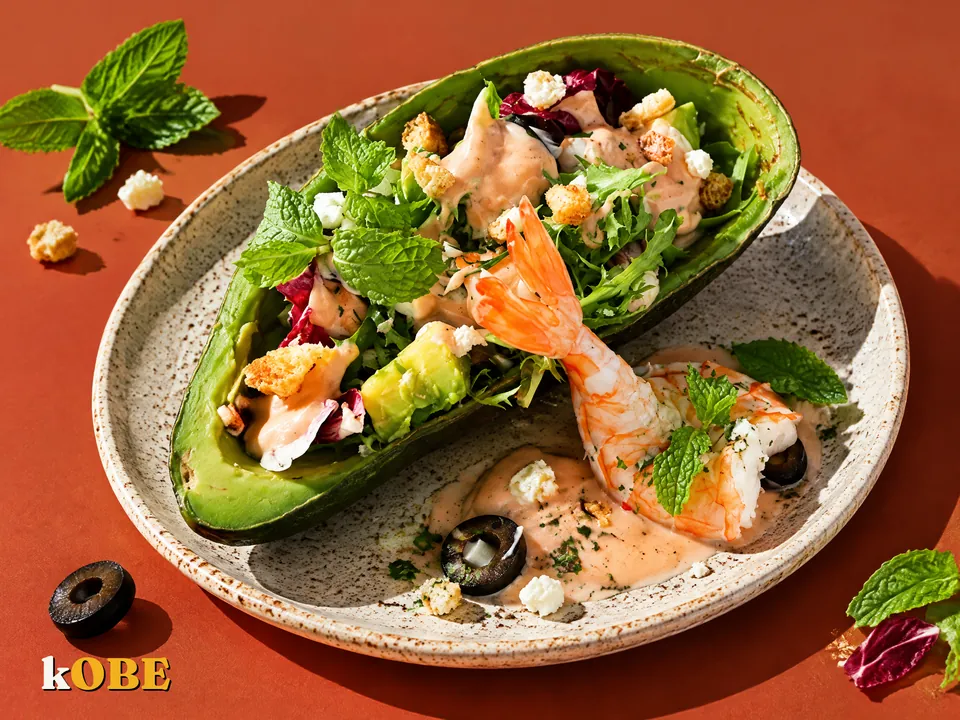
Mash avocado with a pinch of salt, lemon and pepper for a creamy spread for bread, eggs or salad. Its fat also helps your body absorb fat-soluble vitamins from the vegetables you eat with it. An avocado smoothie tastes great without condensed milk; try blending it with unsweetened milk and some ice. To understand the kinds of fat better, read saturated vs unsaturated fat.