Data source: USDA FoodData Central, SR Legacy, FDC 168573 (Lemon grass (citronella), raw).
Fun facts
- Lemongrass smells like lemon peel for a reason: both contain an aromatic compound called citral.
- According to USDA, 100g of lemongrass has about 99 kcal, 723mg of potassium and 8.2mg of iron. But each dish uses only a few grams: a tablespoon of minced lemongrass, about 7g, has around 7 kcal and 0.6mg of iron.
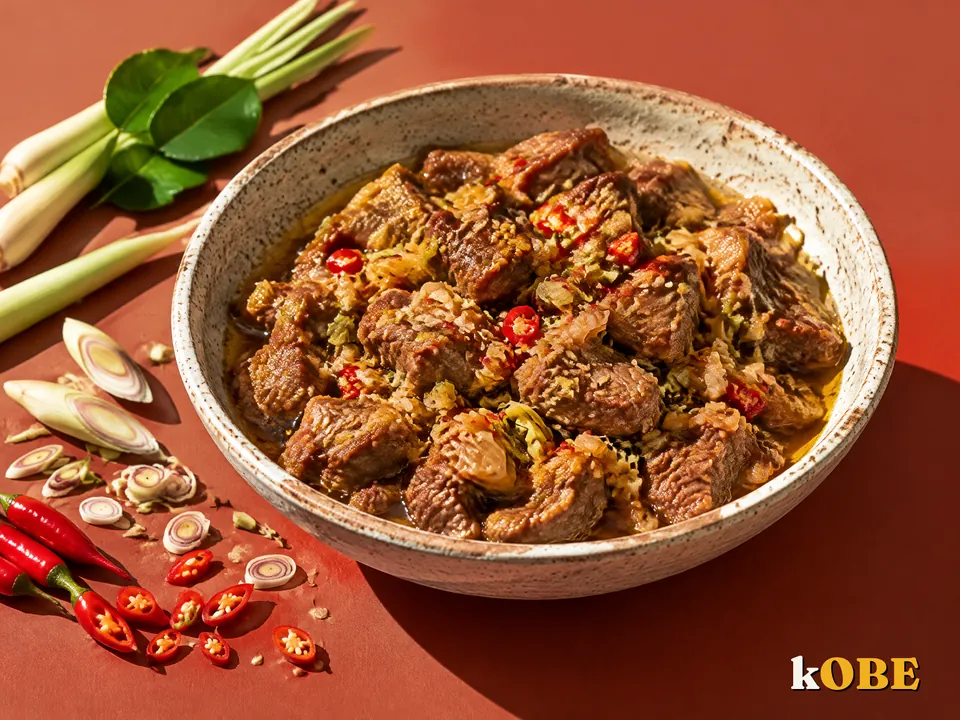
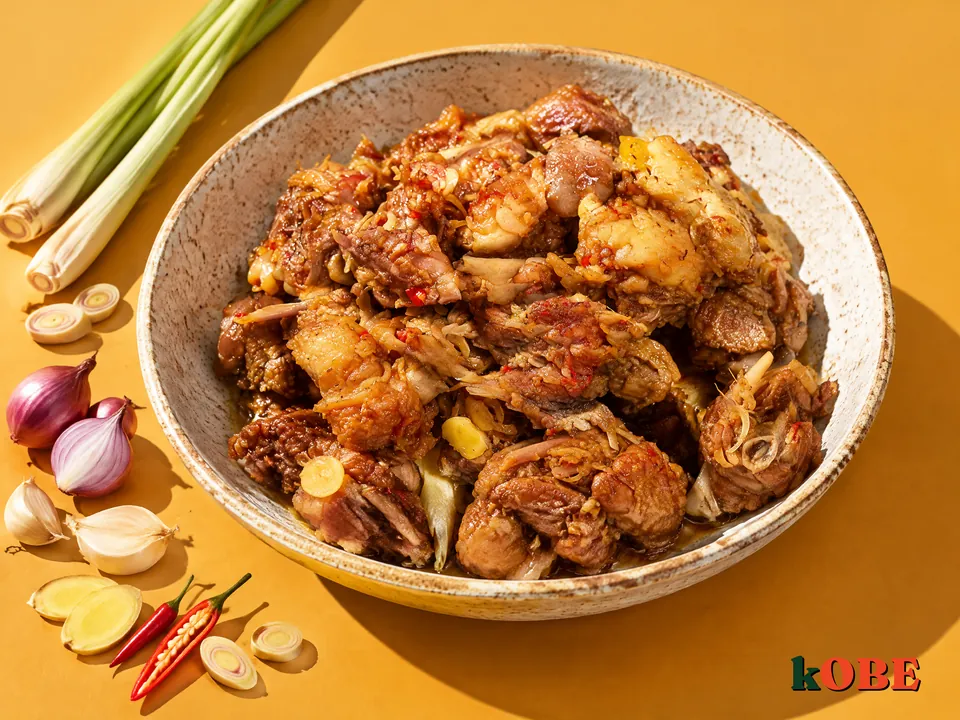
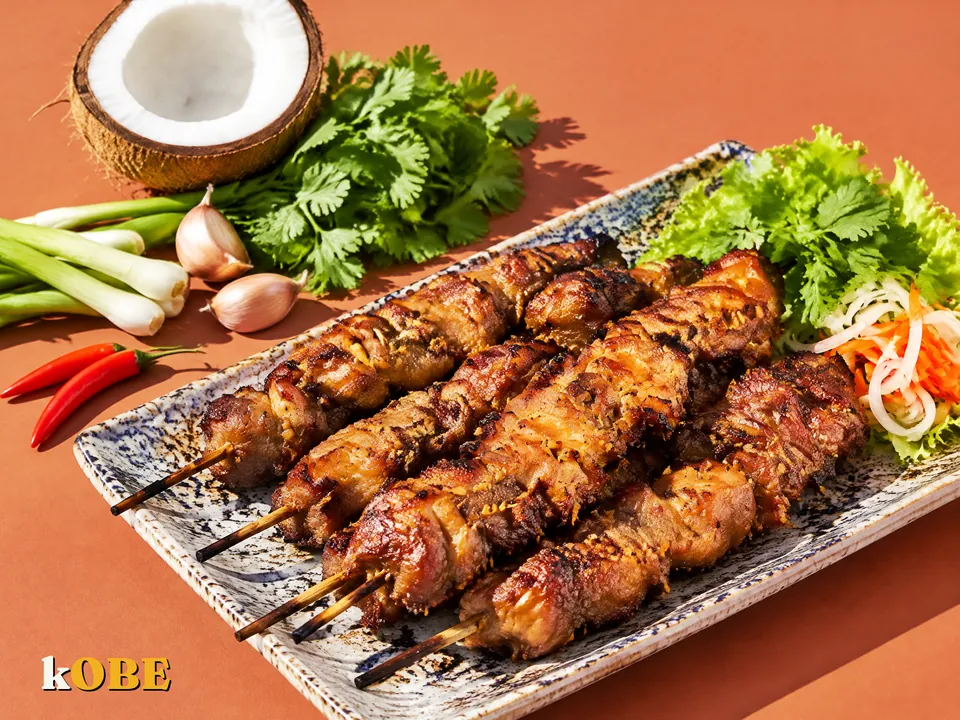
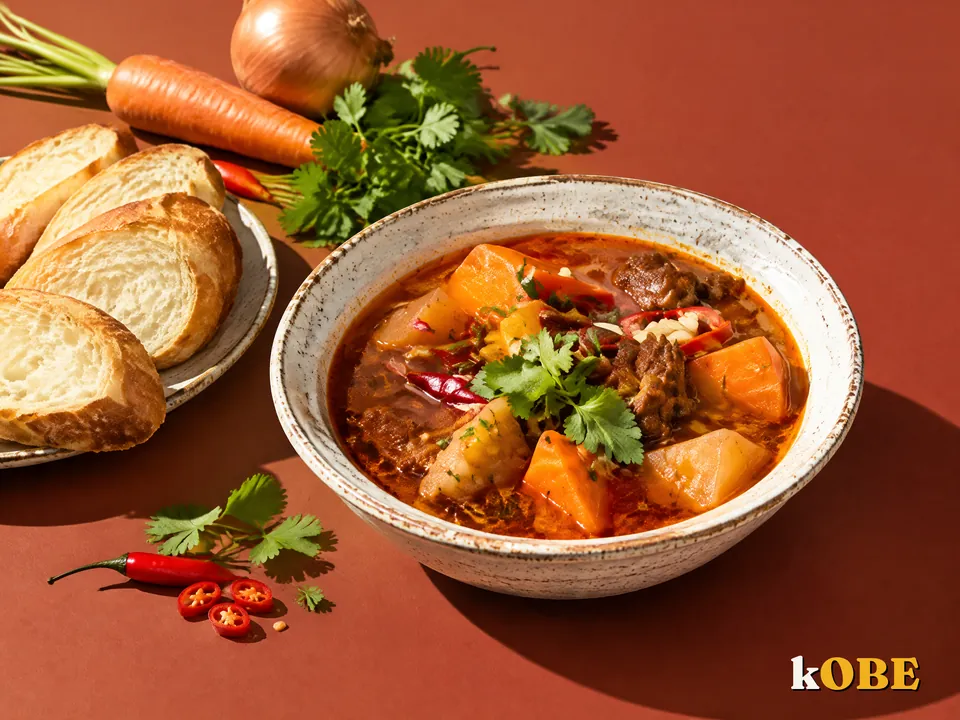
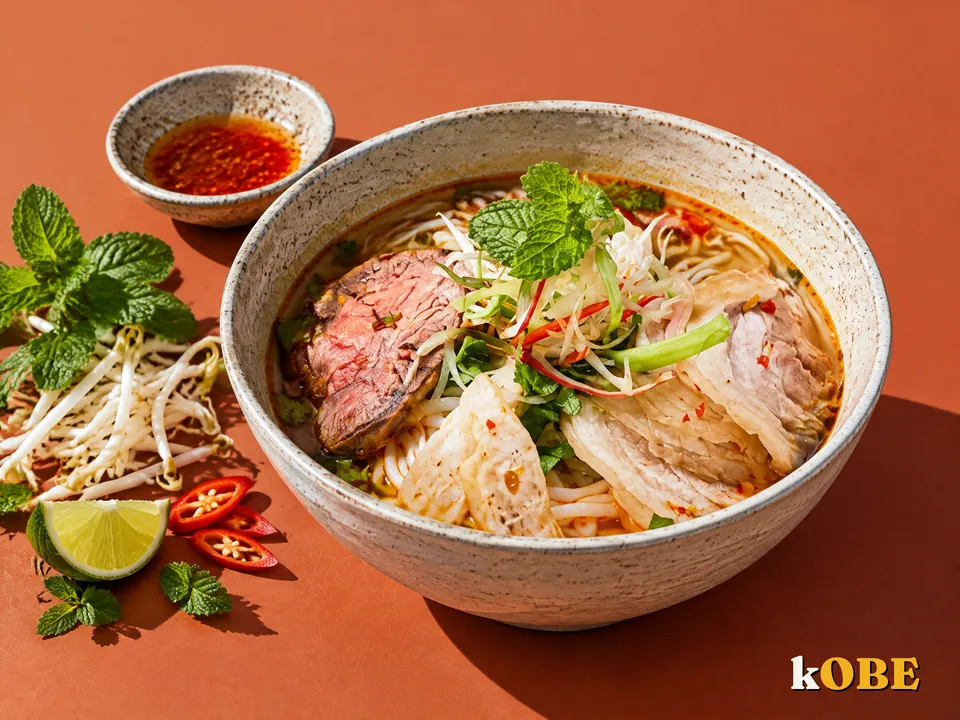
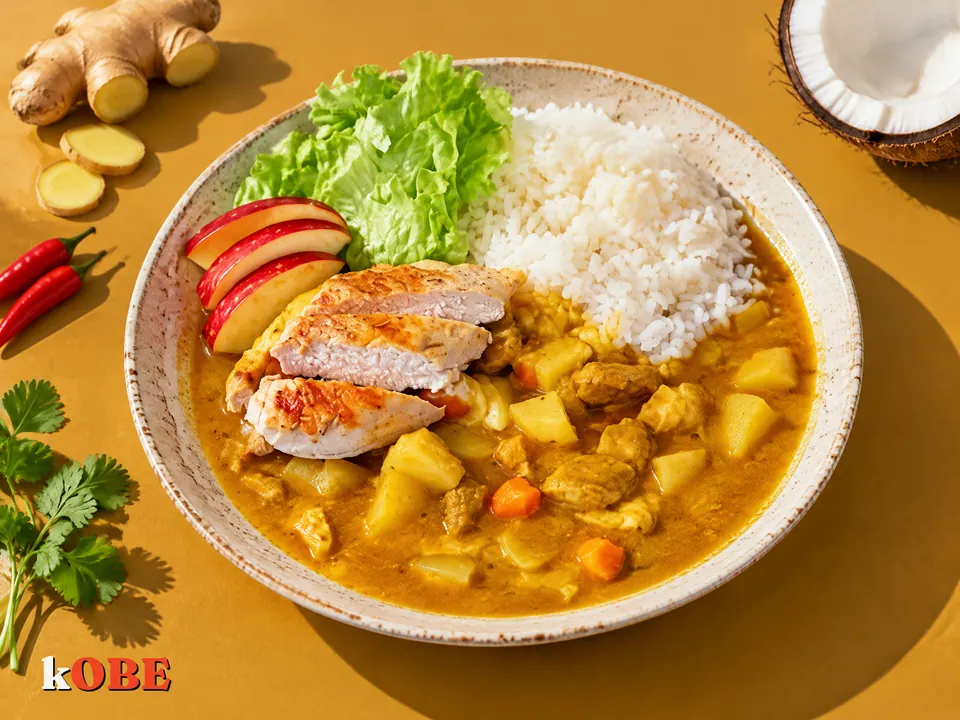
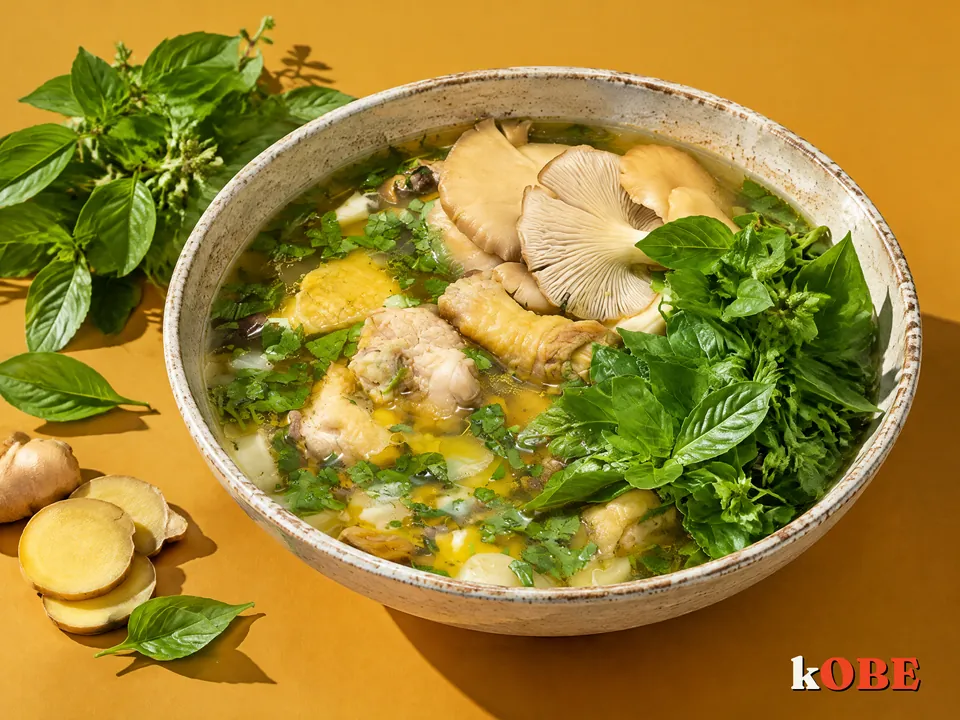
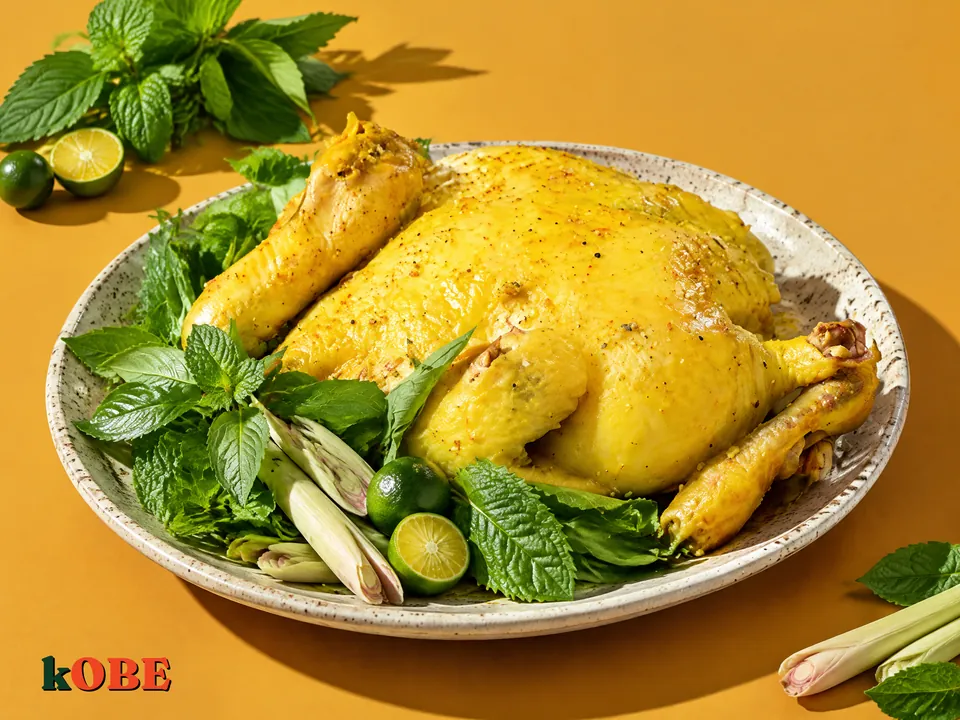
- Vietnamese cooks use lemongrass in lemongrass chili chicken, grilled lemongrass beef, steamed clams, hotpot and poaching broths. It appears in 117 kOBE recipes.
- Lemongrass is easy to grow: plant a stalk with roots in moist soil and it will spread into a clump.
Choosing and storing
Choose firm stalks with plump white bases and fresh outer layers that are not dried out or bruised. Wrap in a paper towel, put in a bag in the fridge and use within one to two weeks. Minced lemongrass can be divided into small bags, pressed flat and frozen, so you can snap off a piece whenever you cook.
Cooking it well
Peel away a few tough outer layers and use the white base and tender lower stalk. For broths, hotpot or poaching, bruise whole stalks to release the oils and remove them before serving. For stir fries, mince very finely and fry over medium heat until golden and fragrant. Lemongrass is high in iron per 100g, but you use so little that it is not a main iron source; see iron rich foods and absorption. At kOBE, our sous vide chicken in sauce comes in a lemongrass chili flavor, with the sauce cooked using monk fruit sugar.