Data source: USDA FoodData Central, SR Legacy, FDC 170106 (Peppers, hot chili, red, raw).
Fun facts
- Chili comes from the Americas and reached Asia with traders around the 16th century. Within a few hundred years, it became essential to Vietnamese cooking.
- According to USDA, 100g of red chili has about 144mg of vitamin C, nearly three times an orange (53mg). One small 5g chili has around 7mg of vitamin C and just 2 kcal.
- The "heat" of spicy food comes from capsaicin. It triggers the heat sensing receptors on your tongue, so your brain thinks your mouth is burning even though the temperature has not changed.
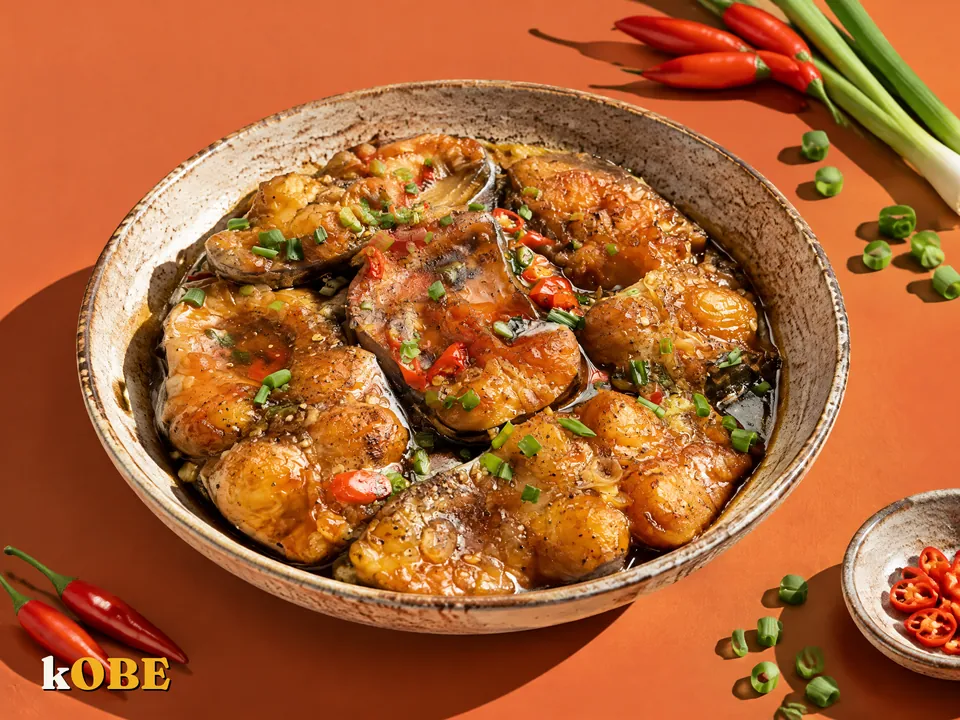
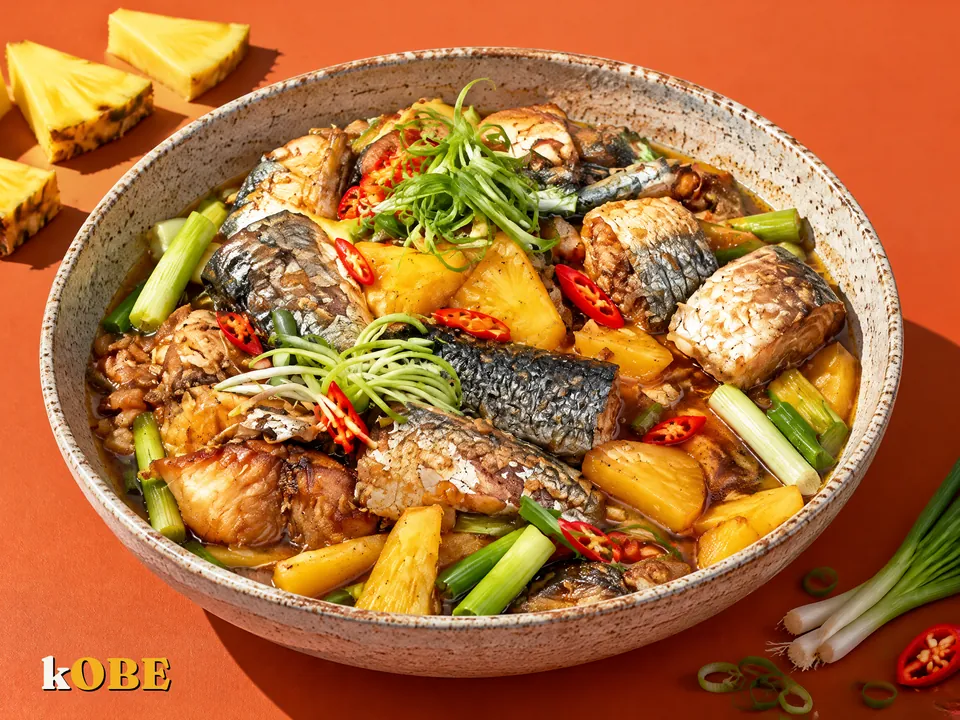
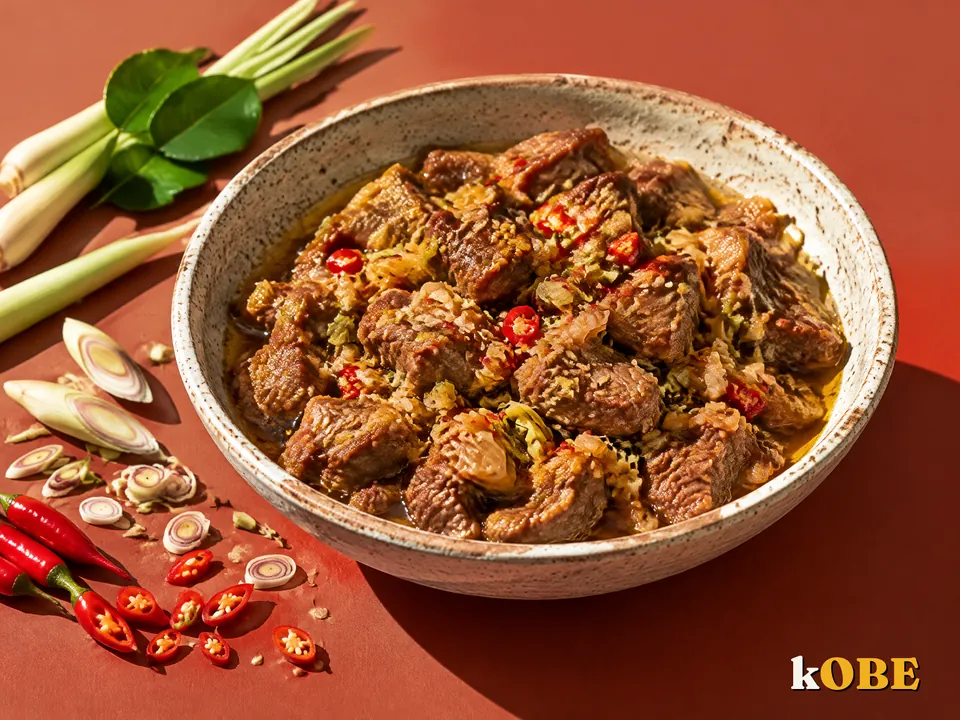
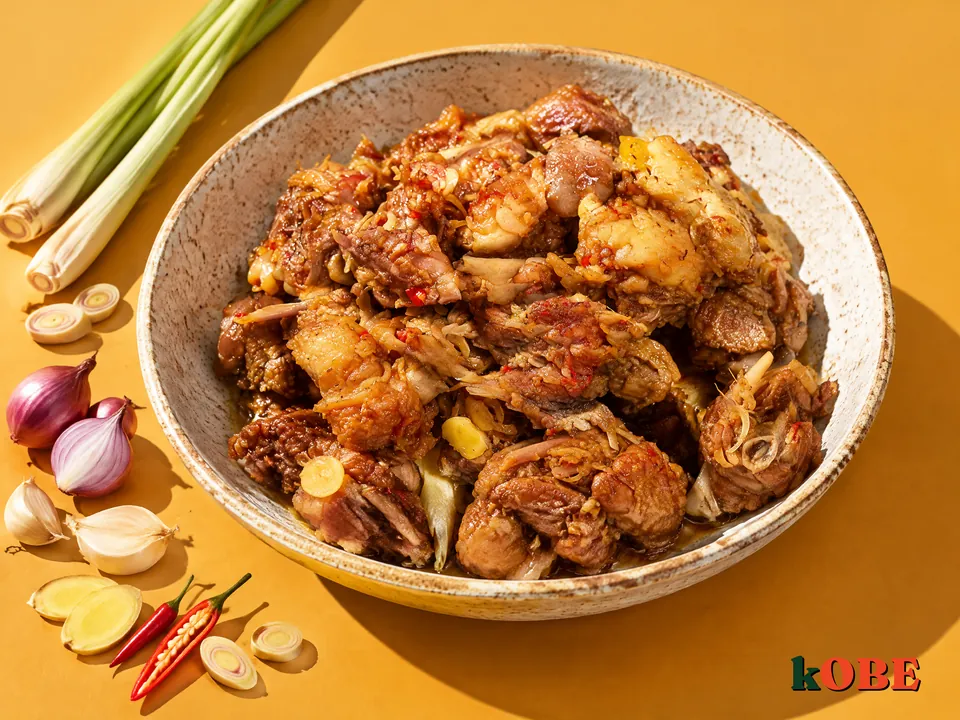
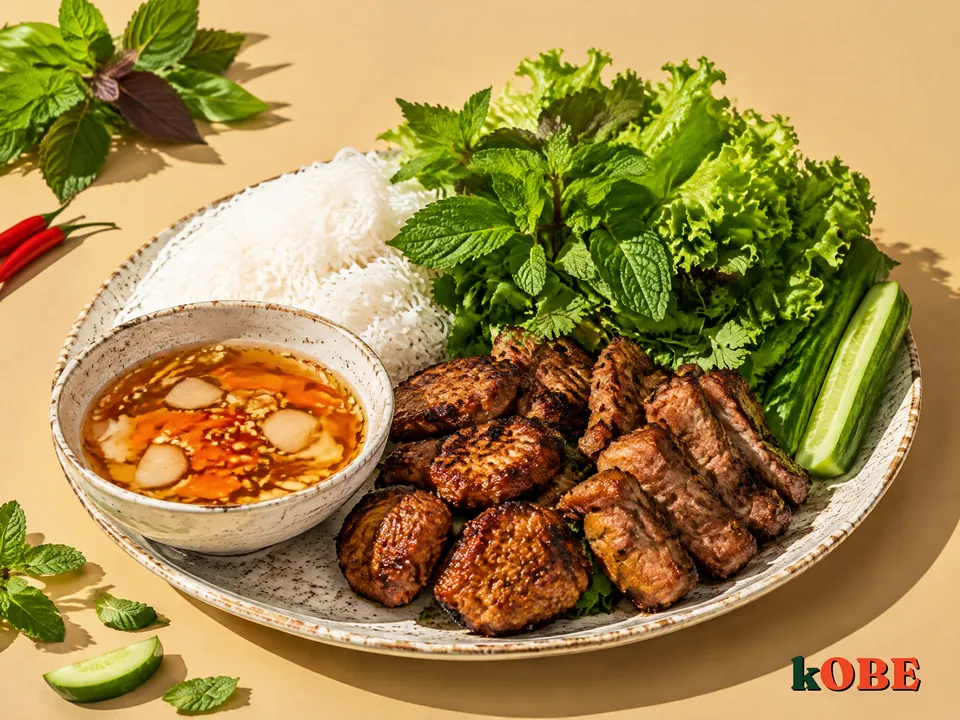
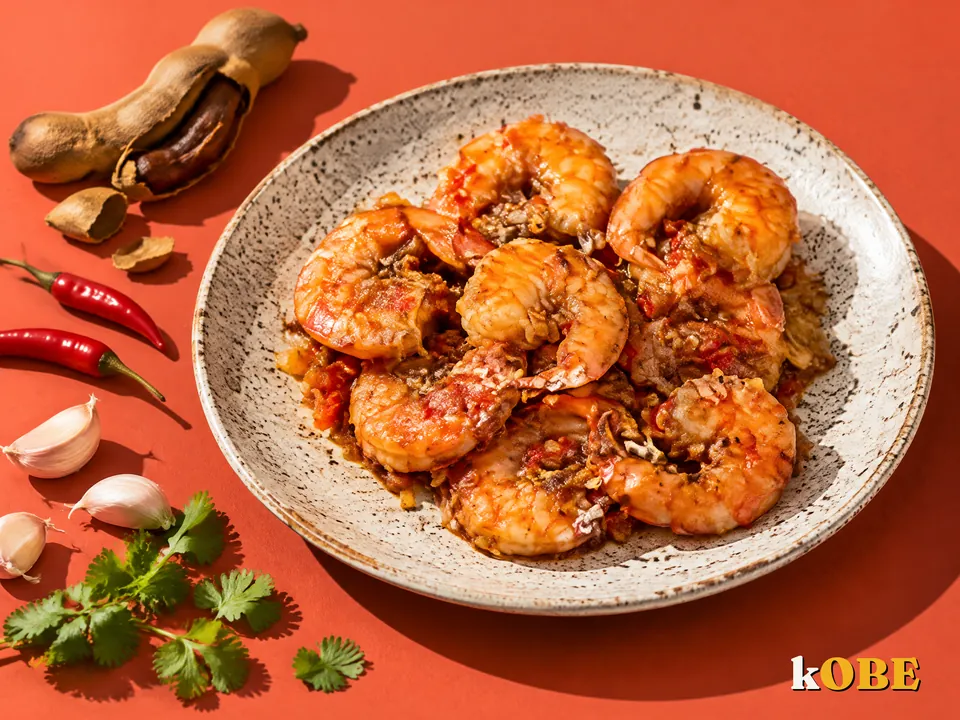
- Chili appears in 475 kOBE recipes, behind only black pepper and garlic, from fish sauce and chili oil to stir fries and braises.
Choosing and storing
Pick chilies that are plump and glossy with even color and fresh green stems, not soft or bruised. Keep them in a container or bag lined with paper towel in the fridge and use within one to two weeks. For longer storage, freeze them whole; frozen chilies stay hot and are easy to slice while still firm. Keep dried chilies and chili powder in sealed jars away from moisture.
Cooking it well
The white pith inside the chili holds the most capsaicin, so remove the pith and seeds if you want less heat. Wear gloves when cutting a lot of chilies and avoid touching your eyes. Vitamin C drops with long cooking, so fresh chili sliced at the end or mashed into dipping sauce keeps more of it. At kOBE, our sous vide chicken in sauce comes in lemongrass chili and chili salt flavors, with the sauces cooked using monk fruit sugar.