Per 100g
35kcalCalories
5.1gProtein
0gFat
3.6gCarbs
0gFiber
3.6gSugars
7851mgSodium
288mgPotassium
43mgCalcium
0.8mgIron
0.5mgVitamin C
4µgVitamin A
Data source: USDA FoodData Central, SR Legacy, FDC 174531 (Sauce, fish, ready-to-serve).
Fun facts
- Traditional fish sauce is just anchovies and salt, aged in wooden barrels, often for a whole year. Phú Quốc, Phan Thiết and Nha Trang are famous for it.
- The ancient Romans had their own fish sauce called garum. Vietnamese and Roman kitchens once shared the same taste.
- 100g of fish sauce has 7,851mg of sodium. A tablespoon, about 18g, holds roughly 1,400mg of sodium, equal to 3.5g of salt and over two thirds of the WHO daily limit (under 2,000mg sodium).
- The protein grade on the bottle, such as 40°N, is the grams of nitrogen in one liter. The higher the number, the richer the fish flavor.
Choosing and storing
Read the label: traditional fish sauce usually lists only anchovies and salt, while blended versions add water, sugar and flavor enhancers. Keep the bottle somewhere dark and cool with the cap on. Darkening over time or salt crystals at the bottom are completely normal.
Cooking it well
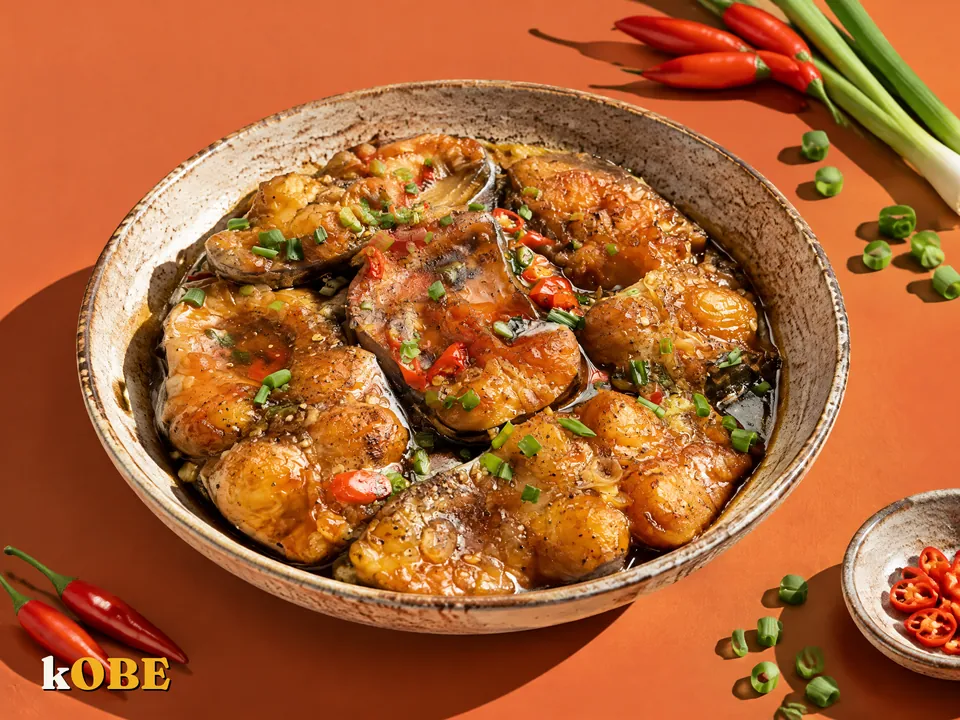
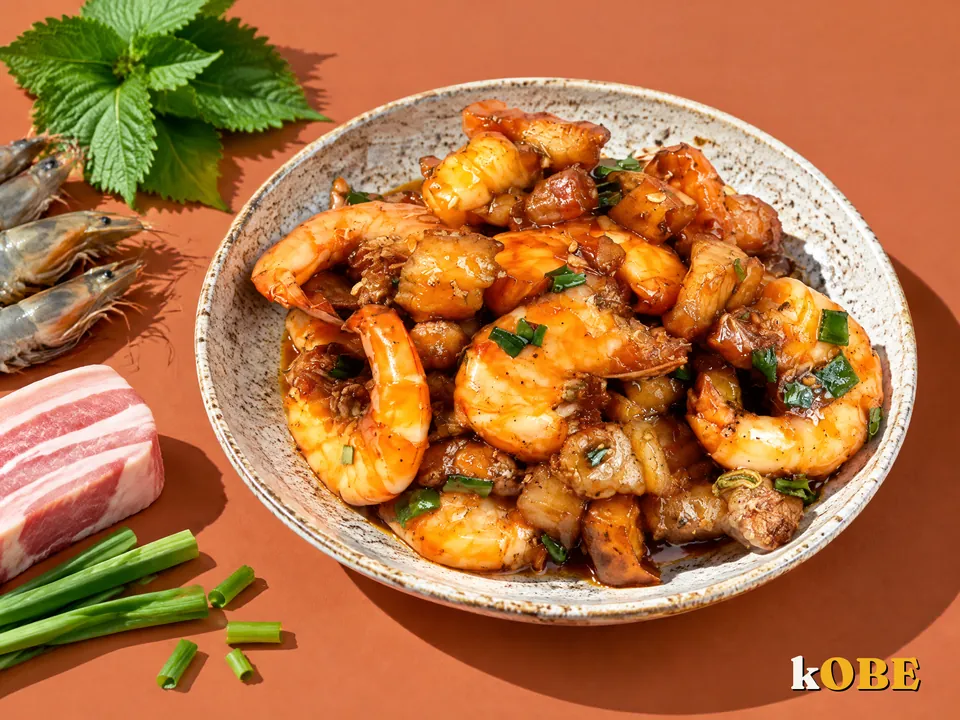
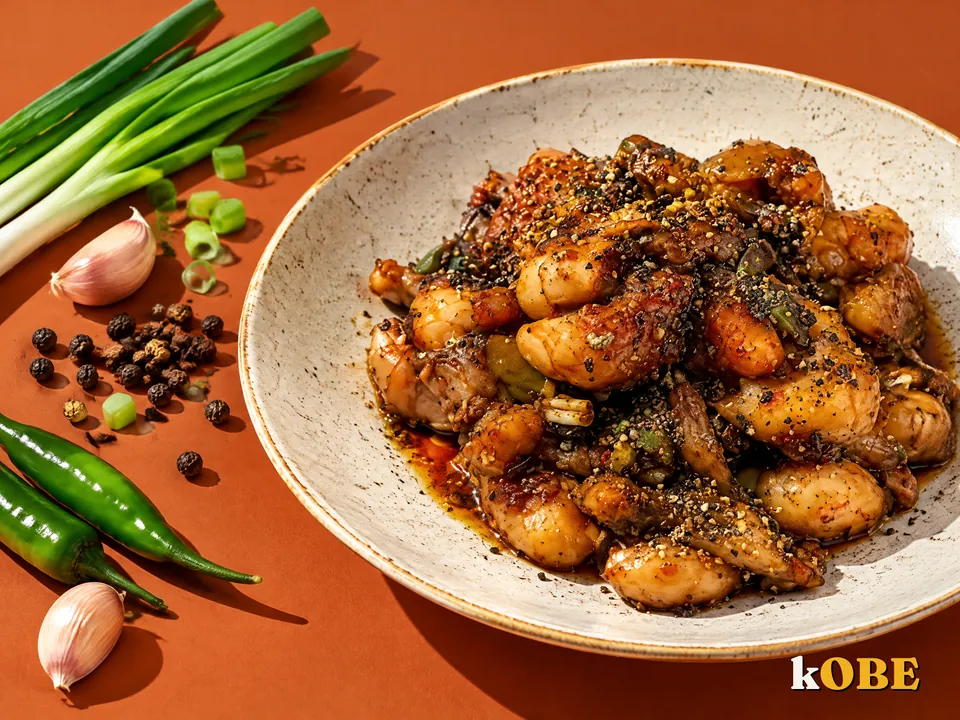
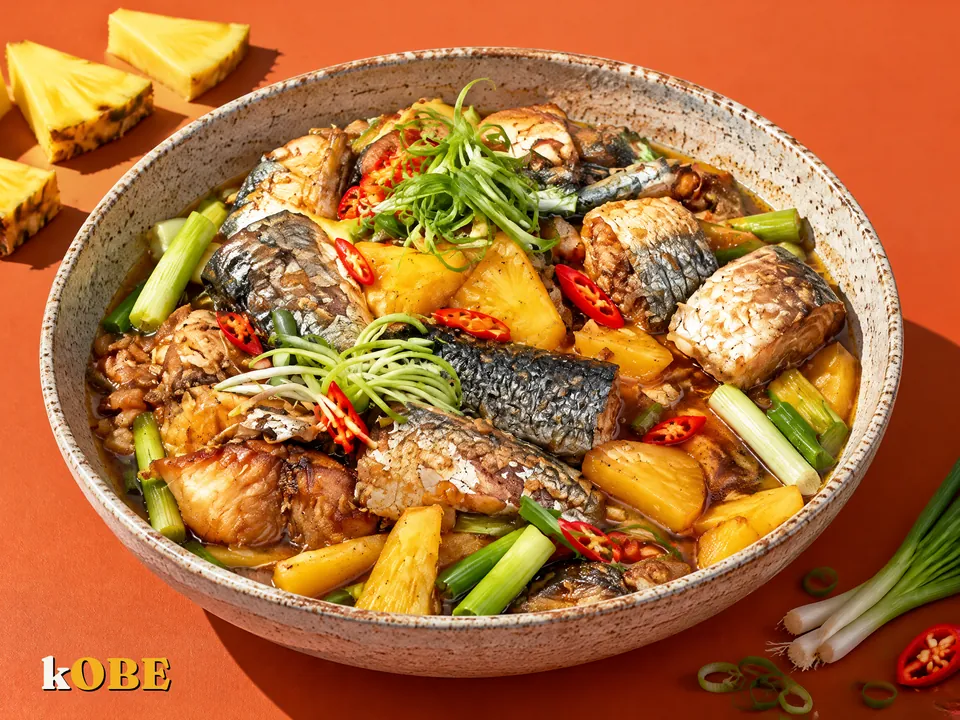
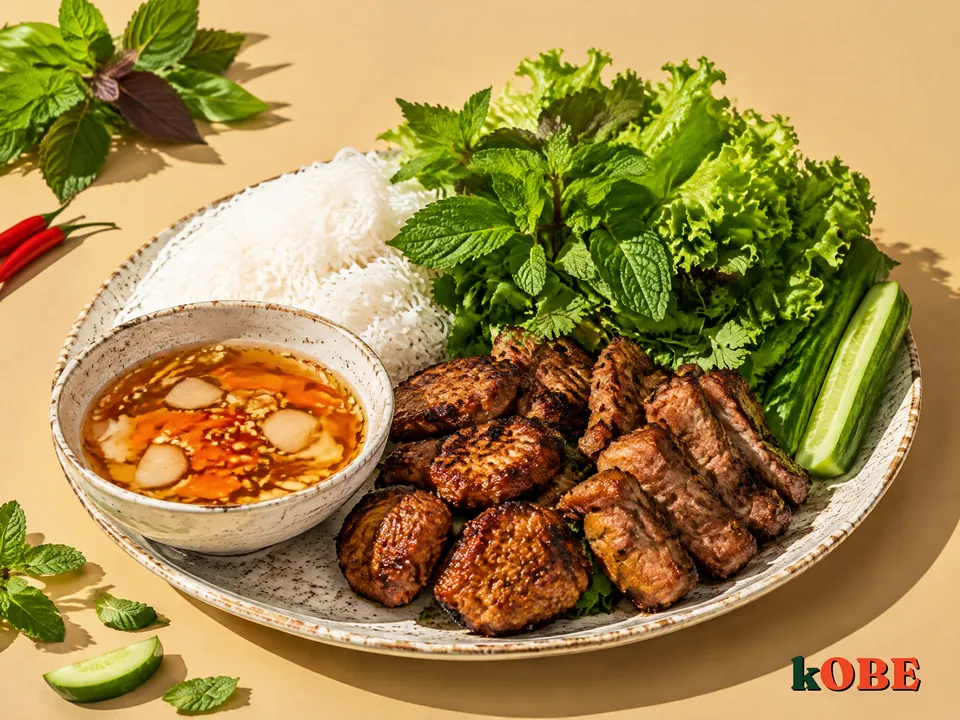
Add fish sauce at the end of cooking to keep its aroma, so you need less. Make dipping sauce lighter with lime, garlic, chili and a splash of water, then dip lightly instead of pouring. How much salt Vietnamese people eat, and how much hides in the dipping bowl, is covered in this article. In the kOBE recipe library, more than 300 dishes use fish sauce.
Frequently asked questions
Does fish sauce have protein?
Yes, 5.1g per 100g, but you only use a spoonful at a time. Treat it as a seasoning, not a protein source.
How can I enjoy fish sauce with less salt?
Dilute it with lime juice and water, add garlic and chili for punch, and dip rather than pour.
Related articles
Where does sugar hide in a Vietnamese meal? Dipping sauce, the braising pot and your bowl of phở →How much salt do Vietnamese people eat? Nearly double the WHO limit, and most of it is in the dipping bowl →Pickled greens, kimchi, soybean paste: the Vietnamese table is a museum of fermented foods →Sodium on the label vs salt: how to convert without getting it wrong →