Data source: USDA FoodData Central, SR Legacy, FDC 170567 (Nuts, almonds).
Fun facts
- The almond is the seed inside the fruit of a tree in the rose family, a close relative of peaches and apricots. The green outer hull is discarded and we eat only the seed.
- 100g of almonds has 579 kcal, 21.1g of protein, 12.5g of fiber and 269mg of calcium. Both fiber and calcium are higher than in walnuts, cashews or peanuts.
- California grows most of the world's almonds.
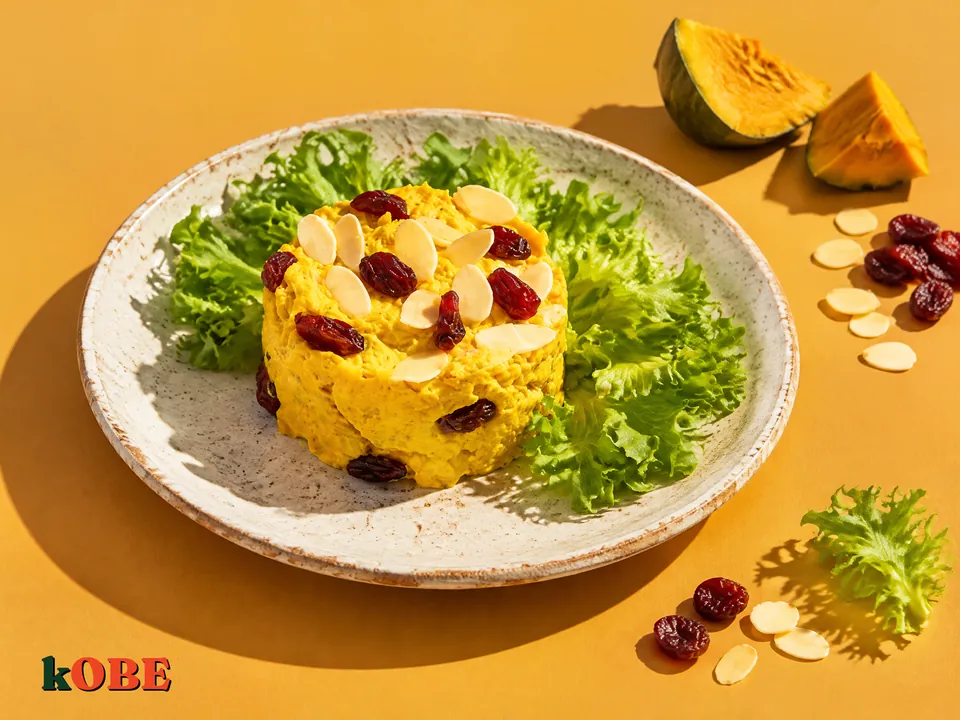
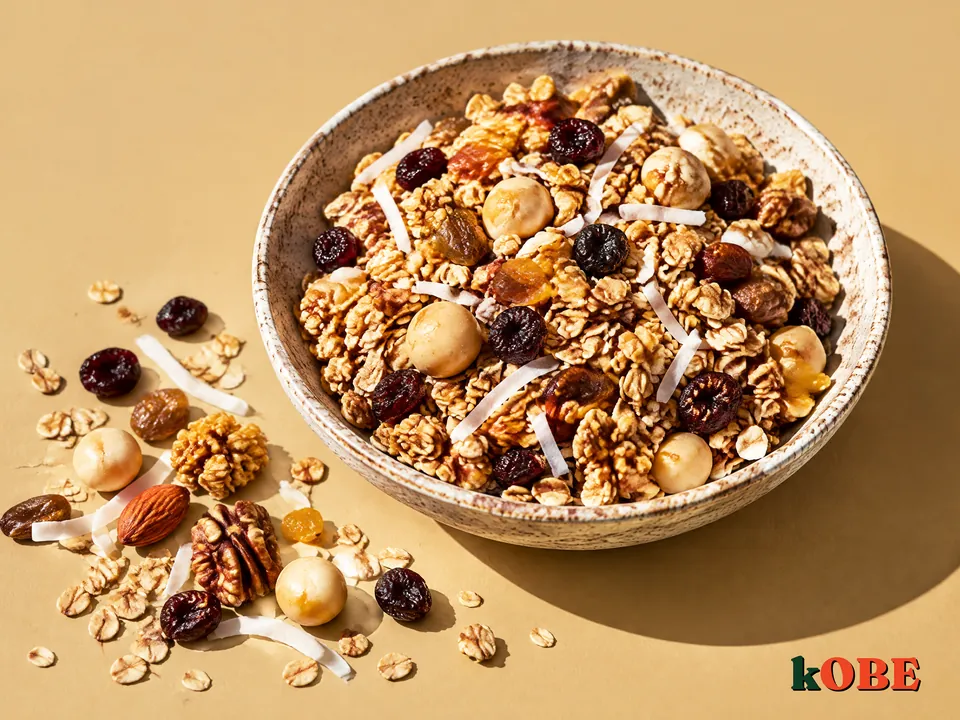
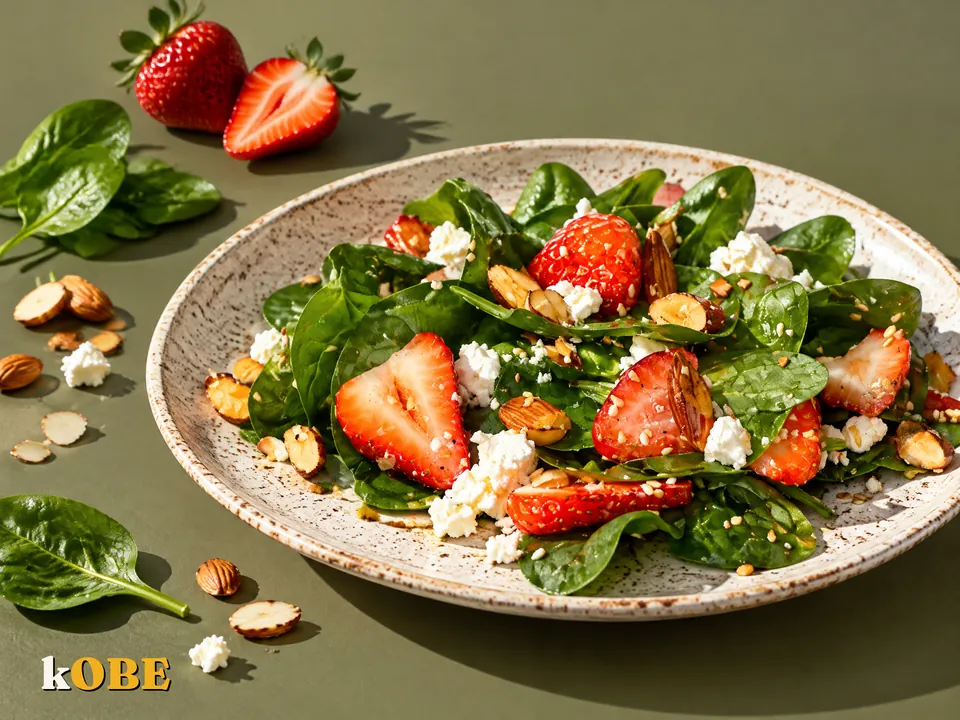
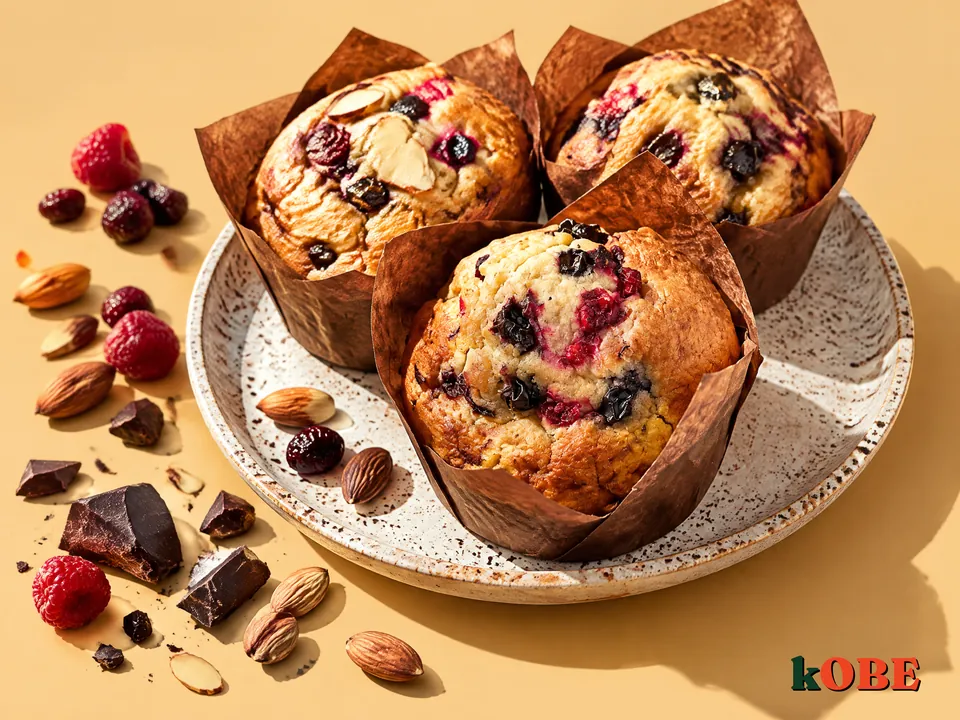
- Almond milk is almonds blended with lots of water and strained, so a glass of it contains fairly few almonds. Almonds appear in 27 kOBE recipes.
Choosing and storing
Choose whole almonds with an even brown skin, no cracks and no stale oil smell. Sliced almonds and almond flour go rancid faster than whole nuts, so seal them tightly and keep them in the fridge. Whole almonds keep for a few months in an airtight jar somewhere cool and dry.
Cooking it well
Toast over low heat or in the oven for a few minutes until fragrant, and watch closely because almonds go from golden to burnt very quickly. Swapping some of the wheat flour in a cake for almond flour makes it moister and more fragrant. Soaking almonds overnight makes them easier to peel and to blend into milk. If you are torn between almond, soy and oat milk, see Almond, soy or oat milk: which one?.