Data source: USDA FoodData Central, SR Legacy, FDC 167765 (Watermelon, raw).
Fun facts
- In Vietnam, watermelon comes with the legend of Mai An Tiem, said to have grown the first watermelons on a deserted island. At Tet, a red-fleshed melon stands for good luck.
- As sweet as it tastes, 100g of watermelon has just 6.2g of sugar and 30 kcal, because most of the fruit is water.
- Watermelon has a high glycemic index (GI), but since each slice carries little sugar, the glycemic load (GL) of a normal portion is low.
- The red flesh comes from lycopene, the same pigment as in tomatoes. 100g also gives 28µg of vitamin A.
Choosing and storing
Flip the melon to check its field spot: a deep creamy yellow patch means it ripened on the vine, a pale white one means it was picked early. A good melon feels heavy for its size, with a slightly dull rather than very shiny rind. Whole melons keep a week somewhere cool and airy. Once cut, cover the surface tightly, refrigerate and eat within three or four days.
Cooking it well
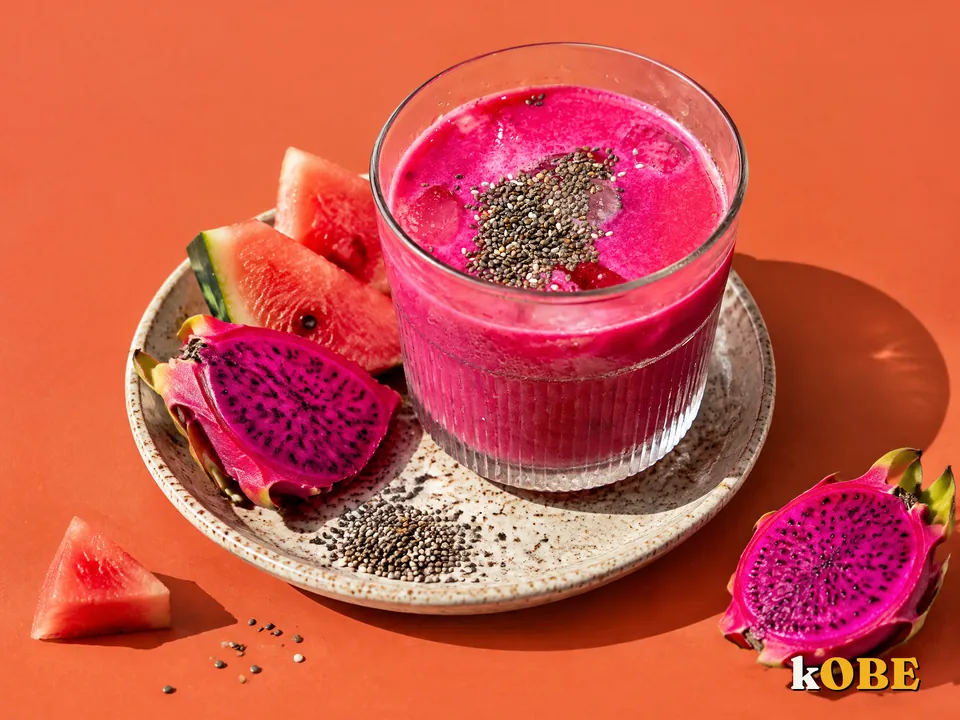
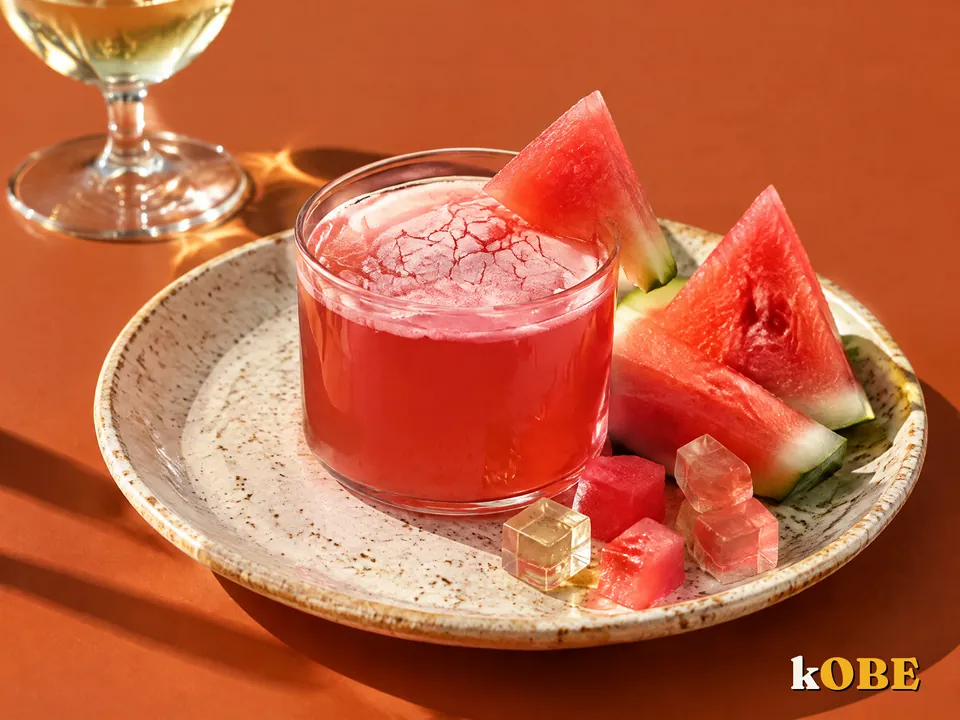
Watermelon is best cold, in bite-sized pieces. Juice is easier to overdo than slices, so if you want a drink, blend the whole flesh and skip the sugar. The white rind is edible too: shred it for salad, stir-fry it with garlic or pickle it. To see how GI can be high while GL stays low, read glycemic index and glycemic load.