Data source: USDA FoodData Central, SR Legacy, FDC 169108 (Passion-fruit, (granadilla), purple, raw).
Fun facts
- The name has nothing to do with romance. European missionaries thought the flower looked like symbols of the Passion of Christ, and named it accordingly.
- Seeds included, 100g of passion fruit pulp holds 10.4g of fiber, among the highest of all fruits. Most of it is in the crunchy seeds.
- Sour does not mean low sugar: 11.2g of sugar per 100g, close to 3 teaspoons. The acid simply masks the sweetness; the sugar is still there.
- Vietnam's Central Highlands grow a lot of purple passion fruit. People make it into juice, sauces, salads and fruit teas.
Choosing and storing
Choose fruit that feels heavy and sloshes when shaken. Slightly wrinkled skin usually means fully ripe, more fragrant and sweeter than a smooth, shiny one. Leave smooth fruit at room temperature for a few days, then refrigerate once the skin starts to wrinkle. The pulp can be scooped out and frozen in ice cube trays.
Cooking it well
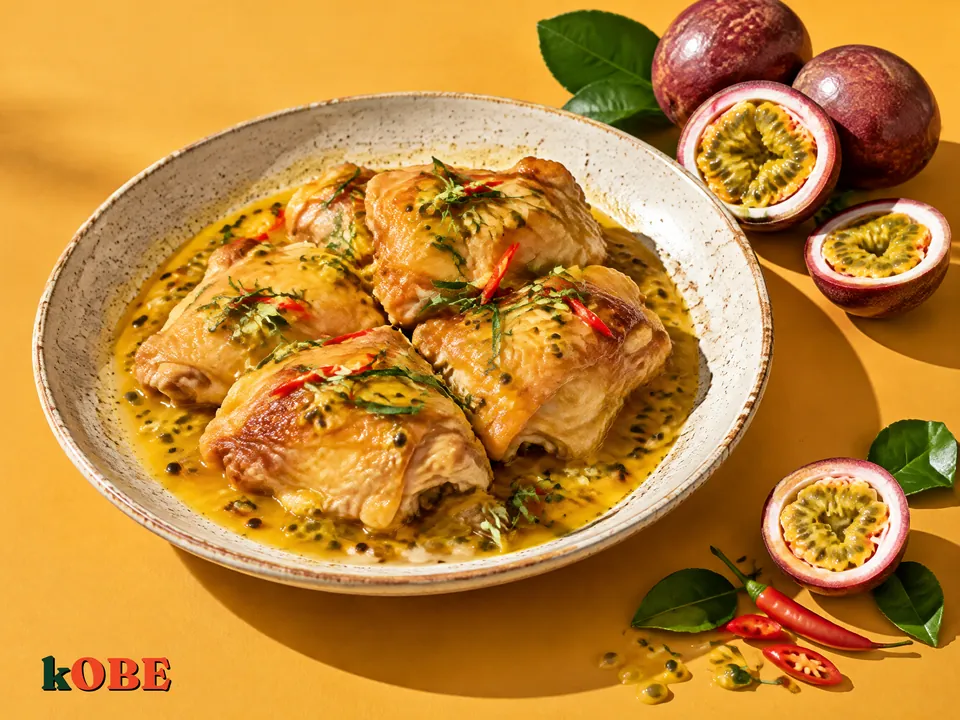
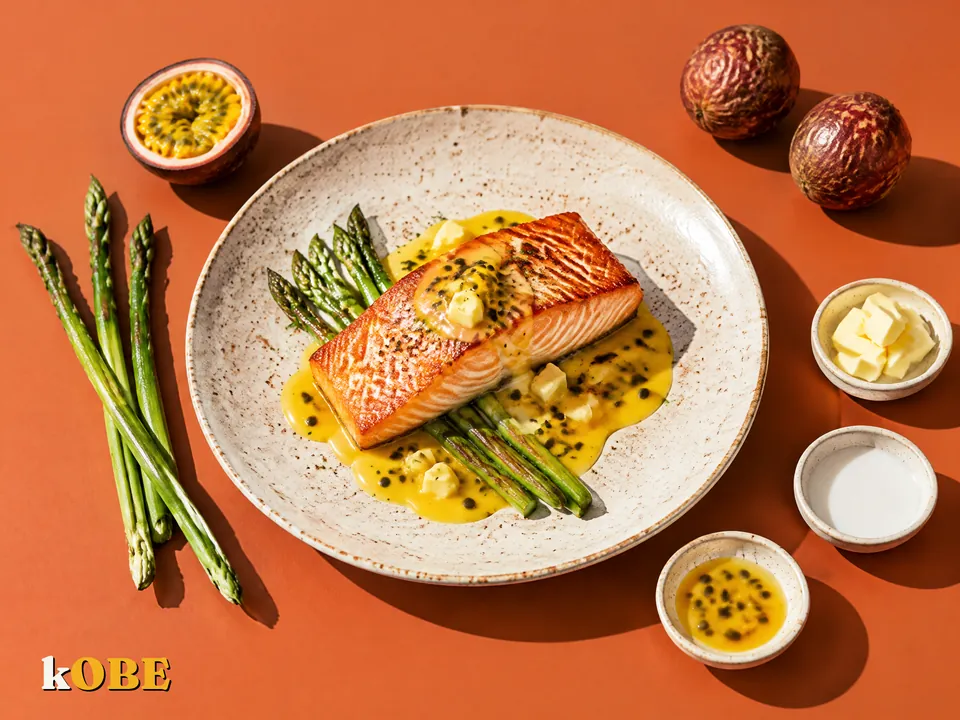
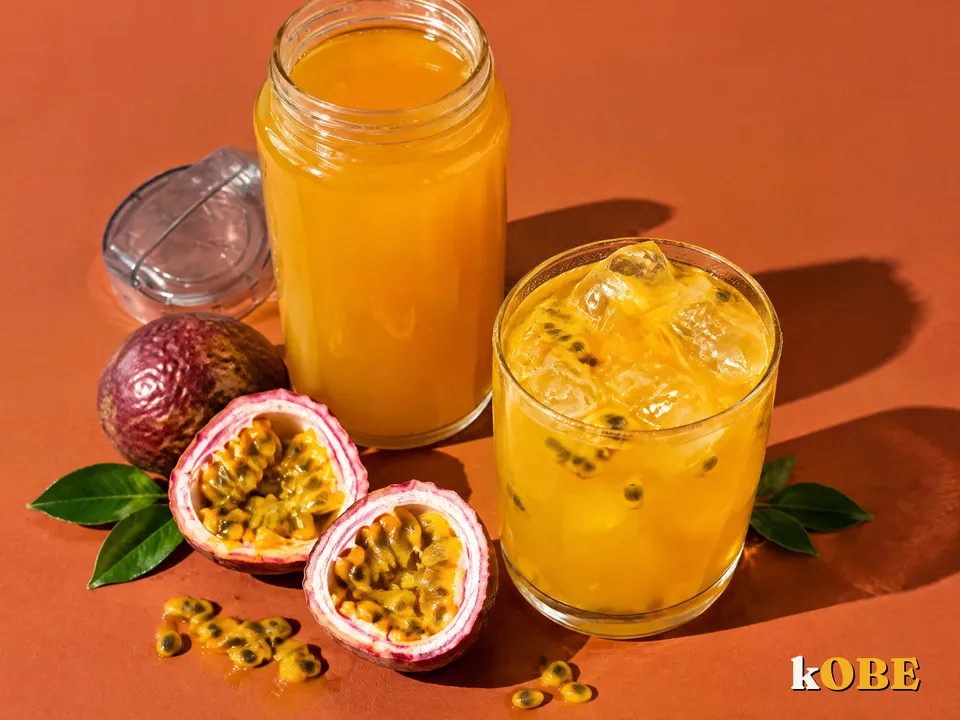
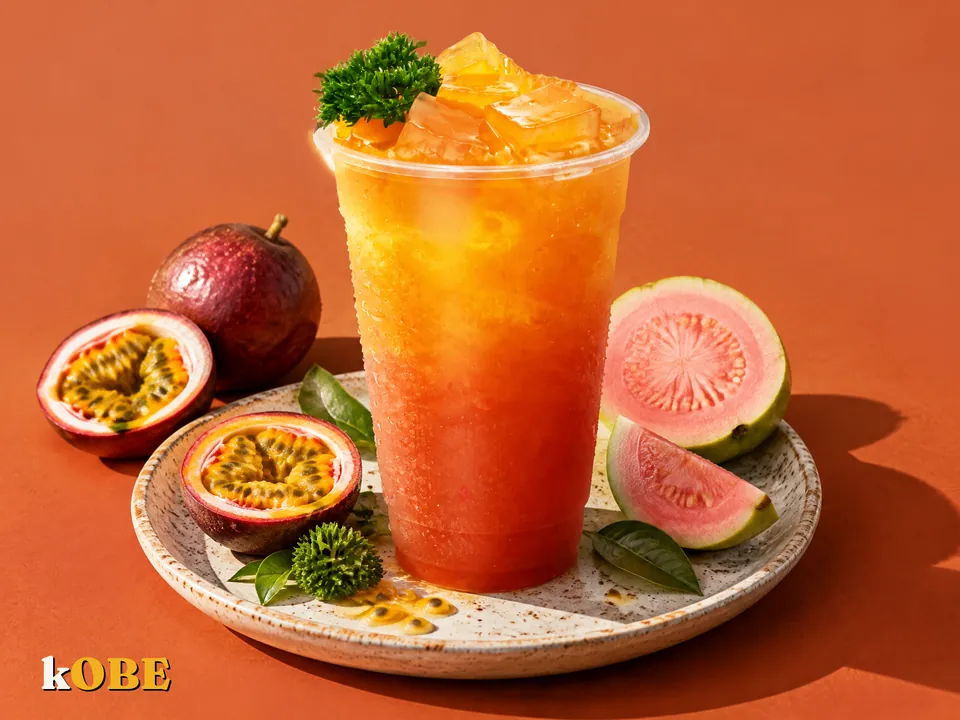
Eating the seeds keeps most of the fiber; straining them out for juice loses it. Passion fruit drinks from shops often add lots of sugar to tame the sourness, so at home, taste first and add a little at a time. Its tangy aroma makes a great dressing for salads or grilled dishes, where one spoonful is plenty. To see why sour fruit can still be sugary, read does fruit have too much sugar.