Data source: USDA FoodData Central, SR Legacy, FDC 169988 (Celery, raw).
Fun facts
- According to USDA, 100g of celery has only about 14 kcal and 1.6g of fiber. A 40g stalk is under 6 kcal, since most of it is water.
- Celery has about 80mg of sodium per 100g, more than most vegetables. That is why it has a naturally slightly salty taste and is often used as a base for stocks and soups.
- Celery is often called a "negative calorie" food. The truth is more interesting; read negative calorie foods.
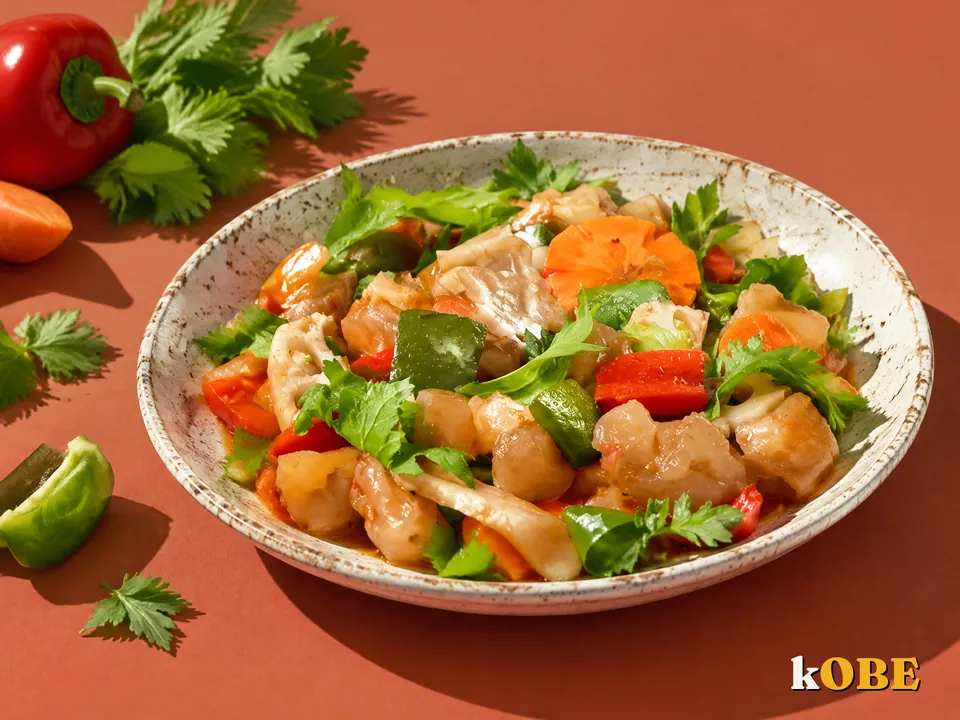
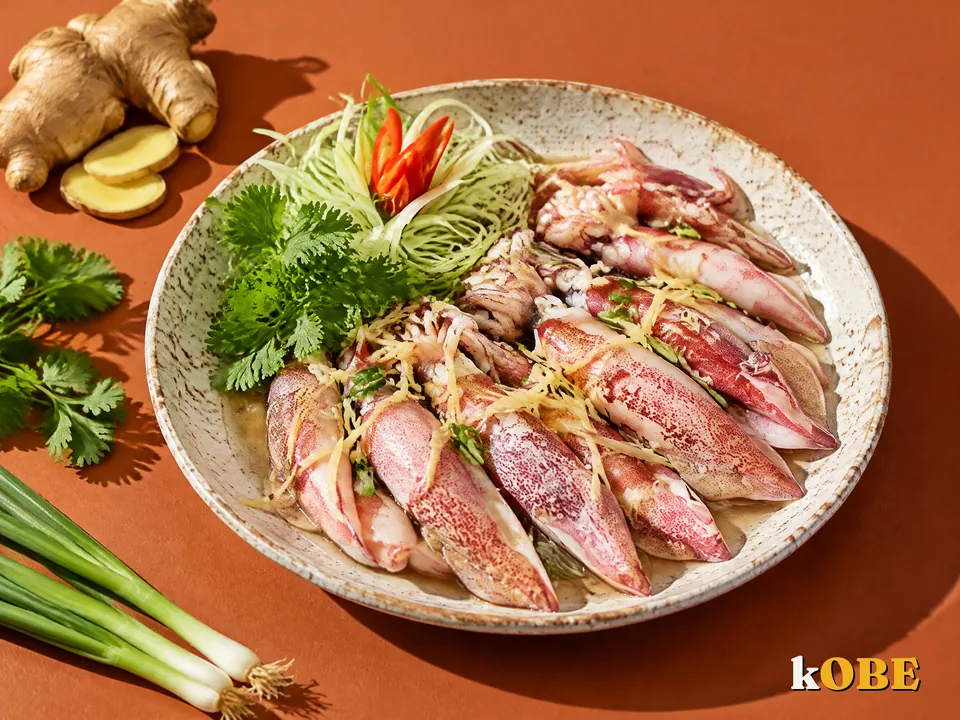
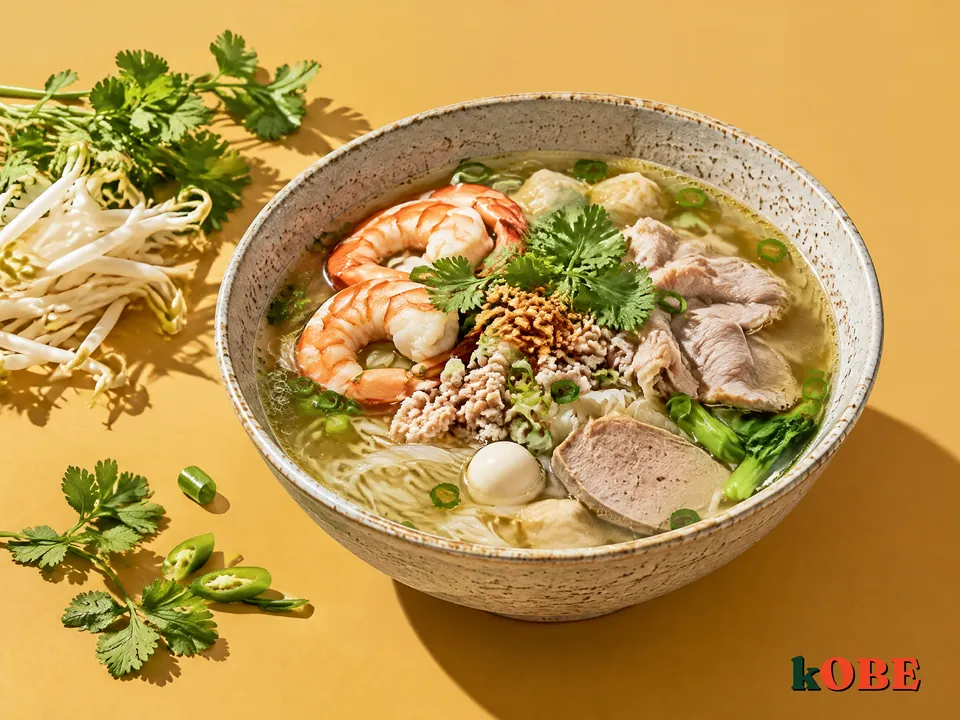
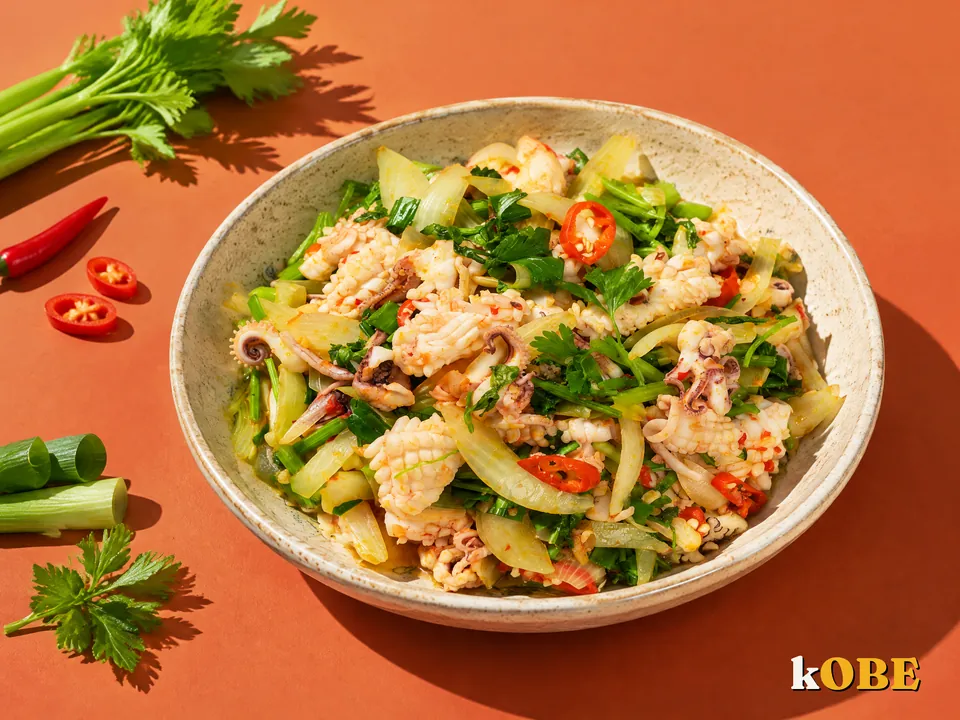
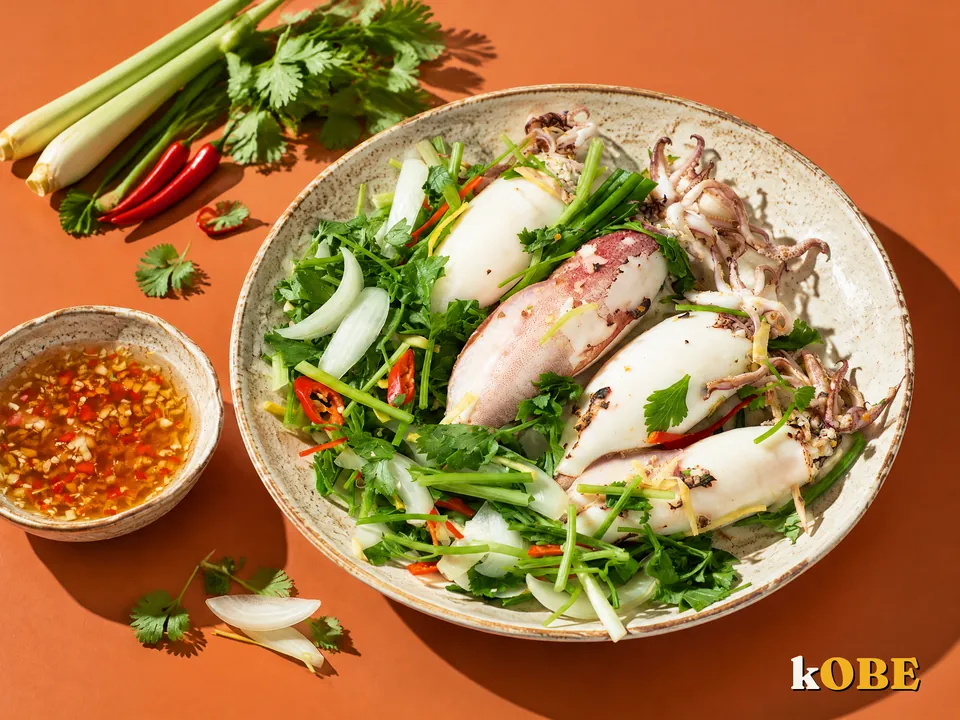
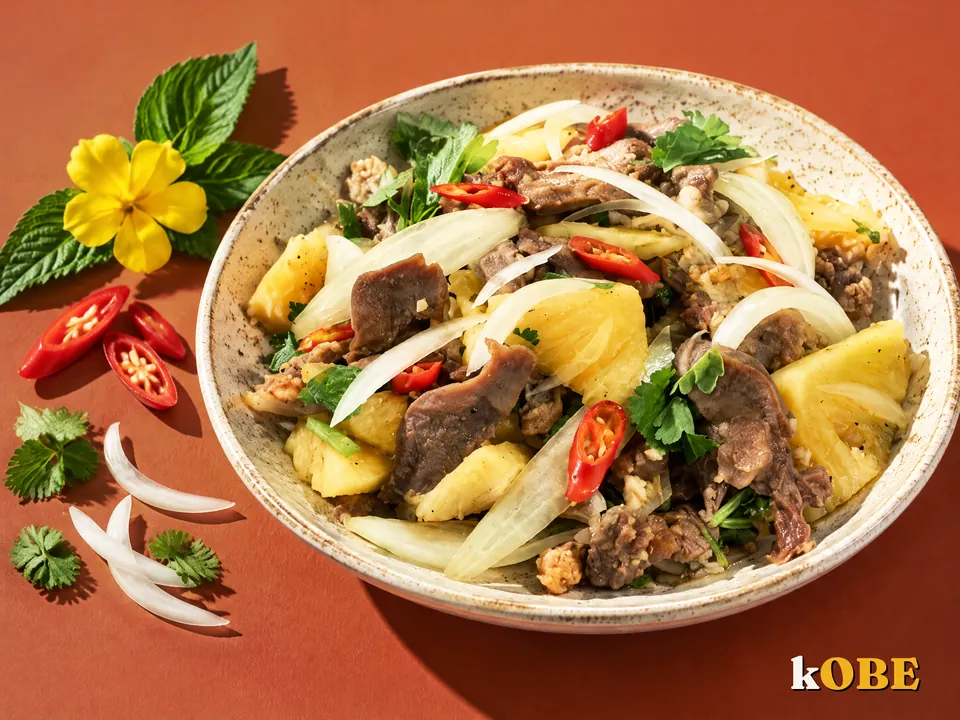
- Vietnamese cooks use celery in beef stir fry, squid stir fry, soups and hotpot. It appears in 23 kOBE recipes.
Choosing and storing
Choose celery with green, straight stalks that snap crisply when bent, and leaves that are not yellowing. Wrap it in foil or paper towel, put it in a bag in the fridge, and it can stay crisp for one to two weeks. If the stalks go limp, soak them in ice water for 20 to 30 minutes to crisp them up again.
Cooking it well
Stir fry celery over high heat for a short time so it stays green and crunchy. If older stalks are stringy, peel off the outer strings with a knife or peeler. Do not throw away the leaves: they are very aromatic, great in soups and stocks or chopped as a garnish. Strained celery juice leaves most of the fiber behind, so eating the stalks or blending them whole keeps more fiber.