Data source: USDA FoodData Central, SR Legacy, FDC 175167 (Fish, salmon, Atlantic, farmed, raw).
Fun facts
- Salmon's pink orange color comes from astaxanthin, a pigment wild salmon get from eating shrimp and tiny crustaceans. Farmed salmon get astaxanthin added to their feed for a similar color.
- 100g of raw farmed Atlantic salmon has about 208 kcal, 20.4g of protein and 13.4g of fat. Most of that fat is unsaturated, including the omega-3s EPA and DHA.
- Salmon is one of the few foods with natural vitamin D, and it has about 363mg of potassium per 100g.
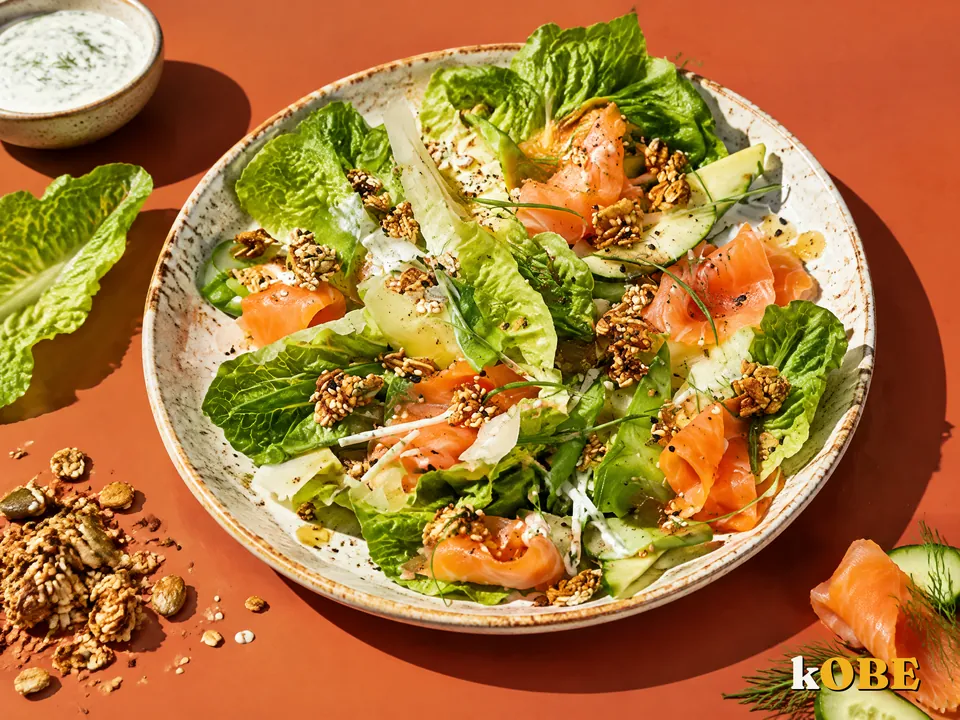
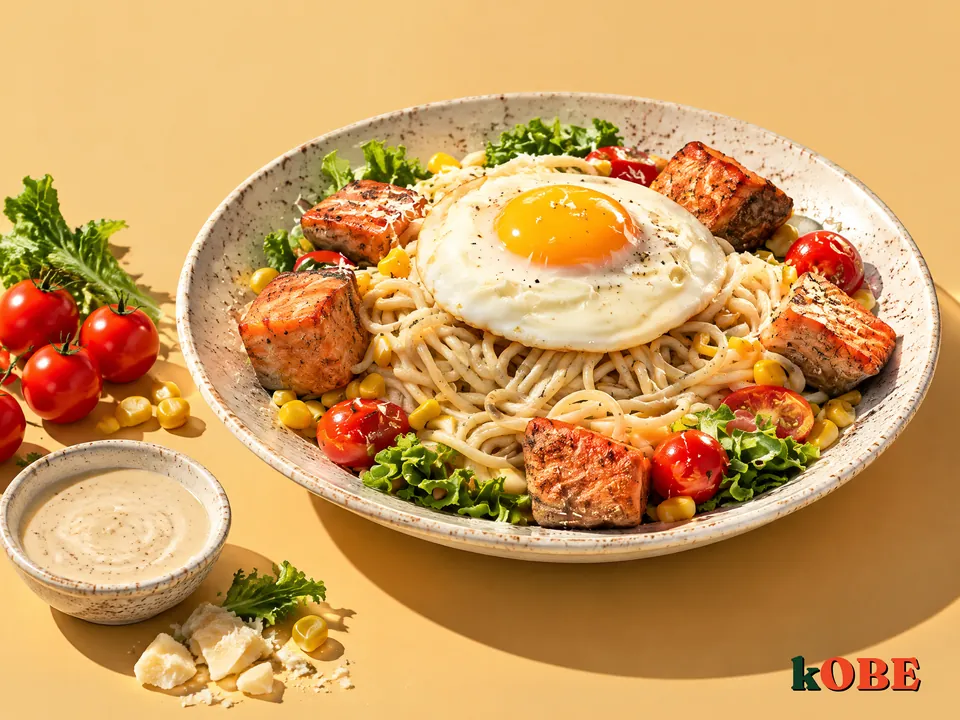
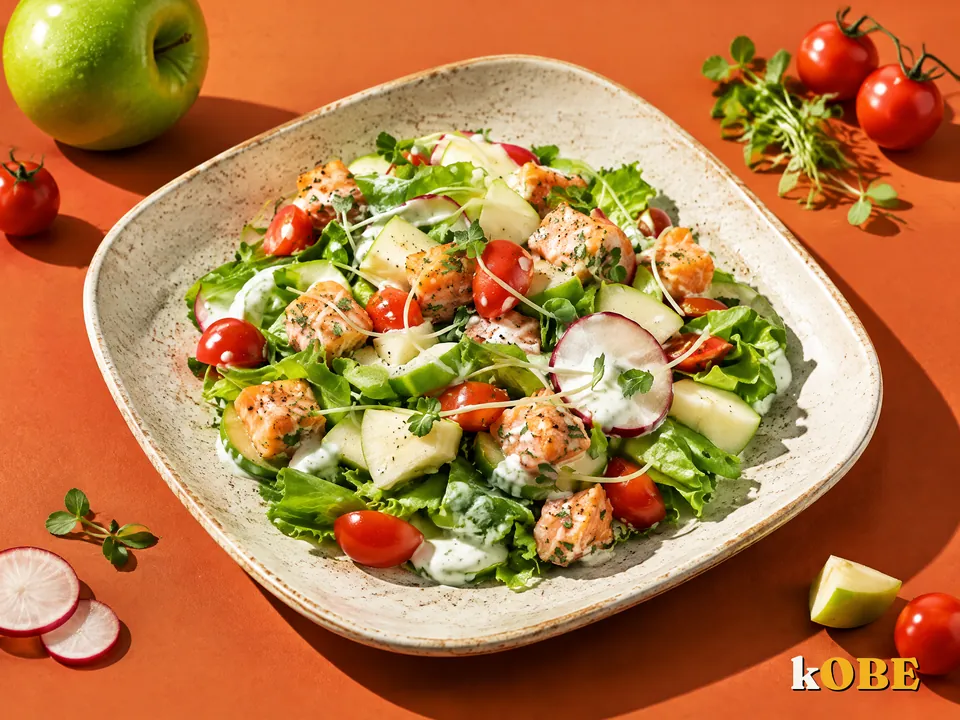
- The "Sa Pa salmon" farmed in the cold mountains of northern Vietnam is mostly rainbow trout, a relative of Atlantic salmon. Salmon appears in 16 recipes in the kOBE recipe bank.
Choosing and storing
Fresh salmon is firm, evenly orange, with clear white fat lines and a moist, glossy surface, never dry or leaking cloudy liquid. It should spring back when pressed and smell lightly of the sea, not strongly fishy. Keep fresh salmon in the fridge for 1 to 2 days, or freeze it for longer. If you want to eat it raw as sashimi, buy fish clearly labeled for raw eating from a trusted seller.
Cooking it well
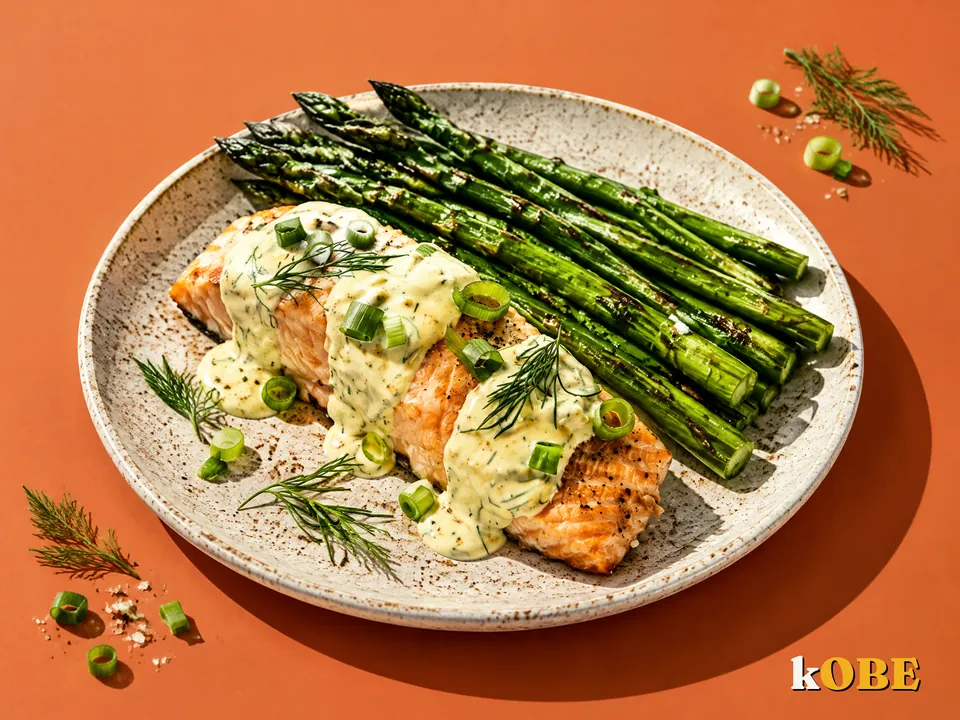
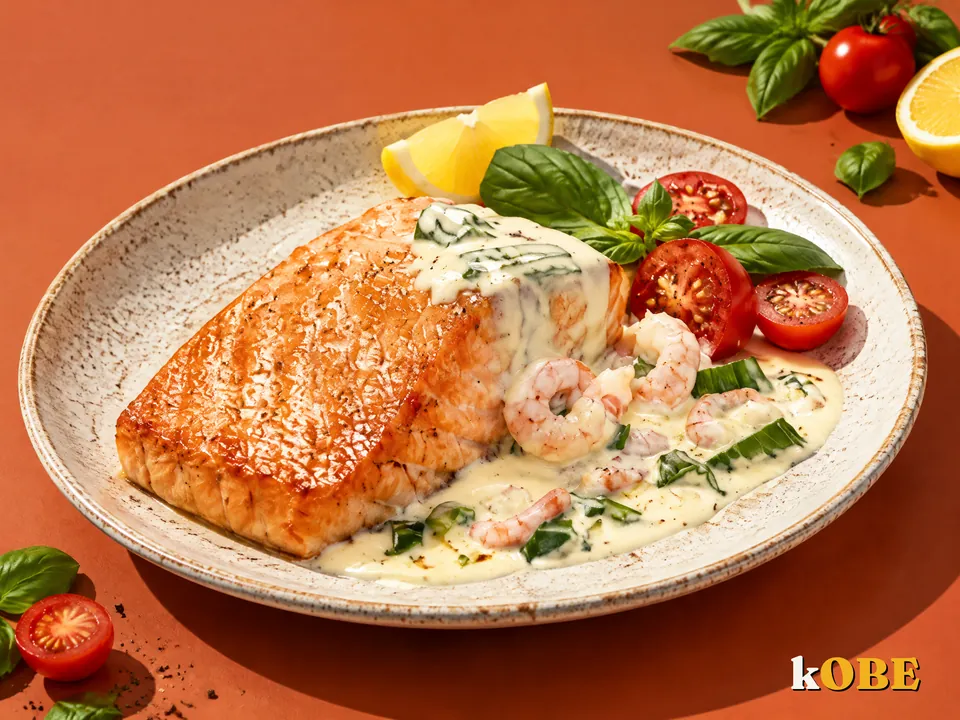
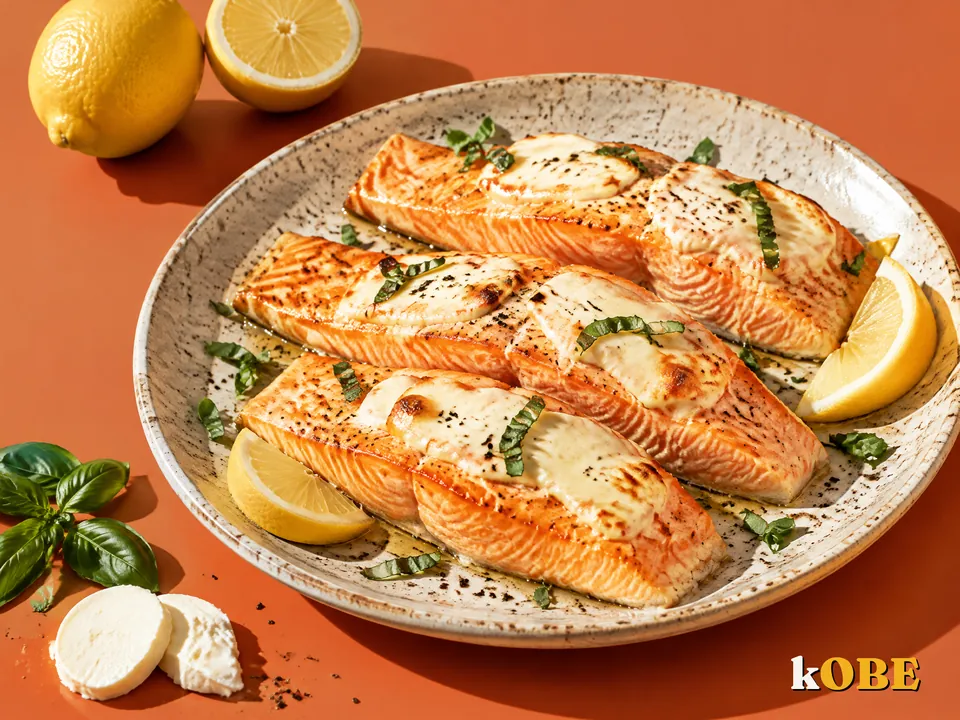
Salmon cooks quickly: sear it skin side down for 3 to 4 minutes, flip for another 1 to 2 minutes, and the center stays slightly pink and juicy. The fish already has its own fat, so you need very little oil. Baking in foil, steaming or a light braise all make a lighter dish than deep frying. To learn what omega-3 really is, read what are omega-3 and omega-6.