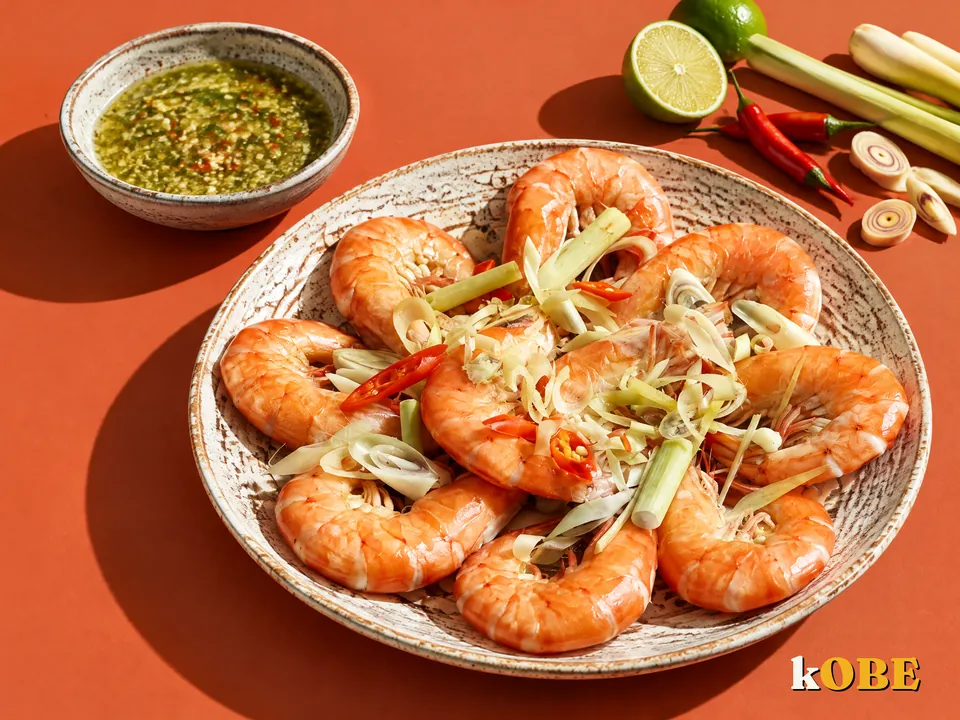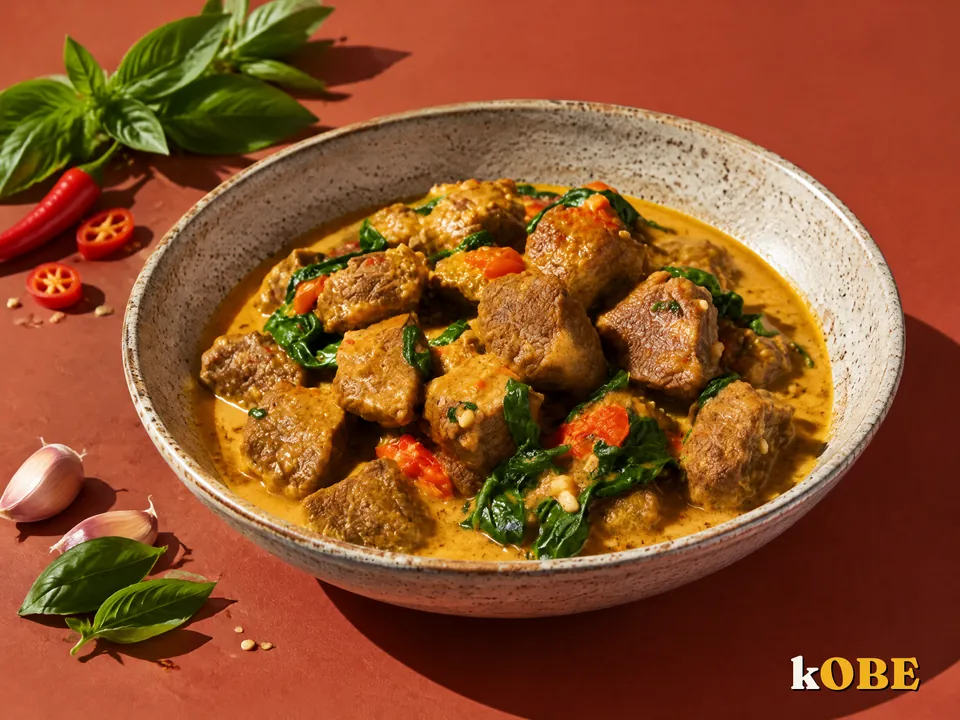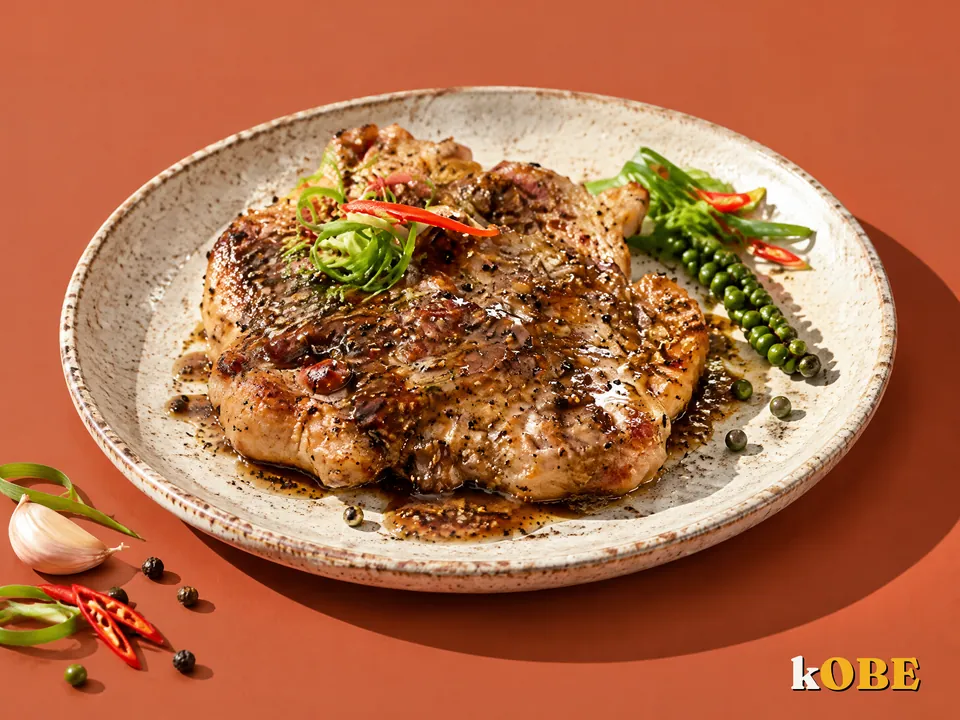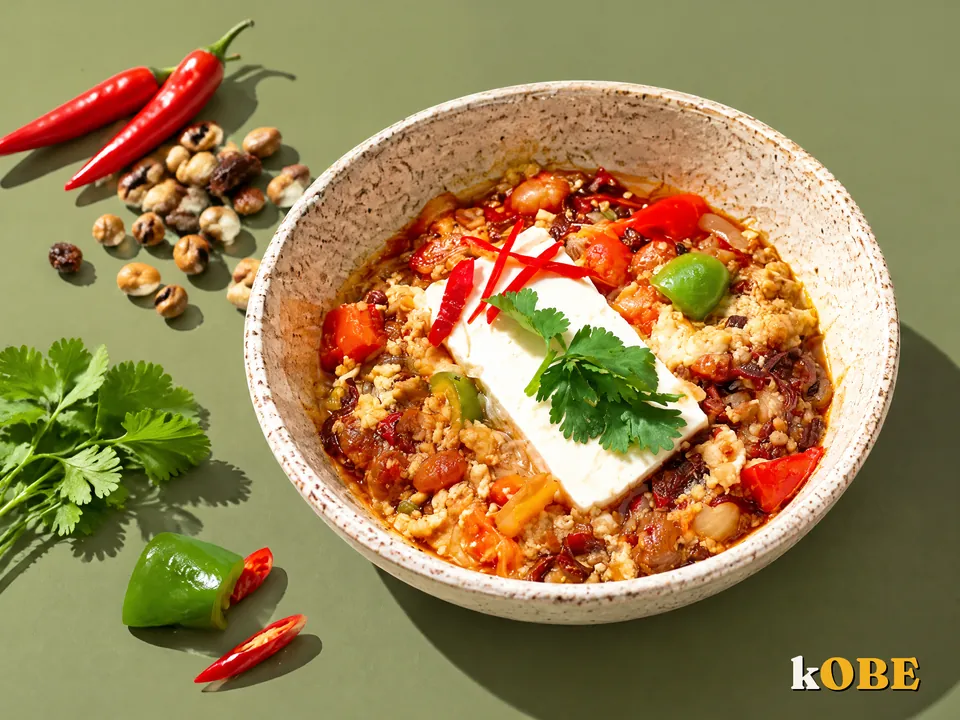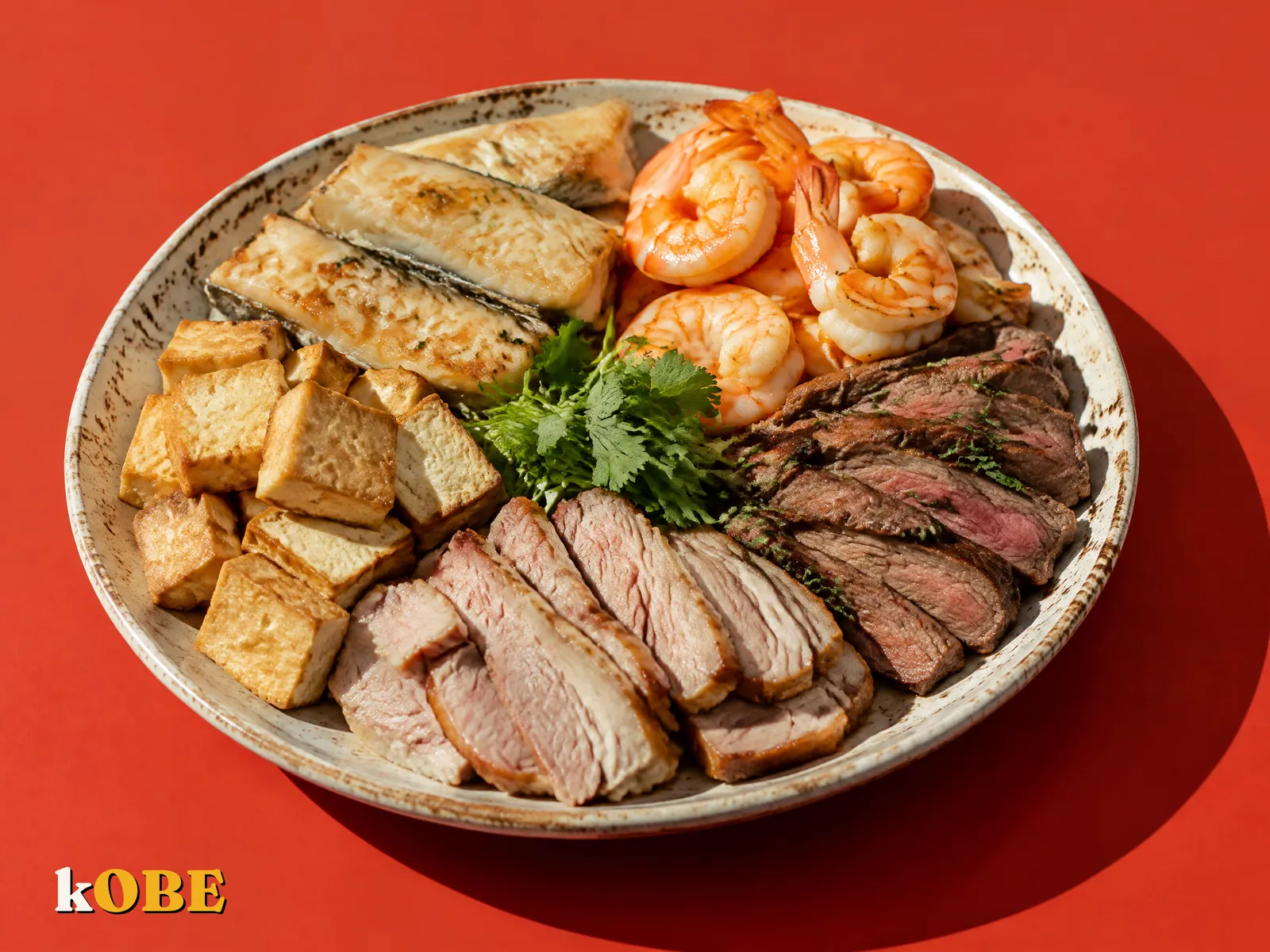
At the morning market, you stand in front of the meat stall, the fish stall and the tofu stall. Which has the most protein? Many people would point straight at the beef.
The answer is more interesting than that. Something as "gentle" looking as a shrimp turns out to be one of the most protein dense. Something that looks like pure meat, like pork belly, has far less protein than you'd think.
Here's the chart we put together, plus how to read it without getting the wrong idea.
In this article
Protein per 100g of edible portion, raw
Figures are rounded from the USDA database and the Vietnamese Food Composition Table. Real numbers vary with breed, farming method and cut.
| Food (100g, raw) | Protein, about | Calories, about |
|---|---|---|
| Skinless chicken breast | 22g | 120 kcal |
| Skinless chicken thigh | 20g | 120 kcal |
| Beef tenderloin, lean beef shank | 21g | 130 to 150 kcal |
| Pork loin (lean pork) | 21g | 120 kcal |
| Pork belly | 9g | 520 kcal |
| Shrimp | 20g | 85 to 105 kcal |
| Fresh tuna | 24g | 110 kcal |
| Farmed salmon | 20g | 210 kcal |
| White fish (snakehead, red tilapia) | 17 to 20g | 90 to 100 kcal |
| Squid | 16g | 90 kcal |
| Chicken egg (whole) | 12.6g | 143 kcal |
| Tofu | 8 to 11g | 75 to 95 kcal |
At a glance, most lean meat, fish and shrimp sit around 20g. The big differences are in the calorie column.
A fun yardstick: "protein density" per 100 calories
To see which foods "carry" protein efficiently, divide protein by calories. Let's call it protein density.
- Shrimp: about 20g of protein per 100 calories.
- Chicken breast: about 18g.
- Pork loin: about 17g.
- Tofu: about 11 to 12g.
- Salmon: about 10g.
- Eggs: about 9g.
- Pork belly: less than 2g.
Shrimp and pork belly differ by more than 10 times. The reason is that pork belly has a lot of fat. Fat has plenty of calories but no protein.
What about salmon? Its protein density is lower than shrimp because it contains more fat. But that fat includes omega-3. Protein density is just one angle, not a ranking of "good" or "bad" foods.
Raw and cooked: two numbers, one piece of meat
The chart above uses raw figures. When you cook meat, it loses water and gets lighter. The protein stays put, so per 100g cooked, the number goes up.
Take chicken breast: 22g of protein raw, about 31g once grilled. Shrimp, fish and beef work the same way, depending on how much water they lose.
The golden rule: weigh it raw, use raw numbers; weigh it cooked, use cooked numbers. The article How much protein is in 100g of chicken breast explains in detail.
How do Vietnamese cooking methods change the numbers?
Vietnamese dishes rarely serve meat plain. Cooking methods change the calorie column much more than the protein column:
- Steaming, boiling, grilling: mostly just lose water. Protein and calories per piece stay about the same.
- Breaded or battered frying: the batter and oil add significant calories, while protein barely rises.
- Kho and rim (braising and simmering in sauce): add fish sauce, sugar and oil. Keep an eye on the salt.
- Soups: a small portion of nutrients dissolves into the broth. Sip the broth and you get that back.
Market tip: if you want lots of protein without feeling heavy, choose lean cuts and steam, boil or grill them. Pork belly is still delicious; just think of it more as a "flavor booster" than a main protein source.
Where does tofu stand?
Tofu has less protein than meat per 100g, about 8 to 11g depending on the type. Soft silken tofu holds more water, while fried tofu or firm pressed tofu is more protein dense.
On the other hand, tofu is very light in calories and one of the few plant proteins with all 9 essential amino acids. Two blocks of tofu come close to a small portion of meat in protein.
To learn more about plant protein, read How to get enough protein as a vegetarian.
Inside the kOBE kitchen
If the chart above shows raw numbers, here are some cooked numbers from the kOBE kitchen:
- Sous Vide Chicken Breast: 31g of protein, 165 kcal and 3.6g of fat per 100g of cooked meat.
- Sauced sous vide chicken (bone-in leg quarters): about 25g of protein, 11g of fat and 210 kcal per 100g, estimated.
- Edamame: 11.9g of protein, 121 kcal per 100g.
- Chickpeas: 8.9g of protein, 164 kcal per 100g.
Notice the breast versus the thigh: thigh has more fat, so its protein density is a little lower, but it's more tender and full-flavored. Which one you pick is up to your taste and your meal.
Frequently asked questions
Does beef have more protein than chicken?
How much protein is in dried shrimp?
Is basa fish high in protein?
Keep reading
Sources
- USDA FoodData Central, SR Legacy: chicken breast, chicken thigh, beef tenderloin, pork loin, pork belly, shrimp, yellowfin tuna, farmed salmon, tilapia, squid, chicken egg, tofu (raw).
- National Institute of Nutrition (Vietnam). Vietnamese Food Composition Table.
- National Institute of Nutrition (Vietnam) (2016). Recommended Dietary Allowances for Vietnamese People.
- Further reading: Understanding Nutrition 16th ed., chapter 6; Culinary Nutrition, sections on meat, fish and cooking methods.