Data source: USDA FoodData Central, SR Legacy, FDC 169714 (Rice flour, white, unenriched).
Fun facts
- Rice flour is simply regular rice ground fine. In the old days, people soaked rice and ground it with water into a wet batter; today, dry packaged rice flour makes life much easier.
- 100g of dry rice flour gives about 366 kcal, 80.1g of carbs and 6g of protein, almost identical to the white rice it is made from.
- Rice flour has no gluten, so it cannot stretch or trap air like wheat flour. In return, it gives crisp fried coatings and silky steamed cakes.
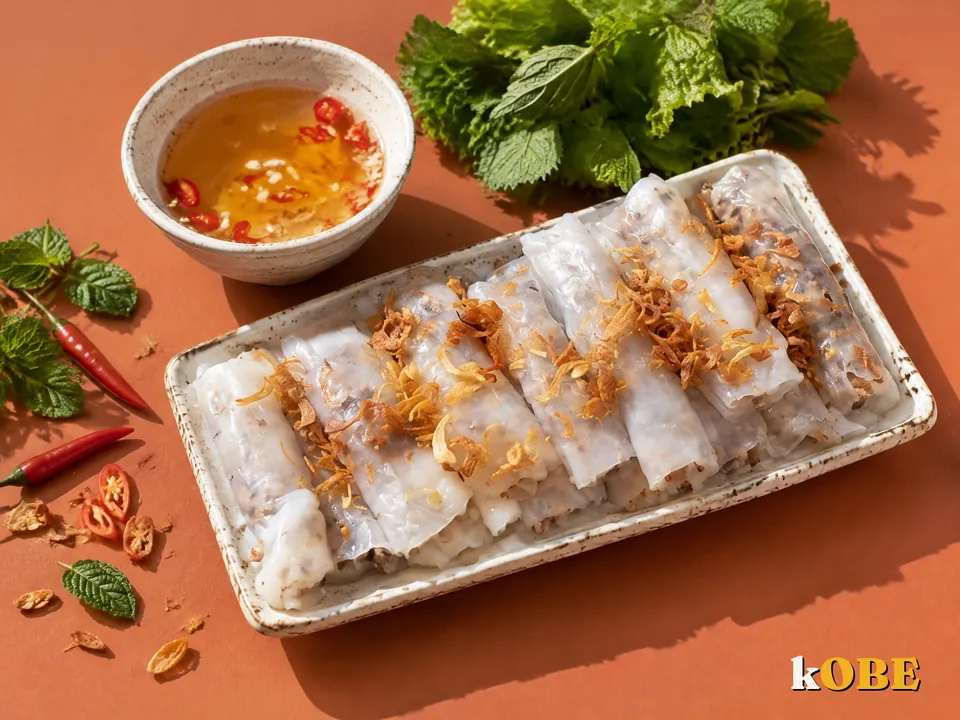
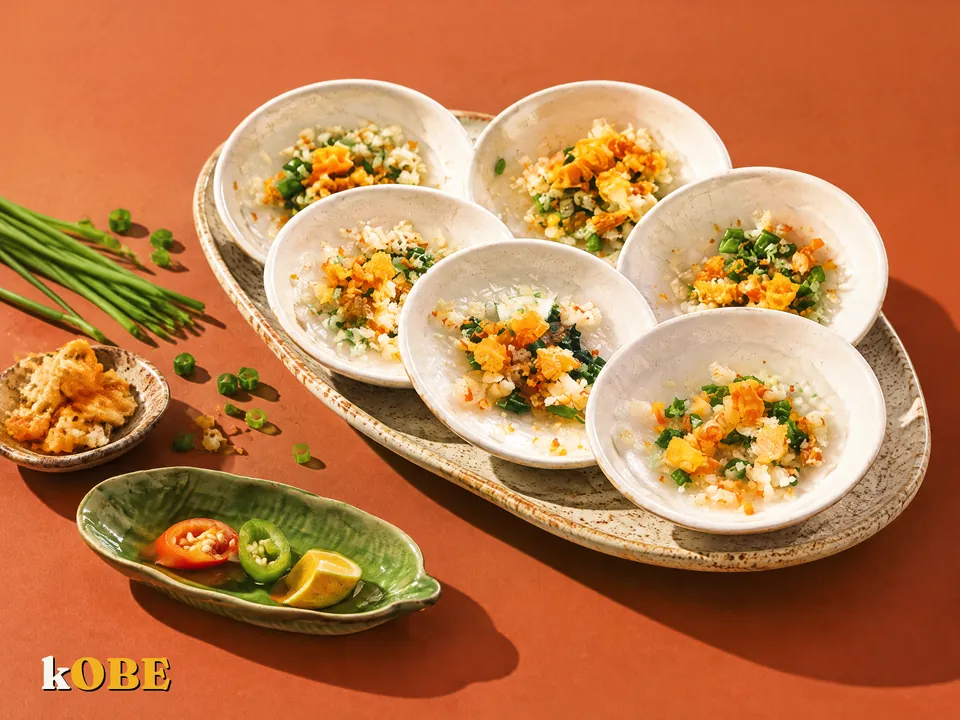
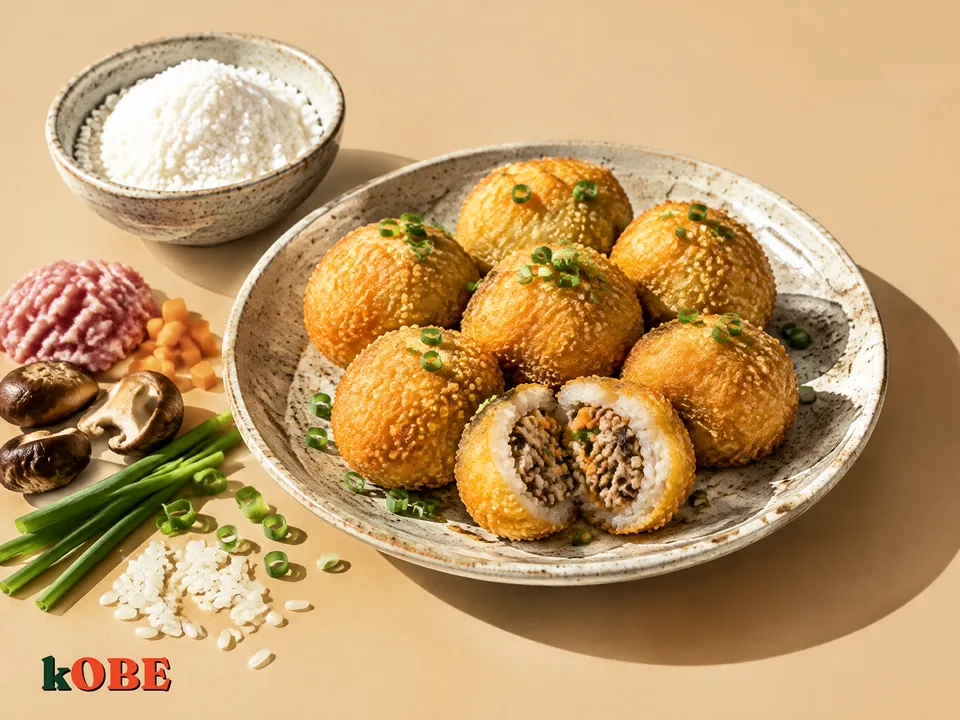
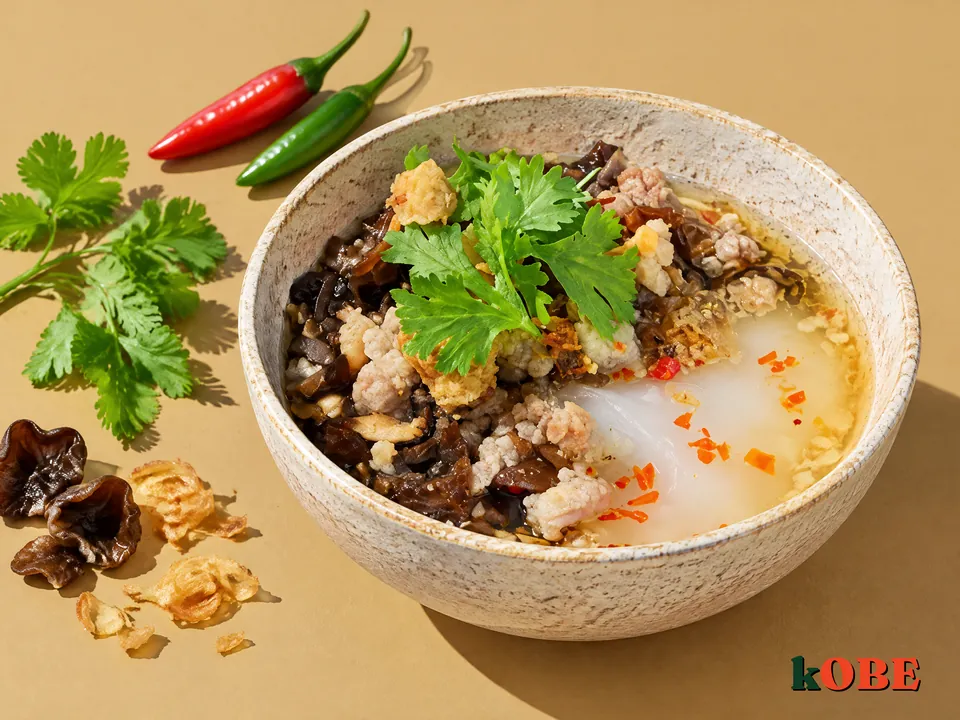
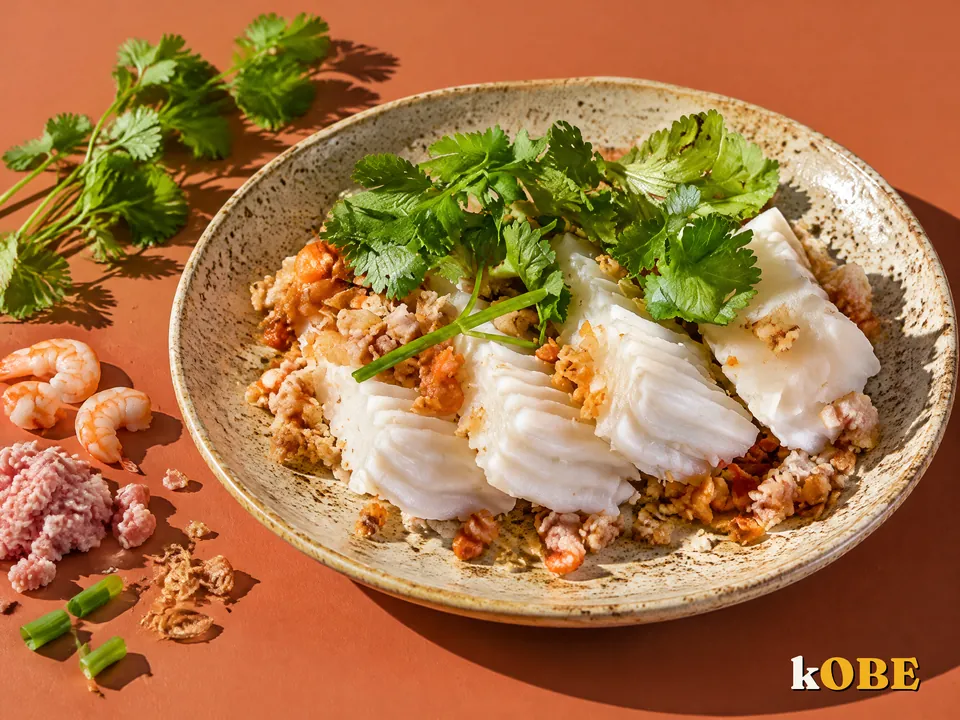
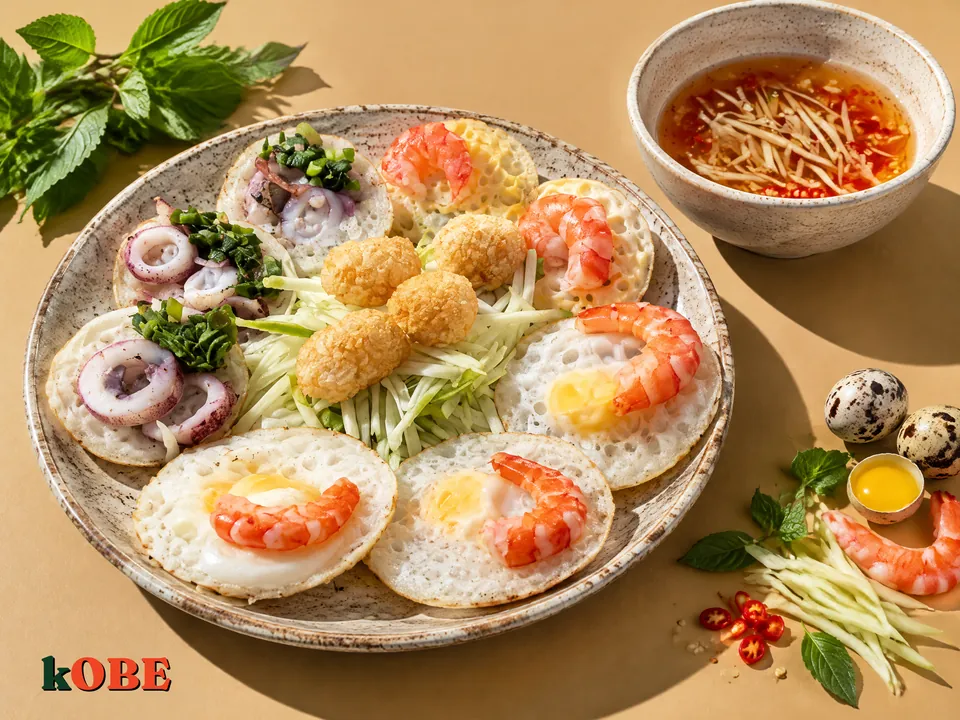
- A whole family of Vietnamese dishes revolves around rice flour: banh xeo, banh khot, banh cuon, banh beo, banh duc and banh can.
Choosing and storing
Choose white, fine, dry, free-flowing flour with no lumps and no sour or musty smell. Read the label to tell regular rice flour from glutinous rice flour, since the two behave very differently. After opening, fold the bag tight or move the flour to a sealed container somewhere cool and dry. Fresh wet batter you grind yourself is best used the same day or kept in the fridge.
Cooking it well
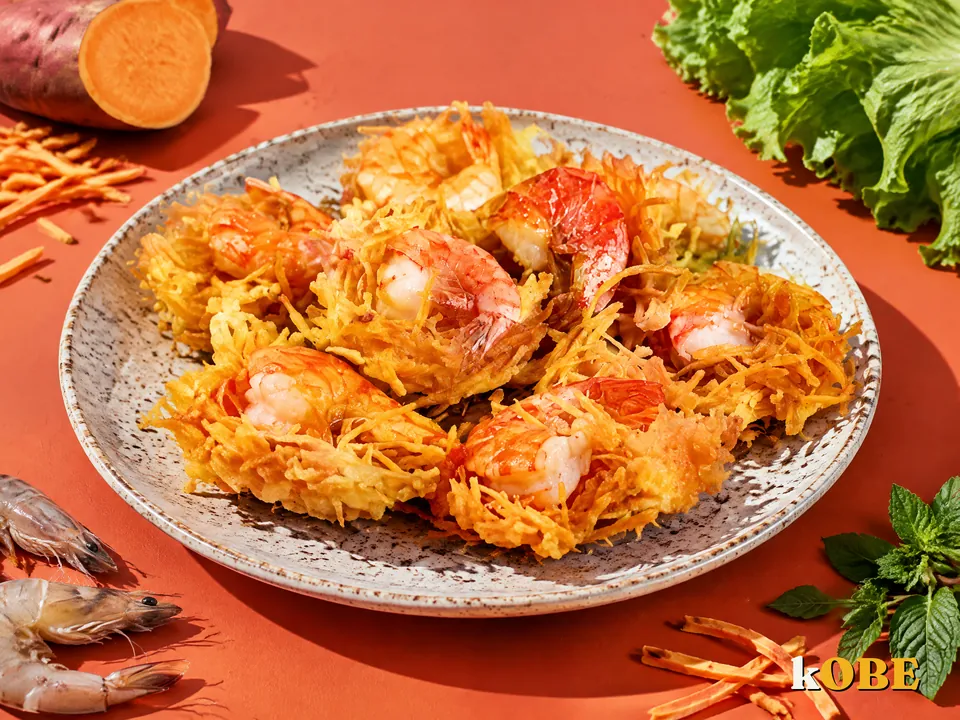
Thin the batter and let it rest a while so the flour absorbs water, and your crepes will be smoother. For banh xeo that stays crisp, many cooks add a little tapioca starch and pour onto a very hot pan. For a chewier result, as in banh cuon, tapioca starch is usually mixed in too. Rice flour also makes a light, crisp coating for vegetables, shrimp and fish. We look at starch in noodle soups in how many carbs in pho noodles.