Per 100g
31kcalCalories
1.4gProtein
0.2gFat
7.4gCarbs
2.1gFiber
3.8gSugars
27mgSodium
243mgPotassium
45mgCalcium
0.8mgIron
57mgVitamin C
56µgVitamin A
Data source: USDA FoodData Central, SR Legacy, FDC 169977 (Cabbage, red, raw).
Fun facts
- Red cabbage gets its color from anthocyanin, a pigment that changes with acidity. Vinegar or lime turns it pinkish red, while baking soda turns it blue. Many classrooms use red cabbage water as homemade litmus paper.
- 100g of red cabbage has about 31 kcal, as light as a few apple slices.
- Red cabbage has 57mg of vitamin C per 100g, more than green cabbage, along with 2.1g of fiber and 243mg of potassium.
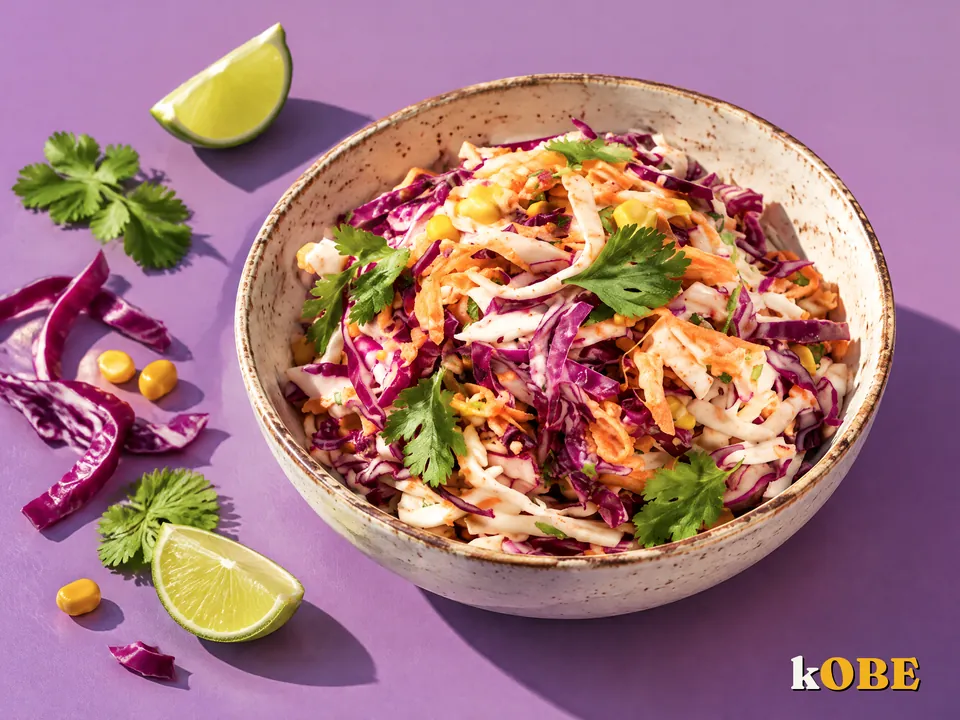
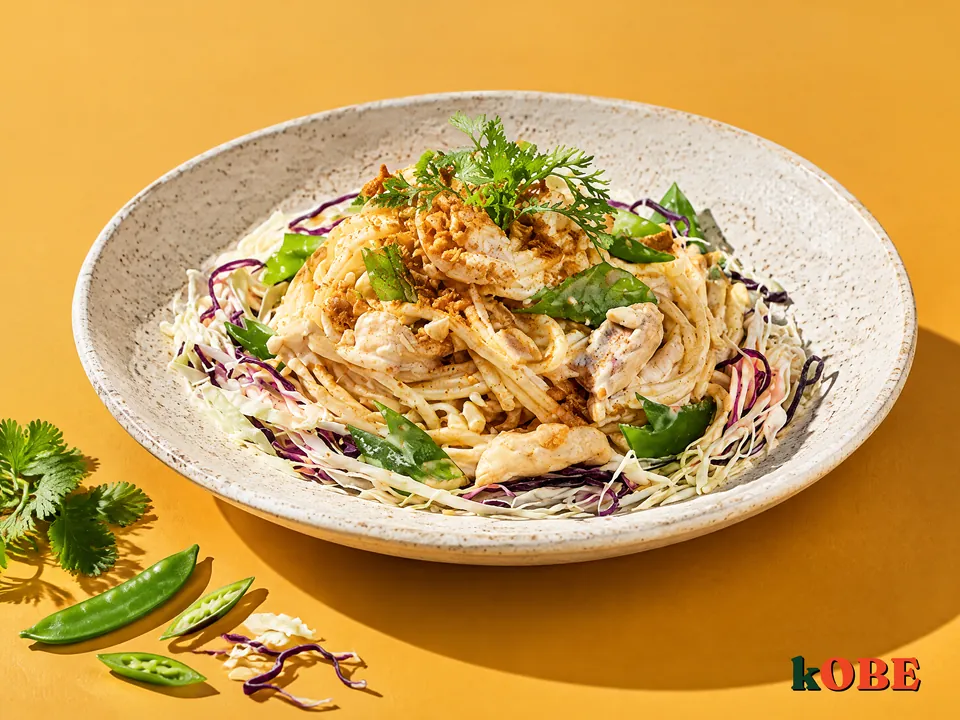
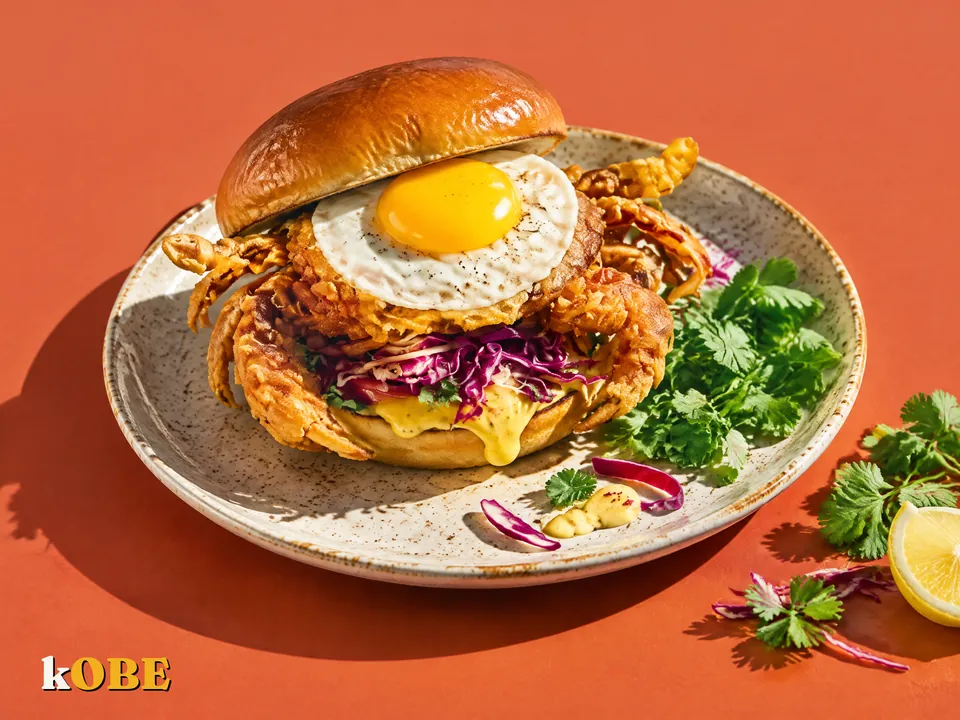
- In Vietnam, red cabbage mostly shows up in salads, pickles and mixed rice bowls to add color to the plate. In the kOBE recipe library, red cabbage appears in 10 dishes.
Choosing and storing
Choose a firm, heavy head with glossy, deep purple leaves that are tightly packed. A whole head in a bag in the crisper drawer keeps for about one to two weeks. Wrap any cut part tightly and use it soon. The purple juice stains boards and hands easily, so a plastic cutting board makes cleanup simpler.
Cooking it well
Red cabbage is at its finest raw, sliced very thin and tossed with a little vinegar or lime to keep its bright red-purple color and its vitamin C. If you cook it, a splash of vinegar stops it from turning grayish blue. Short cooking also keeps more vitamin C, see does cooking destroy vitamin C.
Frequently asked questions
Why does red cabbage turn blue when cooked?
Slightly alkaline water or ingredients make the anthocyanin change color. Add a little vinegar or lime and it goes back to purple red.
How is red cabbage different from green cabbage?
They are the same species. Red cabbage has more vitamin C and vitamin A, a slightly stronger flavor and tougher leaves.