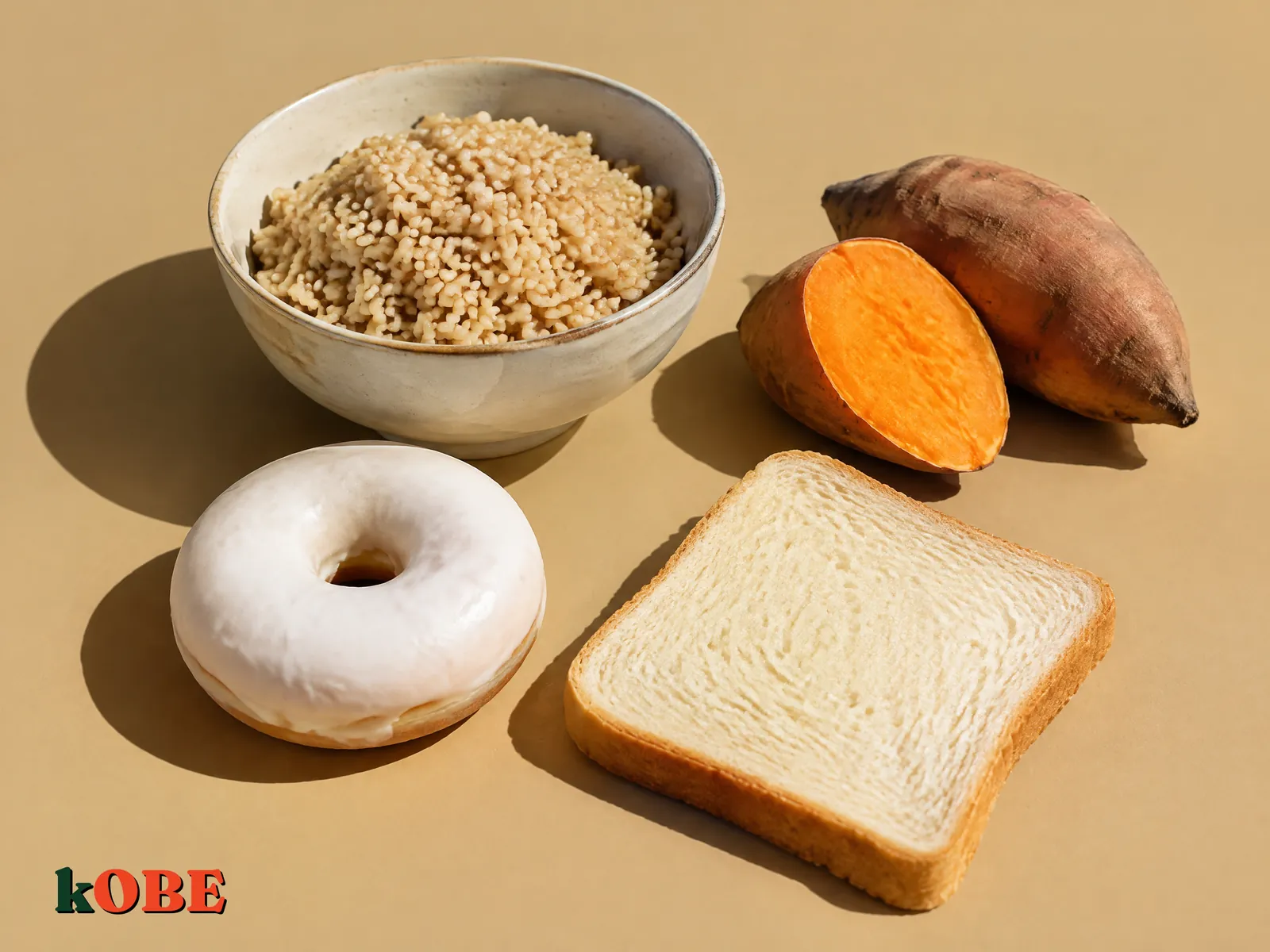
There was a time when the whole neighbourhood whispered: "Want to be healthy? Quit rice." Some switched to sweet potatoes, some to brown bread, some gave up carbs entirely.
Then came a new line: "Good carbs are fine, only bad carbs need avoiding." But which is which? Is white rice bad? Is sweet potato good? And what about bread, bún (rice vermicelli) and phở?
Let us tell you a little secret: carbs do not split into neat teams like that.
In this article
What are carbs? Chains of sugar holding hands
Starch is how plants store energy. It is made of many glucose molecules linked into long chains.
When you eat, enzymes in your saliva and gut snip those chains into single glucose molecules. Glucose enters your blood and becomes fuel for your brain and muscles.
Everything gets snipped into glucose: rice, sweet potato, bread alike. The difference is how fast the snipping happens and what comes along with it.
Some foods snip as fast as cutting a sponge cake. Others snip slowly because fibre wraps around them, like cutting a bánh chưng (square sticky rice cake) still in its leaves.
What really makes the difference: refining and fibre
If you had to pick one key factor, it would be how refined a food is.
A grain of brown rice still has its bran and germ. When it is polished white, the bran is removed, taking most of the fibre, B vitamins and minerals with it. White flour compares to wholemeal flour the same way.
Fibre makes starch digest more slowly. Blood sugar rises more gently, and you stay full for longer.
| Usually digested faster | Usually digested more slowly |
|---|---|
| White bread, pastries | Wholemeal bread |
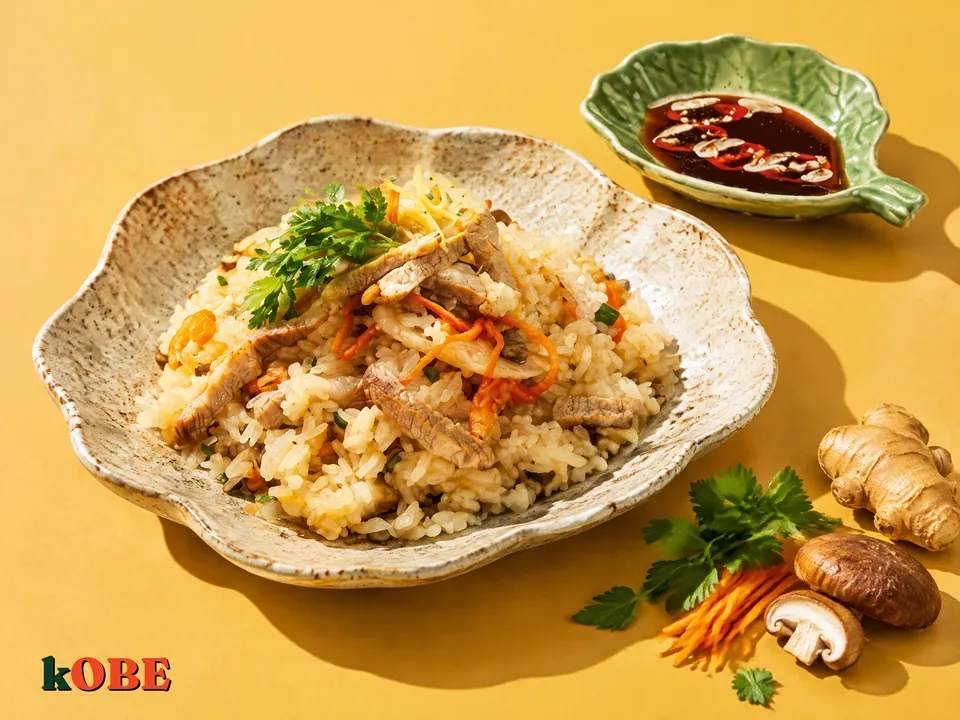
| Soft, mushy white rice | Brown rice, white rice cooked just right |
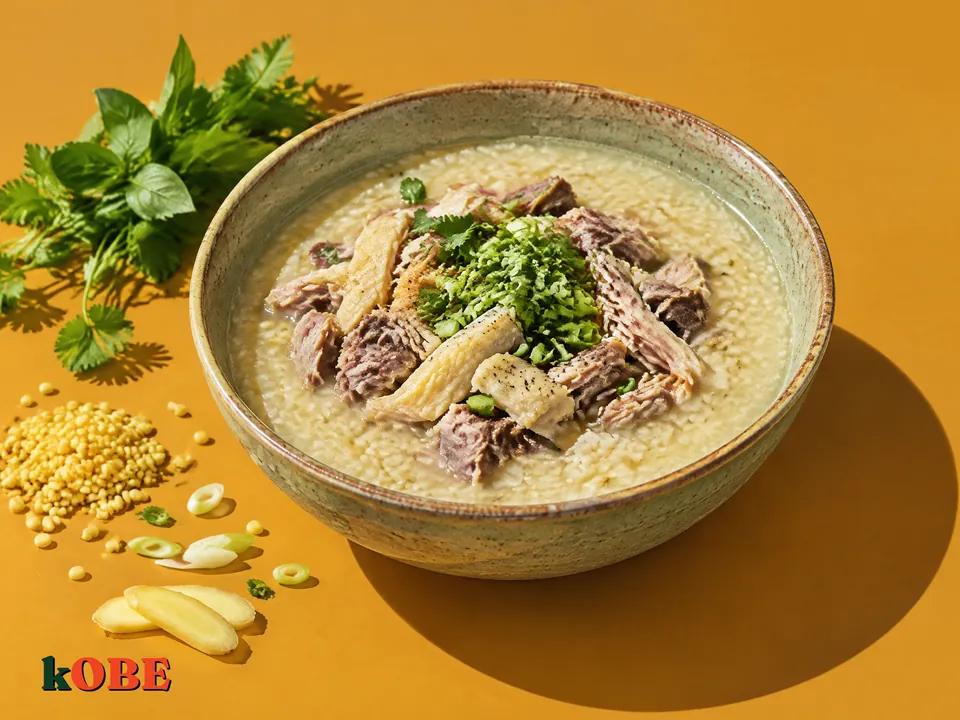
| Plain rice porridge cooked very soft | Rolled oats |
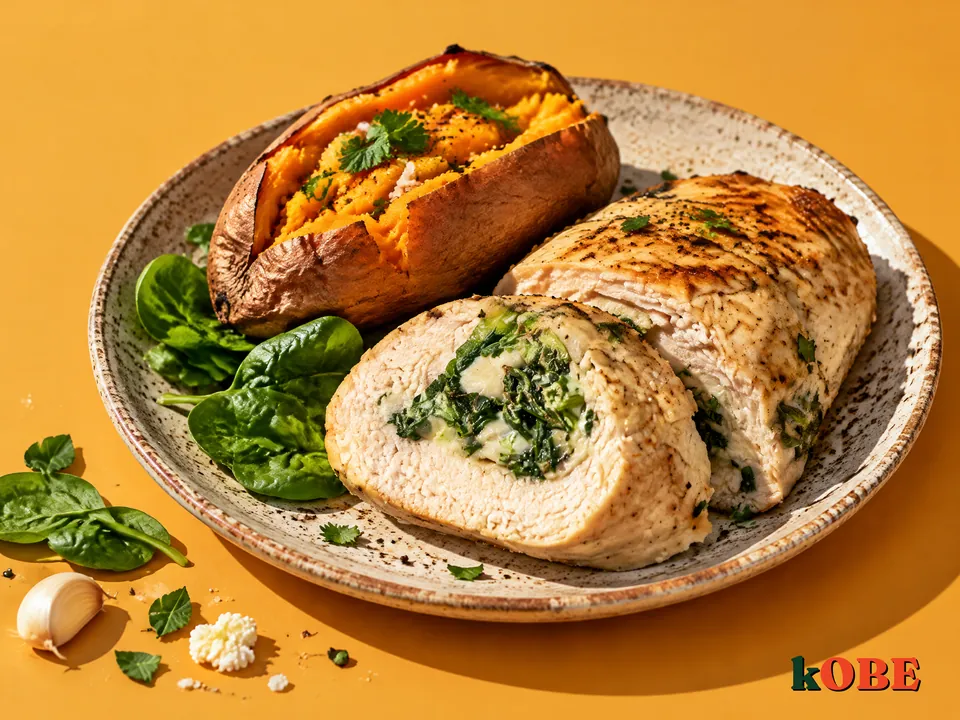
| Mashed potato | Sweet potato roasted in its skin, beans of all kinds |
| Soda, milk tea | Whole fruit |
But this is not a "good versus bad" table. It only talks about speed. And speed also changes with how you cook and how you eat.
One bowl of rice, three different fates
This is the most interesting part.
Bowl one: eaten on its own, eaten fast, with a glass of sweet iced tea.
Bowl two: eaten with cá kho (caramelised braised fish), a plate of boiled greens and a bowl of canh chua (sweet and sour soup). Vegetables first.
Bowl three: leftover rice chilled overnight in the fridge, reheated and eaten with eggs and greens.
All three are white rice, but bowls two and three raise blood sugar more slowly than bowl one. The protein, fat and fibre in the meal make the stomach digest things gradually. Chilled rice also gains a little resistant starch, which you can read about in cold rice and resistant starch.
In other words: the traditional Vietnamese family meal already has a built-in way to "dress" its carbs. Vegetables, soup, fish and meat served alongside rice make a very clever structure.
So where are the "bad" carbs?
If we have to point at what deserves attention, it is usually not the rice bowl at home. It is:
- Refined carbs packed with sugar and fat: pastries, biscuits, cream sponge cakes.
- Carbs you drink: bubble milk tea, powdered drinks.
- Deep-fried carbs: French fries, fried rice paper, instant noodles.
- Oversized portions: three bowls of rice with little vegetable and little protein.
These foods are not "poison". They just work better as occasional foods, not as the foundation of every day.
Science is fairly sure: diets rich in whole grains, beans and vegetables are linked with better long-term health. Still being studied: how much the glycaemic index (GI) of a single food matters when it is eaten as part of a mixed meal. GI measures each food on its own, but in real life we eat the whole table.
How to eat carbs in a balanced way
A few easy ideas, no need to quit rice:
- Swap some white rice for brown rice, or mix half and half. Ease into it.
- Eat vegetables first, rice after. Just changing the order helps.
- One moderate bowl of rice per meal instead of two or three, depending on how active you are.
- Add beans and sweet potatoes to the menu a few times a week.
- Watch the carbs you drink: milk tea, soda, juice.
People who move a lot, do manual work or play sport need more carbs than people who sit at a desk all day. There is no single number for everyone.
Inside the kOBE kitchen
We cook many kinds of carbs in advance so you can switch things up, with the numbers clearly listed per 100g:
- White Rice: 130 kcal, 28g carbs.
- Red Brown Rice: 123 kcal, 2.7g protein, 25.6g carbs.
- Black Brown Rice: 100 kcal, 4g protein, 21.2g carbs, with anthocyanins.
- Quinoa: 120 kcal, 4.4g protein. Glutinous Coix Seed: 130 kcal, 4g protein.
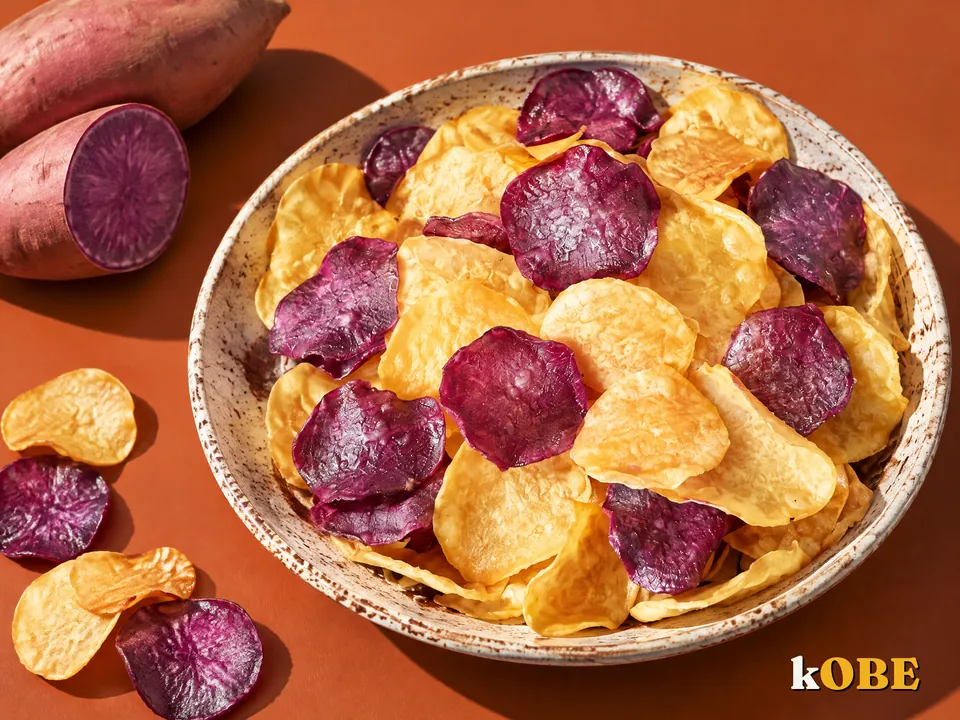
- Japanese, Purple and Honey Sweet Potato: 122, 114 and 139 kcal.
All are cooked, then frozen. You can pair them with Sous Vide Chicken Breast and Sesame Kale for a balanced plate. See them on the Ingredients page.
Frequently asked questions
Should I give up white rice completely?
Is sweet potato better than rice?
Is eating carbs at night a problem?
Keep reading
Sources
- Reynolds A. et al. (2019). Carbohydrate quality and human health: a series of systematic reviews and meta-analyses. The Lancet 393(10170):434 to 445.
- WHO (2023). Carbohydrate intake for adults and children: WHO guideline.
- Harvard T.H. Chan School of Public Health, The Nutrition Source: Carbohydrates and Whole Grains.
- National Institute of Nutrition (Vietnam). Vietnamese Food Composition Table (white rice, brown rice, sweet potato).
- Further reading: Nutrition: Concepts and Controversies 16th ed., chapter 4; Science of Rice (Tian J., 2023).