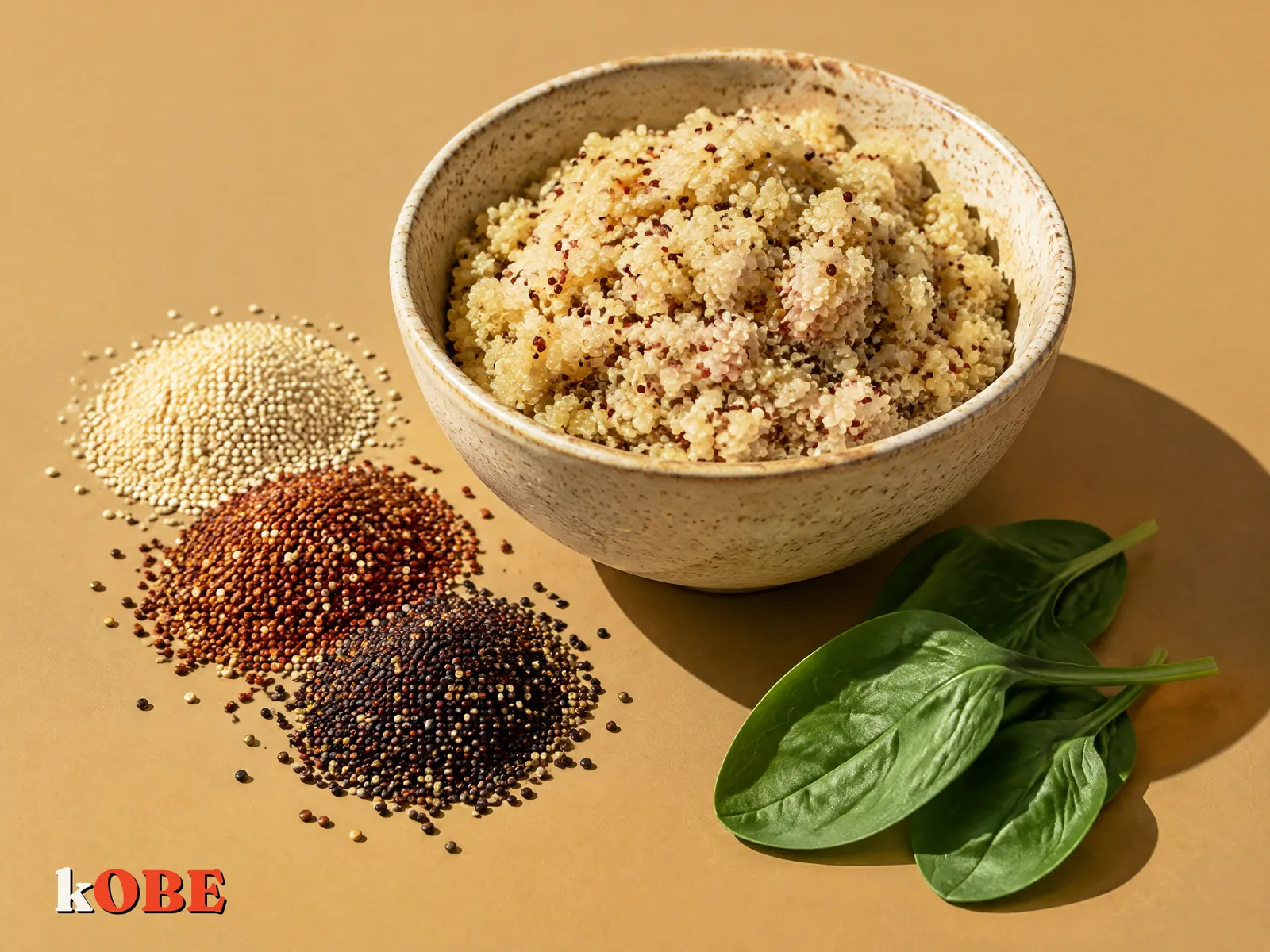
The first time they spot a box of quinoa at the supermarket, plenty of people think it's millet. Small, round, cream-colored, with red and black versions too.
Its Vietnamese name is even more confusing: diêm mạch, which sounds like some kind of barley. The English name doesn't give much away either. Truth is, quinoa isn't rice, isn't barley, and isn't a grain at all.
Its closest relatives are things you see at the market every day: amaranth greens (rau dền), spinach and beets.
In this article
A "fake grain" from the roof of the world
Quinoa grows in the Andes mountains of South America, mainly in Bolivia and Peru. Indigenous farmers have grown it for thousands of years, on cold, windy highlands where rice would struggle to survive.
Botanically, rice, corn and wheat all belong to the grass family. Quinoa doesn't. It's the seed of a plant in the amaranth family.
Because it's used exactly like a grain but isn't a grass, it's called a pseudocereal. Buckwheat belongs to this group too.
In 2013, the Food and Agriculture Organization of the United Nations (FAO) even named it the "International Year of Quinoa". The reason: the plant copes with poor, dry and cold soils, and could help food security in many difficult regions.
How is quinoa different from a bowl of rice?
Here are the numbers per 100g cooked, from the USDA database:
| 100g cooked | Quinoa | White rice |
|---|---|---|
| Calories | about 120 kcal | about 130 kcal |
| Carbs | about 21g | about 28g |
| Protein | about 4.4g | about 2.7g |
| Fiber | about 2.8g | under 0.5g |
Looking at the table, quinoa edges out white rice on protein and fiber. Calories are almost the same.
To be fair, let's be honest: 4.4g of protein in 100g of quinoa is there, but not a lot. One egg already has about 6g. So quinoa is still a starch on your plate. It can't replace the meat, fish or beans in your meal.
"Complete protein": the coolest thing about quinoa
Protein is built from tiny bricks called amino acids. There are 9 your body can't make on its own, so they have to come from food. These are called essential amino acids.
Most grains, like rice and wheat, tend to run short on one brick called lysine. Quinoa has all 9, and it's fairly rich in lysine compared with other seeds and grains.
That's why quinoa is often called a plant source of complete protein. It's a plus for vegetarians.
But remember the number above. Complete protein doesn't mean lots of protein. Think of it as a toolkit with every tool inside, just a little of each.
Why can quinoa taste bitter?
Quinoa seeds naturally come coated in saponins. They taste bitter and a bit soapy, and they help the plant keep birds and insects from eating its seeds.
Most supermarket quinoa has already been washed or scrubbed to remove this coating. But to be safe, all you need to do is:
- Put the quinoa in a very fine sieve (the seeds are tiny, a loose strainer lets them all slip through).
- Rinse under the tap, rubbing gently for about half a minute. If the water foams, that's the saponins washing away.
- Cook with water at roughly 1 part seeds to 2 parts water. Bring to a boil, turn the heat down low, cover and cook for about 15 minutes.
- Turn off the heat, let it sit another 5 minutes, then fluff it up.
A little fun fact: when quinoa is cooked, each seed unfurls a tiny white curly "tail". That's the germ of the seed. See the tail and you know it's done.
How do you eat quinoa the Vietnamese way?
Quinoa has a mild, nutty taste, a bit like chestnut, with fluffy seeds that pop gently when you chew. It goes with Vietnamese food better than you'd think:
- Mix half quinoa, half rice if you're just getting started.
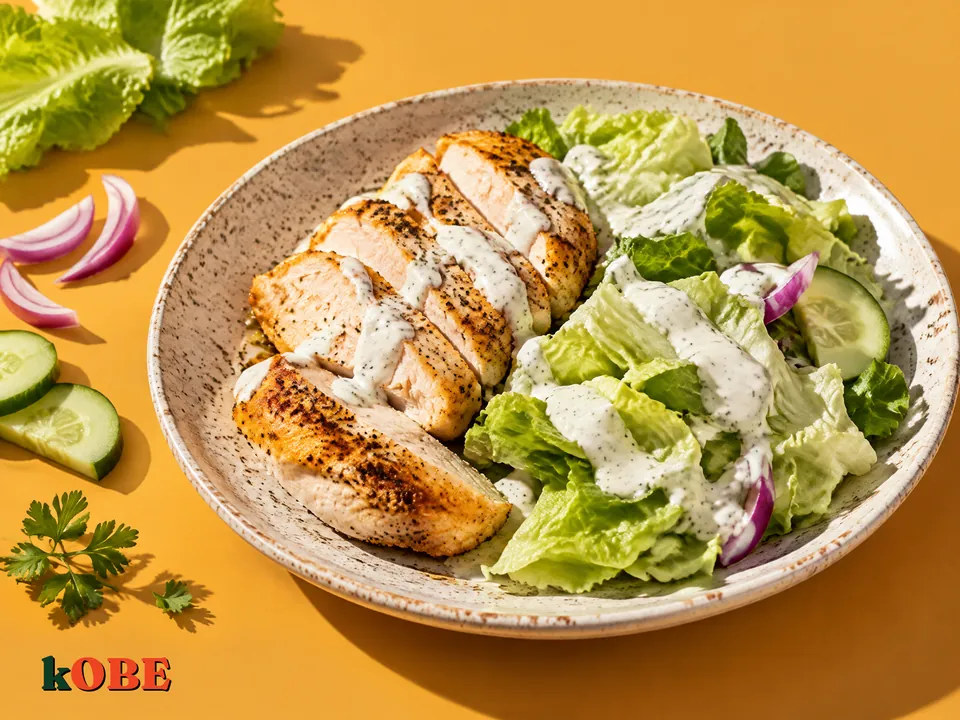
- Make a rice salad or regular salad with fresh herbs, cucumber, chicken breast and nước mắm chanh (fish sauce and lime dressing).
- Cook it into cháo (rice porridge) alongside rice for a little extra protein at breakfast.
- Sprinkle it into vegetable soup like a handful of nutty seeds.
Quinoa has no gluten (the protein found in wheat). If you need to avoid gluten, check the label to make sure the seeds weren't cross-contaminated during packing.
Inside the kOBE kitchen
kOBE Quinoa is cooked and then frozen. Every 100g has 120 kcal and 4.4g of protein, right in line with the numbers in the table above.
We like to use quinoa as "a different bowl of rice": add it to a lunch box, toss it into a salad, or switch things up for anyone getting bored of rice every day.
To reheat: thaw it in the fridge overnight, or warm it in the microwave on low. The seeds stay fluffy, no need to cook it again. See Quinoa on the Ingredients page.
Frequently asked questions
What's the difference between white, red and black quinoa?
Can quinoa replace rice?
Can kids eat quinoa?
Keep reading
Sources
- FAO. International Year of Quinoa 2013 (official information page).
- USDA FoodData Central, SR Legacy: Quinoa, cooked; Rice, white, long-grain, regular, cooked.
- Harvard T.H. Chan School of Public Health, The Nutrition Source: Quinoa.
- National Institute of Nutrition (Vietnam). Vietnamese Food Composition Table (chicken egg).
- Further reading: Understanding Nutrition 16th ed., chapter 6 (protein and essential amino acids).