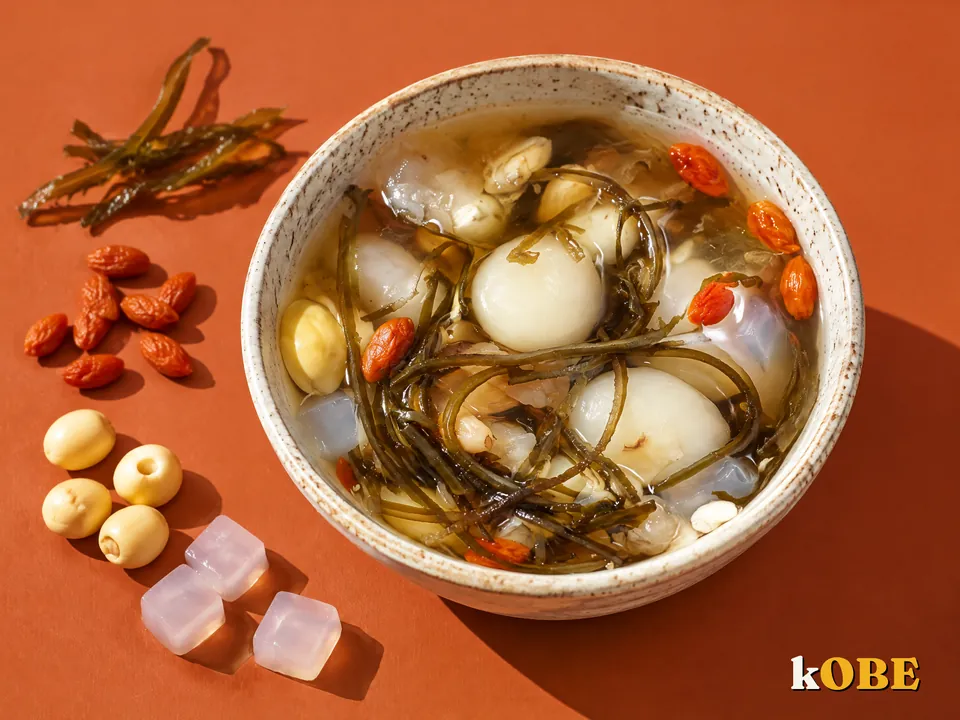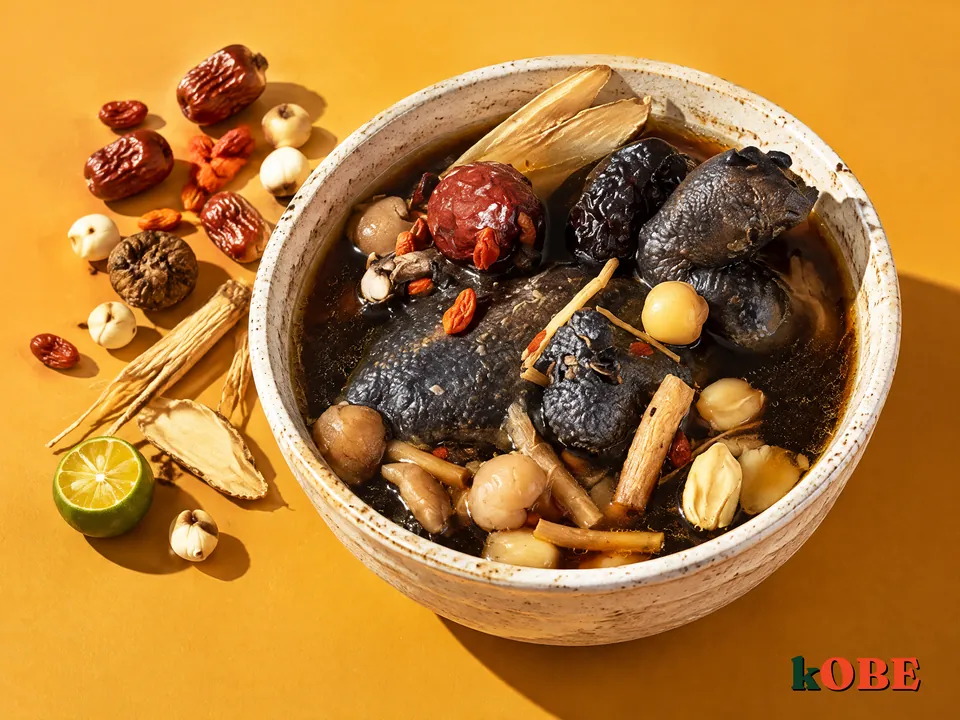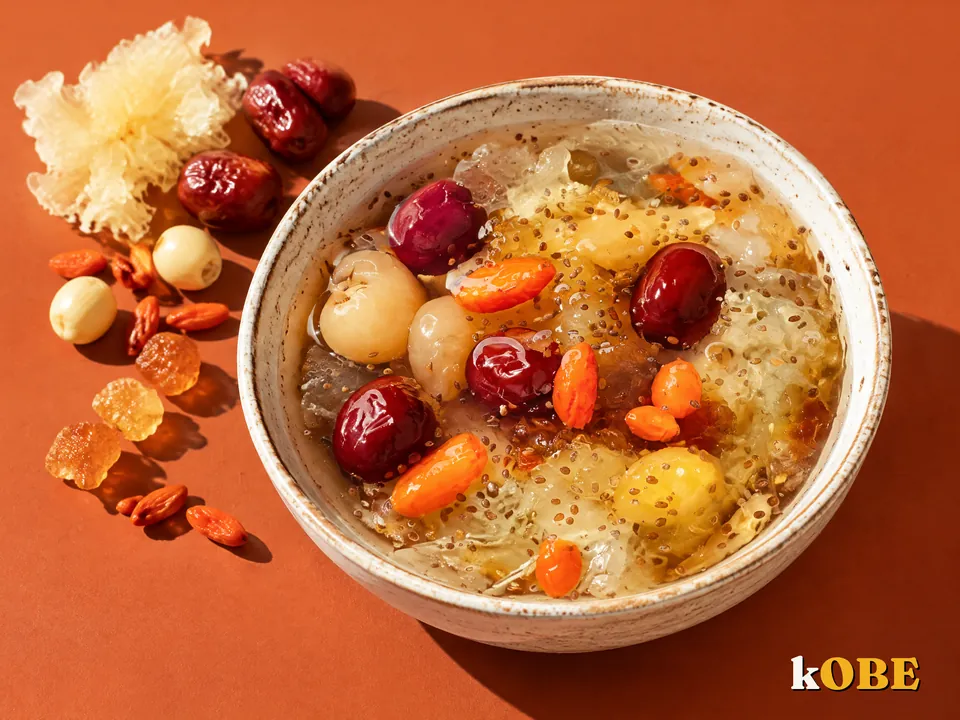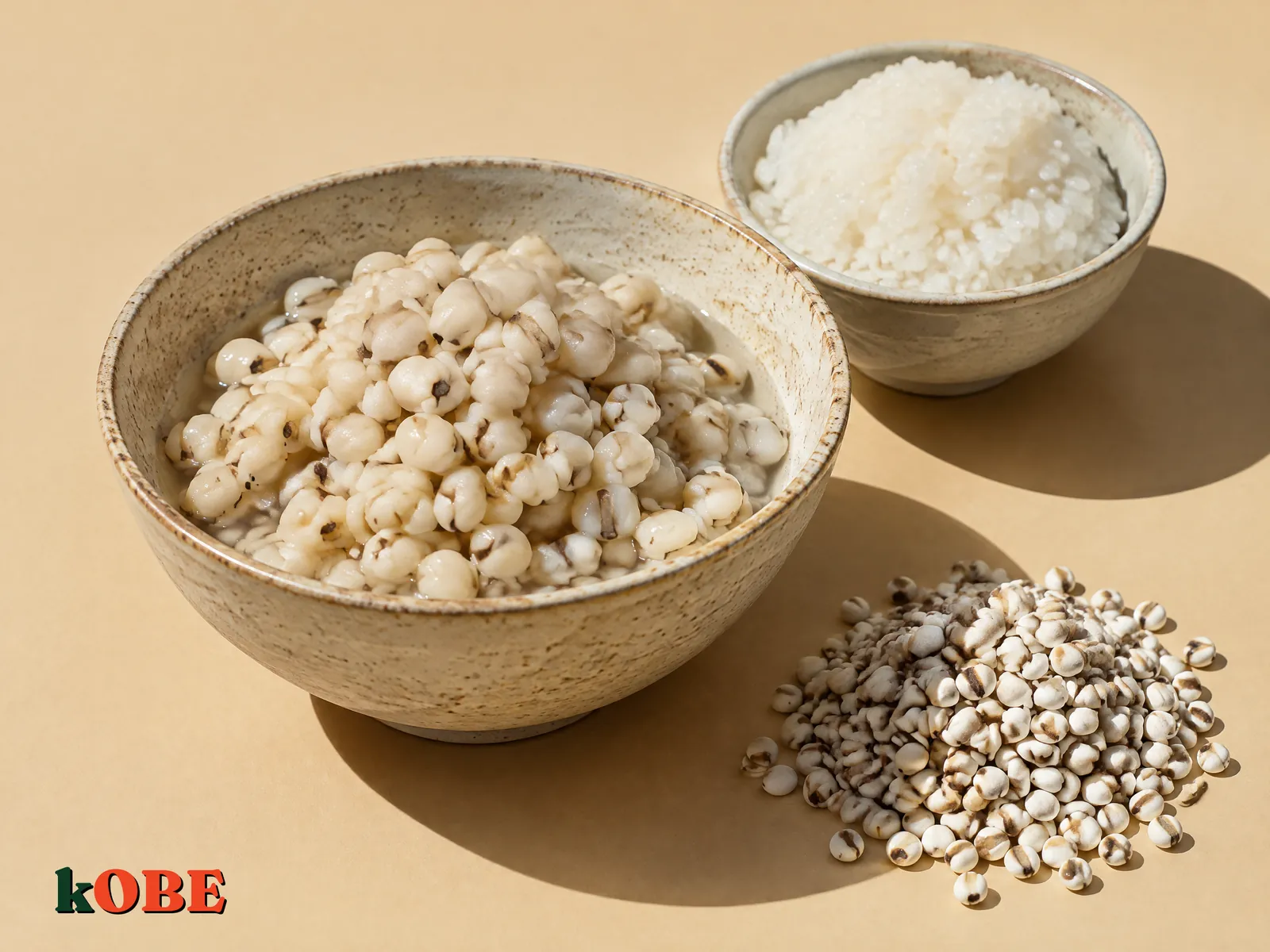
Scoop up a spoonful of sâm bổ lượng (the icy Vietnamese sweet soup packed with herbs and seeds) and you'll find all sorts of things: lotus seeds, red dates, seaweed strips, dried longan. And a few round, milky-white, chewy pearls, each with a groove running down the middle.
That's coix seed, called ý dĩ in Vietnamese, or hạt bo bo in the south.
At a glance, many people think it's some kind of big-grained sticky rice. In fact it isn't rice at all, and its chewiness is a different kind of chewy from sticky rice.
In this article
A cousin of rice, but not rice
Coix seed comes from a tall grass called Coix lacryma-jobi. It belongs to the same grass family as rice, corn and wheat. So calling it a cereal is spot on.
Its English name is rather poetic: Job's tears. The seeds are small, round and glossy, like drops of water.
Here's a fun twist: this plant has two "siblings".
- The wild type has an outer shell as hard and shiny as porcelain. People used to string them into prayer beads and bracelets. In many places they're known as bead seeds.
- The type grown for eating has a thin shell that's easy to mill. Peel it off and you get the white coix seed you buy at the market.
So if you see coix seeds still in a hard brown shell, those are for jewelry, not for your chè (sweet soup).
Coix is chewy, sticky rice is chewy: what's the difference?
How chewy a starchy grain gets depends on the two kinds of starch inside:
- Amylose: straight chains that keep grains fluffy and separate.
- Amylopectin: chains that branch like a tree, making grains sticky and chewy.
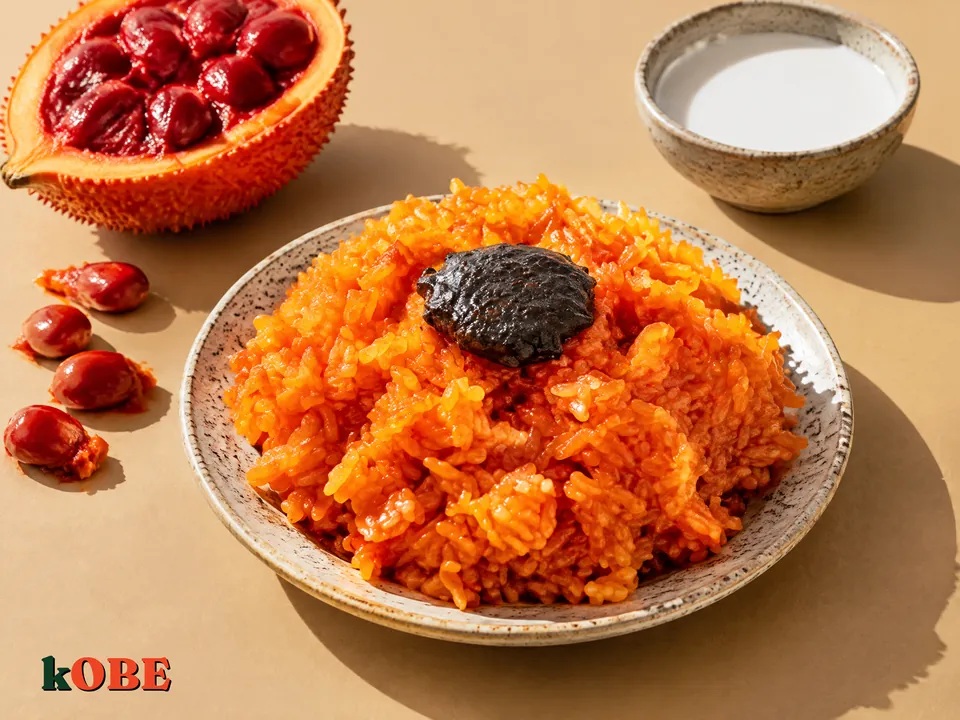
Sticky rice is almost pure amylopectin. That's why xôi (sticky rice) clings together so tightly you can pick it up in a ball.
Coix also comes in a "glutinous" type, meaning it's low in amylose, so the cooked seeds turn chewy and slightly springy. But coix seeds are big and firm, with a thin skin. So they're chewy in a bouncy way: each seed stays separate instead of mashing into a lump like xôi.
Picture it like this: sticky rice is soft and stretchy like mochi. Coix is chewy like little tapioca pearls, with a springy bite.
Coix has more protein than rice
This one surprises a lot of people.
Dried coix seed usually has noticeably more protein than white rice. Many sources put it at around one and a half to two times as much. It also keeps more fiber than heavily polished white rice.
Here's a per 100g cooked comparison to make it easy to picture:
| 100g cooked | Glutinous Coix Seed (kOBE) | White rice |
|---|---|---|
| Calories | 130 kcal | about 130 kcal |
| Protein | 4g | about 2.7g |
Calories are almost identical. But each bowl of coix gives you over 1g more protein than a bowl of white rice. Not a lot, but a small bonus, like getting a free corner of an egg.
We'll still be straight with you: coix seed is a starch. It can't replace the meat, fish or beans in your meal.
Coix in the Vietnamese kitchen
Most Vietnamese people know coix from desserts: sâm bổ lượng, chè dưỡng nhan (a "beauty" sweet soup) and chè thập cẩm (mixed sweet soup). It also shows up in slow-braised herbal dishes like gà tiềm and vịt tiềm (herbal braised chicken or duck).
Coix has long been part of traditional Eastern medicine too. But in this article we'll stick to cooking and nutrition, not herbal remedies.
A few ways to eat coix beyond a glass of chè:
- Mix it with rice, about one part coix to two parts rice, to give your rice a bouncy bite.
- Make cháo (porridge) with coix, shredded chicken and ginger.
- Make a grain salad with cucumber, tomato and fresh herbs, the way people use barley.
- Drop it into a slow-cooked soup with bones, pumpkin and carrot.
How do you cook coix soft without turning it to mush?
Coix seeds are much harder than rice. Cook them like rice and they'll still have a hard core. The secret is in the soaking:
- Rinse well, then soak for at least 3 to 4 hours, ideally overnight in the fridge.
- Drain off the soaking water, then add fresh water to cover the seeds by about two finger joints.
- Bring to a boil, then turn the heat down low and cook for about 40 to 60 minutes, until the seeds swell and no longer have a hard center. A pressure cooker cuts this to about 20 minutes.
- Cook a big batch and portion it into boxes. Keep it in the fridge for a few days, or freeze it for later.
If you're making chè, cook the coix on its own until soft first, then add it to the pot of chè. That way the seeds don't stay hard when they meet the sugar.
Inside the kOBE kitchen
kOBE Glutinous Coix Seed comes cooked and frozen, so you can skip the overnight soak. Every 100g has 130 kcal and 4g of protein.
You can eat it instead of rice, toss it into a salad, or drop it into chè sweetened with our Monk Fruit Blend.
To reheat: thaw it in the fridge overnight, or warm it in the microwave on low. See Glutinous Coix Seed on the Ingredients page.
Frequently asked questions
Are coix seed and barley the same thing?
Is coix seed high in calories?
Should I eat coix seed every day?
Keep reading
Sources
- Zhu F. (2017). Coix: Chemical composition and health effects. Trends in Food Science & Technology 61:160 to 175.
- National Institute of Nutrition (Vietnam). Vietnamese Food Composition Table (ordinary rice, glutinous rice).
- USDA FoodData Central, SR Legacy: Rice, white, long-grain, regular, cooked.
- Tian J. et al. (2023). Science of Rice: Chemistry and Nutrition. Springer. Chapter 2 (starch structure, amylose and amylopectin).
- Further reading: Science of Rice (2023), chapter 2; Culinary Nutrition.