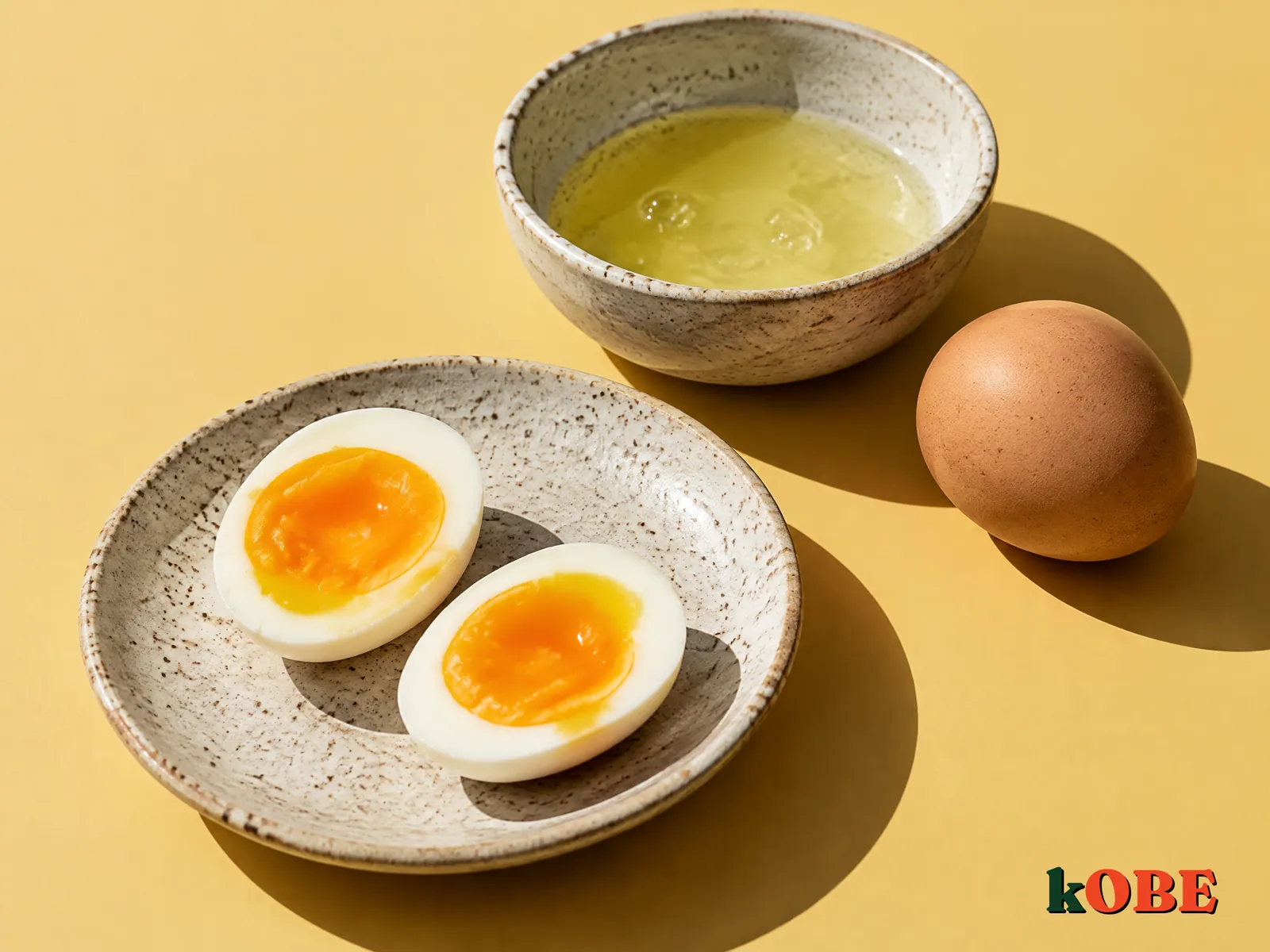
At the gym you'll see a familiar scene: someone boils a dozen eggs, peels them, then tosses every yolk in the bin. Whites only.
The usual reason is "the white is the protein, the yolk is all fat and cholesterol". Sounds sensible. But look at the numbers and the story is completely different.
In this article
Where is the protein in an egg?
According to the USDA, one medium chicken egg, about 50g of edible part, has:
| Part | Protein, about | Energy, about |
|---|---|---|
| White | 3.6g | 17 kcal |
| Yolk | 2.7g | 55 kcal |
| Whole egg | 6.3g | 72 kcal |
First surprise: the yolk holds almost half the protein in the egg. Throw out the yolk and you throw out about 43% of the protein.
It's true that the yolk carries nearly all the egg's fat and calories. But saying the yolk "has no protein" is wrong.
The yolk is the egg's "vitamin cabinet"
The white is mostly water and protein. The yolk is where the egg stores almost everything else:
- Vitamins A, D, E and K: the fat-soluble vitamins, found almost only in the yolk.
- Vitamin B12 and folate.
- Choline: something your body needs to build cell membranes and pass nerve signals. The yolk is one of the richest sources of choline in everyday food.
- Lutein and zeaxanthin: the orange-yellow pigments that give the yolk its lovely color, and the same pigments found in the human eye.
Put simply: the white is the "pure protein" part, while the yolk is a whole "nutrition combo" in one neat package.
Cholesterol: things have changed a lot
One yolk has about 185mg of cholesterol. In the past, many guidelines capped cholesterol at 300mg a day, so eggs were seen as "scary".
Since 2015, the Dietary Guidelines for Americans have dropped that numeric limit. The reason is that for most people, cholesterol in food affects blood cholesterol less than people once thought. Saturated fat and the overall diet play a bigger role.
The American Heart Association (AHA) considers about one egg a day suitable for healthy people as part of a healthy diet. They still advise keeping cholesterol intake moderate.
In other words: there's no need to fear eggs, but don't eat ten at a time every day either. If you have high blood lipids, ask your doctor how many eggs suit you.
Whites or whole eggs: which do muscles "prefer"?
There's an interesting 2017 study by van Vliet's group. Participants did weight training, then ate either whole eggs or egg whites only. Both portions had about the same 18g of protein.
The result: the whole-egg group had higher muscle protein synthesis after training. The researchers suggested other components in the yolk may play a part.
This was a small study in young people. It shouldn't be read as a firm conclusion yet. But it does show the yolk isn't a "useless" part.
So when do egg whites make sense? When you want more protein without adding many calories. A popular middle ground: 1 whole egg + 2 whites. You get almost 14g of protein and still get the vitamins from the yolk.
Don't drink raw eggs like in the movies
The boxer cracking raw eggs into a glass and knocking them back looks cool. But science doesn't back it.
- Much poorer absorption. A 1998 study found the body absorbs about 91% of cooked egg protein, but only about 51% of raw egg protein. Heat unfolds the protein chains, making them easier for your gut to break apart.
- Raw egg white locks up biotin. It contains avidin, a protein that "locks" biotin (vitamin B7) away. Cooking switches avidin off.
- Salmonella risk. Raw eggs can carry this bacterium.
Jammy eggs and poached eggs are still fine for most healthy people if the eggs are fresh and clean. Pregnant women, young children and older adults should eat eggs cooked through.
Inside the kOBE kitchen
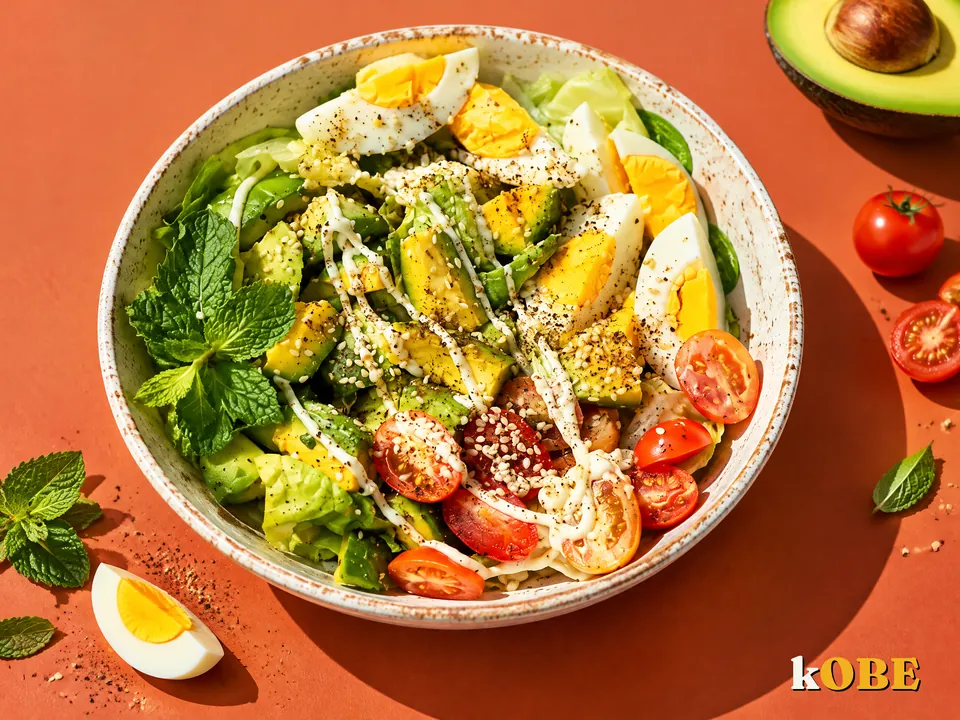
Eggs are a familiar ingredient in the kOBE kitchen. Our kOBE Signature Lean Mayo is an egg-based creamy sauce, thick and clingy like regular mayo but much lighter: the 80% version has 118 kcal and 3.1g of protein per 100g, while regular mayo can be up to about 75% oil.
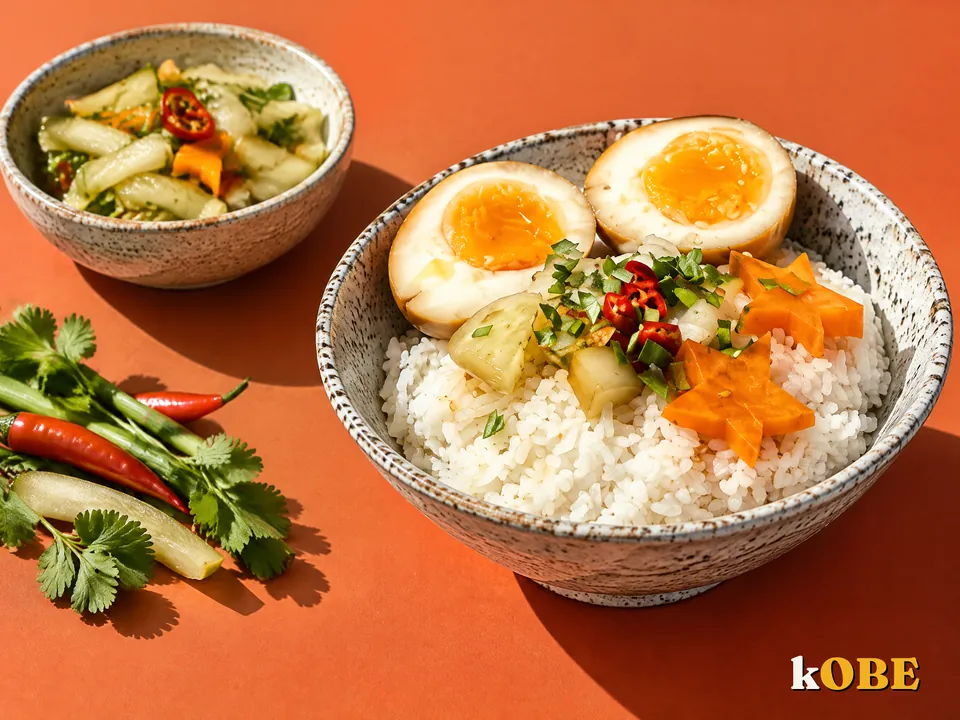
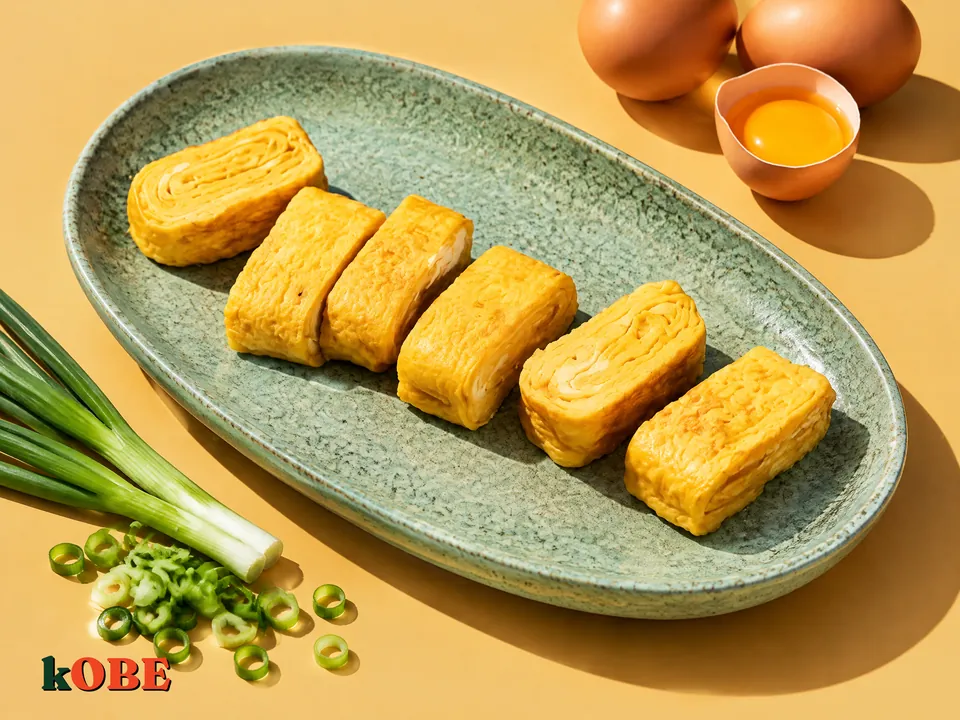
The kOBE site has plenty of egg dishes, from trứng kho nước tương (eggs braised in soy sauce) to chả trứng hấp (steamed egg meatloaf). Each recipe lists calories, protein, fat and sugar per 100g. Sweet dishes use monk fruit sweetener instead of cane sugar.
A tip from our kitchen: boil a few eggs at the start of the week and keep them in the fridge. Even on your most rushed mornings, you'll have a grab-and-go serving of protein.
Frequently asked questions
Do free-range village eggs have more protein than regular eggs?
What about duck eggs?
How long should I boil eggs to cook them through?
Keep reading
Sources
- USDA FoodData Central, SR Legacy: chicken egg, whole, white and yolk (raw).
- van Vliet S. et al. (2017). Consumption of whole eggs promotes greater stimulation of postexercise muscle protein synthesis than consumption of isonitrogenous amounts of egg whites in young men. American Journal of Clinical Nutrition 106(6):1401 to 1412.
- Evenepoel P. et al. (1998). Amount and fate of egg protein escaping assimilation in the small intestine of humans. Journal of Nutrition 128(10):1716 to 1722.
- Carson J.A.S. et al. (2020). Dietary Cholesterol and Cardiovascular Risk: A Science Advisory From the American Heart Association. Circulation 141(3):e39 to e53.
- U.S. Department of Agriculture and HHS. Dietary Guidelines for Americans 2015 to 2020.
- Further reading: Understanding Nutrition 16th ed., chapters 5 and 6.