Per 100g
598kcalCalories
7.8gProtein
42.6gFat
45.9gCarbs
10.9gFiber
24gSugars
20mgSodium
715mgPotassium
73mgCalcium
11.9mgIron
0mgVitamin C
2µgVitamin A
Data source: USDA FoodData Central, SR Legacy, FDC 170273 (Chocolate, dark, 70-85% cacao solids).
Fun facts
- The 70% on a bar means 70% of its weight comes from the cacao bean (cocoa solids and cocoa butter). Most of the rest is sugar.
- 100g of 70 to 85% dark chocolate has 598 kcal, 42.6g of fat and 24g of sugar. One small 10g square is about 60 kcal and 2.4g of sugar.
- It also has 10.9g of fiber and 11.9mg of iron per 100g, well above milk chocolate.
- Dogs and cats must not eat chocolate. The theobromine in cocoa is toxic to them, even though it is fine for people.
Choosing and storing
Pick a bar with cocoa listed first, and the fewer extras the better. Keep it cool and dry, below about 20°C, well wrapped so it does not pick up smells. Avoid moving it in and out of the fridge, because condensation leaves a white film on the surface.
Cooking it well
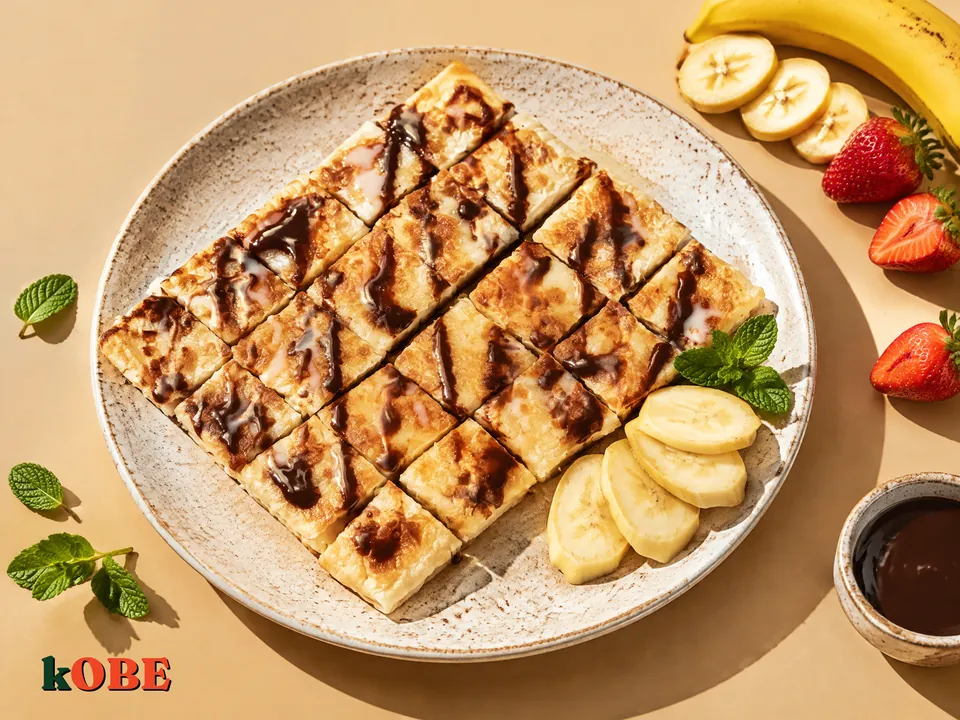
For baking or sauces, melt it over a gentle water bath and keep every drop of water out, or it will seize into lumps. A square or two with fruit like banana or strawberries makes a happy dessert. Remember dark chocolate still has sugar; to see how much sugar fits in a day, read this article.
Frequently asked questions
Is dark chocolate healthy?
It has fiber and minerals, but also lots of calories, fat and some sugar. A square or two is plenty, not the whole bar.
Is the white film on chocolate safe to eat?
Yes. It is cocoa butter or sugar rising to the surface after temperature changes. It looks less pretty but has not gone bad.