Data source: USDA FoodData Central, SR Legacy, FDC 170848 (Cheese, parmesan, hard).
Fun facts
- Parmesan is the everyday name for Parmigiano Reggiano, a hard cheese from Emilia-Romagna in Italy. Each wheel weighs dozens of kilos and ages for at least 12 months, often 2 years or more.
- The crunchy white specks you bite into are not salt or sugar. They are crystals of the amino acid tyrosine, formed during the long aging.
- Every 100g of parmesan has about 35.8g of protein, the highest among the cheeses in this dictionary, plus 1,184mg of calcium. Sodium is also very high, about 1,175mg.
- Thanks to long aging, parmesan has almost no lactose left and a deep natural umami taste.
Choosing and storing
Buying a block and grating it yourself gives far more flavor than pre-grated powder. Wrap the block in baking paper, then put it in a bag or container in the fridge. Because parmesan is hard and dry, it keeps much longer than soft cheeses. Do not throw away the rind: drop it into soup or stock for a deep savory flavor, and fish it out before serving.
Cooking it well
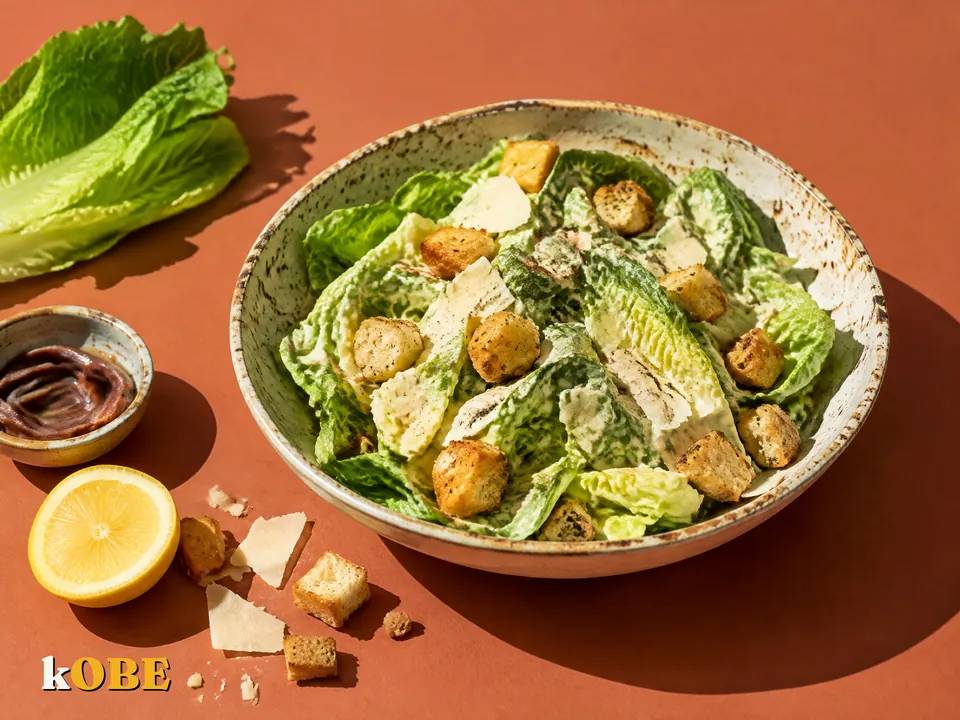
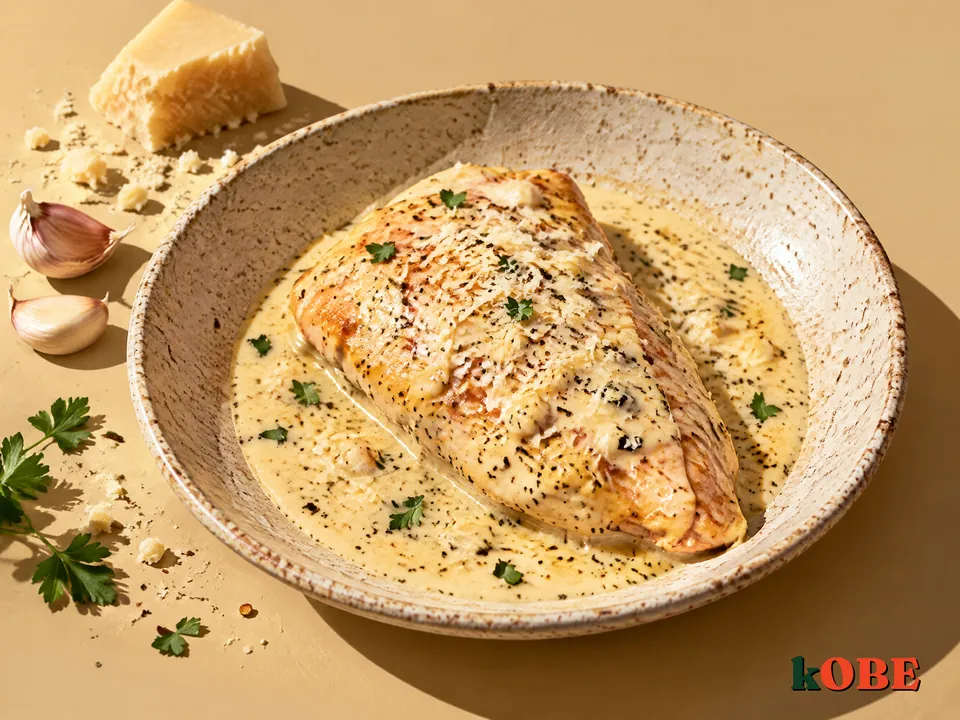
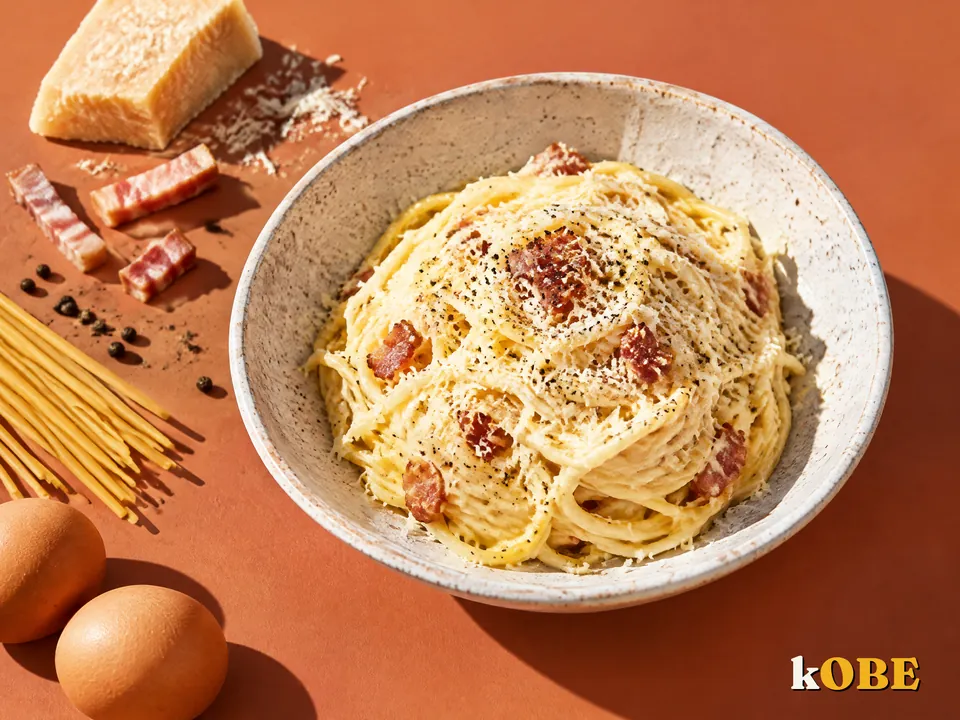
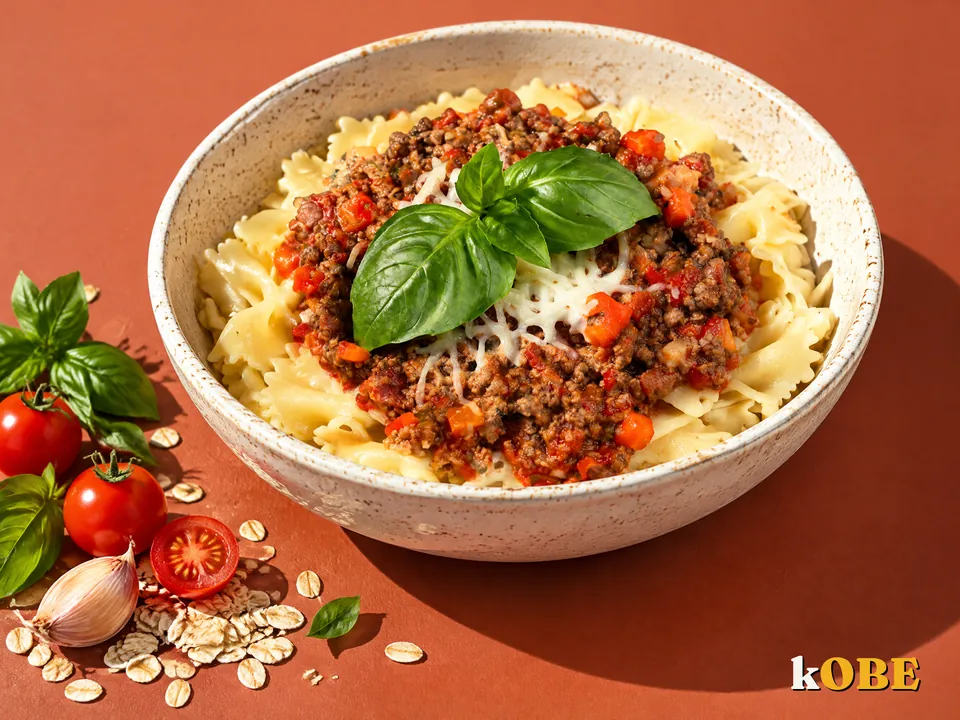
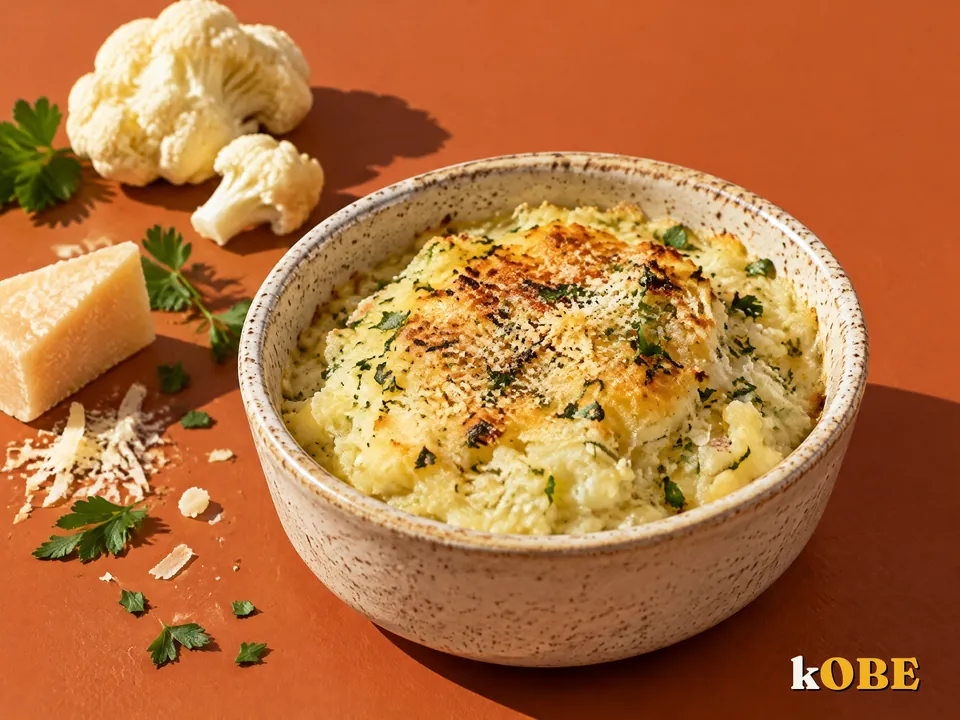
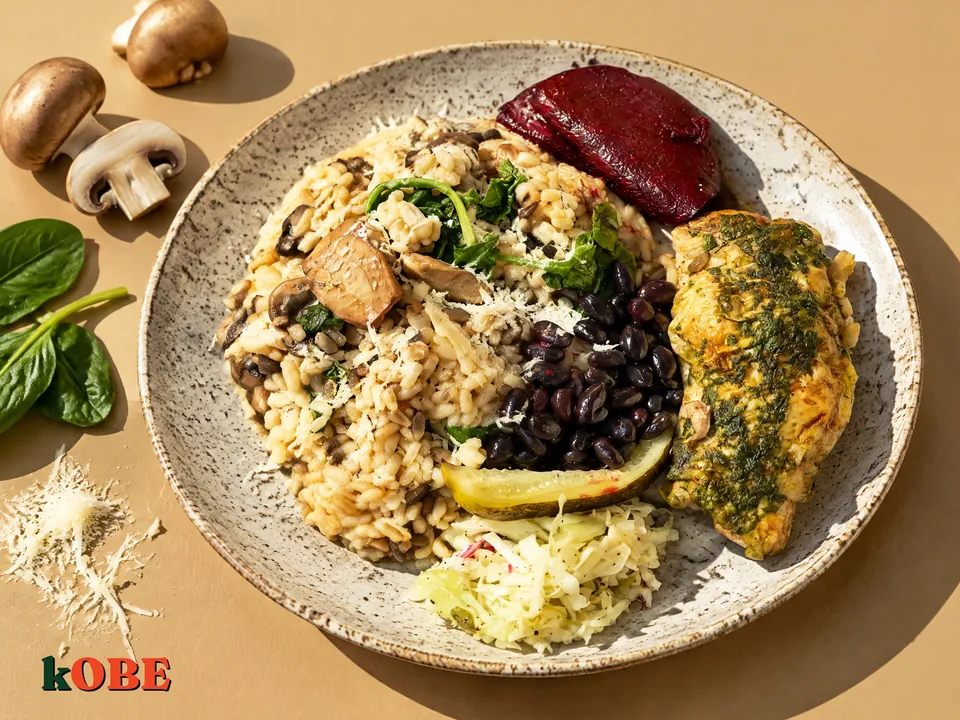
Parmesan is best finely grated over a dish just off the heat, like pasta, soup, salad or roasted vegetables. Since it is bold and salty, you can cut back on salt or fish sauce when using it. One tablespoon of grated parmesan (about 5g) is only around 20 kcal yet makes the whole dish sing. If you are watching salt, read sodium to salt conversion.