Data source: USDA FoodData Central, SR Legacy, FDC 170108 (Peppers, sweet, red, raw).
Fun facts
- Green, yellow, orange and red bell peppers are often the same fruit at different stages of ripeness. Left on the plant longer, a pepper turns from green to red and gets sweeter.
- Bell peppers are cousins of chili peppers but have almost no capsaicin, the compound behind the heat, so they taste just crisp and sweet.
- 100g of red bell pepper has about 128mg of vitamin C, more than double an orange (about 53mg). A few slices of red pepper in your salad match the vitamin C of half an orange.
- Red peppers also carry about 157µg of vitamin A per 100g, for only about 26 kcal. In Vietnam, bell peppers are widely grown in Đà Lạt.
Choosing and storing
Choose peppers with tight, glossy skin, even bright color, a heavy feel and a firm green stem. Skip ones with wrinkles, soft spots or bruises. Whole peppers keep in a bag in the crisper drawer for about a week. Cut peppers should be wrapped and used within 2 to 3 days.
Cooking it well
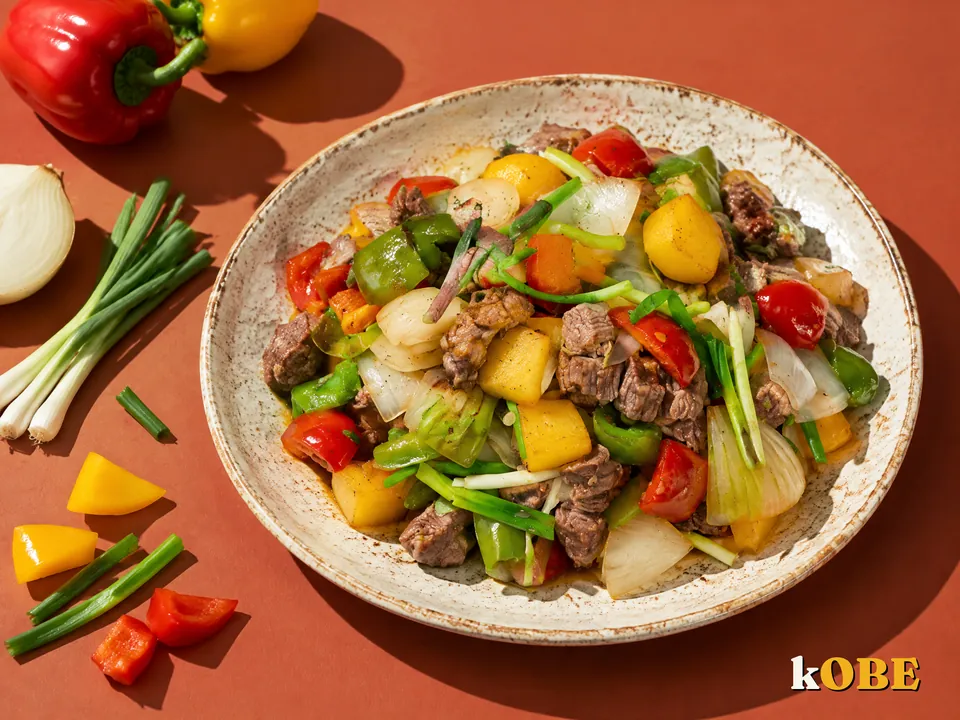
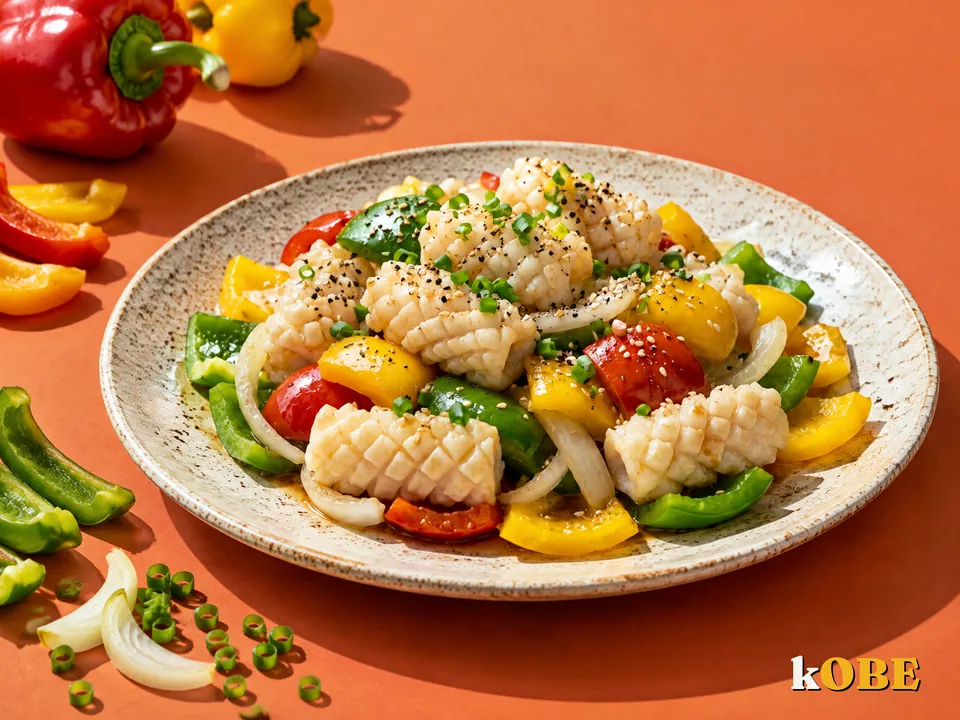
Vitamin C in bell peppers is sensitive to heat, so eating them raw keeps the most: sticks with a dip, diced into salads or rolled into fresh rolls. For a stir fry, add them last and cook on high heat for 1 to 2 minutes so they stay crisp. Roasting peppers until the skin blisters, then peeling them, gives a deep, silky sweetness that is lovely in salads. To see why long cooking costs vitamin C, read does cooking destroy vitamin C.