Data source: USDA FoodData Central, SR Legacy, FDC 174258 (Noodles, chinese, cellophane or long rice (mung beans), dehydrated).
Fun facts
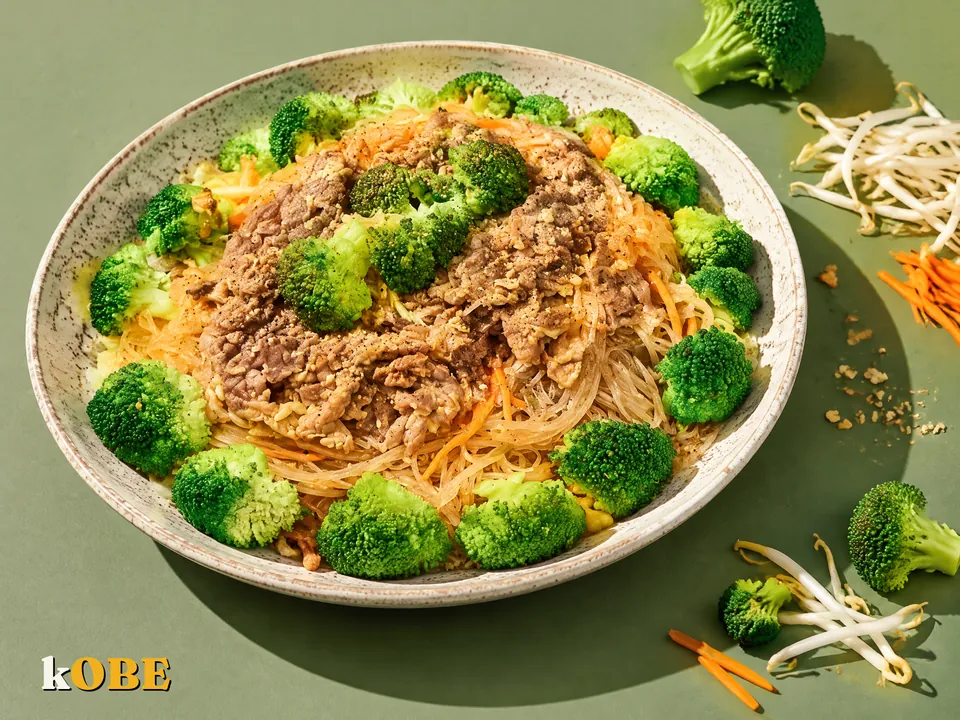
- They are called glass noodles because the strands turn see-through once cooked. That clarity comes from the starch they are made of, not from rice.
- The numbers here are for dry mung bean glass noodles: about 351 kcal and 86.1g of carbs per 100g. They are made from beans, yet protein is only 0.2g, because only the starch of the bean is used.
- The mien dong common in Vietnam is made from canna root starch. We do not have separate numbers for it, but like mung bean noodles it is nearly all starch.
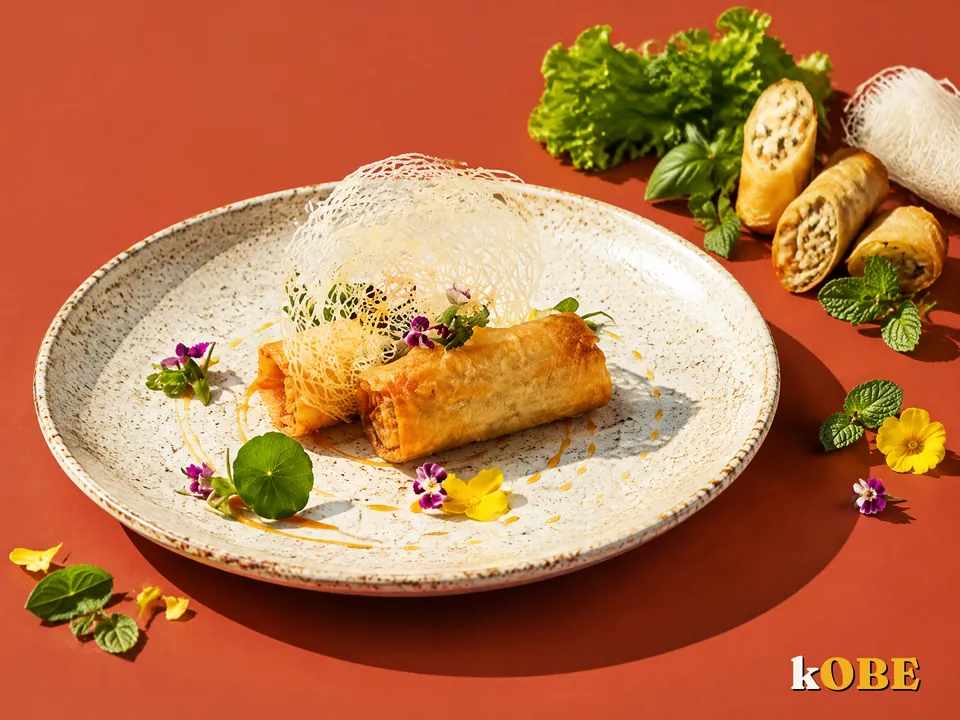
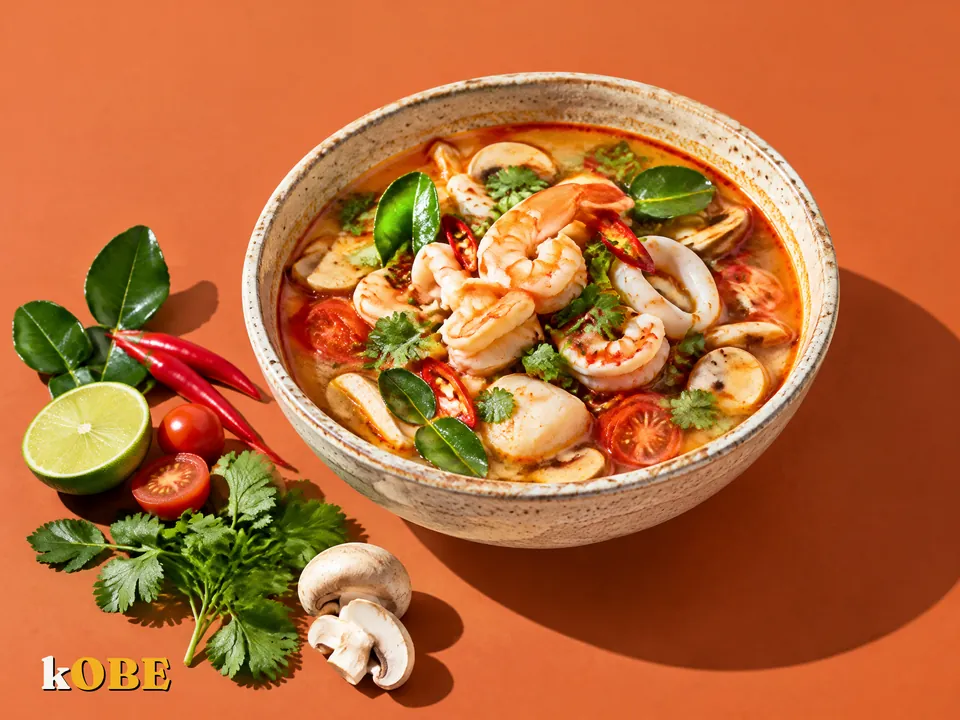
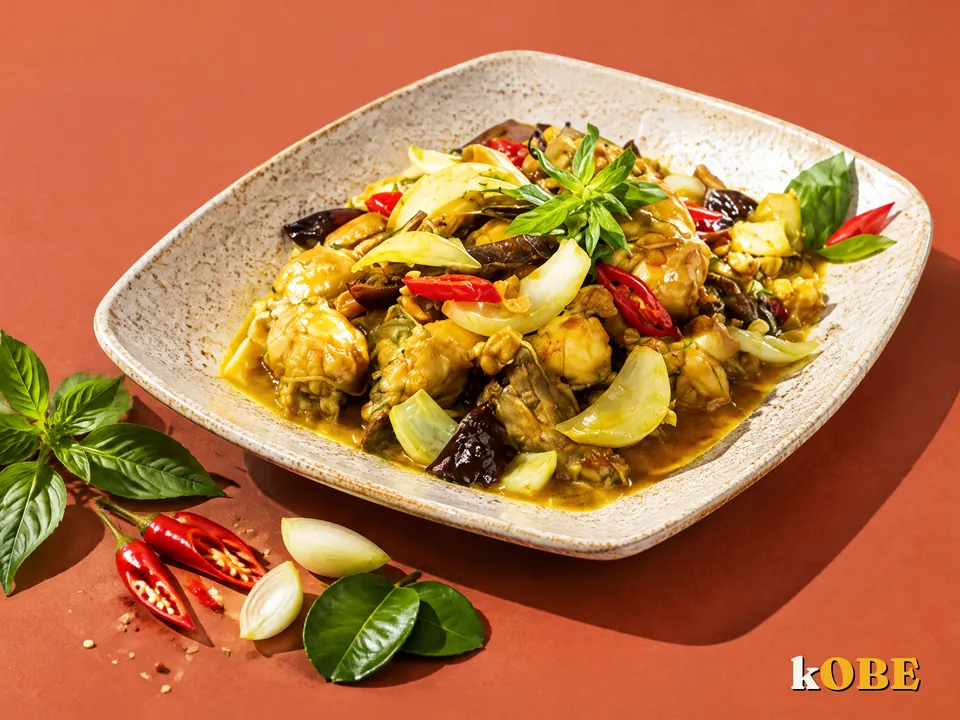
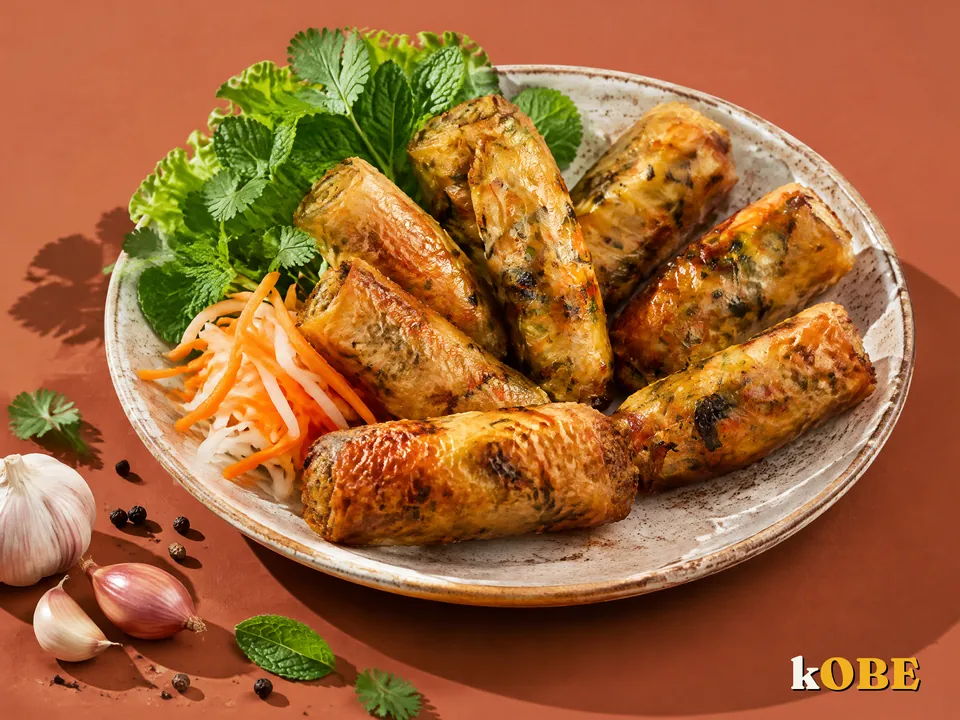
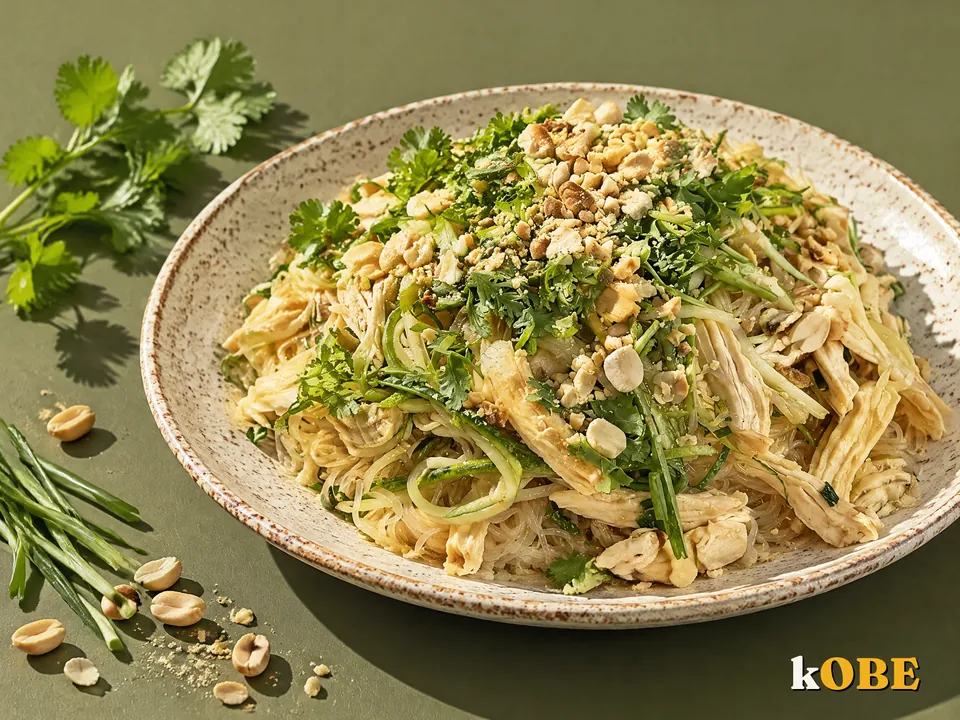
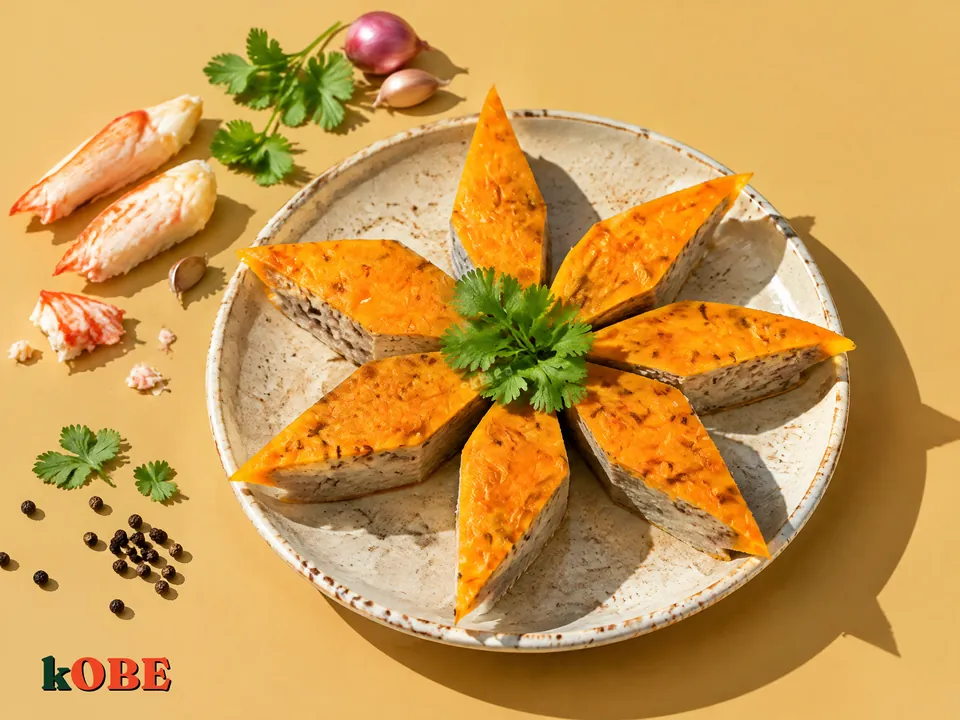
- Mien shows up in chicken noodle soup on cold days, eel noodles from Nghe An, fried spring roll fillings and crab noodle soup.
Choosing and storing
Choose dry, even strands that are clear or naturally ivory, not crumbly, with no odd smell. Good mien dong is chewy and does not break easily. Sealed and kept cool and dry, dry noodles last a long time. Soaked or cooked noodles should be eaten right away, since they keep swelling and stick together.
Cooking it well
Soak the noodles in warm water for about 10 minutes until soft, then add them to the pot at the very end and cook just briefly. Cooked too long, glass noodles drink up all the broth and turn mushy. Because they are almost all starch, a satisfying bowl should have plenty of chicken, eel or crab plus vegetables. See pair rice with protein and vegetables.