Data source: USDA FoodData Central, SR Legacy, FDC 169231 (Ginger root, raw).
Fun facts
- The heat of fresh ginger comes from gingerol. When ginger is dried or cooked for a long time, some gingerol turns into another compound that is even more pungent, which is why dried ginger tastes sharper.
- According to USDA, 100g of fresh ginger has about 80 kcal and 415mg of potassium. A tablespoon of minced ginger, about 6g, is only around 5 kcal.
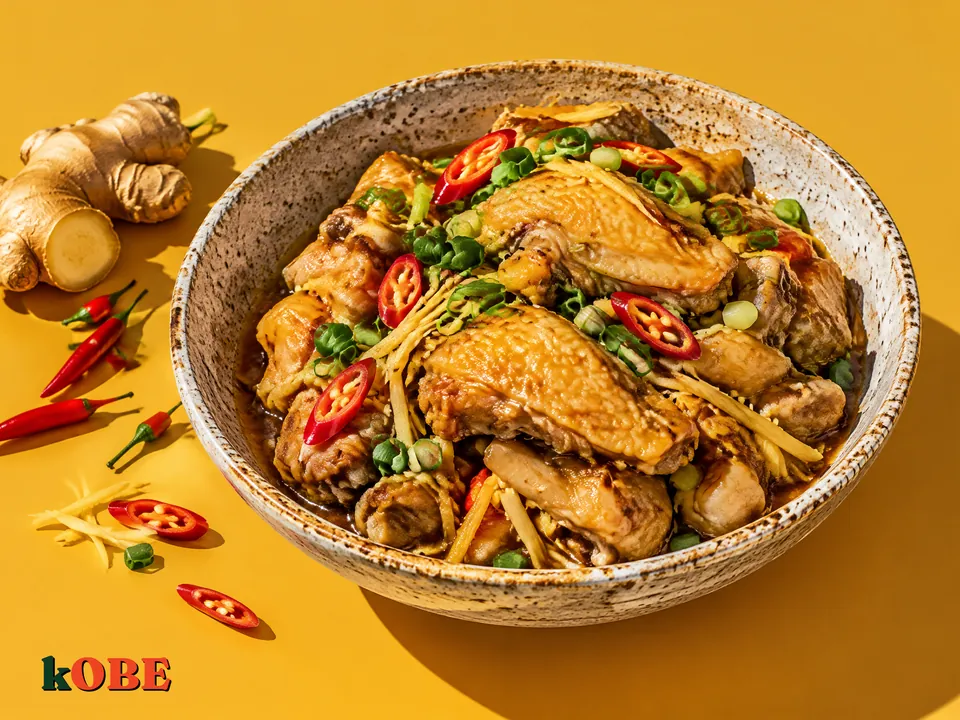
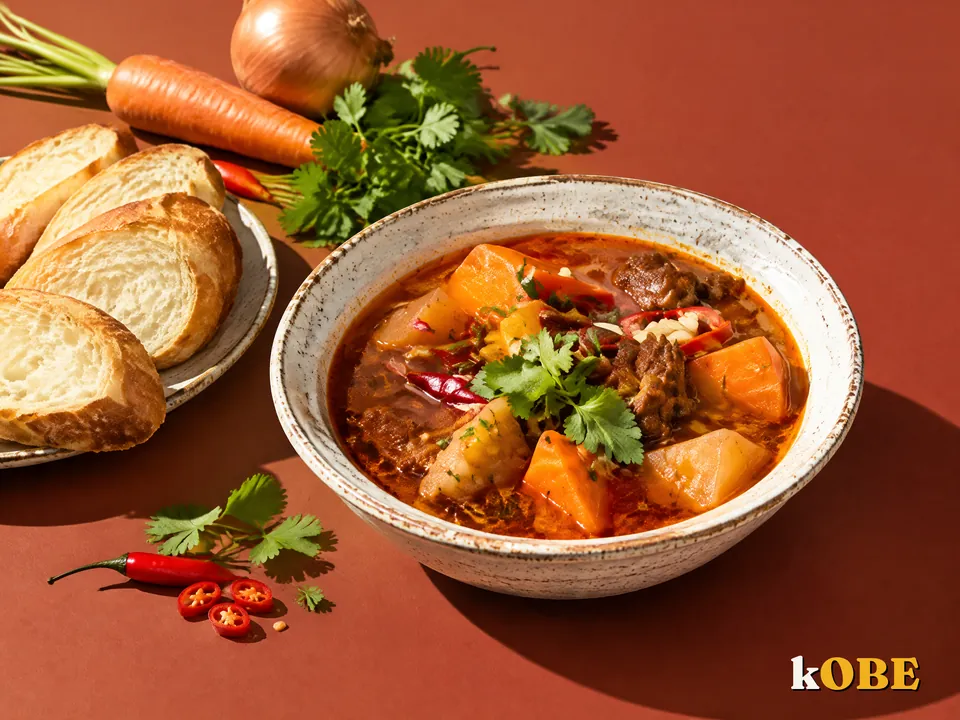
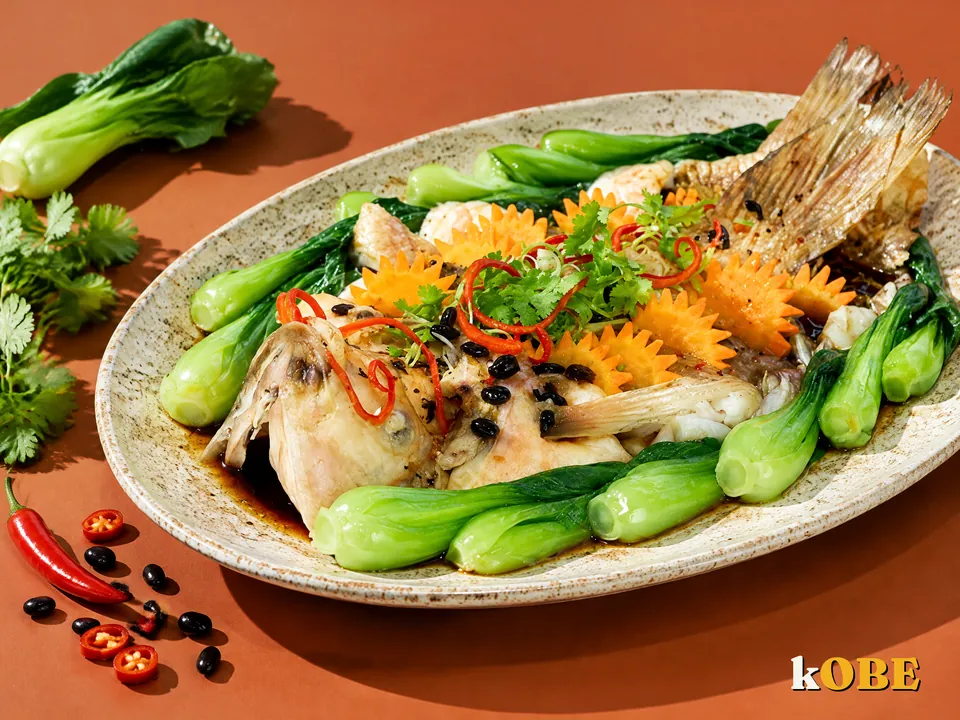
- Vietnamese cooks pair ginger with rich or fishy foods: chicken braised with ginger, braised fish, duck with ginger fish sauce and boiled snails. At Tet there is candied ginger too.
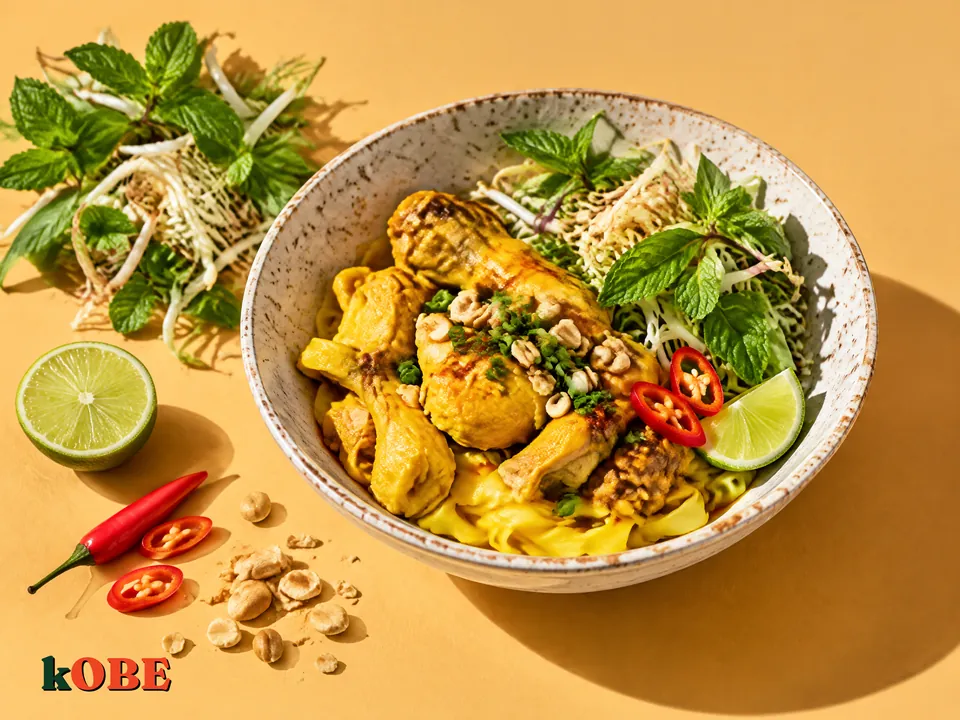
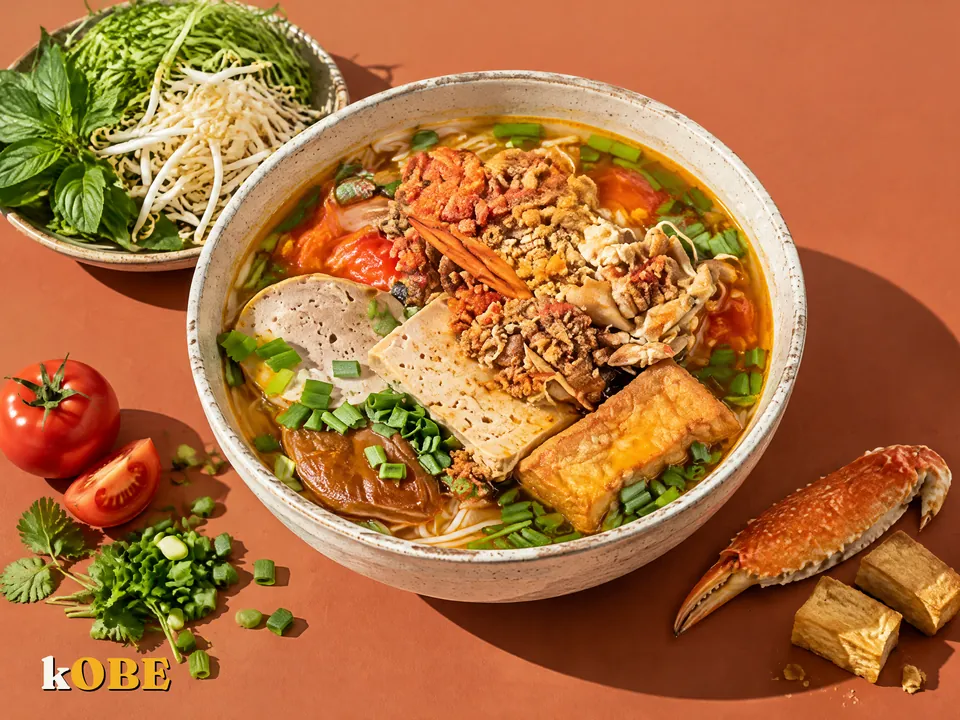
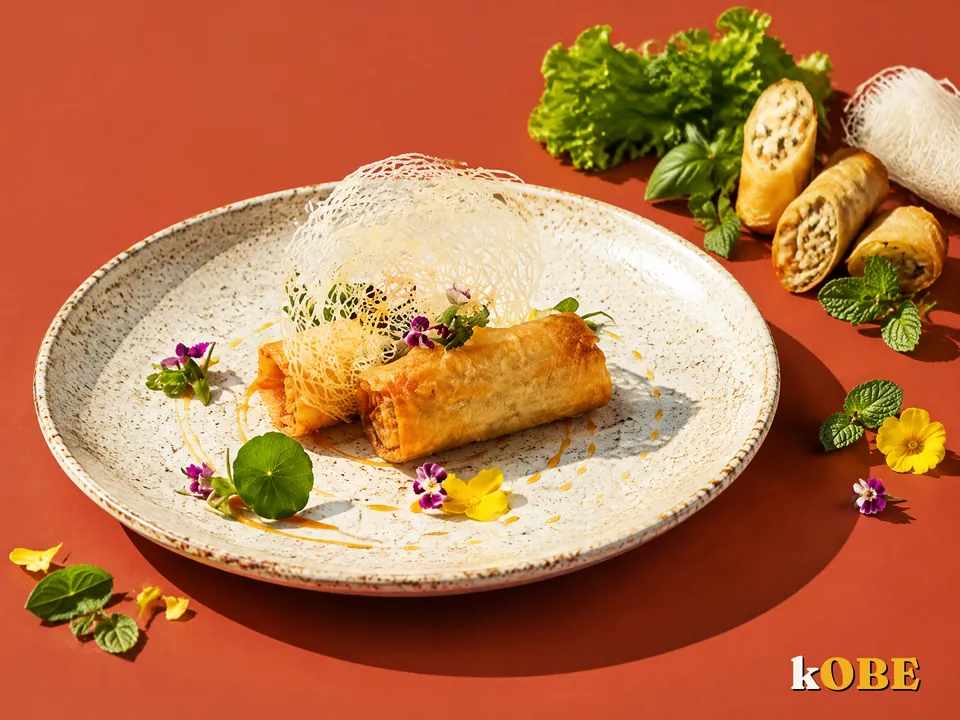
- Ginger appears in 239 kOBE recipes, from savory dishes and dipping sauces to drinks.
Choosing and storing
Young ginger has thin, smooth, pale skin and a mild, juicy bite, great for candying and pickling. Mature ginger has rough skin, more fiber and more heat, ideal for braises and broths. Choose firm roots that are not wrinkled or moldy. Wrap ginger in a paper towel, put it in a bag in the vegetable drawer; or freeze whole roots and grate them straight from frozen.
Cooking it well
Scrape the skin off with the edge of a spoon, which is faster and wastes less than a knife. Slice or smash ginger for broths and braises; mince or grate it finely for dipping sauces and marinades so the flavor spreads evenly. Add ginger early for a gentle warmth, or at the end for a bright, fresh kick. Ginger fish sauce tastes best when the ginger is pounded fresh right before the meal.