Data source: USDA FoodData Central, SR Legacy, FDC 170066 (Waterchestnuts, chinese, (matai), raw).
Fun facts
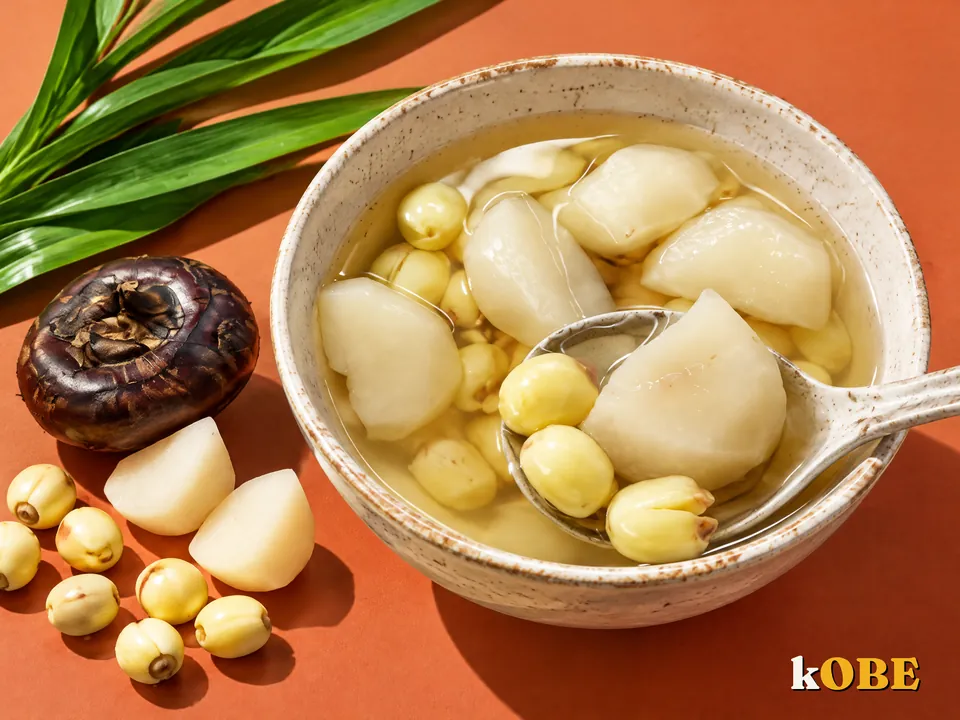
- Water chestnuts, called củ năng in the south and củ mã thầy in the north, are the corms of a sedge that grows in flooded fields and marshes.
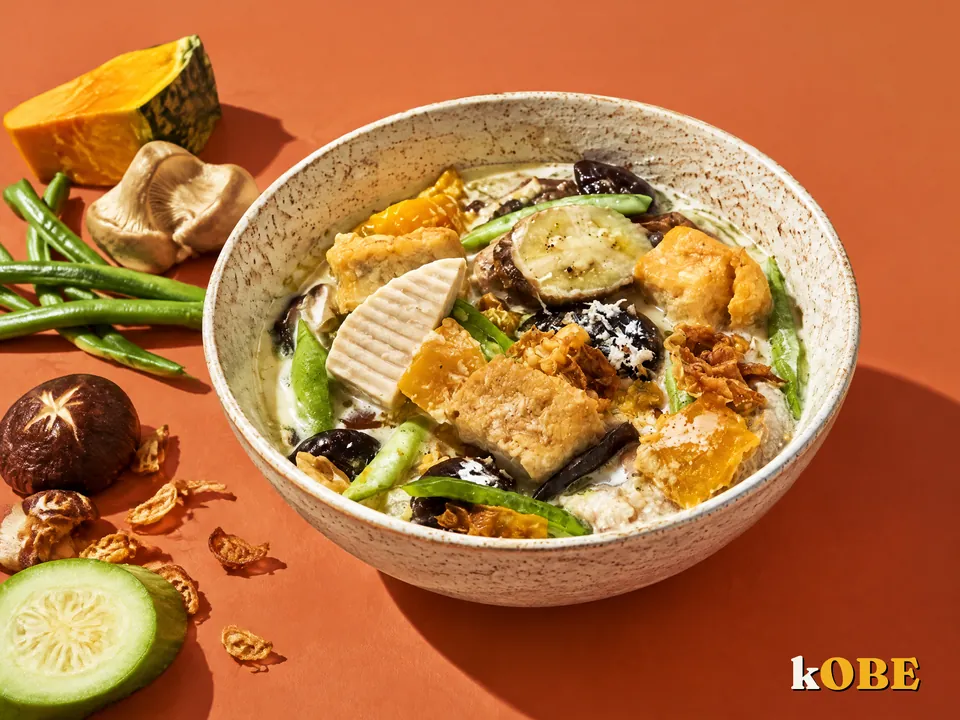
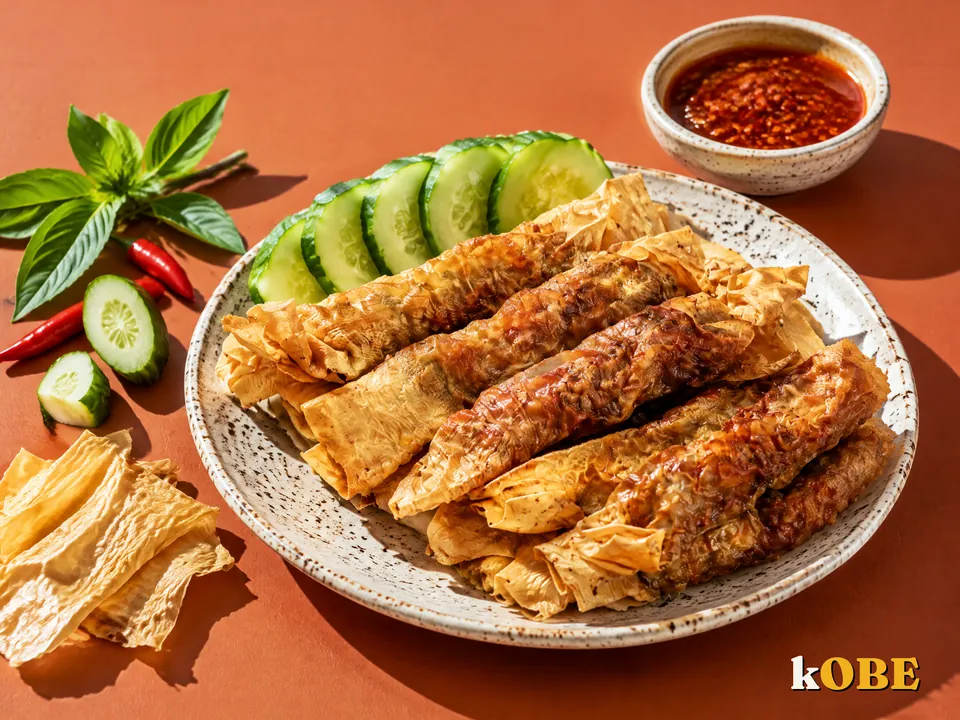
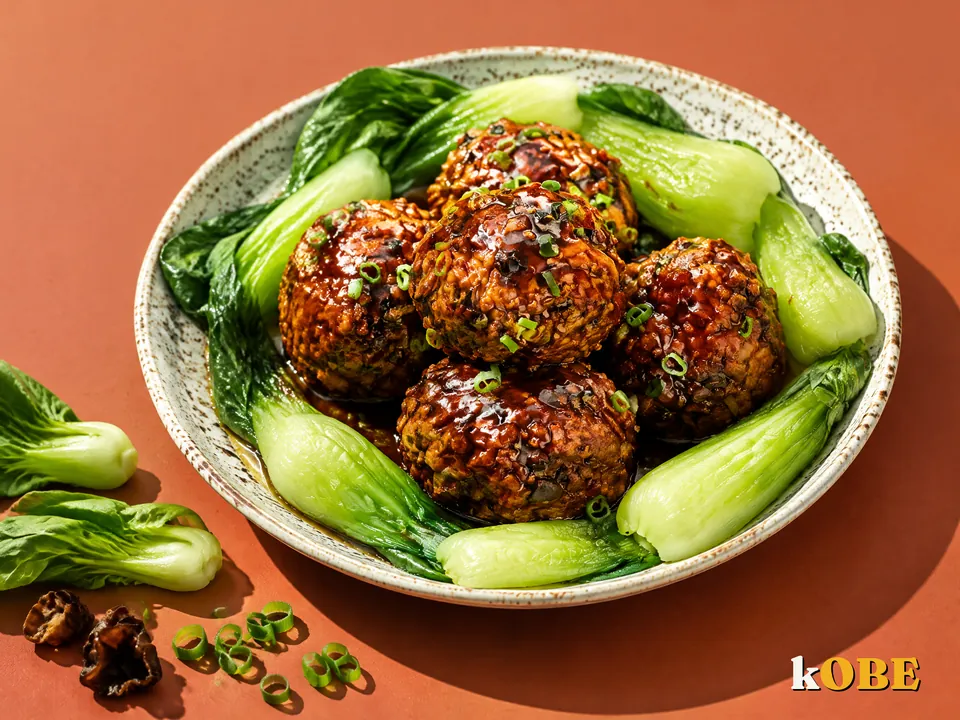
- The best part: they stay crunchy after cooking. Their cell walls are so tough that they never go soft like potatoes or radish. That is why they are chopped into spring roll filling and meatballs for extra crunch.
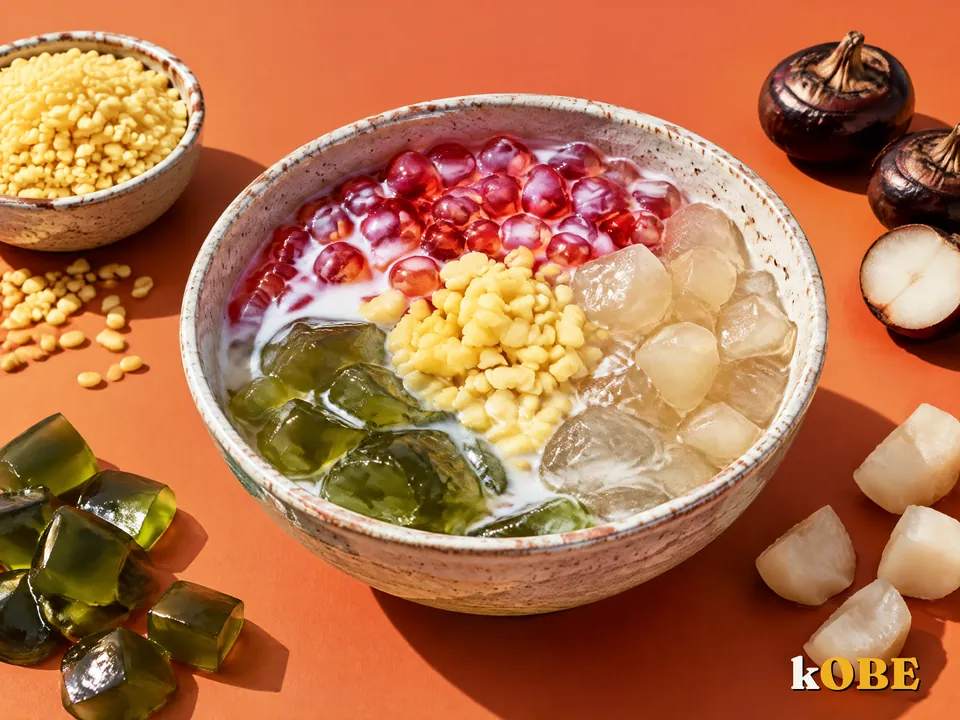
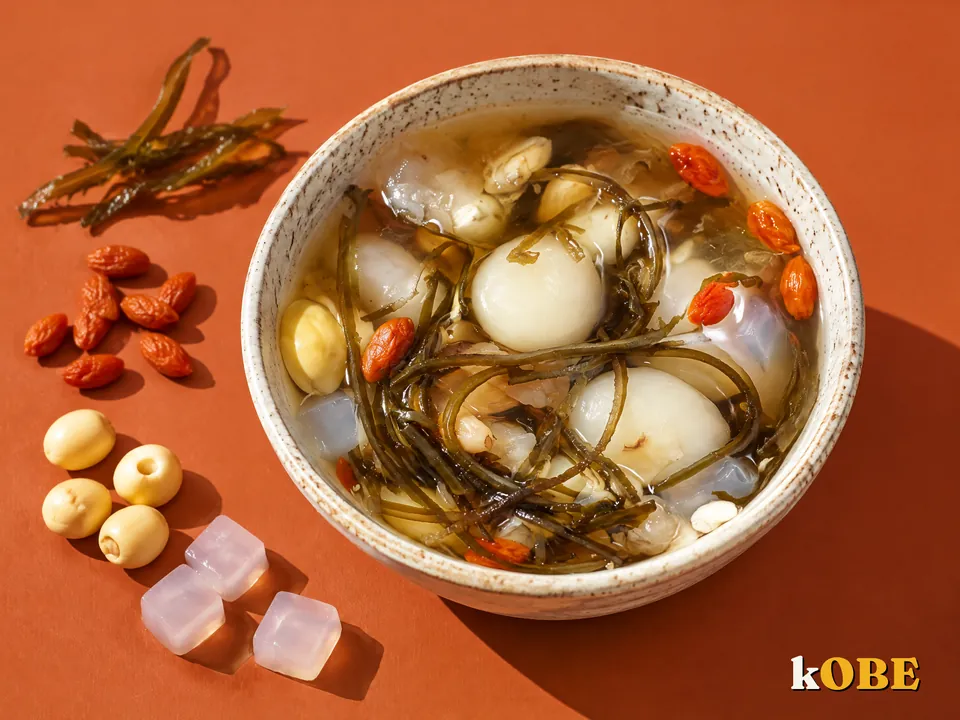
- The red "pomegranate seed" pieces in a popular southern Vietnamese sweet soup are diced water chestnut coated in tapioca starch and colored.
- 100g has about 97 kcal and 23.9g of carbs, more than most vegetables. In return you get 3g of fiber and 584mg of potassium, more than a banana (about 358mg).
Choosing and storing
Choose firm corms with glossy dark brown skin, no soft spots, wrinkles or sour smell. Unpeeled fresh water chestnuts keep in a paper bag in the crisper drawer for about a week. Peeled ones should sit in clean water in a sealed box, with the water changed daily, and be used within 2 to 3 days.
Cooking it well
They grow in mud, so wash them well, peel them completely and trim off the sprout end. They taste sweet and fresh like a pear, but since they grow in muddy water, blanch or cook them to be safe and never peel them with your teeth. In stir fries, fillings or soups, water chestnuts always keep their crunch. If you watch the starch in your meals, count them as part of your carbs, as we explain in what is starch.