Data source: USDA FoodData Central, SR Legacy, FDC 170390 (Cabbage, chinese (pak-choi), raw).
Fun facts
- The Vietnamese name cai thia means "spoon greens", after its juicy white stems and round green leaves shaped like a spoon. The English name bok choy comes from Cantonese.
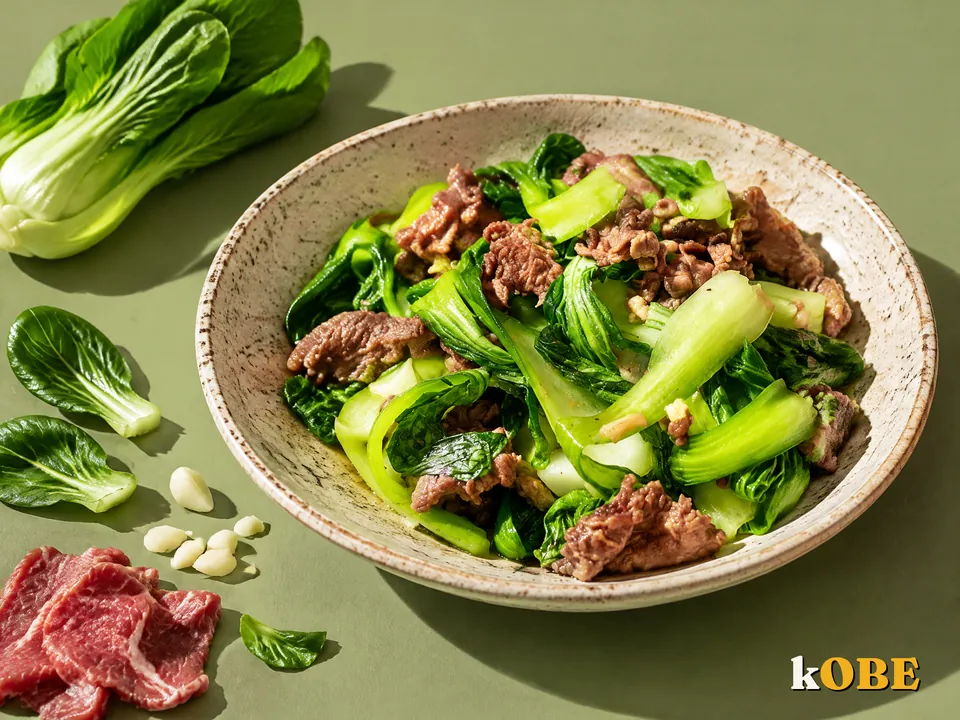
- 100g of bok choy has only about 13 kcal, among the lightest vegetables around. In a full plate of stir-fried bok choy, most of the calories come from the oil.
- Calcium is the highlight: 105mg per 100g, plus 45mg of vitamin C and 223 µg of vitamin A. Calcium from greens like bok choy is absorbed fairly well because they are low in oxalate.
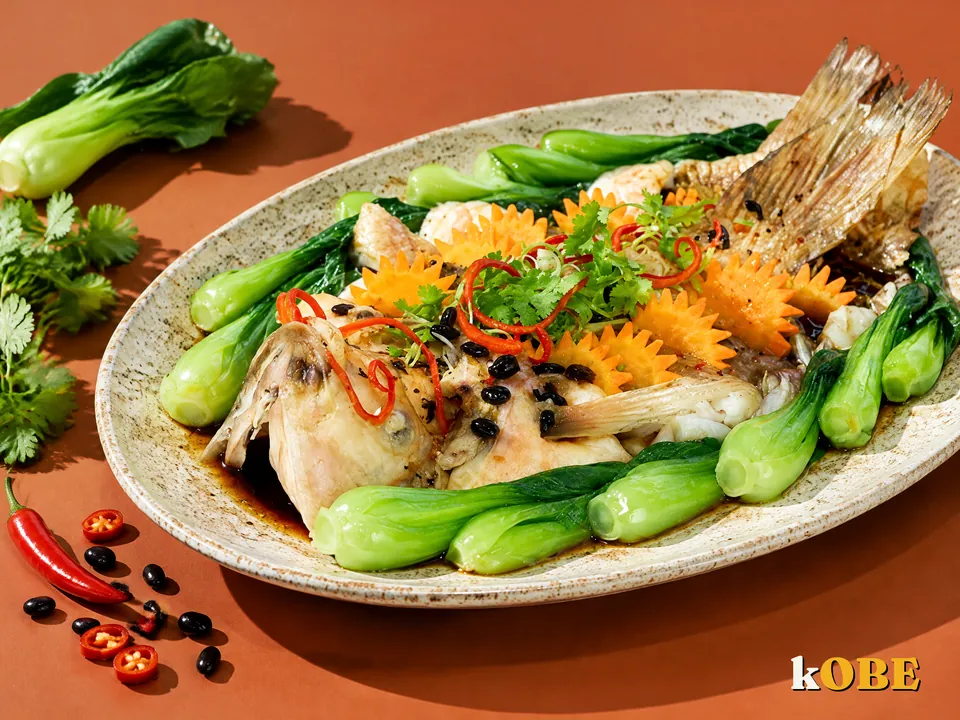
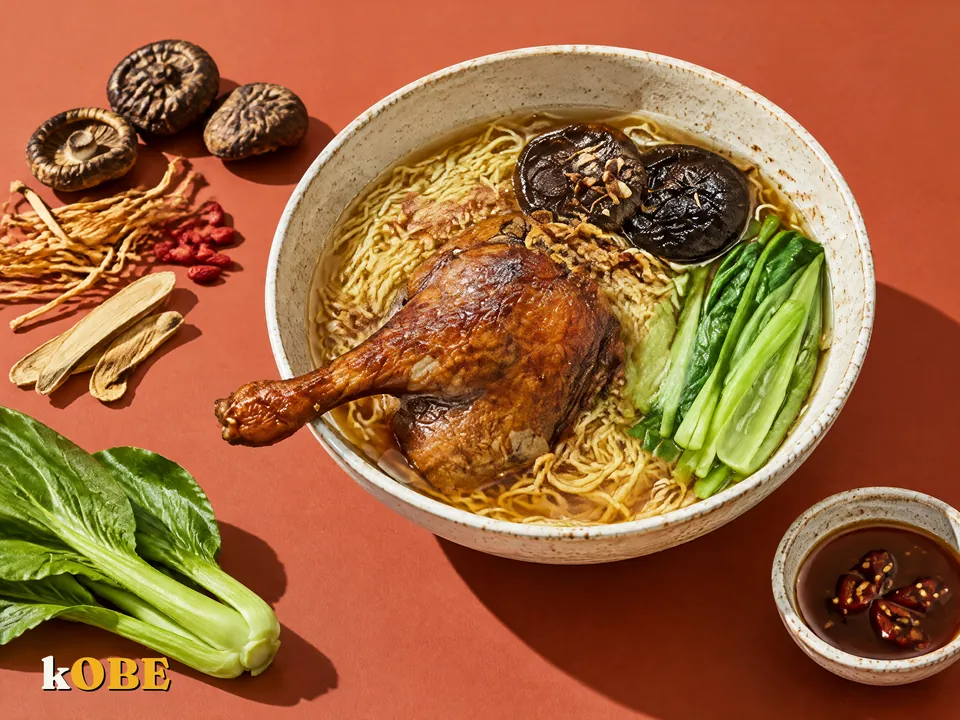
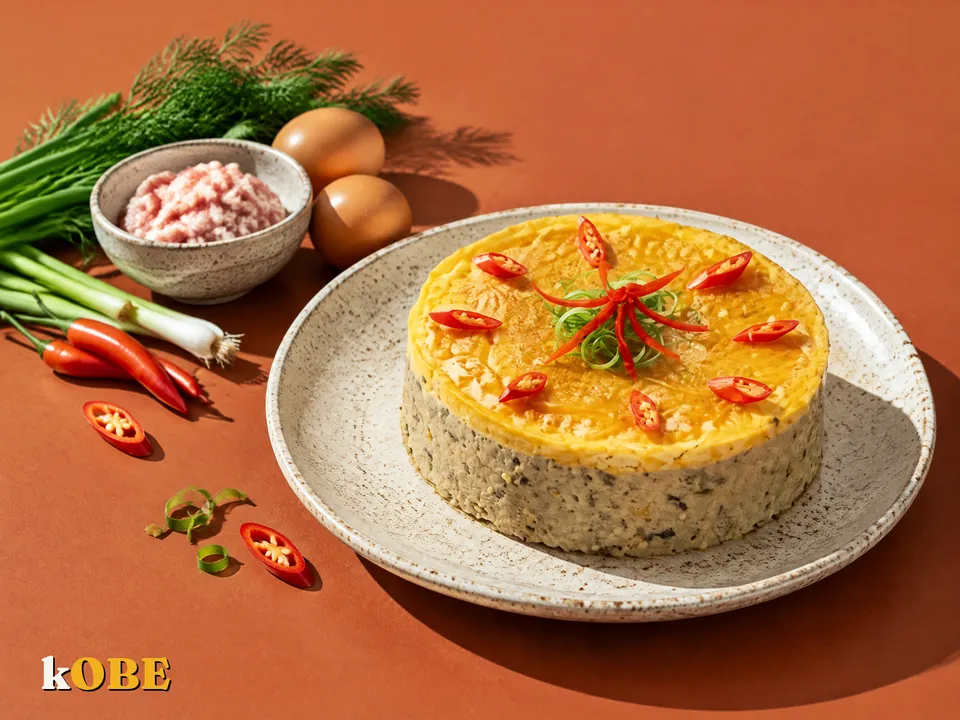
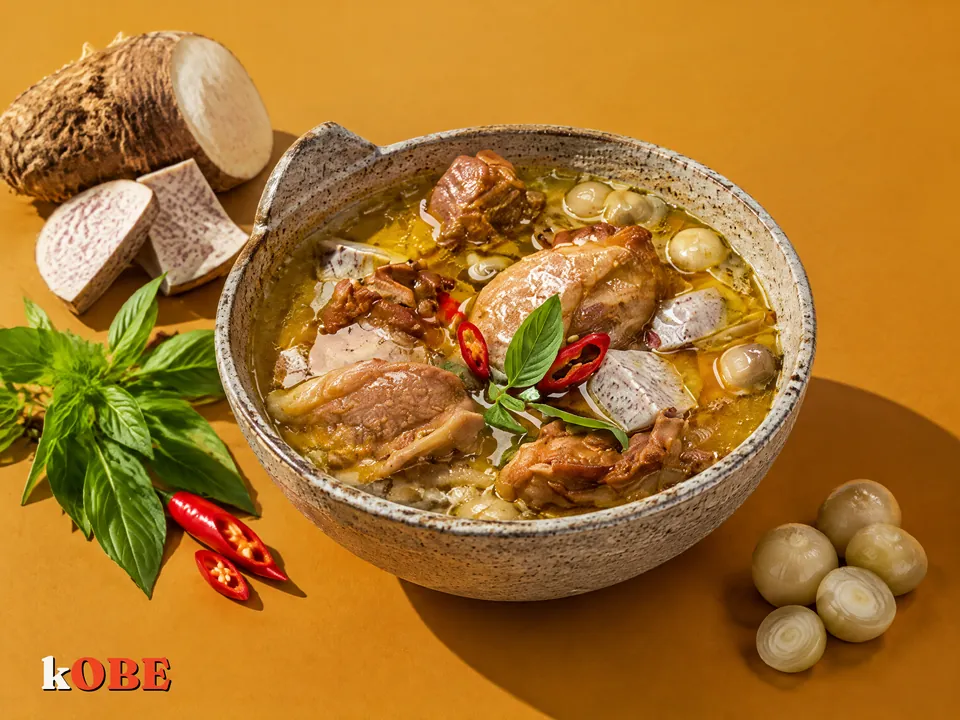
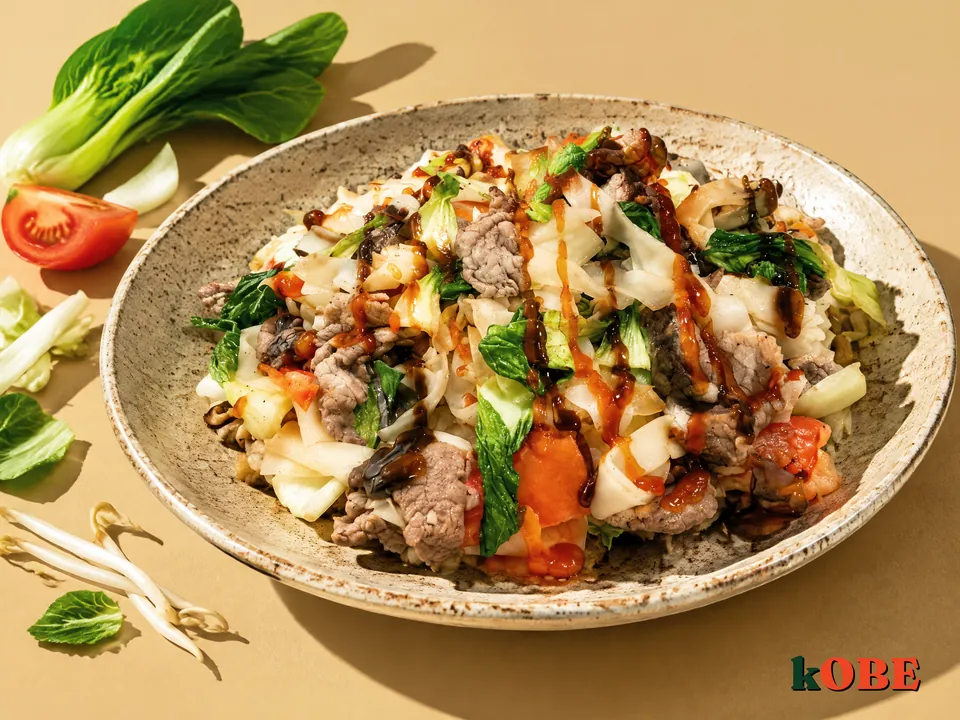
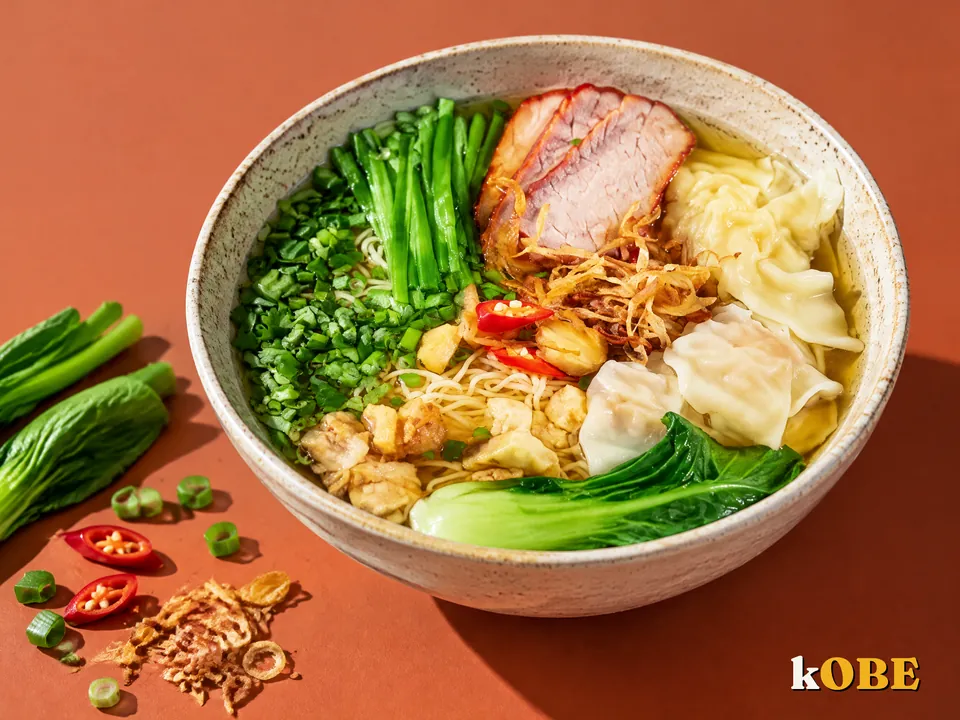
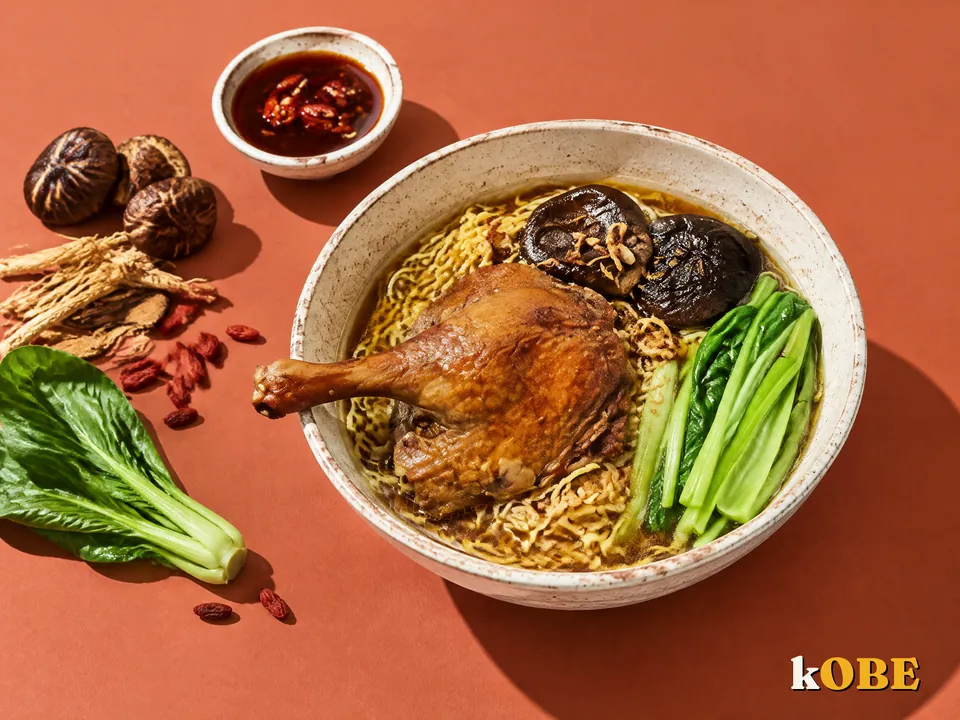
- In Vietnam, bok choy is stir-fried with garlic or oyster sauce, cooked in soup, dipped in hot pot or served with noodles. In the kOBE recipe library, bok choy appears in 11 dishes.
Choosing and storing
Choose small to medium heads with plump white or pale green stems and fresh green leaves, not yellowed or bruised. Young heads are usually sweeter and more tender than big ones. Keep bok choy in a paper-lined bag in the crisper drawer, do not wash before storing, and use within a few days. Soil often hides at the base, so separate the stalks when washing.
Cooking it well
Bok choy cooks fast, and two or three minutes of high-heat stir-frying keeps it crisp and bright green. Halve small heads and add the stems to the pan before the leaves. Short cooking keeps vitamin C, and a little oil helps you absorb vitamin A. If you are looking for calcium beyond dairy, see calcium-rich foods without dairy.