Data source: USDA FoodData Central, SR Legacy, FDC 175165 (Fish, catfish, channel, farmed, raw).
Fun facts
- Basa and tra are two related catfish species farmed widely in the Mekong Delta. Vietnamese tra fillets are exported to many countries, where they are often sold as "basa" or "pangasius".
- The USDA database has no entry for basa, so we use farmed channel catfish as a reference: about 119 kcal, 15.2g of protein and 5.9g of fat per 100g raw. Real basa numbers may differ a little.
- Using the same reference, 100g of fish has about 302mg of potassium. Basa fillets have almost no pin bones, which makes them easy for kids and older adults.
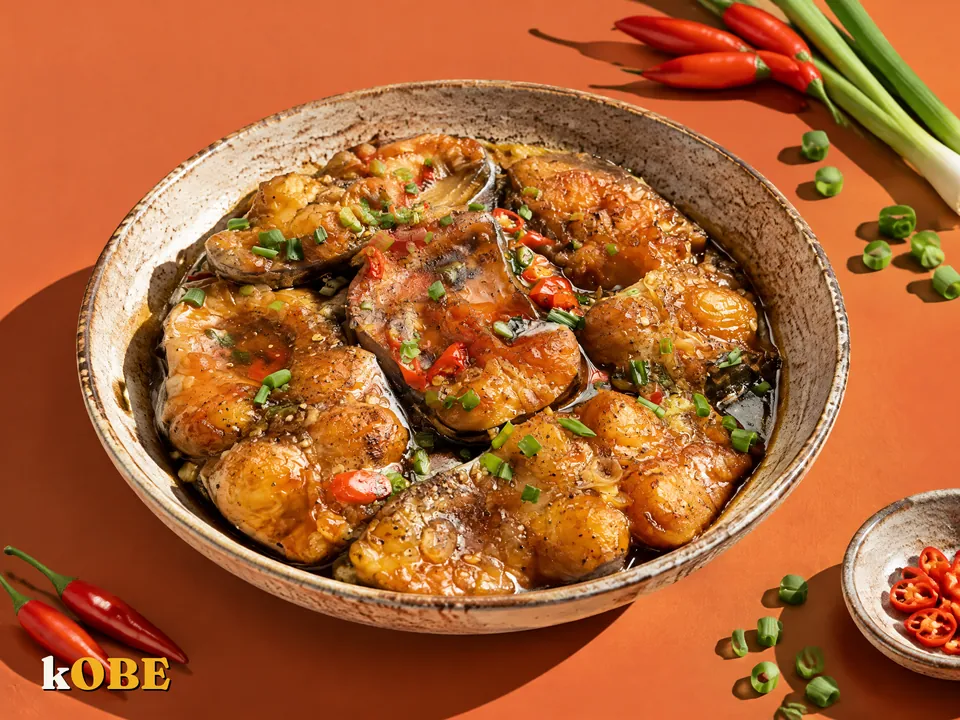
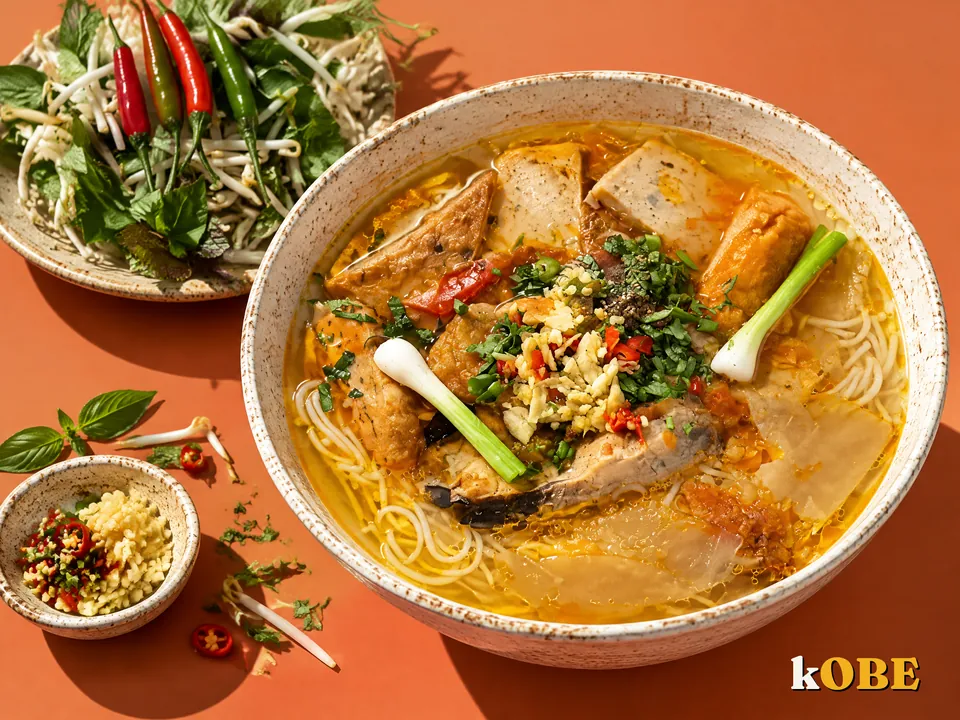
- Clay pot braised basa, sour soup with basa and fermented fish hot pot are classic Mekong Delta dishes. Basa and tra appear in 3 recipes in the kOBE recipe bank.
Choosing and storing
Fresh fillets are white or pale pink, firm, with no muddy or odd smell. Skip fillets that feel mushy or leak a lot of cloudy liquid. For whole fish, look for clear eyes, red gills and a belly that is not bloated. Use fresh fish within 1 to 2 days; thaw frozen fillets in the fridge, never in hot water.
Cooking it well
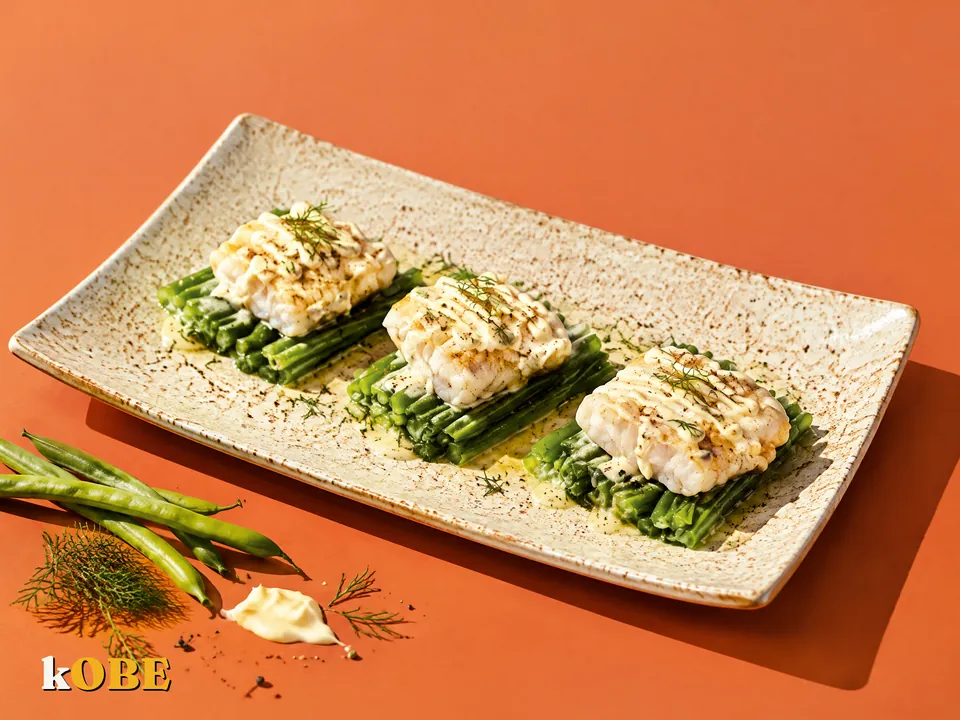
Basa is tender, cooks fast and breaks apart easily, so add it last to braises and soups and stir gently. The yellow belly fat is the richest part, and you can trim some for a lighter dish. Steaming with ginger and scallion, baking in foil or pan searing with a little oil all suit this white fish. Frozen fish needs proper thawing, see how to thaw food safely.