Data source: USDA FoodData Central, SR Legacy, FDC 169717 (Tapioca, pearl, dry).
Fun facts
- Tapioca starch is extracted from cassava root. On packs you may see it called tapioca starch, tapioca flour or cassava starch.
- The numbers here are for dry tapioca pearls: about 358 kcal and 88.7g of carbs per 100g, but only 0.2g of protein and almost zero fat. Put simply, it is nearly pure starch.
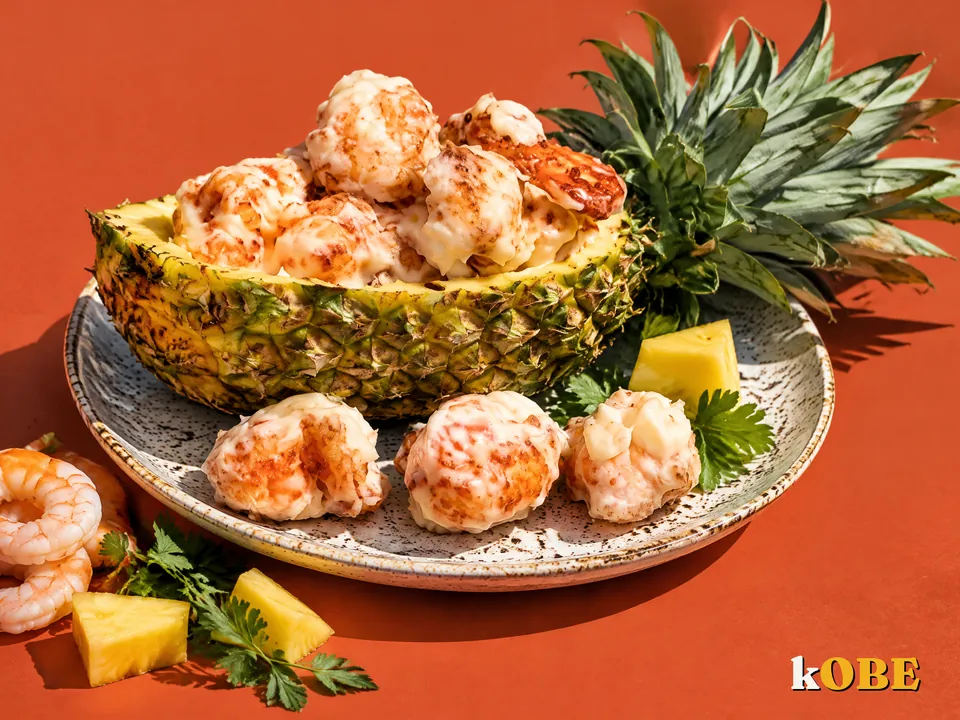
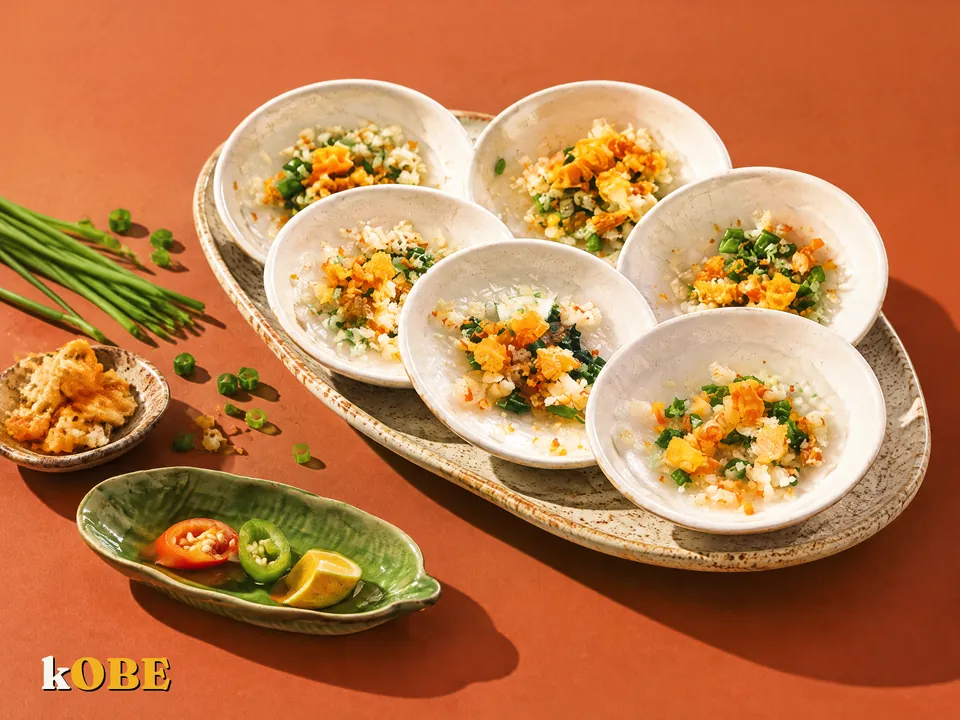
- Cooked tapioca turns clear and chewy. That is what gives us boba pearls, translucent banh bot loc with the shrimp showing through, and layered banh da lon.
- Tapioca starch is gluten free, so it is often mixed with rice flour to add chew without any wheat.
Choosing and storing
Choose bright white, fine starch that squeaks slightly when squeezed and has no sour smell. It absorbs moisture easily, so seal it well after opening and keep it somewhere cool and dry. Clumped or off-smelling starch is best thrown out.
Cooking it well
To thicken a soup or sauce, mix the starch with cold water first, then pour it slowly into the simmering pot while stirring, and it will not clump. A little goes a long way, because it thickens very fast. For banh bot loc or pearls, the dough is usually kneaded with boiling water so the starch partly cooks and becomes pliable. Since it is almost all starch, dishes heavy in tapioca are best paired with protein and vegetables; see pair rice with protein and vegetables.