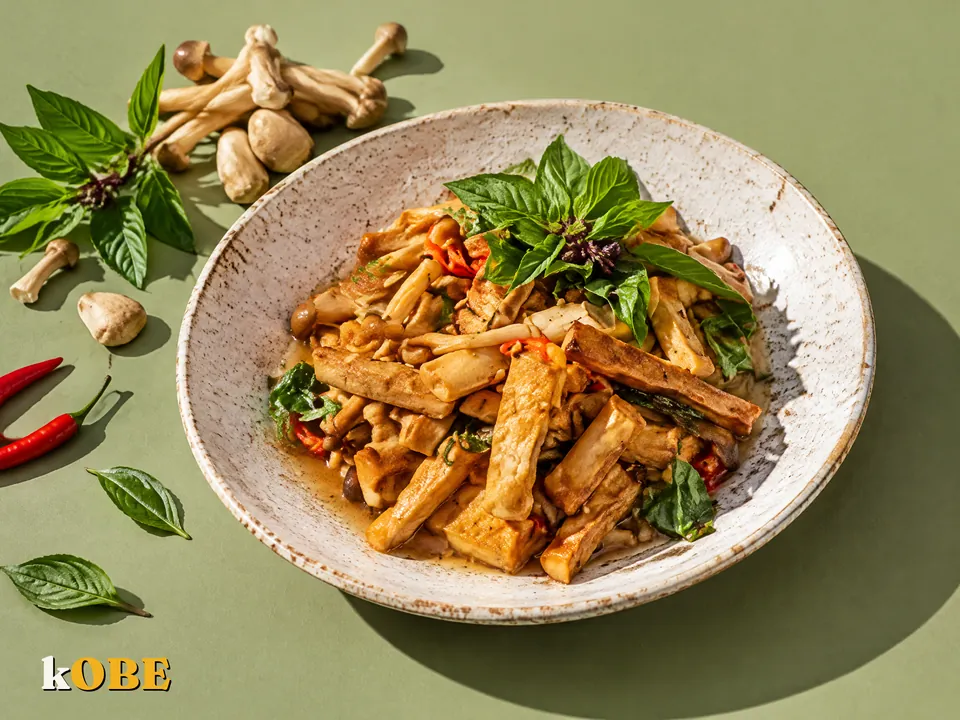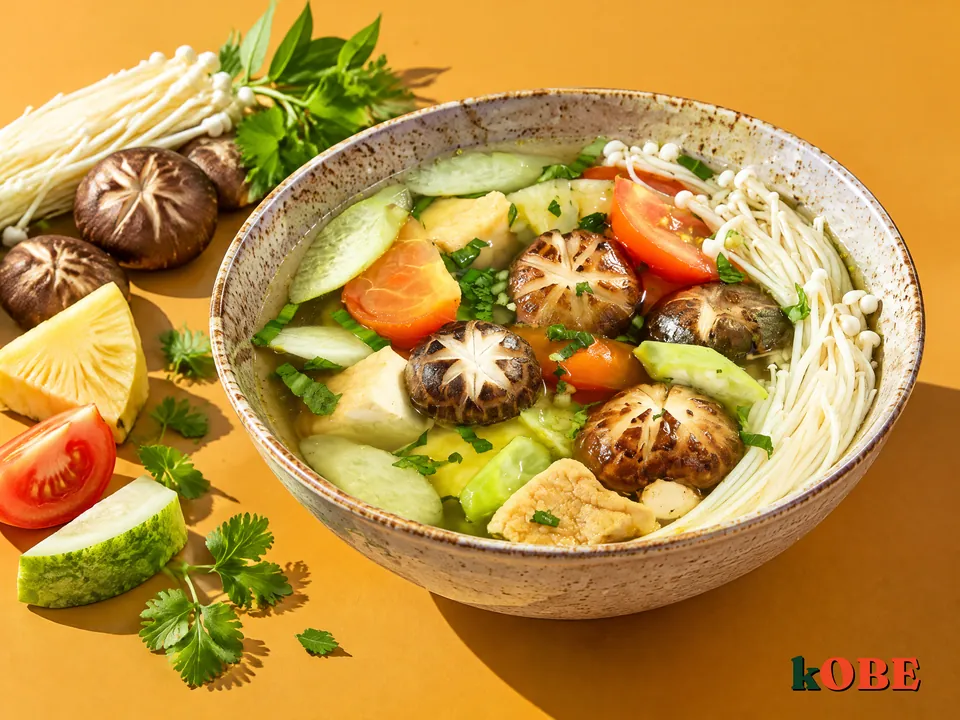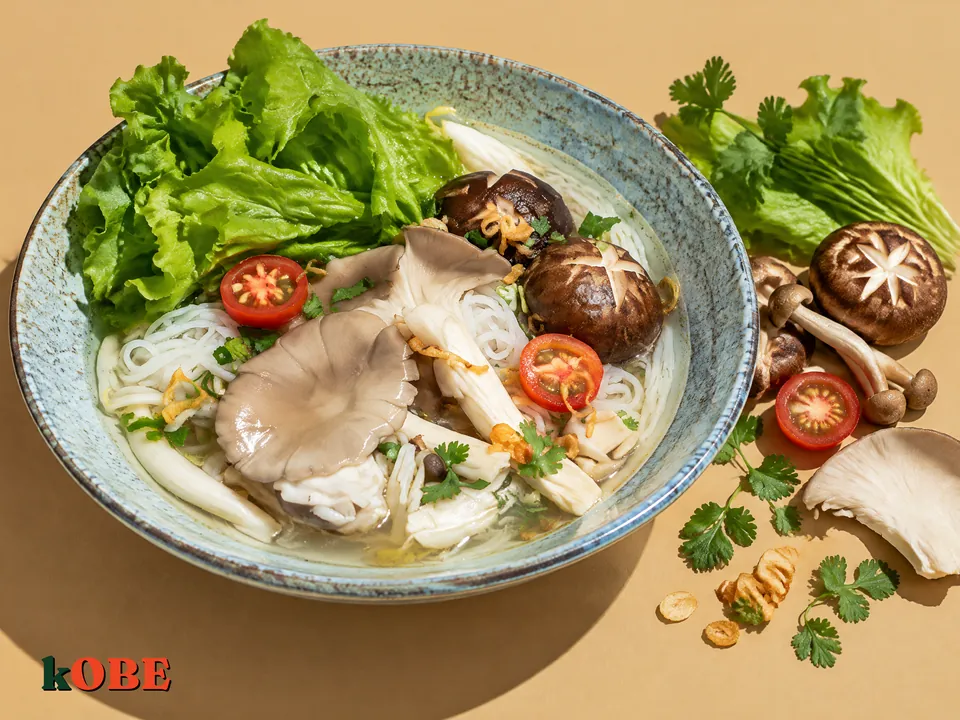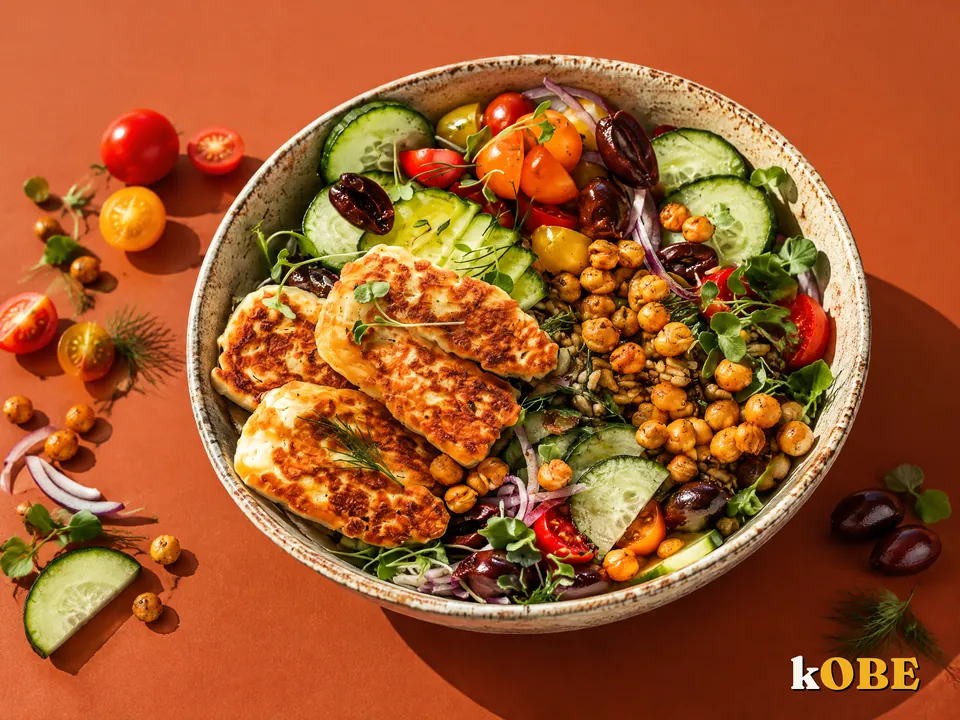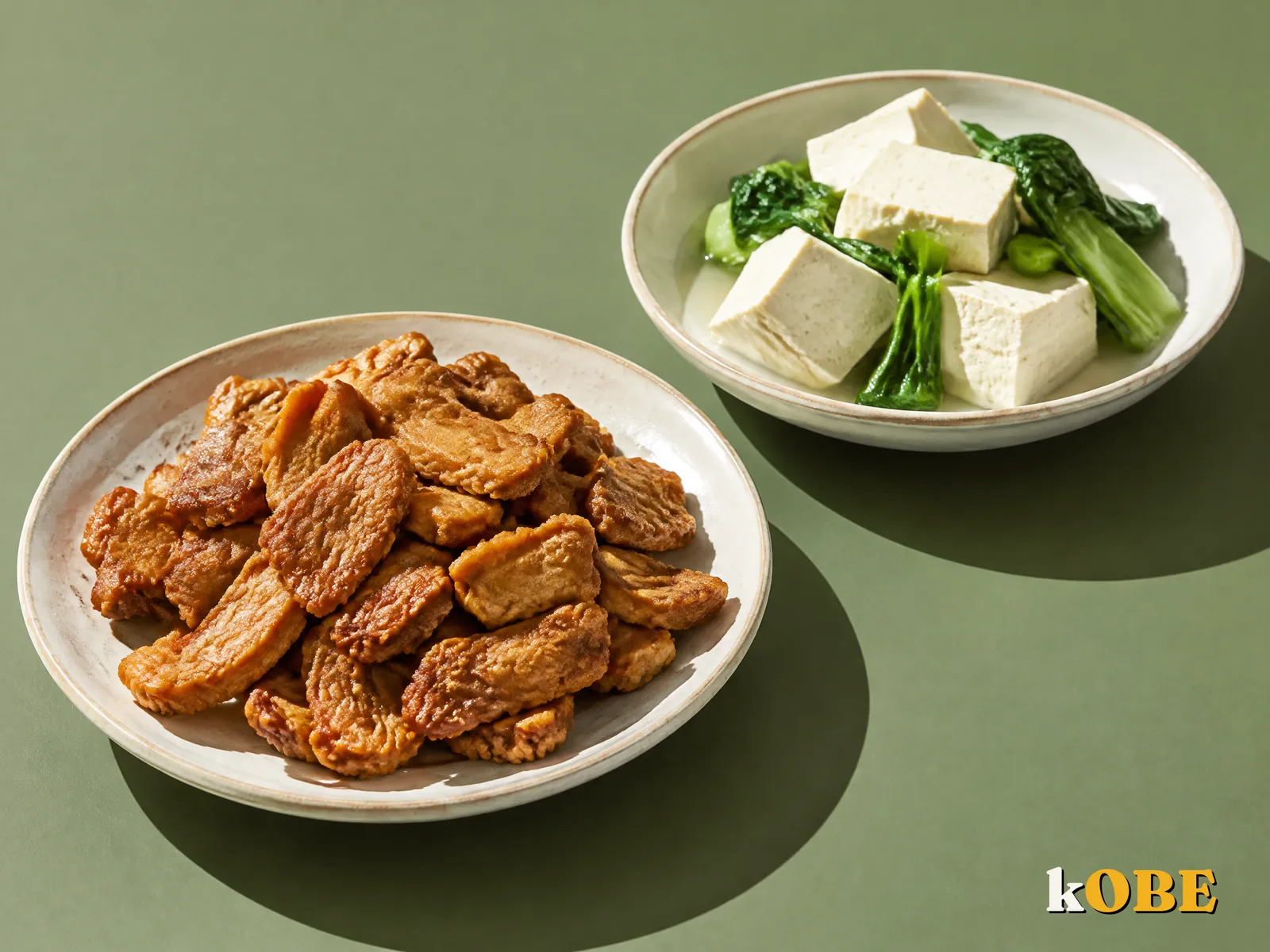
On full moon day, Mum lays out a vegetarian spread: vegetarian chả lụa (mock pork roll), braised mock ribs, fried tofu with lemongrass, vegetarian chả giò (spring rolls), plus a bowl of mushroom soup. After the meal, everyone says: "Eating vegetarian today, nice and light on the stomach."
But count carefully, and that spread has three fried dishes and two made from bean and wheat flour, seasoned boldly. Light on the stomach? Not necessarily.
Vegetarian eating can be a very wholesome way to eat. Or not. What decides it is how you eat vegetarian.
In this article
"Vegetarian" is a name, not a guarantee
There are many kinds of vegetarian eating, each at its own level:
- Lacto-ovo vegetarian: no meat or fish, but eggs and dairy are fine.
- Vegan: no animal products at all.
- Periodic vegetarian (ăn chay kỳ): eating vegetarian on full moon days, the first day of the lunar month, or during certain seasons. This is very common in Vietnam.
- Plant-based: mostly vegetables, beans and grains, with meat or fish now and then.
The word "vegetarian" only says what you do not eat. It does not say what you do eat. A plate of fries with a soda is a vegetarian meal too.
What science is fairly sure of, and what is still discussed
Fairly sure: a well-planned vegetarian diet can be nutritionally adequate for all ages. That is the 2016 position of the Academy of Nutrition and Dietetics in the US. Vegetarians tend to eat more fibre, vegetables and beans, and less saturated fat.
What is fair to add:
- Many studies on vegetarian eating are observational. Vegetarians in the West also tend to smoke less, drink less alcohol and exercise more. It is hard to isolate the effect of not eating meat.
- Results are not consistent across every health marker. Some long-term studies note both benefits and points that need more monitoring.
- The quality of the vegetarian meal matters a lot. Studies separating "vegetarian with lots of vegetables, beans and whole grains" from "vegetarian with lots of refined carbs and sweets" find clear differences between the two groups.
In short: vegetarian eating has the potential to be healthy, but it is not automatically healthy.
Nutrients that are easy to run short on
When you drop meat and fish, a few nutrients need a little attention:
| Nutrient | Why it is easy to miss | Where to get it on a vegetarian diet |
|---|---|---|
| Protein | Plant foods usually have less protein by weight | Tofu, chickpeas, soybeans, eggs, dairy |
| Vitamin B12 | Found almost only in animal foods | Eggs, dairy, B12 supplements (vegans should ask a doctor) |
| Iron | Plant iron is absorbed less well | Beans, dark leafy greens, sesame; eat with vitamin C rich fruit |
| Calcium | If you skip dairy | Tofu set with calcium salts, sesame, leafy brassicas |
| Zinc | Absorbed less well from plants | Beans, nuts and seeds, whole grains |
| Omega-3 | No fish | Flaxseed, walnuts, chia seeds |
Long-term vegans should pay special attention to vitamin B12. B12 deficiency develops quietly over many years. Ask your doctor about testing and supplements.
People who eat vegetarian a few days a month do not need to worry much about deficiencies.
Mock meats: handy and tasty, but worth watching
Vegetarian chả lụa, mock ribs, vegetarian sausages and meat-style slices are very familiar on the Vietnamese vegetarian table. They add variety and make vegetarian meals easier for beginners.
But many mock meats have things in common:
- They go through many processing steps, using soy protein, wheat gluten and starch.
- They are often pre-fried or need frying before cooking.
- They are seasoned quite heavily with salt, MSG and sugar to taste like meat.
That does not mean you should avoid them. Just think of them as extras, not the base of your vegetarian meal. The base should be fresh tofu, beans, mushrooms, vegetables and grains.
What does a balanced vegetarian spread look like?
A nourishing vegetarian table could look like this:
- One clear protein dish: tofu braised with mushrooms, stewed chickpeas, steamed egg (if you eat eggs).
- One big plate of vegetables: boiled, or stir-fried with little oil.
- One bowl of soup: vegetarian canh chua (sweet and sour soup), vegetable soup.
- Moderate carbs: rice, ideally with some brown rice.
- One fried or mock meat dish if you like, in a small portion.
Tofu is the star of the Vietnamese vegetarian table. One block of tofu has about 8 to 10g protein, about the same as one and a half eggs.
Inside the kOBE kitchen
We have a few things that help vegetarian meals get more protein.
kOBE Signature Lean Mayo, Vegan is made from soybean tofu, with no eggs, no dairy and no preservatives. Per 100g it has 49 kcal, 3.5g protein and 2g fat. Our Vegan Chickpea Sweet Roots Poke uses this same vegan Lean Mayo.
Our ready-cooked Chickpeas have 8.9g protein per 100g. Edamame has 11.9g protein. Combine them with Black Brown Rice and Sesame Kale for a colourful, protein-rich vegetarian meal. See them on the Ingredients page.
Frequently asked questions
Do vegetarians get enough protein?
Can children eat vegetarian?
Is there any benefit to eating vegetarian a few days a month?
Keep reading
Sources
- Melina V., Craig W., Levin S. (2016). Position of the Academy of Nutrition and Dietetics: vegetarian diets. Journal of the Academy of Nutrition and Dietetics 116(12):1970 to 1980.
- Satija A. et al. (2017). Healthful and unhealthful plant-based diets and the risk of coronary heart disease in U.S. adults. Journal of the American College of Cardiology 70(4):411 to 422.
- NHS (UK). The vegetarian diet and The vegan diet.
- National Institute of Nutrition (Vietnam). Vietnamese Food Composition Table (tofu, beans and pulses).
- Further reading: Nutrition: Concepts and Controversies 16th ed., chapter 6; Diet Cults (Matt Fitzgerald), chapter 3.