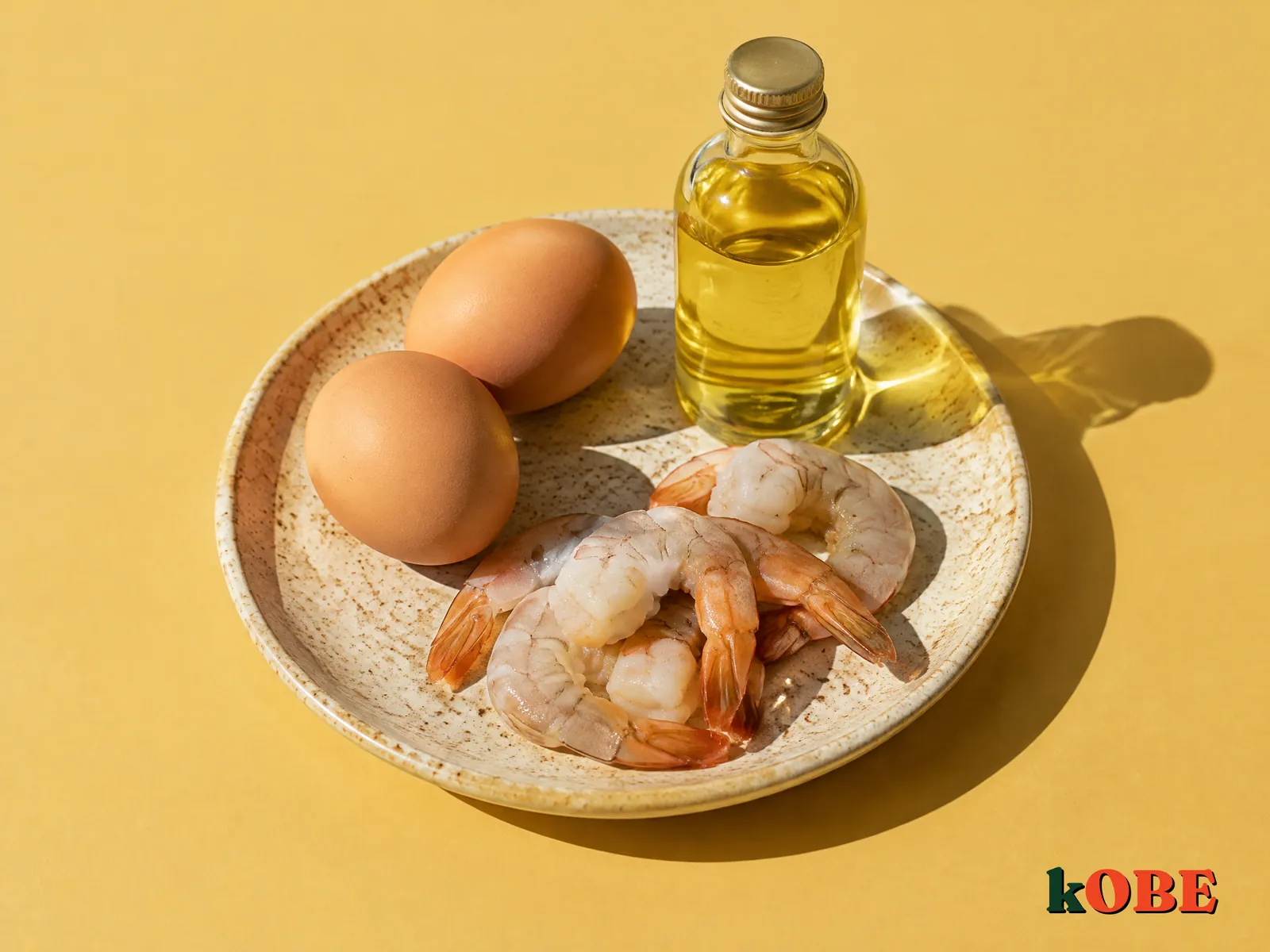
At the supermarket, you'll see plenty of cooking oil bottles printed in big letters: "Cholesterol free". Sounds reassuring.
But here's a little secret: every plant oil is cholesterol free. Soybean oil, peanut oil, olive oil, palm oil, even coconut oil. Printing that on the label is like a bottle of water announcing it's "boneless".
Cholesterol comes with plenty of fun misunderstandings like this. Some families come home from a health checkup and ban eggs from the house. Let's start from the beginning.
In this article
Cholesterol isn't the enemy: your body needs it
Cholesterol is a special, waxy kind of fat. The name sounds scary, but your body can't run without it:
- Building cell membranes: it keeps the cell's outer layer both sturdy and flexible.
- Making hormones: some important hormones are made from cholesterol.
- Making vitamin D: your skin uses cholesterol and sunlight to make vitamin D.
- Making bile: which helps digest the fat in your meals.
Fun fact: your liver makes most of the cholesterol your body needs. The part from food is the smaller share.
Only animals make cholesterol. Plants don't. That's why cholesterol is only found in meat, fish, eggs, dairy, seafood and organ meats.
Cholesterol on your plate vs in your blood: two different things
When you hear "high cholesterol", that usually means blood cholesterol. The cholesterol in an egg is dietary cholesterol. The two are related, but eating a certain amount doesn't raise your blood level by the same amount.
Your body has a clever balancing system: eat more cholesterol and your liver makes less. Eat less and your liver makes more.
Where science broadly agrees today:
- For most healthy people, dietary cholesterol raises blood cholesterol only slightly.
- Some people respond more strongly, and their blood level rises more noticeably.
- Saturated fat and trans fat usually affect blood LDL more than dietary cholesterol itself. More in Saturated, unsaturated and trans fat.
So a plate of eggs fried in lard with sausages and a plate of boiled eggs with vegetables can have the same cholesterol, yet be very different meals overall.
Which Vietnamese foods are high in cholesterol?
The numbers below are rounded estimates from the USDA database:
| Food | Cholesterol, roughly |
|---|---|
| 1 medium chicken egg | 185mg |
| 100g cooked shrimp | 190mg |
| 100g squid | 230mg |
| 100g cooked chicken liver | over 500mg |
| 100g pig brain | over 2,000mg |
| 100g cooked chicken breast | 85mg |
| 100g cooked salmon | 60 to 70mg |
| 1 tablespoon mayonnaise | about 5 to 10mg |
A few surprises:
- All of an egg's cholesterol is in the yolk. The white has almost none.
- Pig brain is the "champion": 100g has more than ten times an egg. Few people eat it often, so there's no need to worry much.
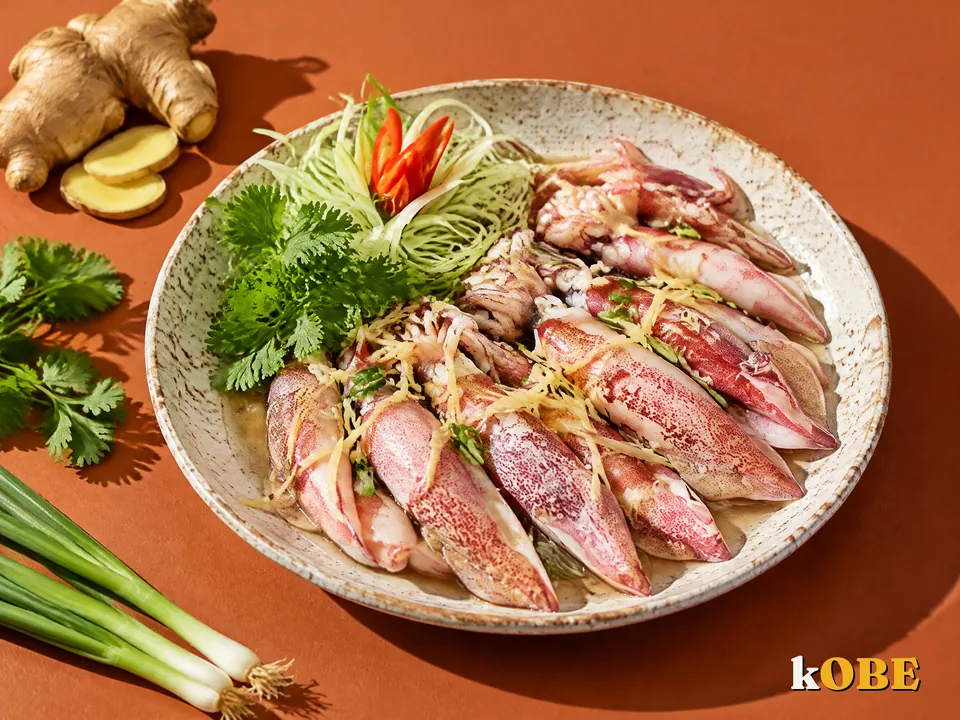
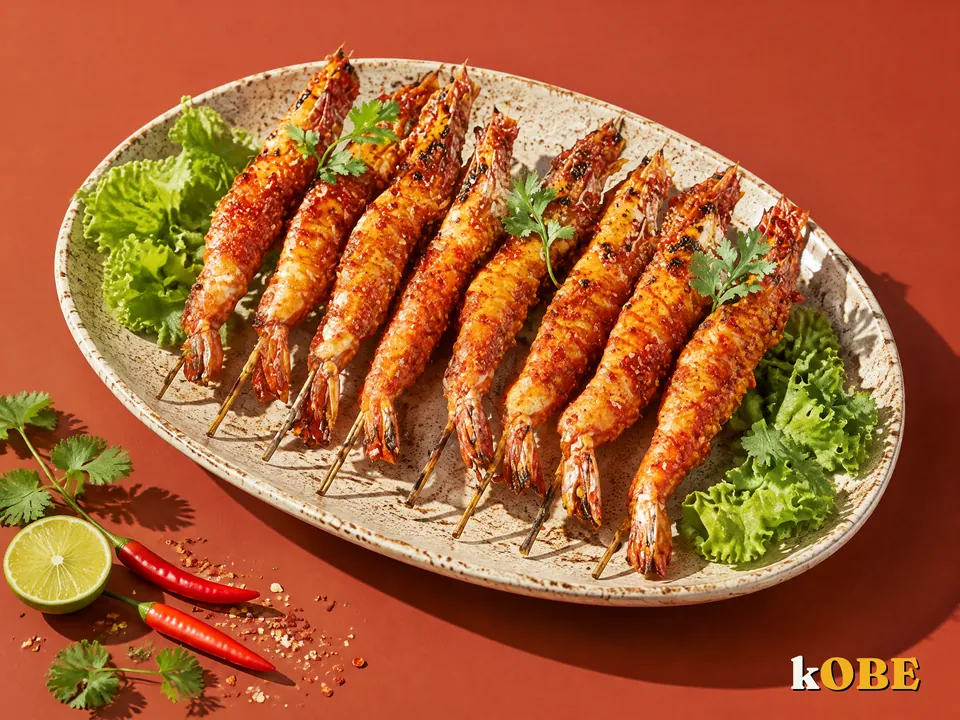
- Shrimp and squid are high in cholesterol but very low in saturated fat. So they're not as scary as their reputation.
- Mayo has very little cholesterol, since most of the jar is vegetable oil and the yolk is just a small part.
From "300mg" to "eat within a healthy diet"
For years, people quoted a limit of 300mg of cholesterol a day, less than two eggs.
In 2015, the Dietary Guidelines for Americans dropped this hard limit. The reason: evidence showed dietary cholesterol has a smaller effect than once thought. Still, the guidelines advise keeping dietary cholesterol low within a healthy eating pattern, because foods high in cholesterol are often high in saturated fat too.
In short: the hard number was replaced by a whole-meal view.
So what about eggs?
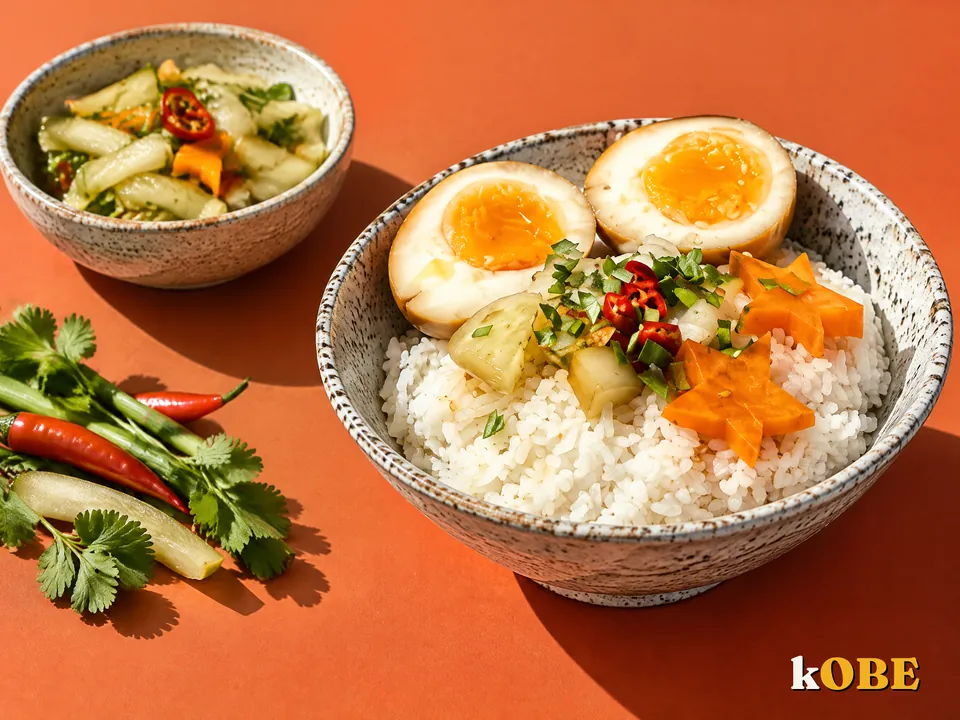
Eggs are one of the most nutritious and affordable foods in a Vietnamese kitchen: high-quality protein, vitamin B12, choline and lutein.
For healthy people, many nutrition organizations consider about one egg a day reasonable in a balanced diet. What matters more is what comes with the egg:
- Boiled eggs, steamed eggs, eggs fried in a little oil: light and easy.
- Eggs fried in lard, with sausages, bacon and buttered bread: saturated fat piles up.
If your blood lipids are being monitored, ask the health professional caring for you how many eggs suit you. Everyone is different.
Inside the kOBE kitchen
We don't "score" each dish for cholesterol. But a few options help you balance things yourself.
Our Sous Vide Chicken Breast is simply brined in sea salt, with 31g of protein and 3.6g of fat per 100g of cooked meat. If you want a creamy sauce not made from eggs, there's kOBE Signature Lean Mayo, Vegan, with a soybean tofu base, no eggs and no dairy. kOBE Signature Lean Mayo is the egg-based version, for those who love that familiar mayo taste.
Every dish in our 1,480 home recipes lists calories, protein, fat and sugar per 100g, so you can see the whole meal instead of a single number.
Frequently asked questions
Shrimp and squid are high in cholesterol, should I avoid them?
Is eating just the white and skipping the yolk better?
Coconut oil has no cholesterol, so can I use it freely?
Keep reading
Sources
- U.S. Department of Health and Human Services, U.S. Department of Agriculture (2015). 2015 to 2020 Dietary Guidelines for Americans, 8th ed.
- USDA FoodData Central, SR Legacy: chicken egg, cooked shrimp, squid, chicken liver, pork brain, chicken breast, salmon, mayonnaise.
- Harvard T.H. Chan School of Public Health, The Nutrition Source. Eggs and Fats and Cholesterol.
- WHO (2023). Saturated fatty acid and trans-fatty acid intake for adults and children: WHO guideline.
- Further reading: Understanding Nutrition 16th ed., chapter 5.