Go to the supermarket with a little one and you'll notice it. The candy rack always sits right by the checkout, exactly at a child's eye level.
Your child loving sweets isn't their fault. It isn't yours either. It's something they're born with.
The good news is that taste can change. Slowly, gently, no bans or scolding required.
In this article
Babies come "pre-installed" with a sweet tooth
Newborns who have never tasted anything already react differently to each flavor. Give them a little sweetness and their faces relax. Give them something bitter and they grimace right away.
Scientists think this is "software" left by our ancestors. Sweetness usually signaled food that was rich in energy and safe, like breast milk and ripe fruit. Bitterness sometimes signaled something best not eaten.
Kids also like things sweeter than adults do. The sweetness a child finds "just right" is usually higher than what their parents prefer. That preference tends to soften as they grow.
How much sugar is okay for kids?
The World Health Organization (WHO) advises keeping free sugars below 10% of daily energy. Below 5% is even better. Free sugars are sugars added to food, plus the sugar in honey, syrups and fruit juice.
The American Heart Association turns that into an easier number for kids aged 2 and up: under 25g of added sugar a day. That's about 6 teaspoons. For children under 2, the advice is no added sugar at all.
6 teaspoons might sound like plenty. But one 330ml can of soda already has about 35g of sugar, more than 8 teaspoons. A single can blows past the whole day's limit.
No need to count every gram. Just remember: most of a child's added sugar usually comes from sweet drinks and packaged snacks. Sweetened milk, drinkable yogurt and cookies each add a few more teaspoons. The exact numbers are on each product's label.
Why do outright bans usually backfire?
Research on children's eating behavior shows something interesting. The more a food is hidden or forbidden, the more kids want it. When they finally get the chance, they eat much more of it.
Sweets are also often used as rewards. "Finish your veggies and you get candy." That line accidentally teaches kids that vegetables are a chore to endure, and candy is the thing worth looking forward to.
The long-term goal isn't a child who never eats candy. It's a child who can enjoy candy in moderation, and also likes other flavors.
Five gentle steps to cut back on sweetness
- Start with drinks. This is the easiest place. Water, unsweetened milk, homemade limeade that gets a little less sweet over time.
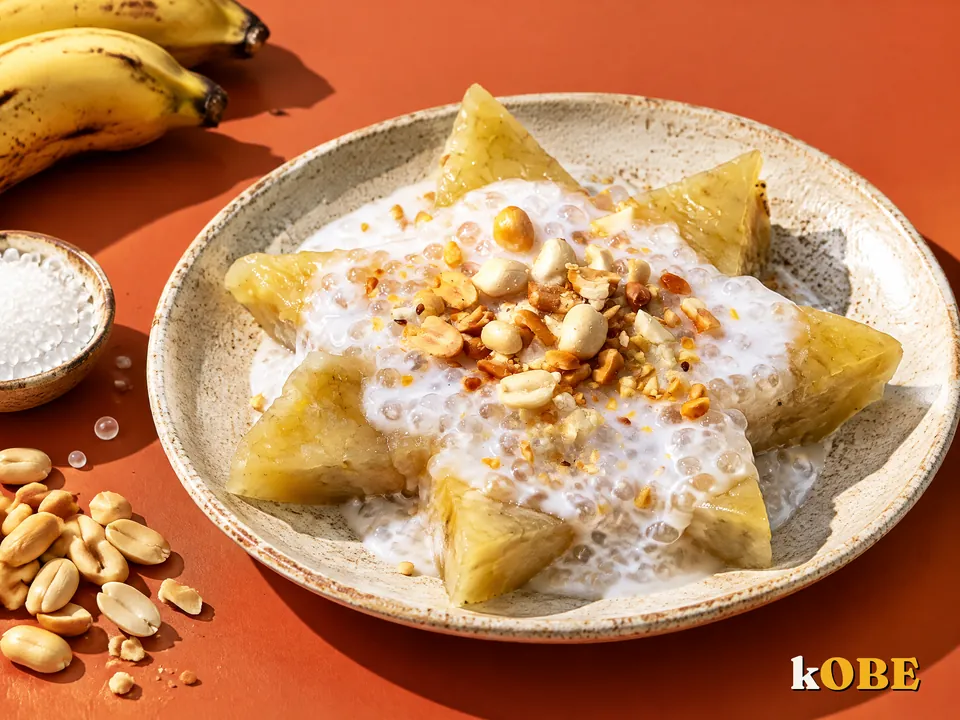
- Cut a little at a time. Each week, use a touch less sugar in the milk, the pot of chè (sweet dessert soup), the jug of limeade at home. Your child's tongue adjusts almost without noticing.
- Let them try again and again. Kids often need to taste a new food many times, sometimes 8 to 15, before they like it. A head shake the first time is completely normal.
- Make sweets ordinary, not a reward or a punishment. A small dessert after the meal, no "finish your veggies first."
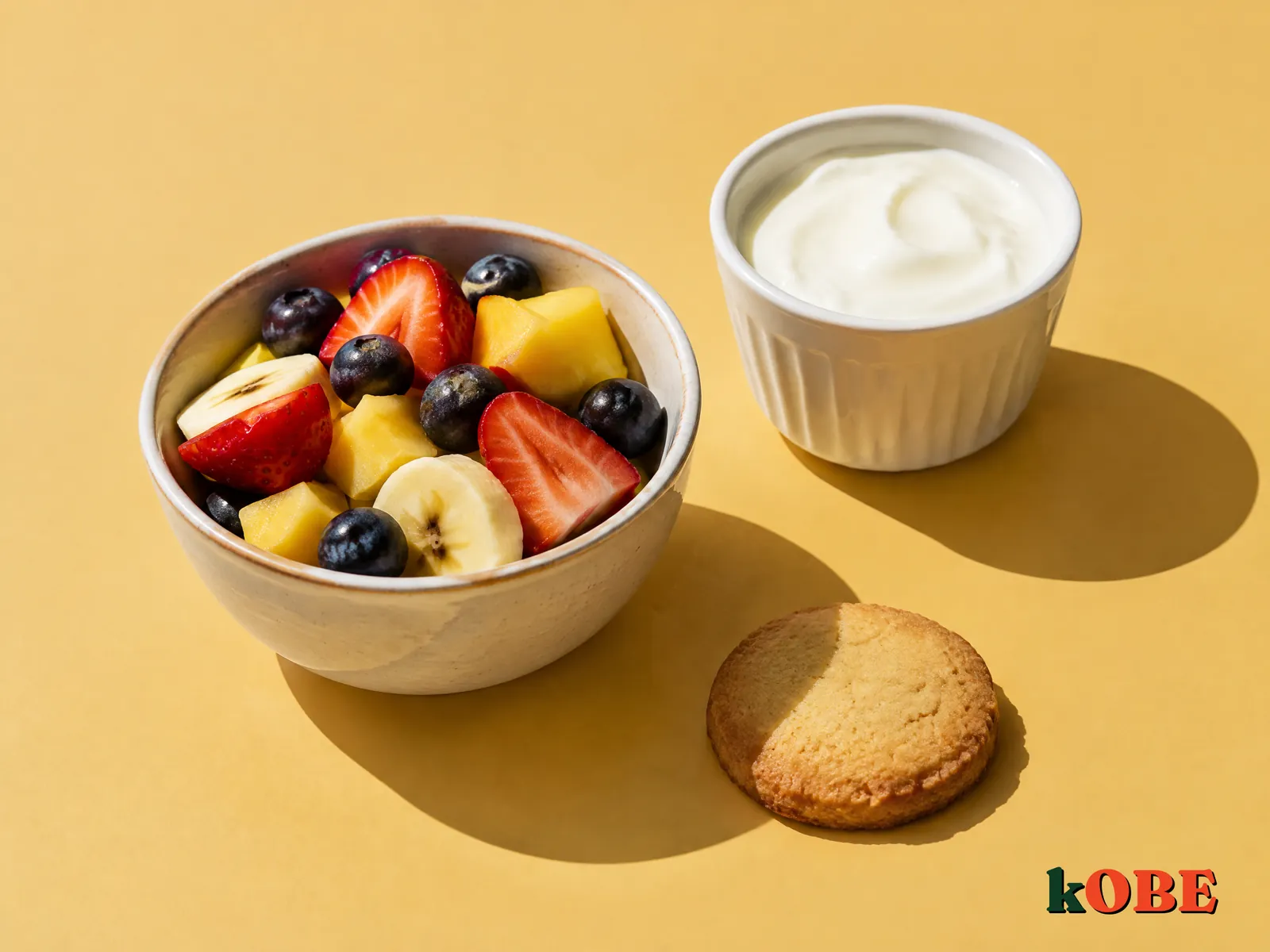
- Keep fruit where it's easy to see. A plate of sliced mango on the table gets picked more often than the cookie tin in the cupboard.
And most important of all: kids learn from what their parents do. If you reach for a bottle of water, they're more likely to do the same.
Don't turn meals into a battle
Some days your child goes to a friend's birthday party and has two slices of cake and a soda. That's fine. One happy day doesn't ruin a week of steady eating.
What kids remember long-term isn't the grams of sugar. It's the mood around the table. Relaxed meals, with no forcing and no yelling, help them build an easygoing relationship with food for years to come.
Do the grandparents keep slipping the kids candy? Just talk it over gently. Now and then, a sweet from Grandma's hand is part of a happy childhood memory.
Inside the kOBE kitchen
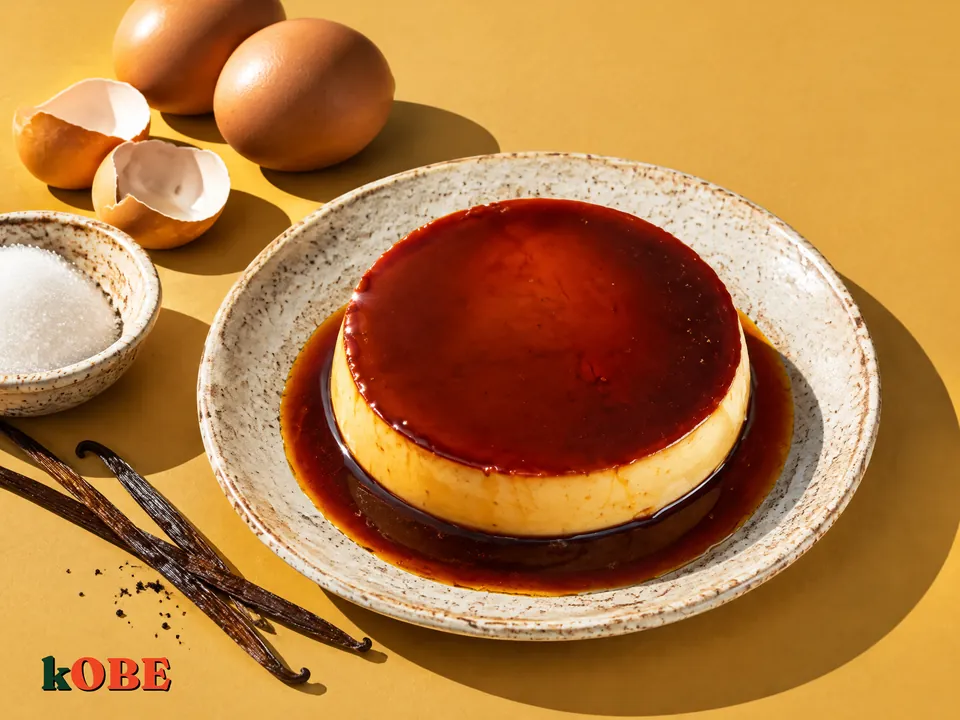
kOBE Signature Monk Fruit Blend replaces cane sugar 1:1, so you can cook chè, steam flan and make limeade for the whole family without reworking the recipe. It's also what we use to sweeten kOBE's dishes.
But we'll be honest: swapping sugar isn't the finish line. The goal is still to help your child get used to less sweetness bit by bit. You can use this blend as a stepping stone, then lower the overall sweetness over time.
All 1,480 home recipes on our Recipes page list calories and sugar per 100g. When picking a dessert for your child, you can quickly compare those numbers between dishes.
Frequently asked questions
Fruit has sugar. Should I limit it for my child?
Should kids use monk fruit sweetener instead of sugar?
What do I do when my child cries for candy at the supermarket?
Keep reading
Sources
- WHO (2015). Guideline: Sugars intake for adults and children.
- Vos M.B. et al. (2017). American Heart Association scientific statement on added sugars and cardiovascular disease risk in children. Circulation 135(19):e1017 to e1034.
- Mennella J.A. (2014). Ontogeny of taste preferences: basic biology and implications for health. American Journal of Clinical Nutrition 99(3):704S to 711S.
- Fisher J.O., Birch L.L. (1999). Restricting access to palatable foods affects children's behavioral response, food selection, and intake. American Journal of Clinical Nutrition 69(6):1264 to 1272.
- Birch L.L. (1999). Development of food preferences. Annual Review of Nutrition 19:41 to 62.
- Further reading: Understanding Nutrition 16th ed.