Data source: USDA FoodData Central, SR Legacy, FDC 168230 (Pork, fresh, loin, whole, separable lean only, raw).
Fun facts
- The USDA figure here is pork loin with the fat trimmed away: 100g raw has 143 kcal, 21.4g of protein and 5.7g of fat. That is close to chicken breast for protein (22.5g), with just a little more fat.
- Pork is well known for being rich in vitamin B1 (thiamin), the vitamin that helps your body turn carbs into energy. It also has about 389mg of potassium per 100g raw.
- At a Vietnamese market, "lean" covers several cuts: loin (the leanest, fine grained), shoulder (a little fat running through, soft when braised) and collar or neck (evenly marbled, great for grilling and caramelizing). Same "lean" label, different calories and tenderness.
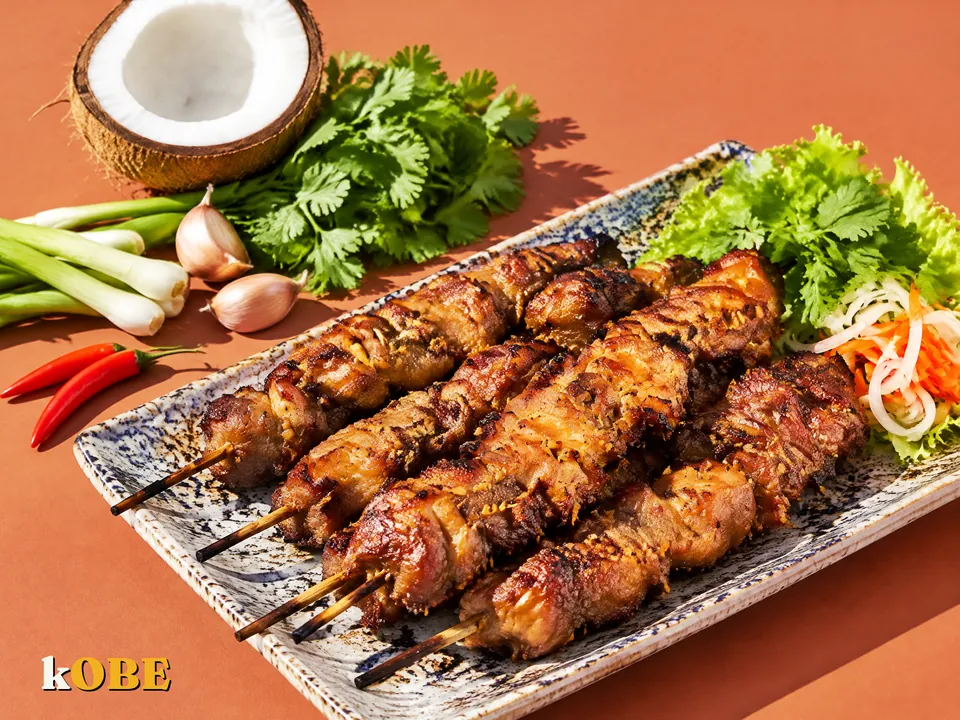
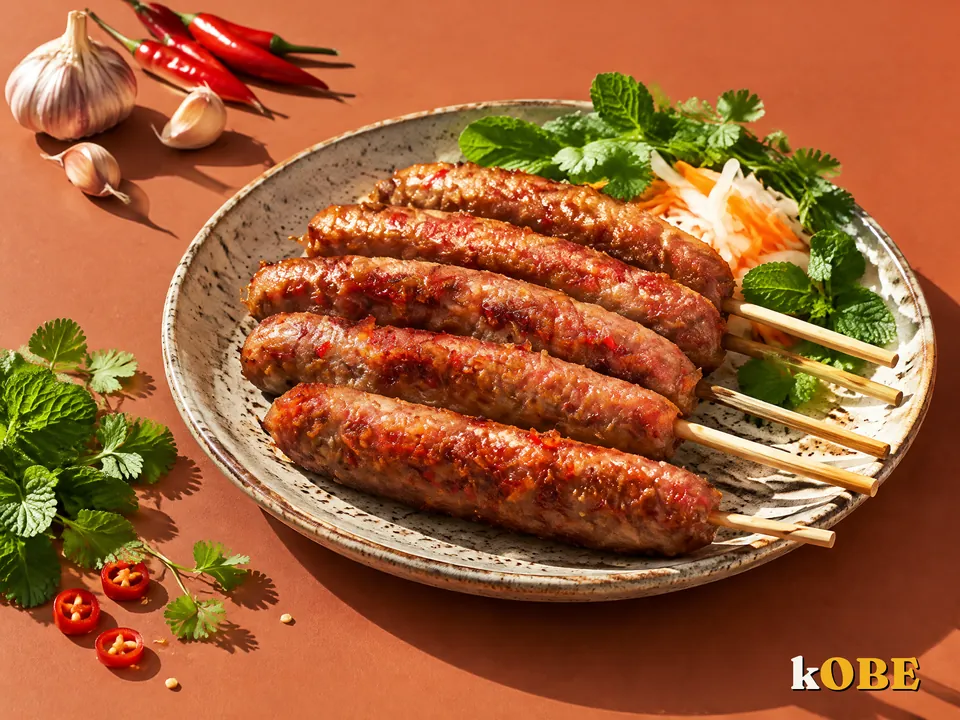
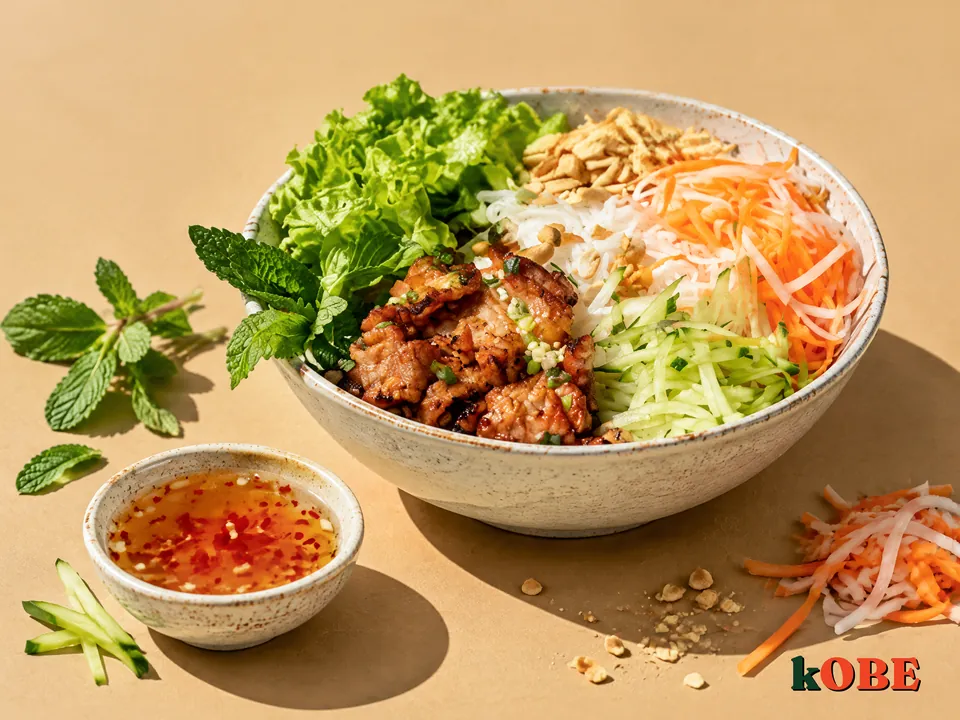
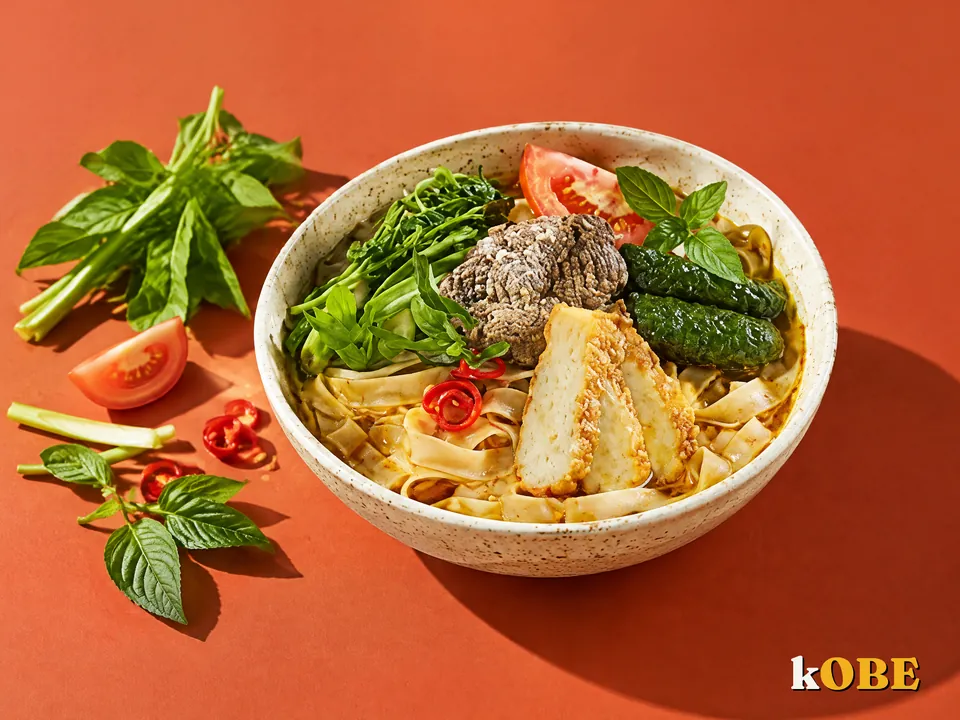
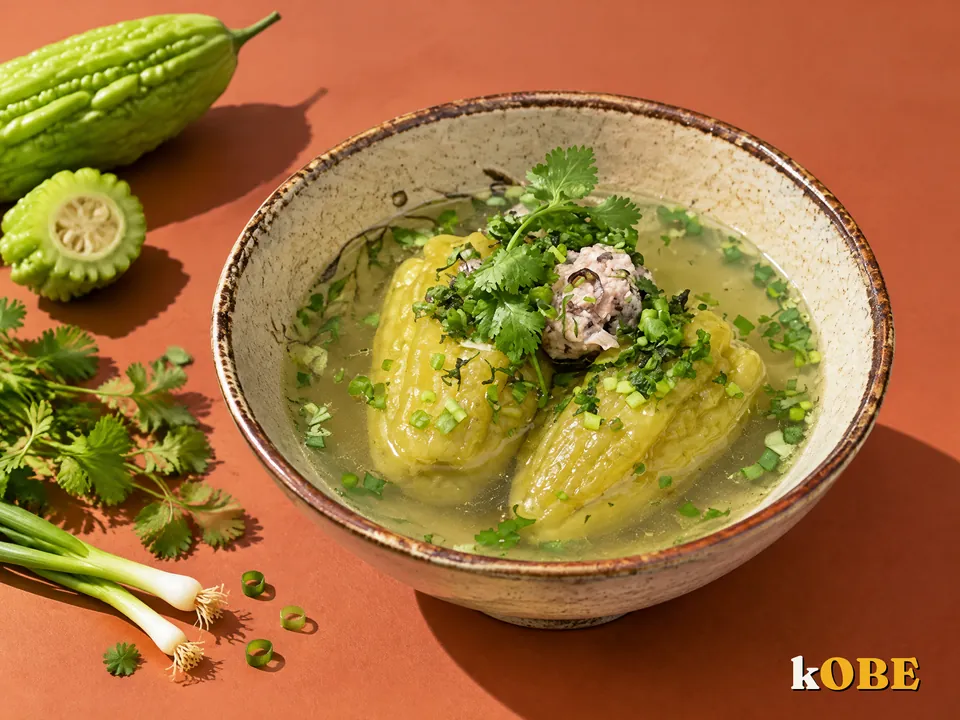
- Boiled pork with fish sauce, caramelized pork, minced pork soup: pork shows up on the Vietnamese table almost every day. In the kOBE recipe library, lean pork appears in 51 dishes.
Choosing and storing
Choose meat that is fresh pink with white fat, a dry surface, a quick spring back when pressed and no odd smell. Skip pieces that are dark, weeping liquid or slimy. Use fresh pork within 2 to 3 days in the fridge, or portion, wrap and freeze it to keep longer. Thaw it in the fridge so the meat does not lose too much water.
Cooking it well
Pork loin is lean, so it dries out like chicken breast: slice across the grain, season with a little salt, and do not keep it on high heat too long. The USDA advises cooking whole cuts of pork to 63°C in the center, then resting for 3 minutes; the meat may still be slightly pink and still safe. Shoulder and collar suit long braises because their bit of fat keeps them moist. To compare pork with fish, shrimp, beef and tofu, see our protein chart for common foods.