Data source: USDA FoodData Central, SR Legacy, FDC 168152 (Jujube, Chinese, fresh, dried).
Fun facts
- In Vietnamese it is called "red apple", but jujube is not related to apples. It belongs to the genus Ziziphus, the same as the crunchy, tart tao ta sold in Vietnamese markets.
- Drying removes the water and concentrates everything: 100g of dried jujube has 281 kcal and 72.5g of carbs, mostly the fruit's natural sugar, about five times the calories of fresh apple.
- That concentration also gives it 6g of fiber, 5.1mg of iron and 63mg of calcium per 100g. Iron from plants is absorbed less well than iron from meat.
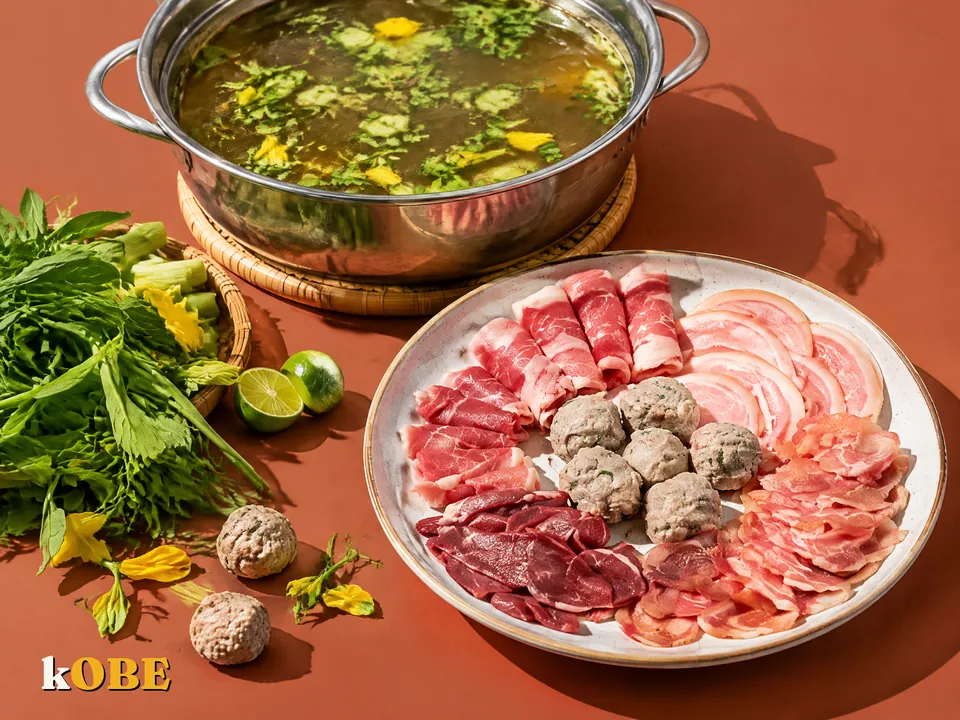
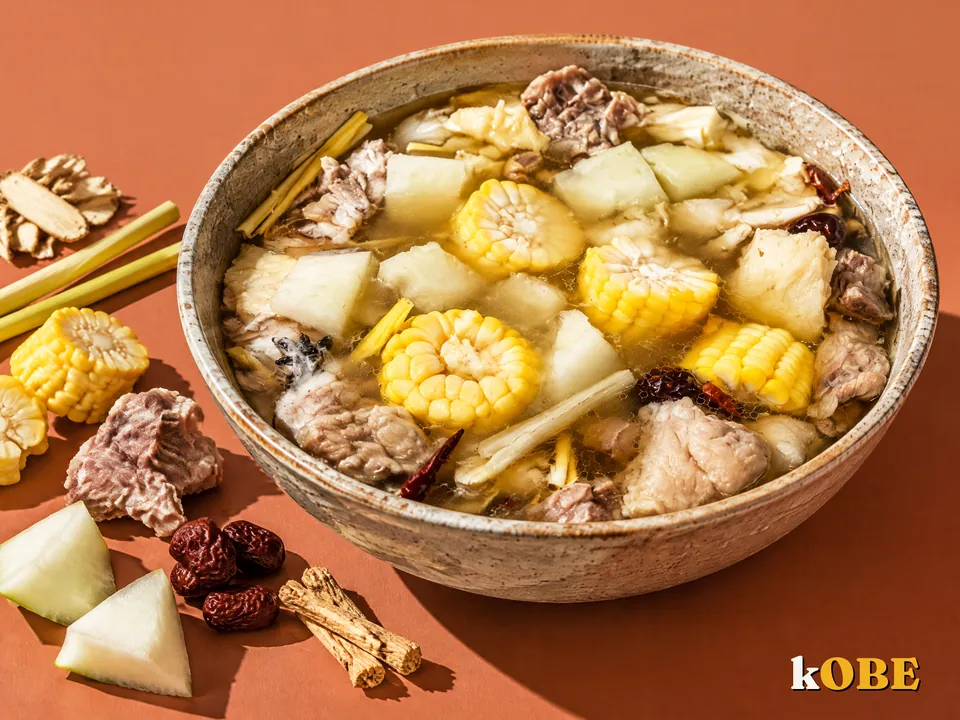
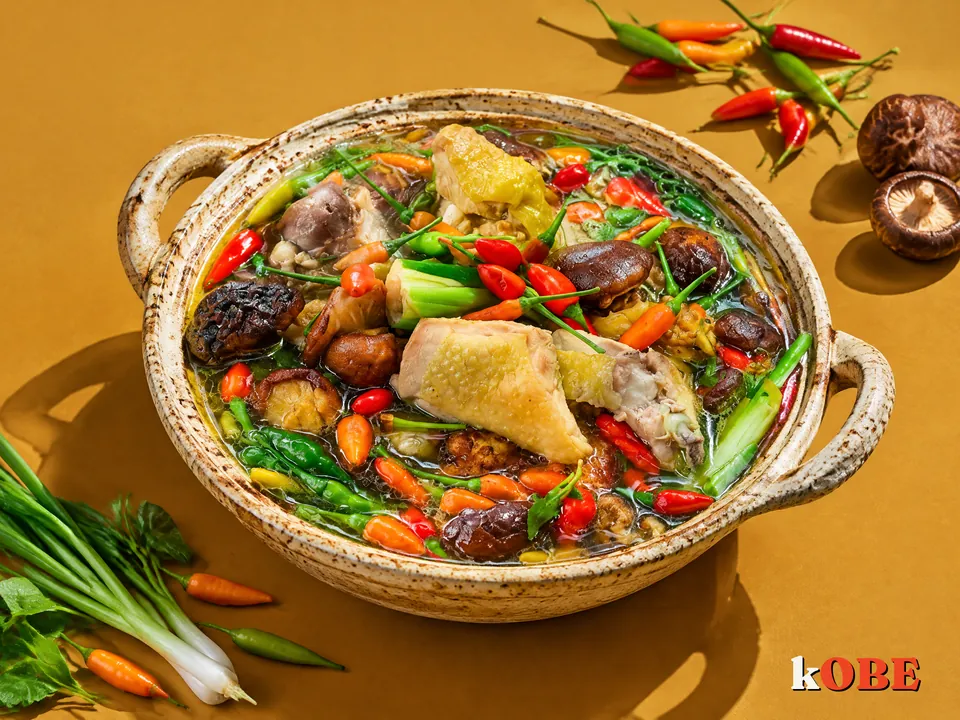
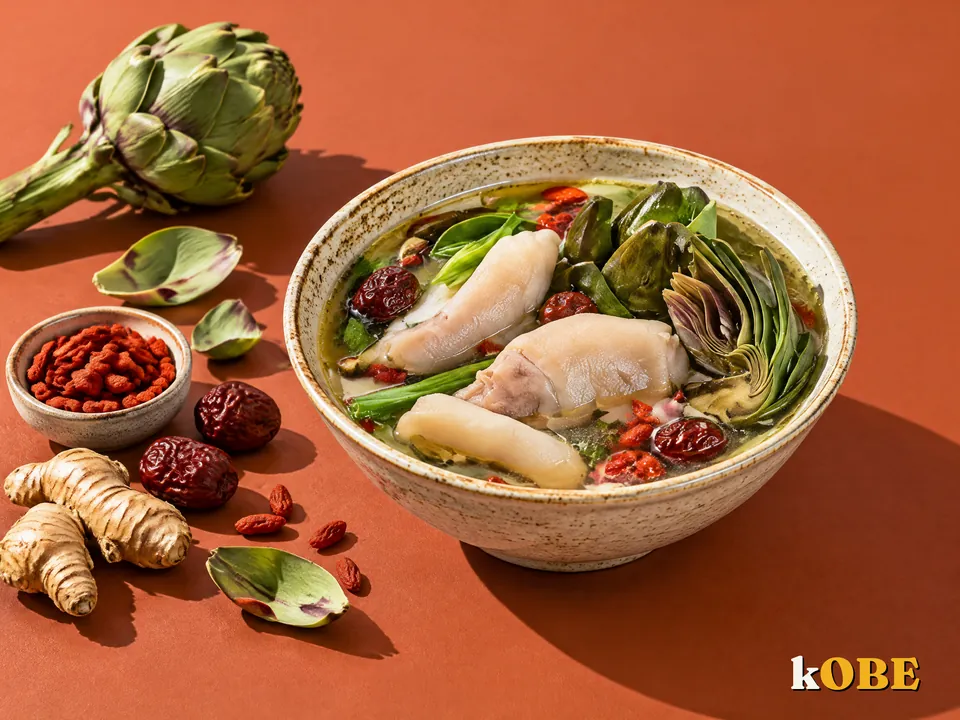
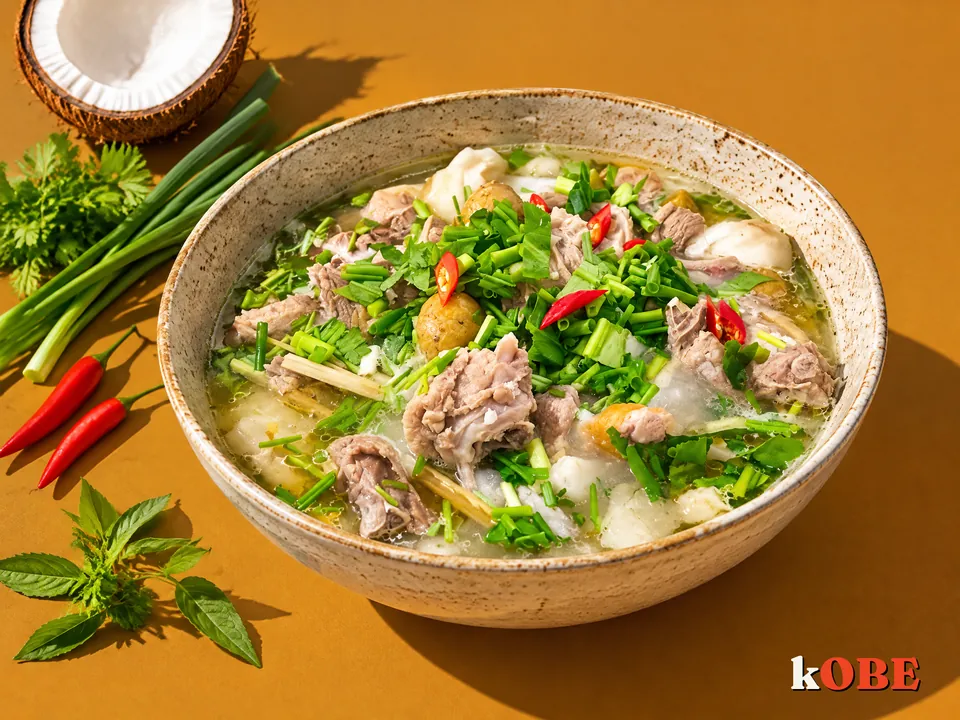
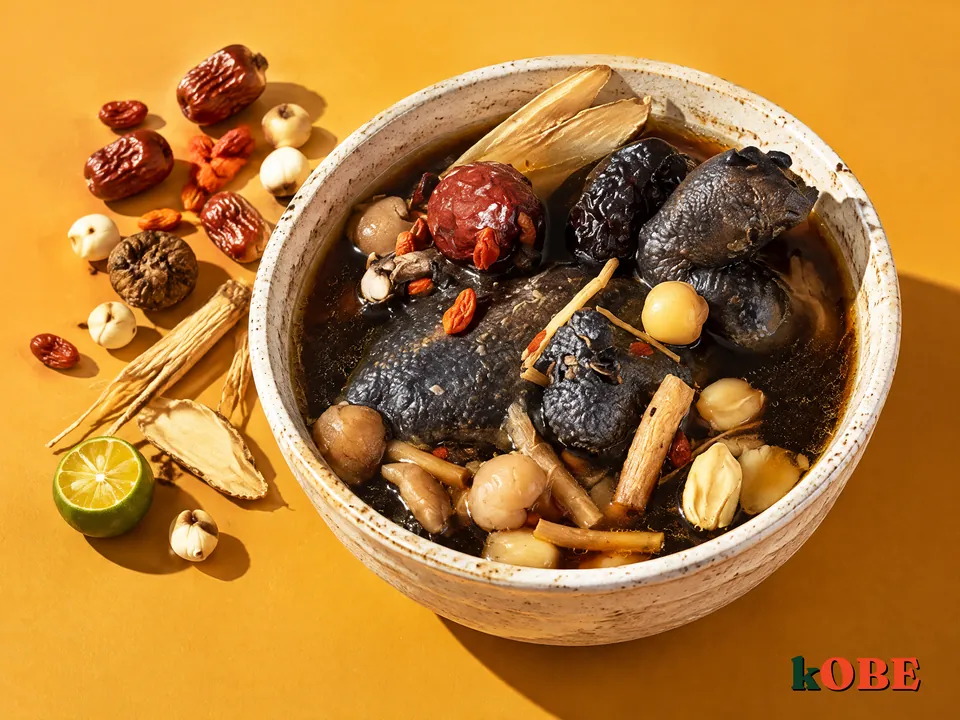
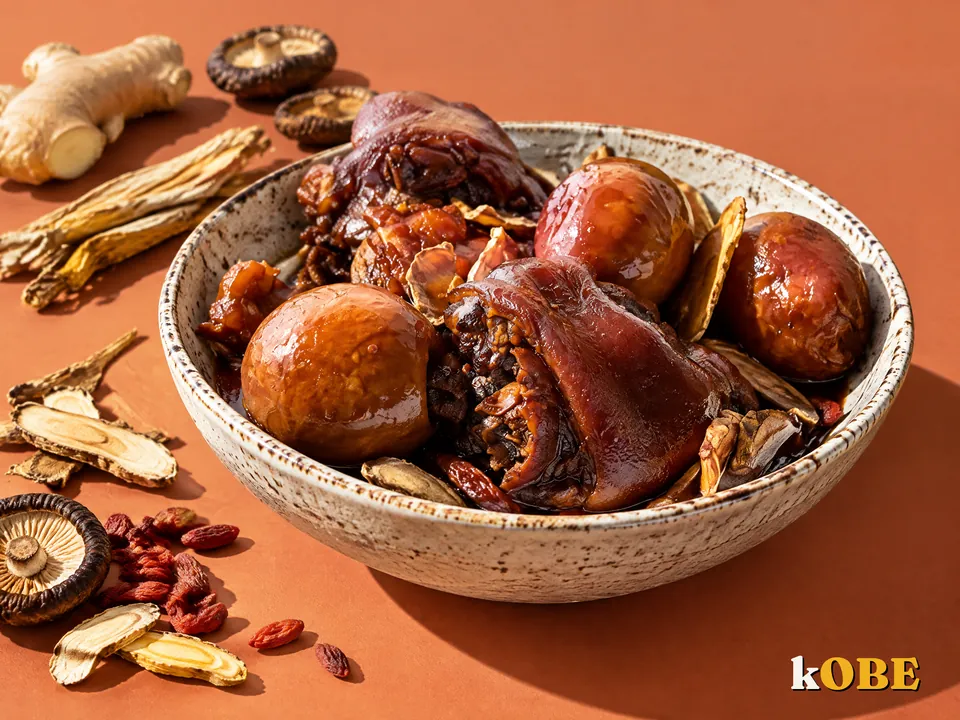
- Vietnamese know red dates from che sam bo luong, herbal chicken soup, rice porridge and jujube goji tea.
Choosing and storing
Choose evenly deep red fruit with naturally wrinkled skin that feels slightly pliable but not sticky, with no mold spots or insect holes. It should smell sweet, not sour or musty. Keep in a sealed jar somewhere cool and dry; in humid weather, the fridge is safer. If you see mold or insects, throw that part away.
Cooking it well
Rinse quickly, then score or pit the dates before simmering so their sweetness flows into the broth. A few red dates in a soup or chicken stew add gentle sweetness, but remember it is still sugar, just sugar that comes from fruit. Because dried dates are so concentrated, snacking by the handful adds up faster than you might think. To see why dried fruit differs from fresh, read does fruit have too much sugar.