Data source: USDA FoodData Central, SR Legacy, FDC 169997 (Coriander (cilantro) leaves, raw).
Fun facts
- Some people find cilantro fragrant, others say it tastes like soap. Scientists think part of the reason lies in genes linked to smell, so it is real, not just picky eating.
- According to USDA, 100g of cilantro has about 23 kcal, 337µg of vitamin A and 521mg of potassium. A 10g handful sprinkled over a dish has around 34µg of vitamin A and just 2 kcal.
- The seeds of the cilantro plant are coriander, a spice with a completely different aroma from the leaves, often used in curries and marinades.
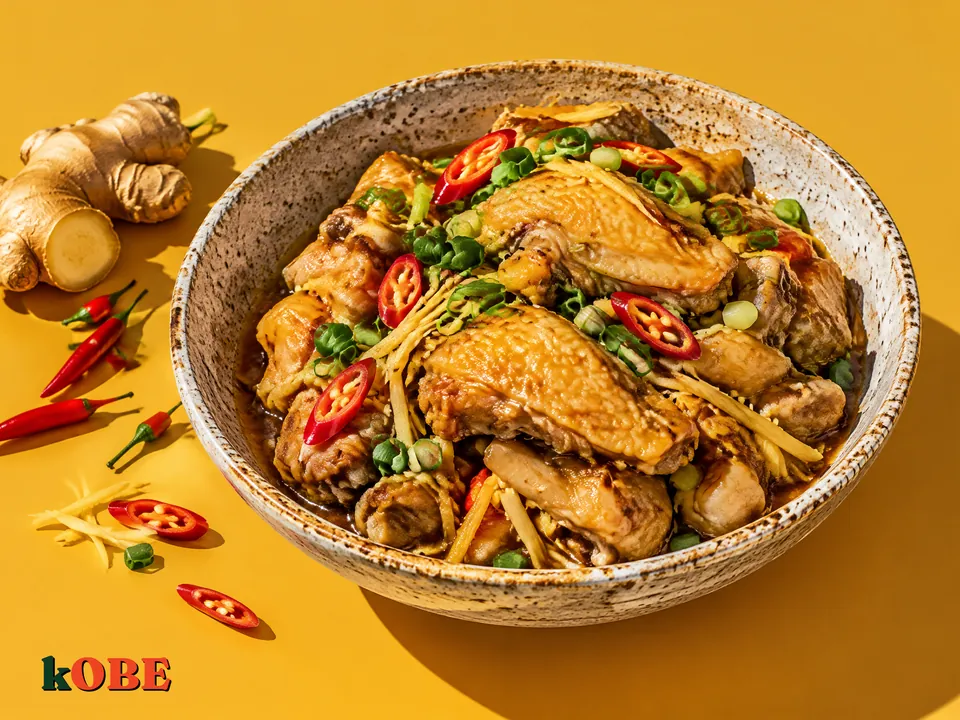
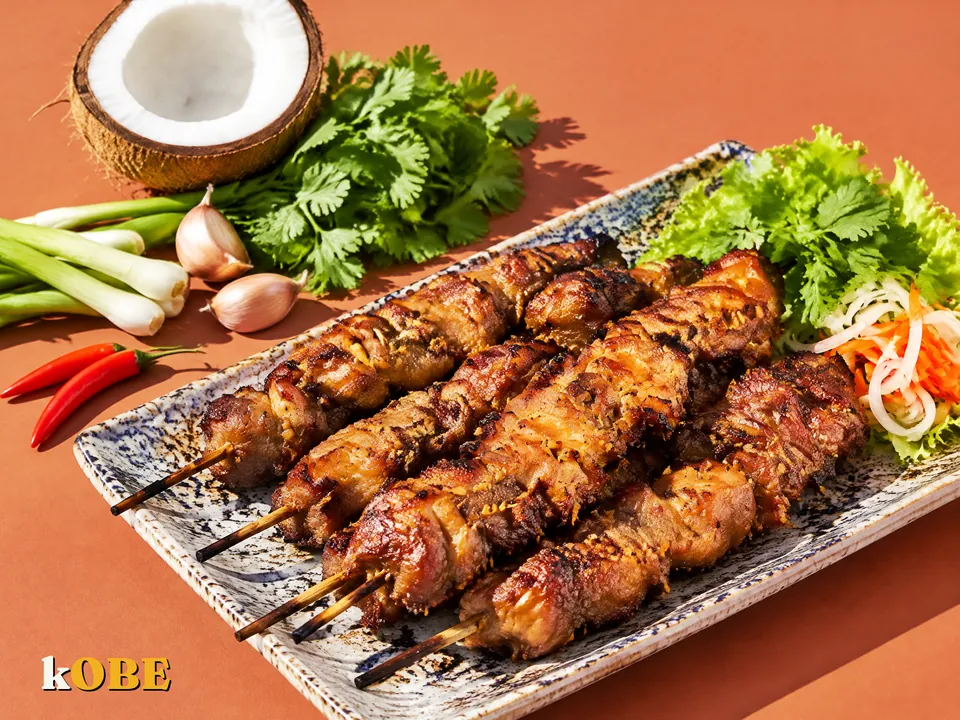
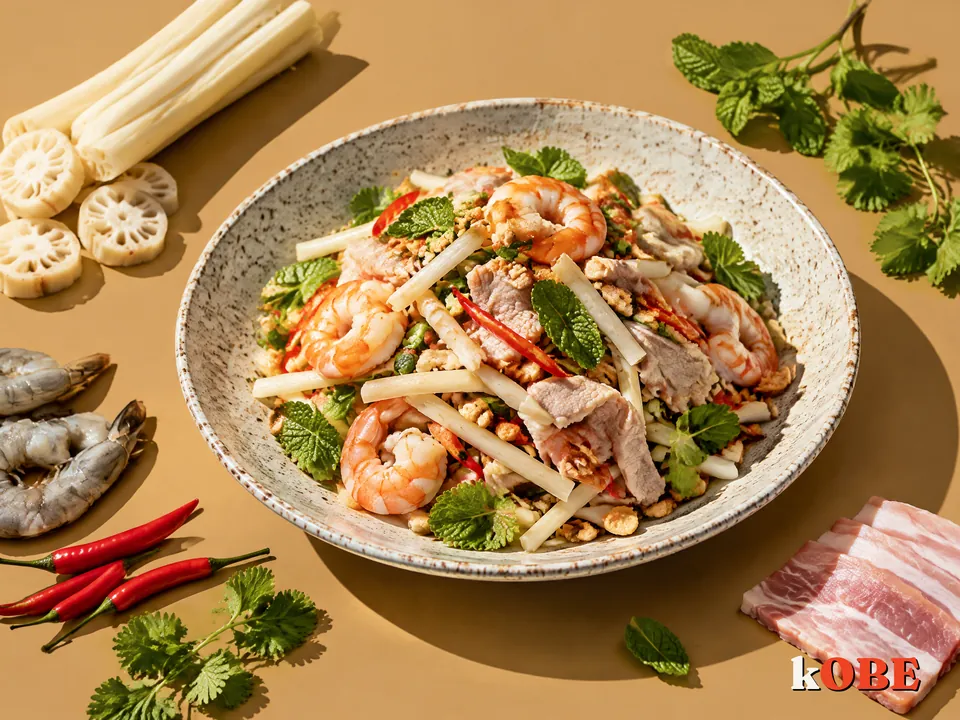
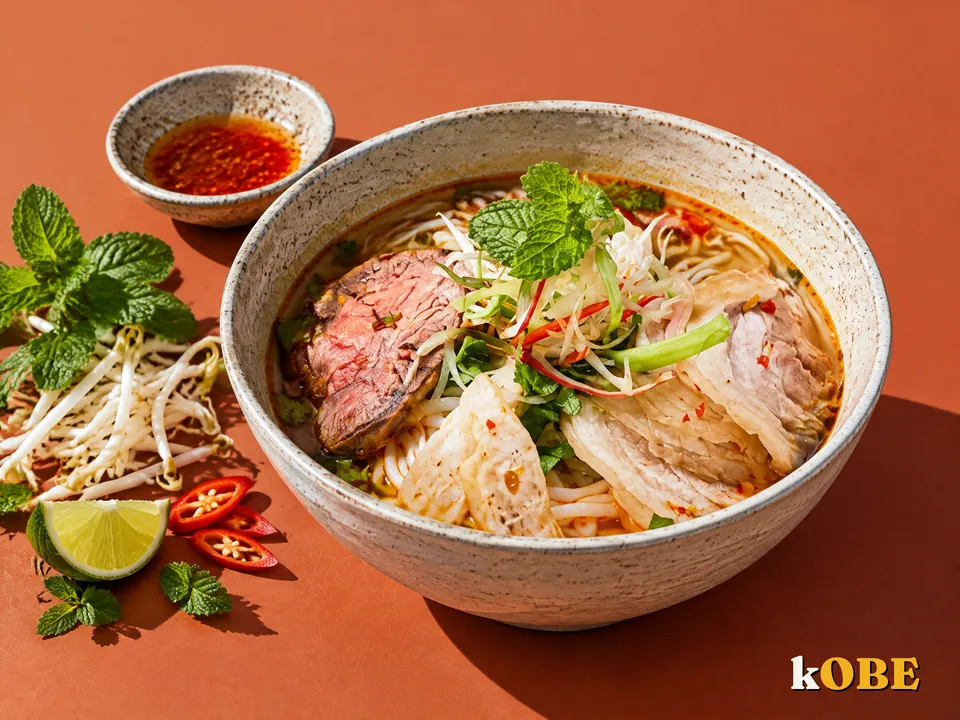
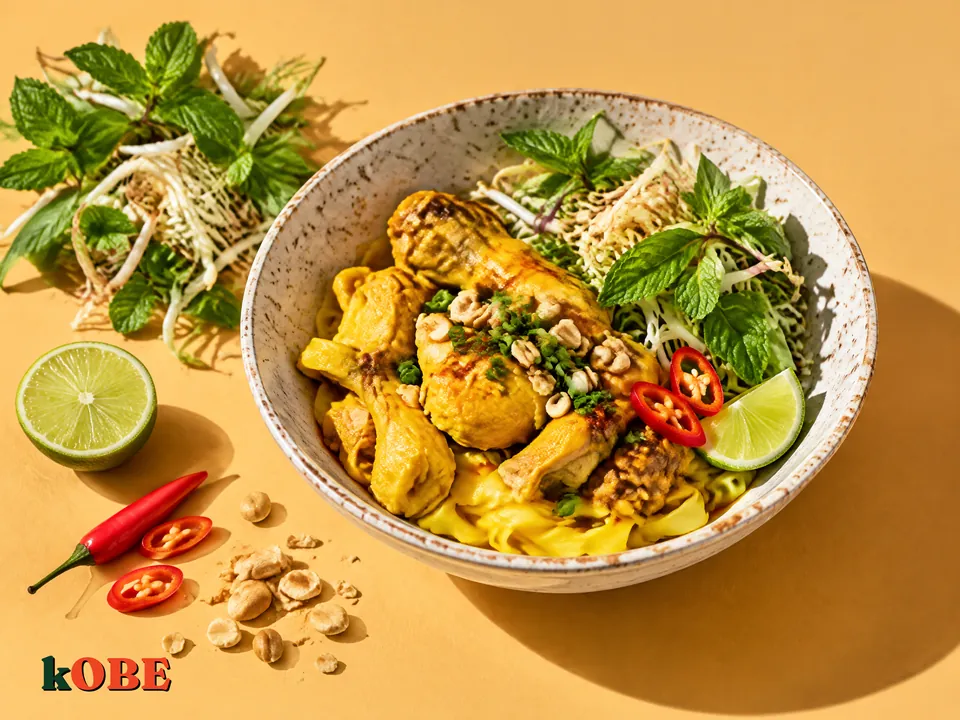
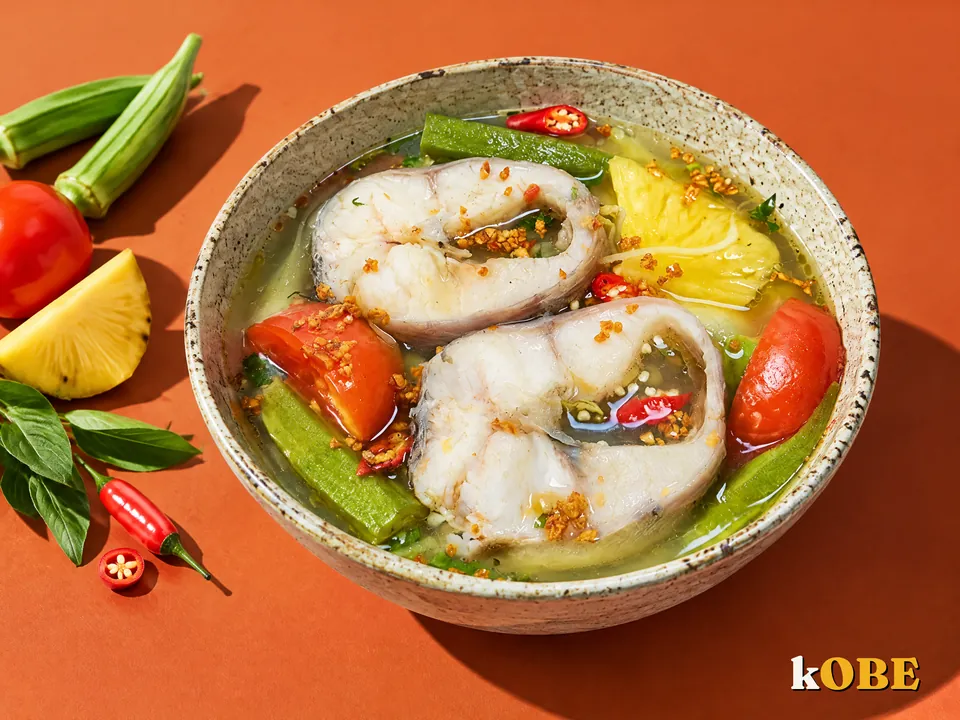
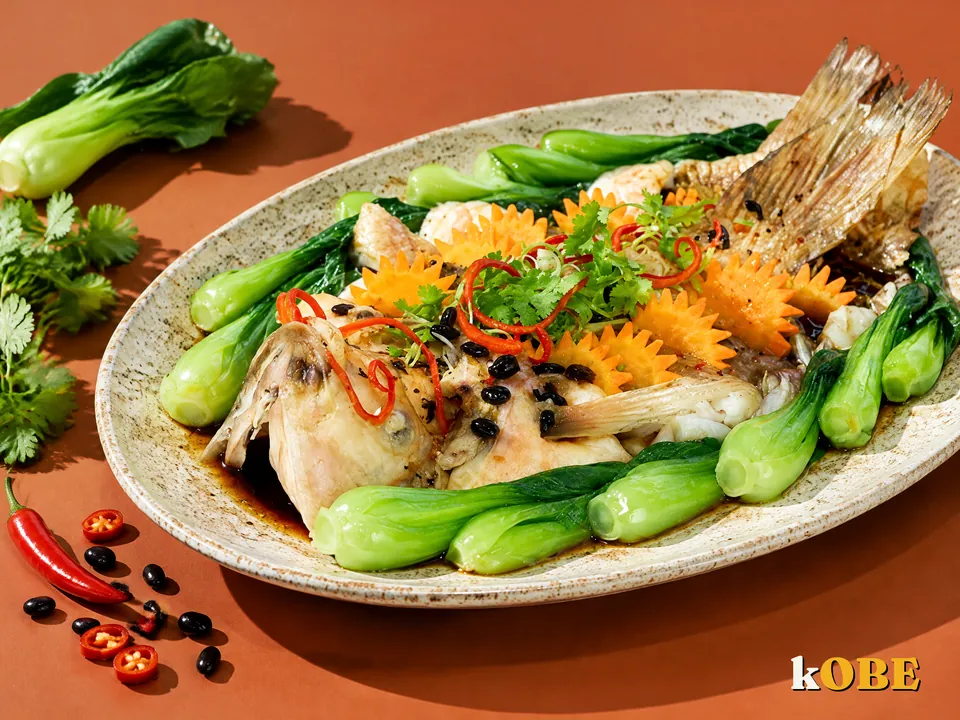
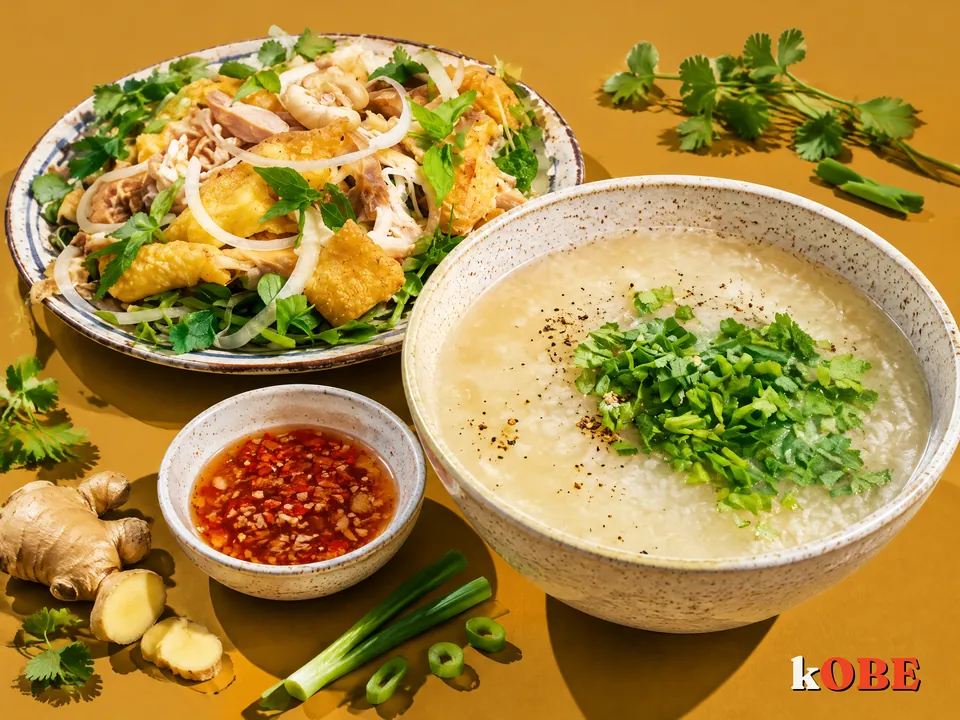
- Cilantro appears in 171 kOBE recipes, from pho, congee and soups to salads and dipping sauces.
Choosing and storing
Choose bunches with bright green leaves and tender stems, not yellowing or mushy; cilantro with roots attached usually smells stronger and lasts longer. Wrap it in a slightly damp paper towel, put it in a bag or box in the fridge and use within about a week. Another trick is to stand the stems in a glass of water like a bouquet, cover loosely with a bag and refrigerate.
Cooking it well
Cilantro is delicate, so wash it gently, shake it dry and add it at the very end, just before eating. Long cooking dulls its aroma and color, and vitamin C drops with heat too; see cooking methods that keep vitamins. Do not throw away the roots: they are very fragrant, great in broths or pounded with garlic and pepper for marinades.