Data source: USDA FoodData Central, SR Legacy, FDC 169308 (Taro, raw).
Fun facts
- Taro is one of the oldest root crops people have grown in Asia and the Pacific islands. In Hawaii, it is mashed into poi, a traditional staple.
- 100g of raw taro has about 112 kcal and 26.5g of carbs, more than potato or sweet potato. In return, taro brings a generous 4.1g of fiber.
- Potassium is the highlight: 591mg per 100g, among the higher values for roots and tubers. Taro has almost no sugar, only about 0.4g.
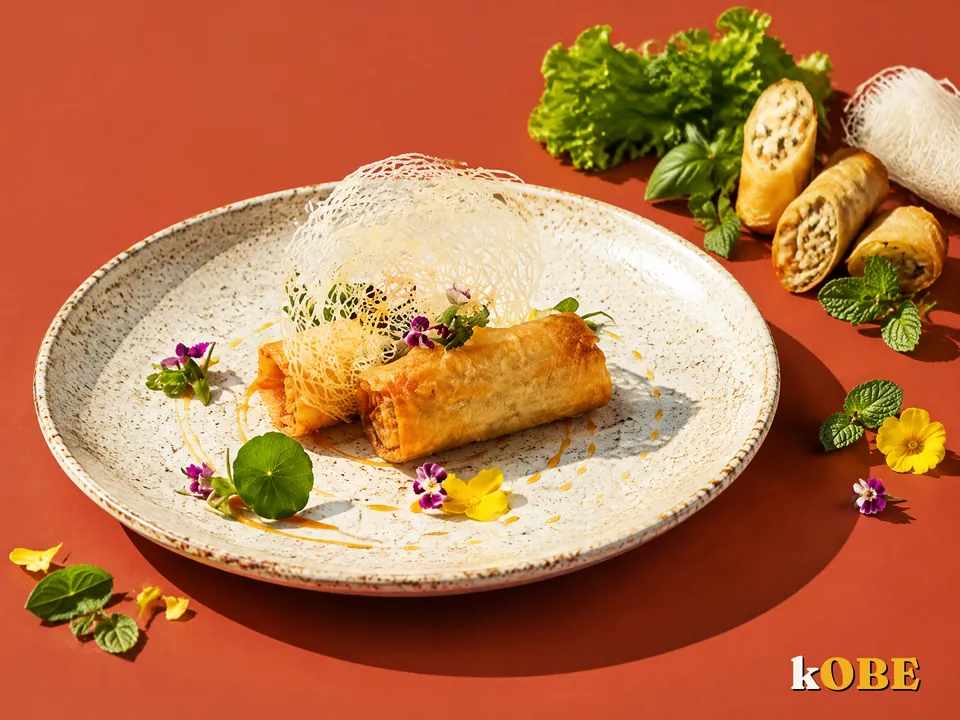
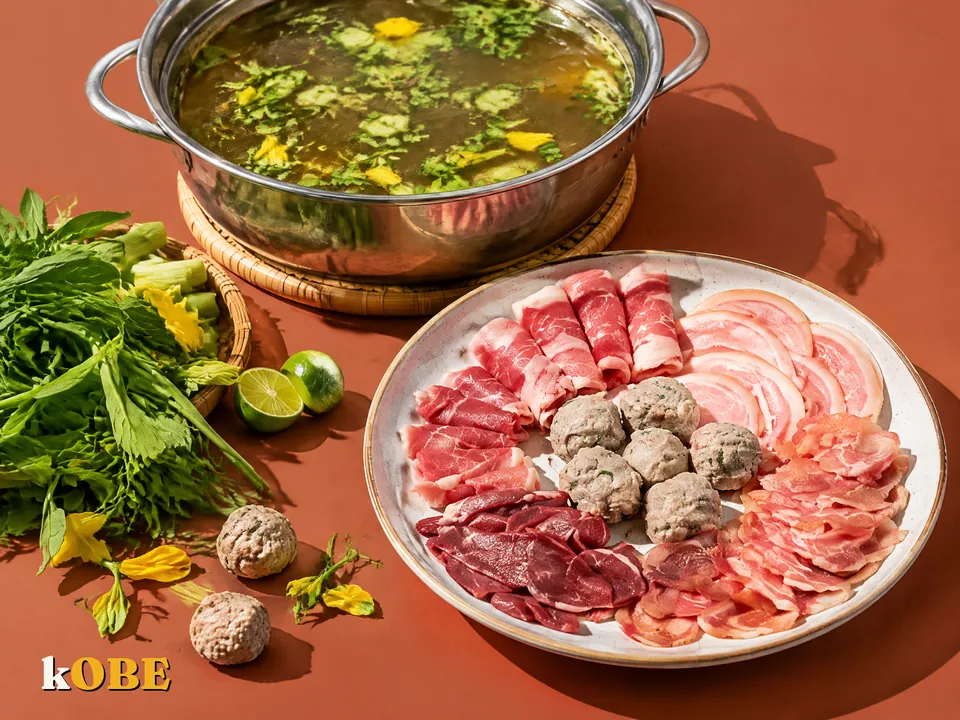
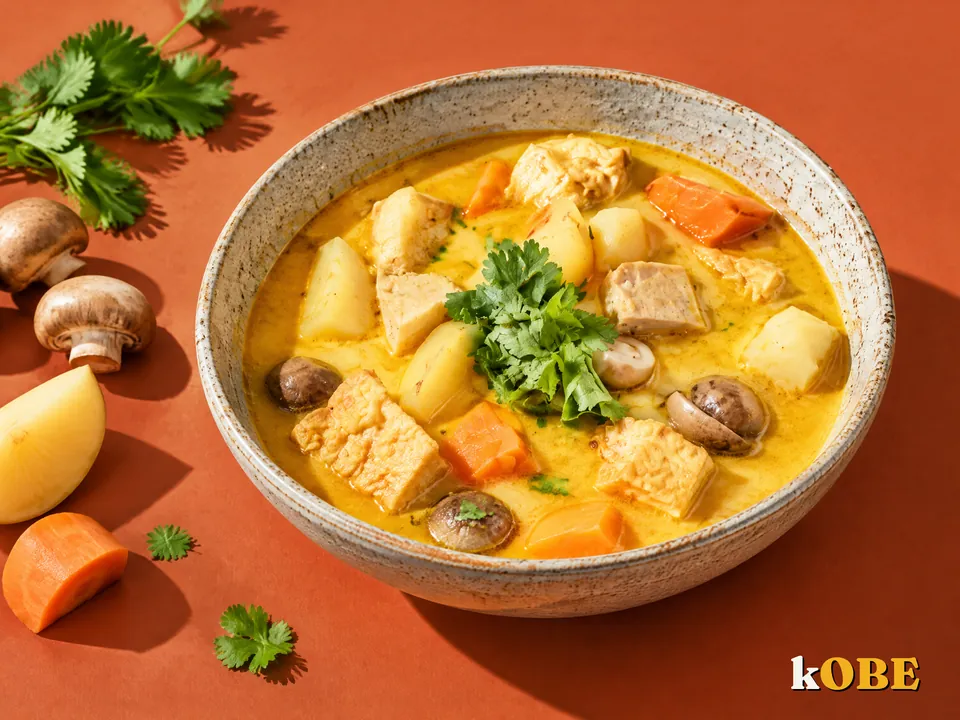
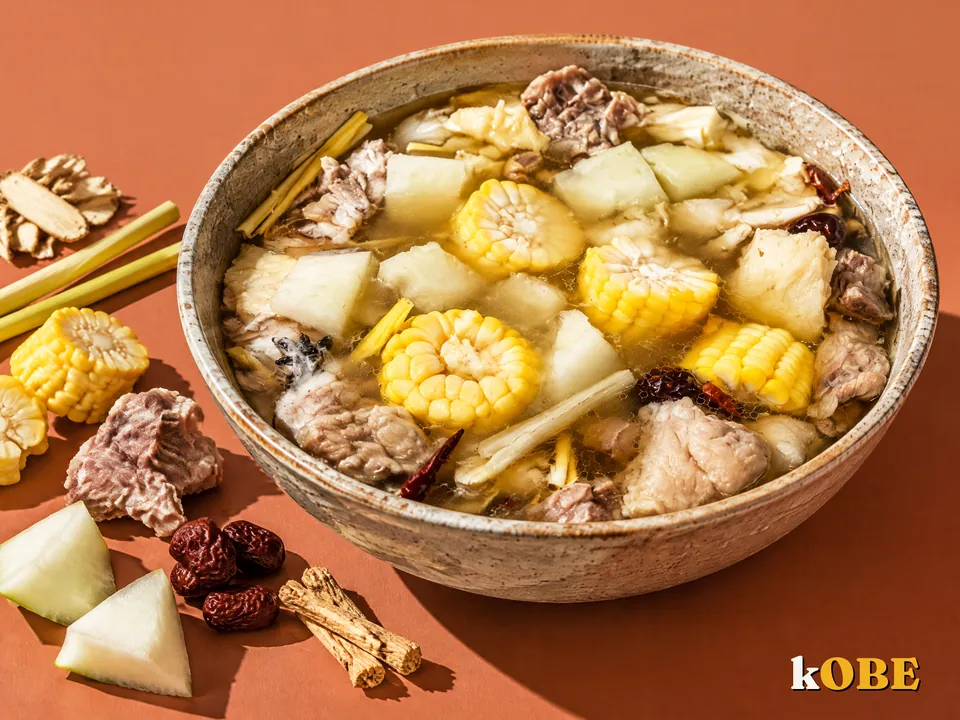
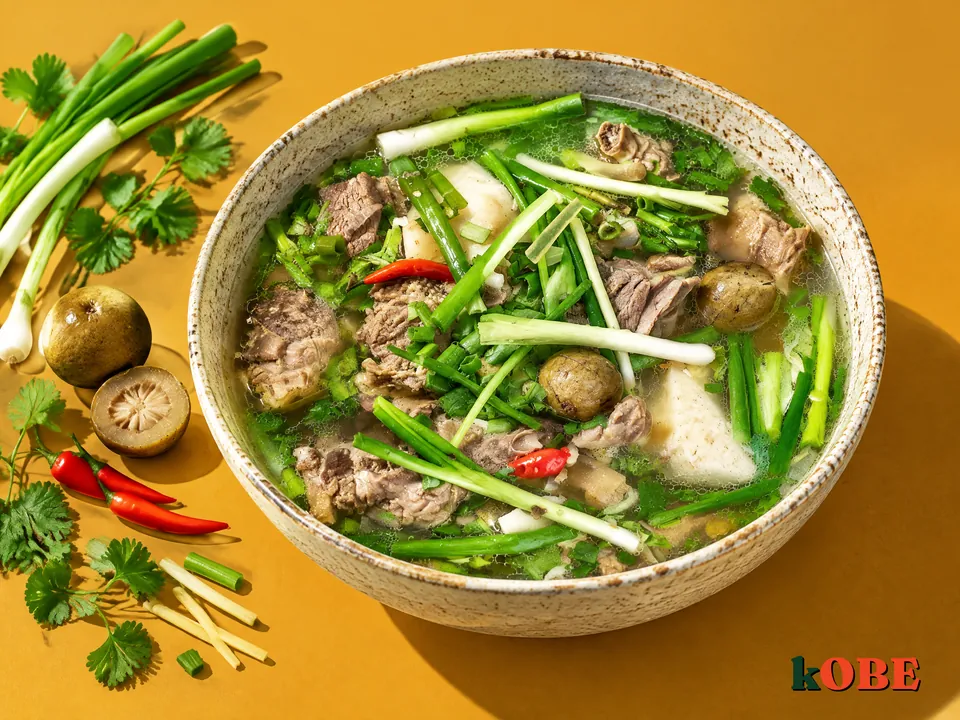
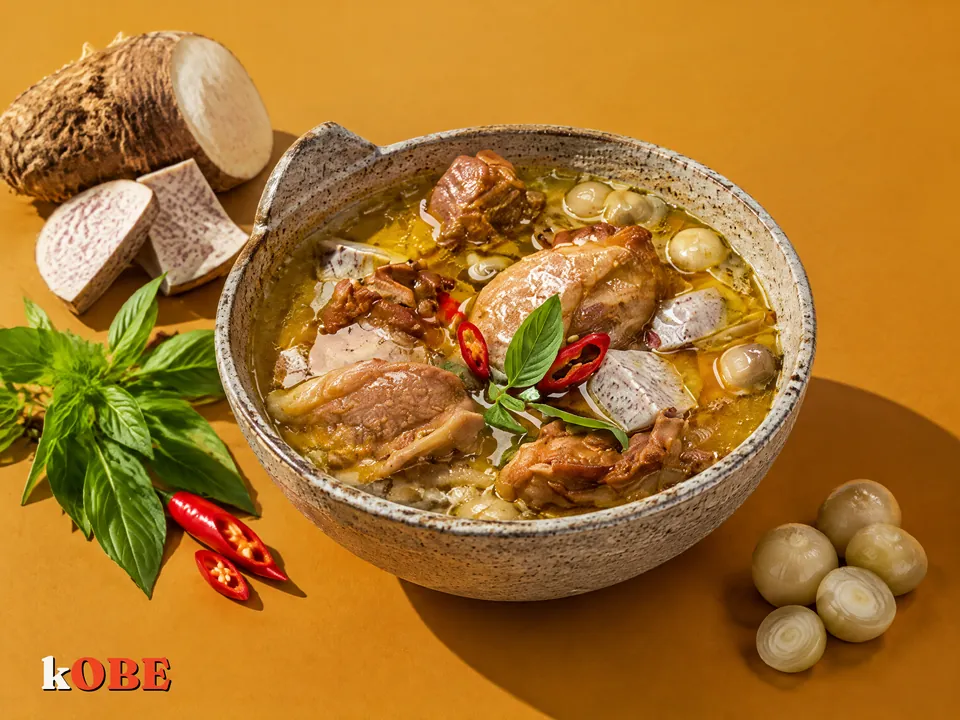
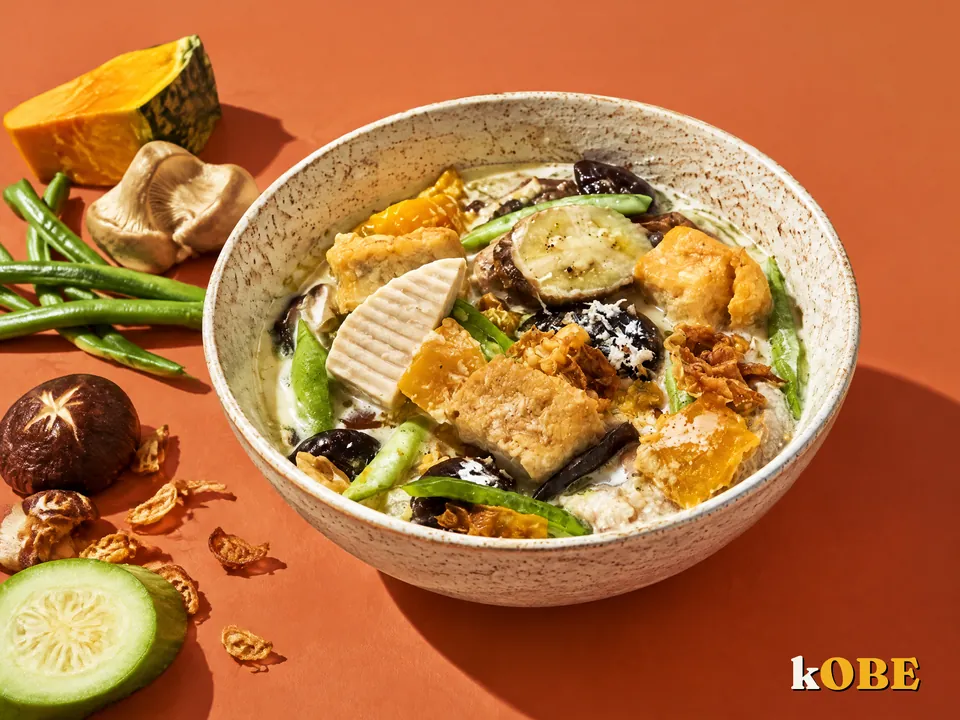
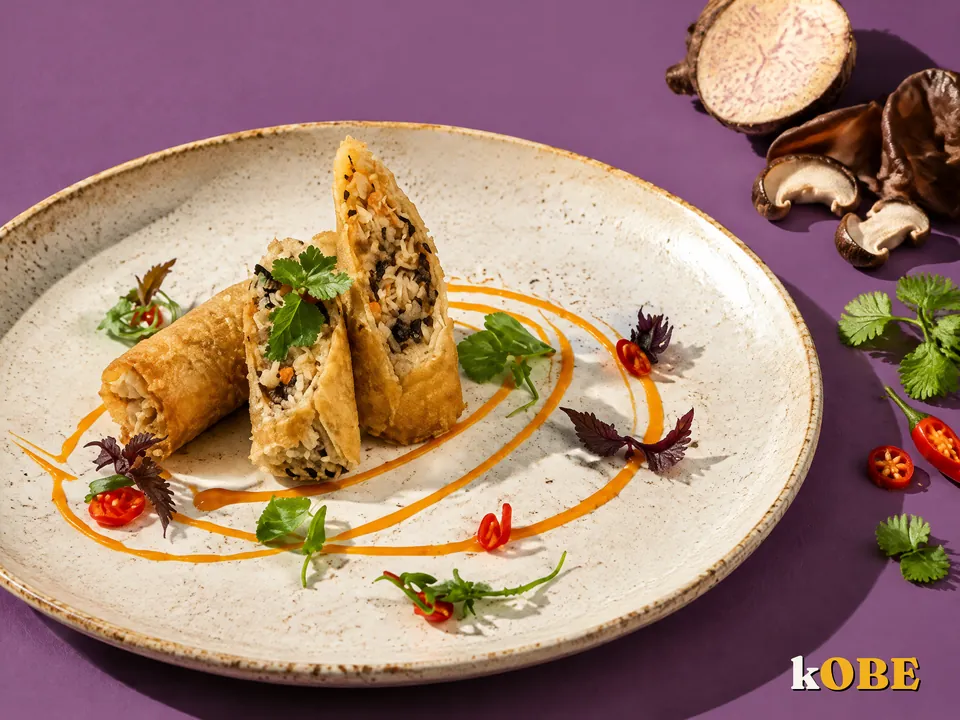
- In Vietnam, taro goes into canh soup, che sweet soup, crispy fried taro and hot pot. In the kOBE recipe library, taro appears in 19 dishes.
Choosing and storing
Choose firm, heavy taro with dry skin, no mold and no soft spots. Heavier roots are usually fluffier and nuttier once cooked. Keep taro in a dry, airy place away from moisture, with no need for the fridge. Once peeled, cook it right away or freeze it.
Cooking it well
Raw taro contains calcium oxalate crystals, the reason your hands itch when peeling and your throat can feel scratchy if it is undercooked. Wear gloves when peeling, or rub a little cooking oil on your hands, and always cook taro until fully soft. Steaming or simmering in soup is the gentle route, while frying soaks up much more oil. Since taro is starchy, you can count it as the carb part of a meal, as pair rice with protein and vegetables suggests.