Data source: USDA FoodData Central, SR Legacy, FDC 170859 (Cream, fluid, heavy whipping).
Fun facts
- Cream is the fatty layer that rises from cow's milk. Every 100g of heavy cream has about 340 kcal and 36.1g of fat, plus plenty of vitamin A, about 411µg.
- Cream whips thanks to its fat: as you whisk, fat droplets wrap around air bubbles and hold them in place. Cream needs enough fat, usually around 30% or more, to whip well.
- Whip too long and the fat droplets clump together and separate from the liquid. You get butter and a bit of buttermilk, the way butter has been made for ages.
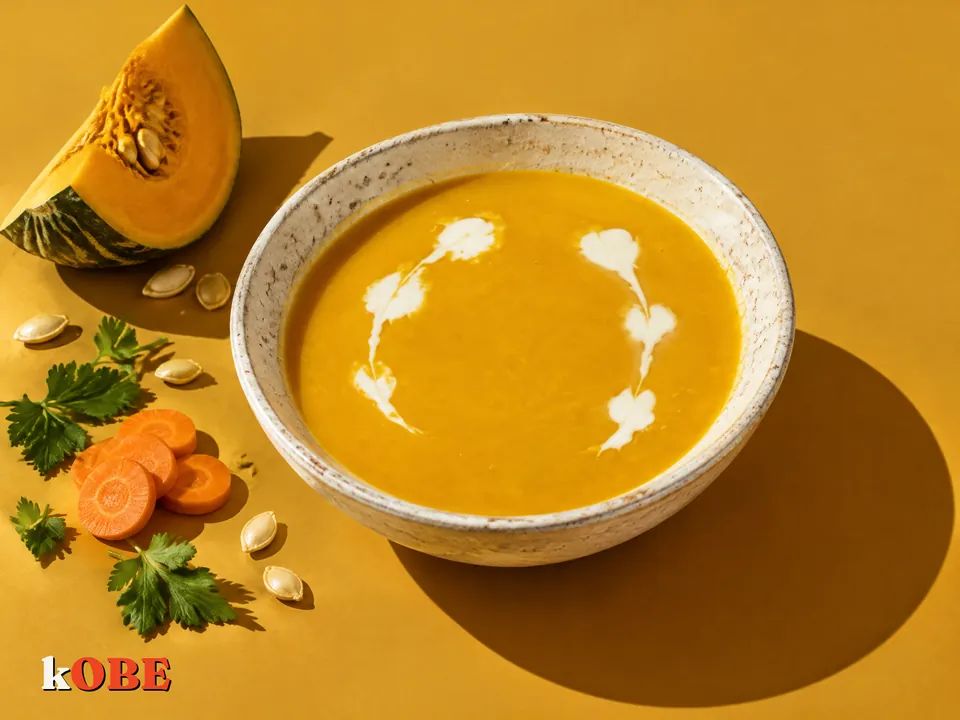
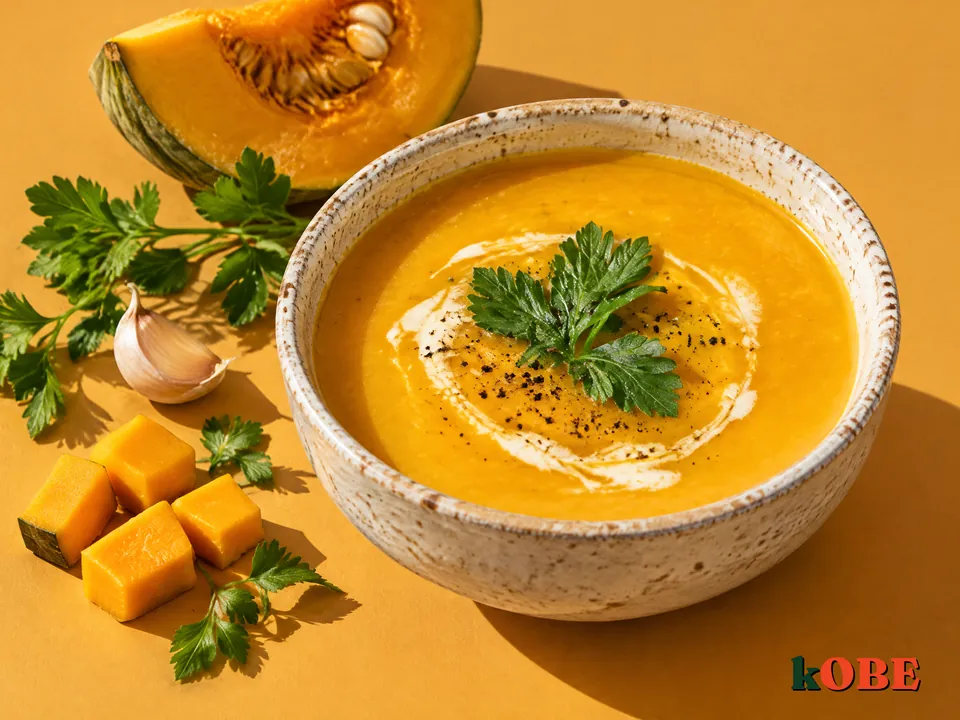
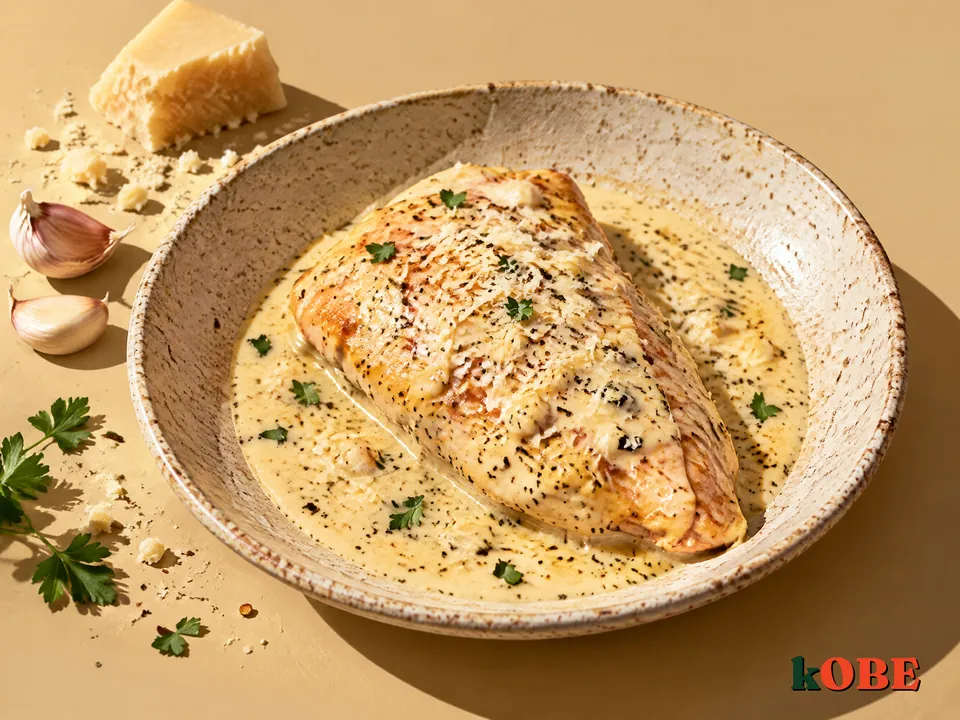
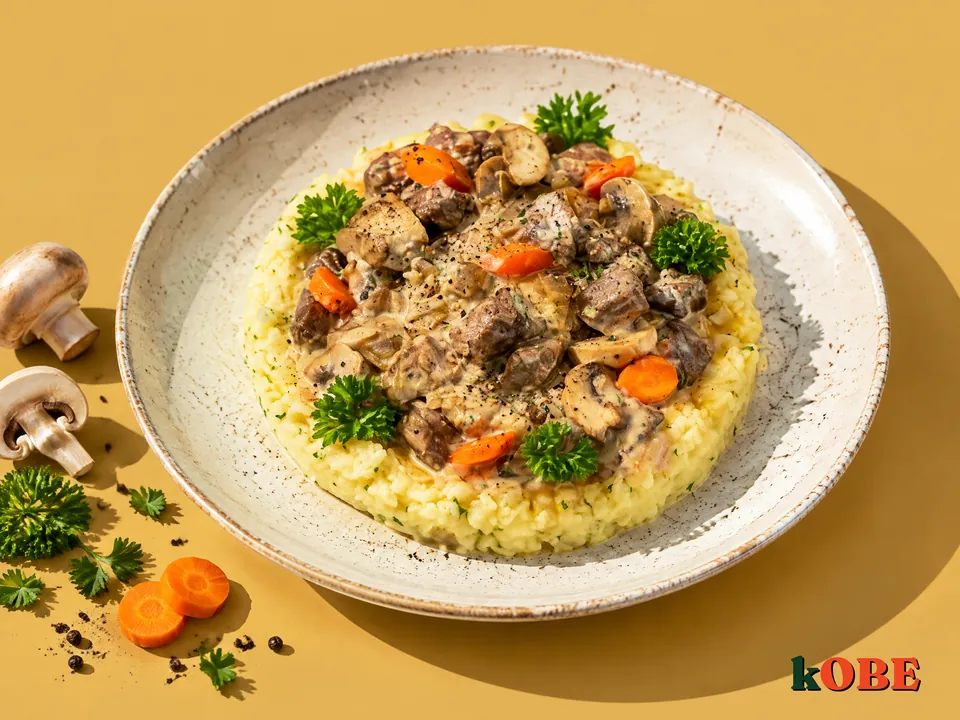
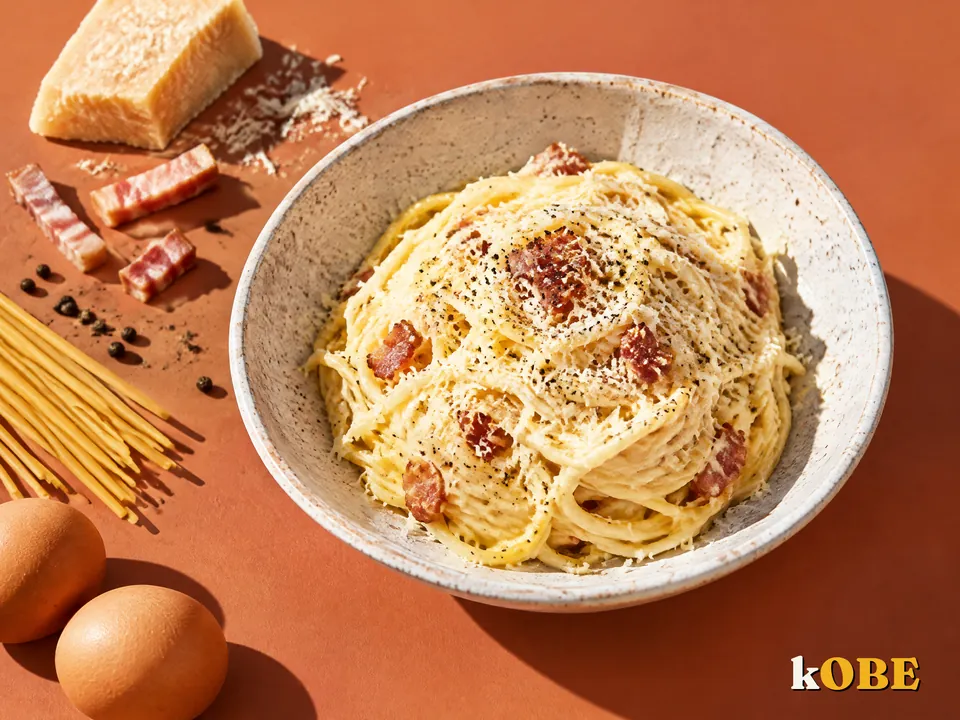
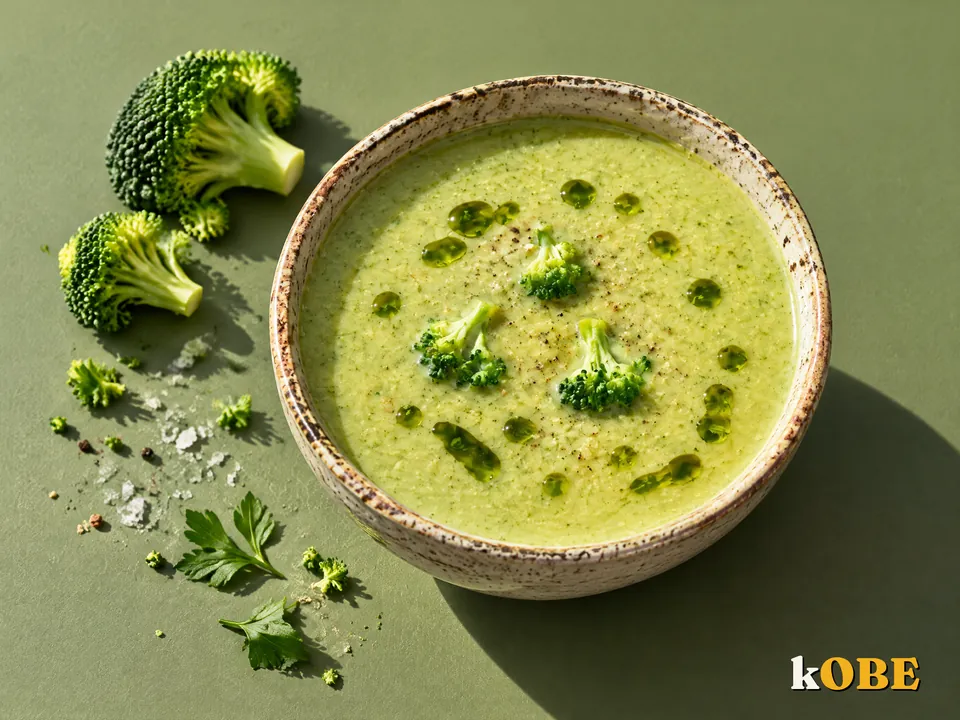
- In Vietnam, cream goes into birthday cakes, cream soups, pasta sauce and the salted cream foam on coffee.
Choosing and storing
Read the label to tell dairy whipping cream apart from non-dairy topping, which is made from vegetable oil, sugar and thickeners. Keep cream in the fridge, and do not freeze it if you plan to whip it, since freezing makes it separate easily. Once opened, seal it and use it within a few days. If it smells sour or turns lumpy, throw it out.
Cooking it well
For fast whipping, chill the cream, bowl and whisk. Stop as soon as you reach soft or stiff peaks, whichever you need. For sauces, add cream over low heat and stir gently so it does not split. Since one tablespoon (about 15g) has around 51 kcal, you can swap part of the cream for milk or yogurt to lighten a dish. Most of the fat in cream is saturated fat, which we explain in saturated vs unsaturated fat.