Data source: USDA FoodData Central, SR Legacy, FDC 167762 (Strawberries, raw).
Fun facts
- The tiny dots on a strawberry are not exactly seeds. Each one is a small fruit holding a seed inside, while the red juicy part is the swollen base of the flower.
- Strawberries are a low-sugar fruit: only 4.9g of sugar per 100g, about one teaspoon, with 32 kcal.
- Gram for gram, strawberries give 58.8mg of vitamin C, more than oranges (53.2mg).
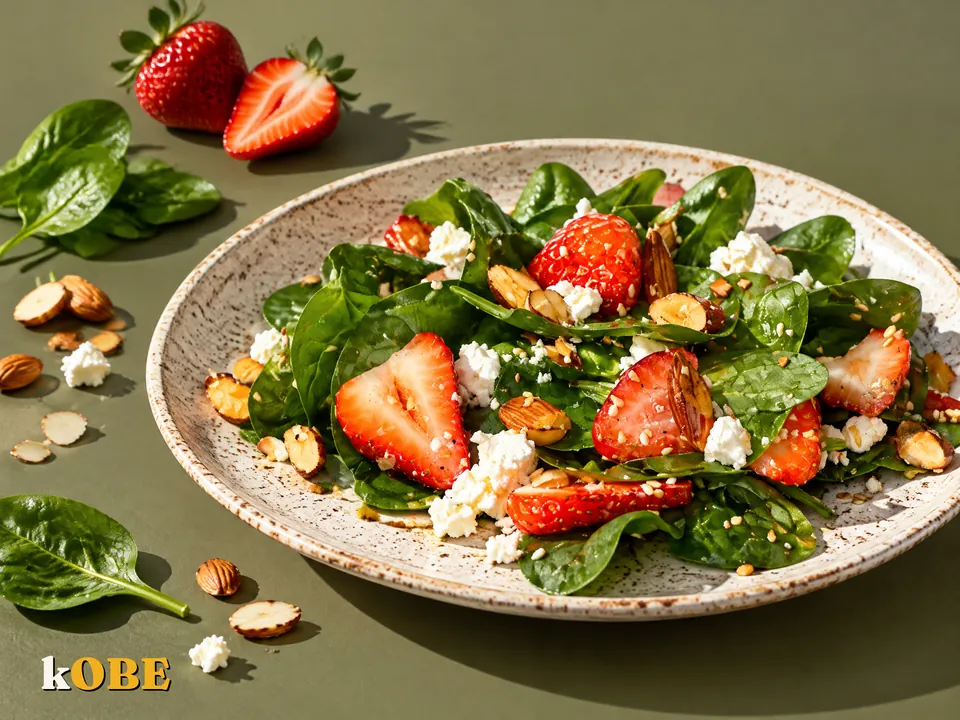
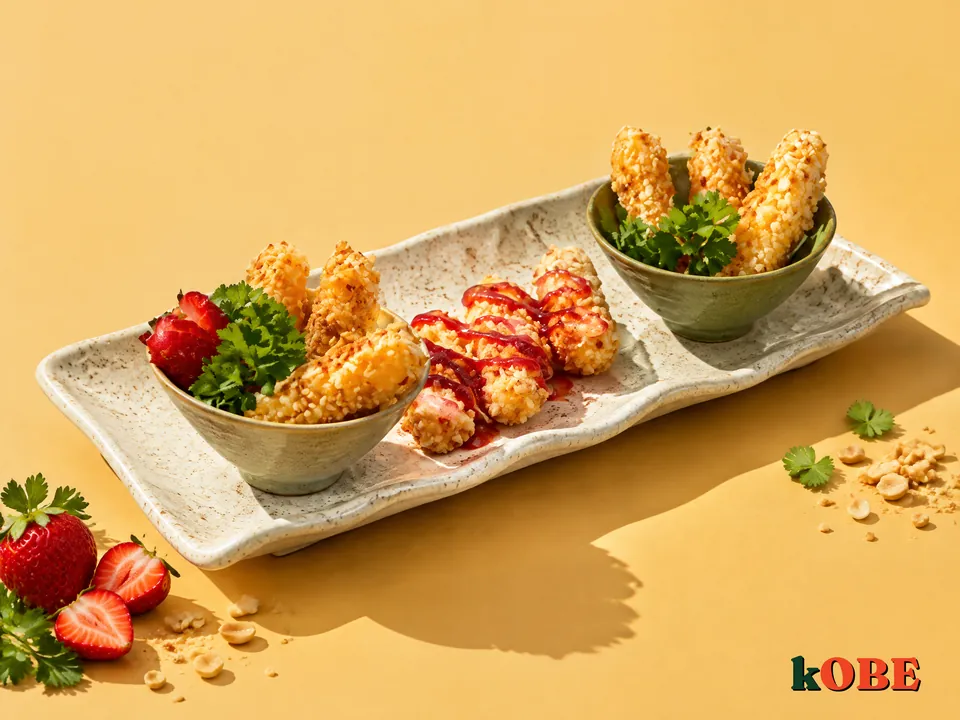
- In Vietnam, strawberries mean Da Lat. People eat them fresh, dipped in chili salt, mashed with yogurt, or cooked into jam and syrup.
Choosing and storing
Choose berries that are red right up to the stem, with fresh green leaves and no soft or moldy spots. Strawberries barely ripen after picking, so a berry with white shoulders will stay sour. Do not wash before storing, since water makes them go soggy; keep them in a box lined with paper towel in the fridge and eat within two or three days. Rinse just before eating, then hull. Frozen strawberries keep for a long time and are great in smoothies.
Cooking it well
Eating them fresh keeps the most vitamin C. Jam and syrup usually need a lot of sugar to hold their color and keep, so the added sugar can end up higher than the sugar in the fruit. For a light dessert, mash strawberries into unsweetened yogurt, or let very ripe berries release their own sweet juice. Curious how much vitamin C heat takes away? See does cooking destroy vitamin C.