Data source: USDA FoodData Central, SR Legacy, FDC 173727 (Beans, adzuki, mature seeds, raw).
Fun facts
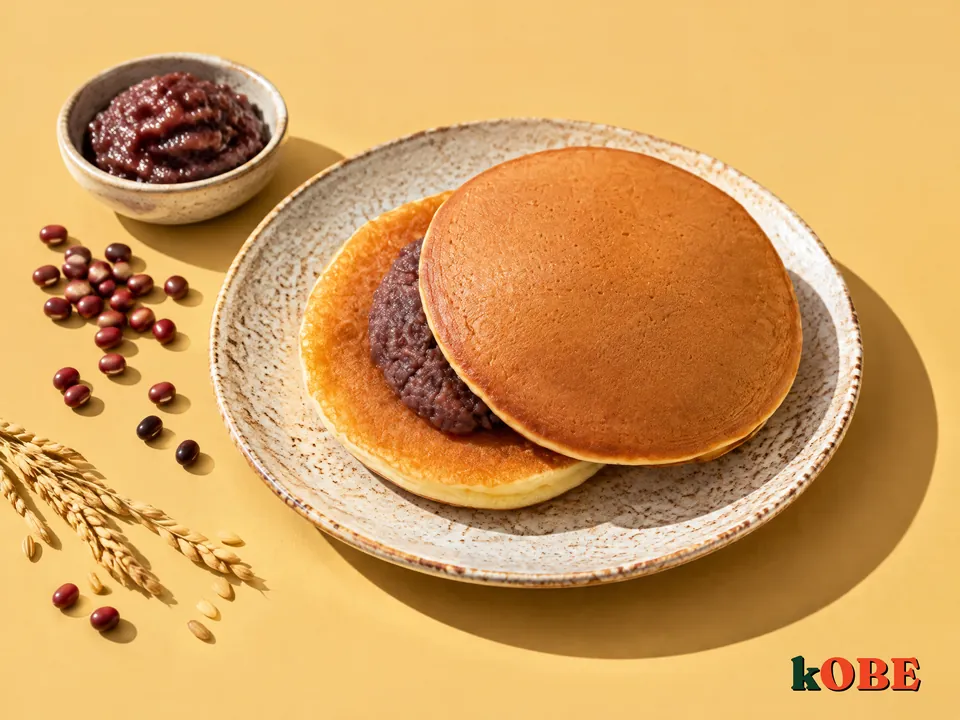
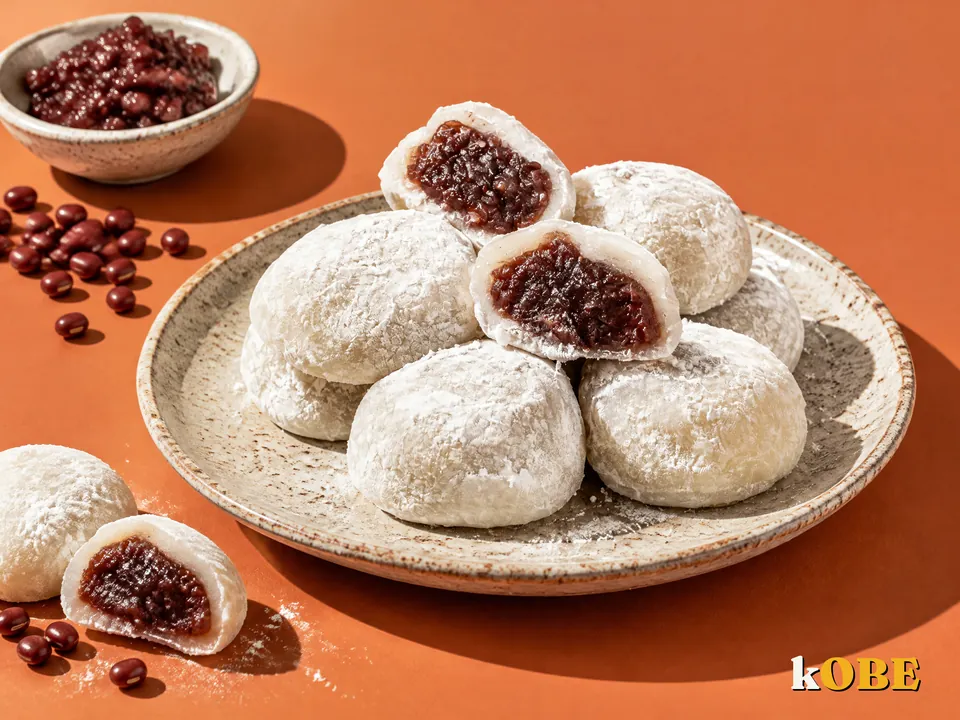
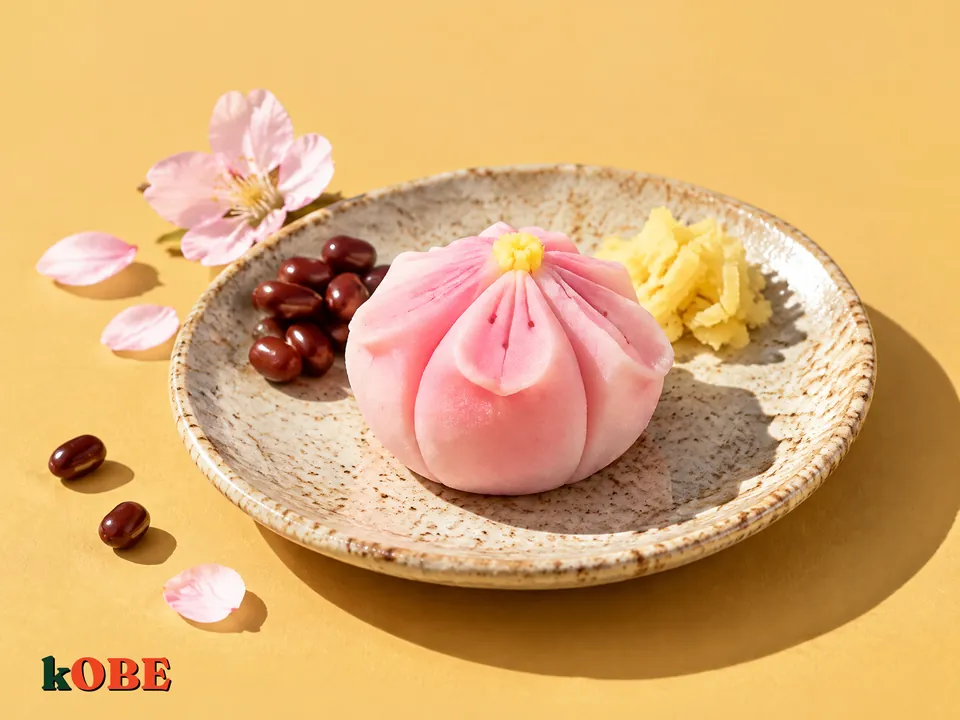
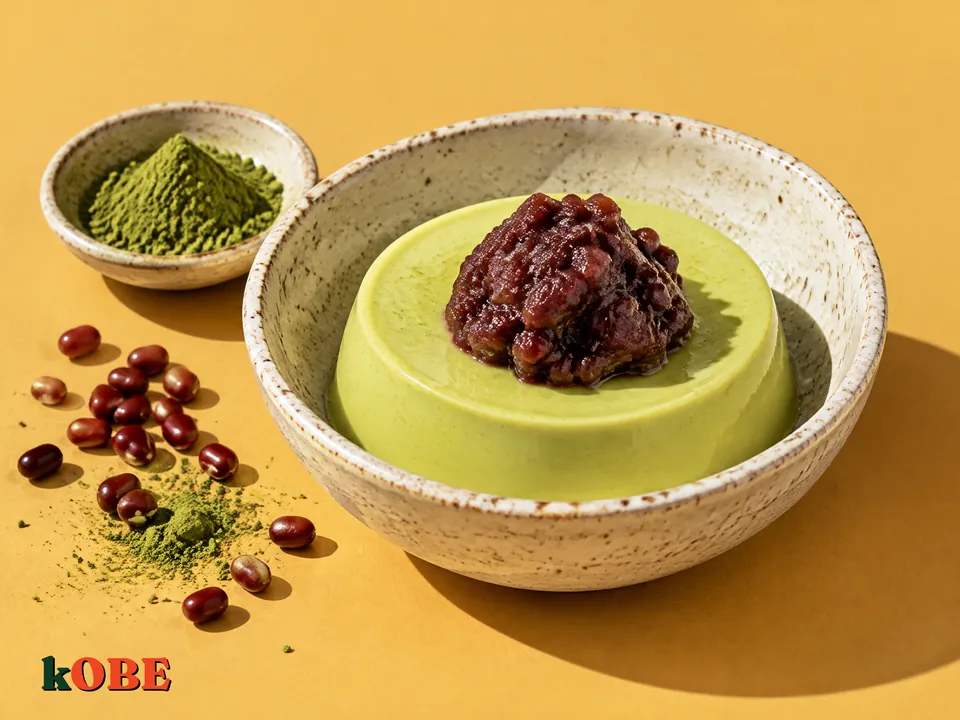
- Small red beans are also called adzuki beans and are much loved in Japan, Korea and China. Sweet red bean paste (anko) fills dorayaki pancakes, mochi and fish-shaped taiyaki.
- The numbers here are for dry, uncooked beans: 100g has 329 kcal, 19.9g of protein, 12.7g of fiber and only 0.5g of fat.
- Dry adzuki beans are also rich in potassium, with 1,254mg per 100g.
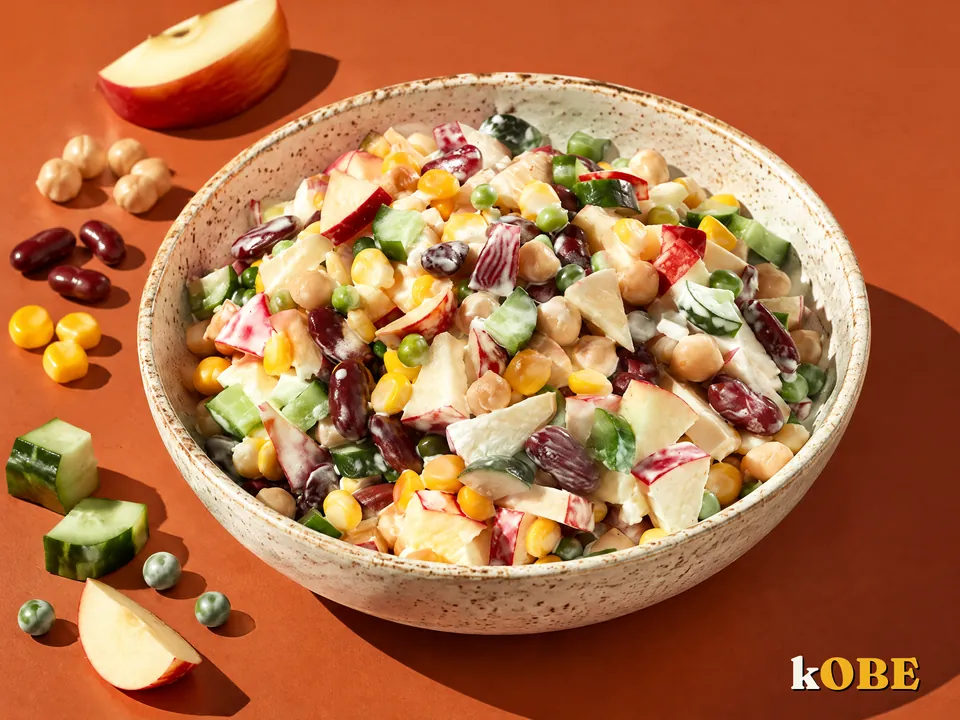
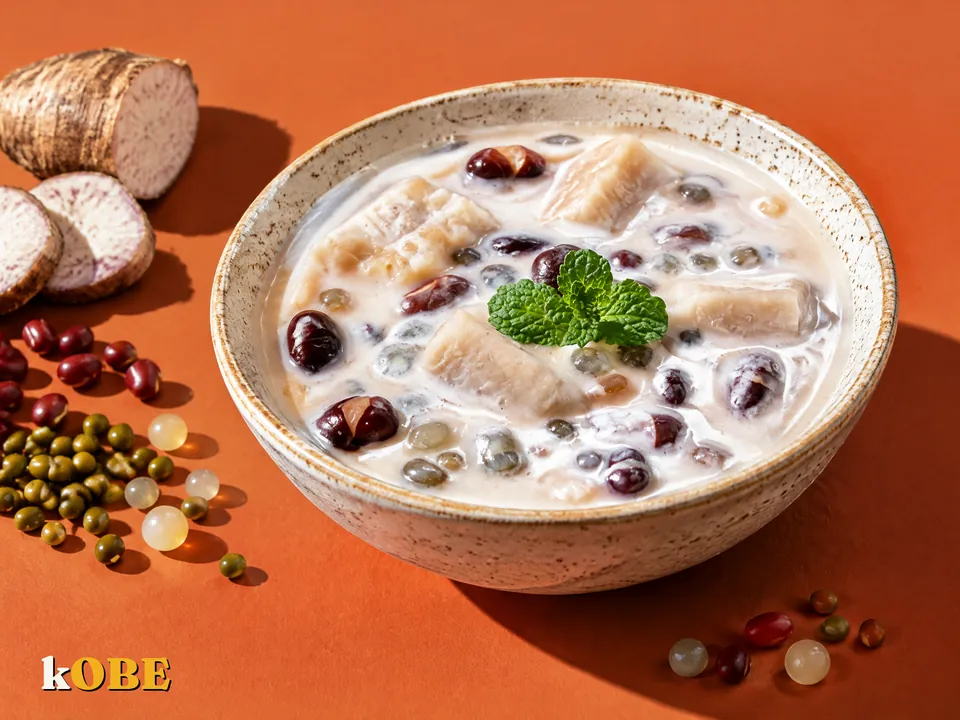
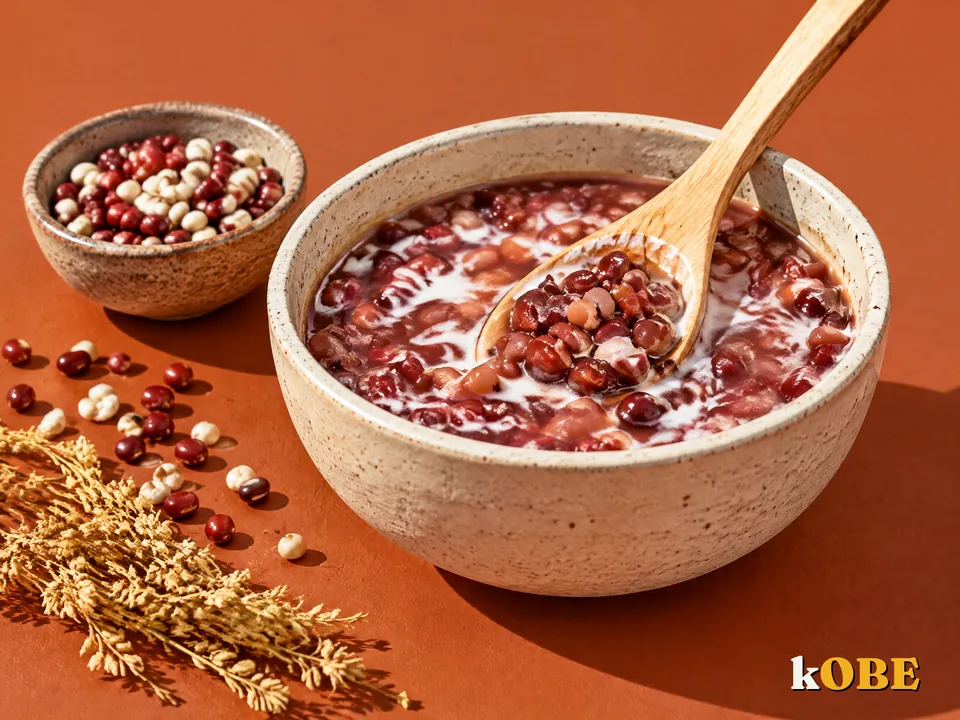
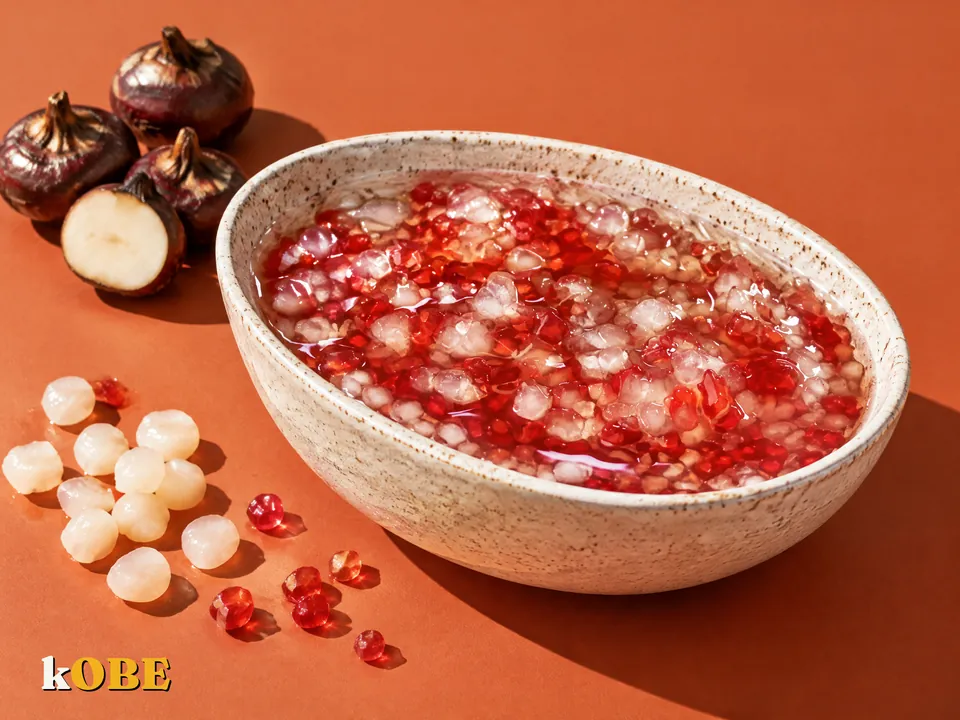
- In Vietnam, "red beans" can mean small adzuki beans or the larger kidney beans often used in sweet soups and stews. The numbers on this page are for adzuki. Adzuki beans appear in 9 kOBE recipes.
Choosing and storing
Choose evenly deep red, glossy, firm beans with no cracks or weevil holes. Store them in an airtight jar somewhere dry and away from sunlight. The older the beans, the drier they get and the longer they take to soften, so buy only what you will use within a few months. Cooked beans can be portioned and frozen for later batches of sweet soup.
Cooking it well
Soak for a few hours or overnight, drain the soaking water, then simmer until the beans are soft. If you use large kidney beans, make sure to boil them hard for a good while, because raw or undercooked kidney beans contain a compound that can upset your stomach. For sweet soup, try less sugar and a pinch of salt to deepen the bean flavor. Beans are also a folate treasure chest; read more in Folate: the vitamin named after a leaf.