Per 100g
38kcalCalories
0.7gProtein
0.1gFat
8.8gCarbs
4.9gFiber
1.8gSugars
4mgSodium
150mgPotassium
12mgCalcium
0.6mgIron
20.2mgVitamin C
1µgVitamin A
Data source: USDA FoodData Central, SR Legacy, FDC 170073 (Yambean (jicama), raw).
Fun facts
- One root, two names: southern Vietnam calls it củ sắn, the north calls it củ đậu. Confusingly, "sắn" in the north means cassava, a completely different root.
- Jicama comes from Mexico. The plant is a legume, but only the root is edible. Its seeds, leaves and pods contain natural toxins and should never be eaten.
- 100g of jicama has only about 38 kcal yet 4.9g of fiber, on par with kale and green peas. It also brings about 20mg of vitamin C.
- It is mostly water, fiber and a little sugar (1.8g), so raw jicama is crisp and refreshing like a pear.
Choosing and storing
Choose hand sized roots with thin, smooth skin that peels easily and a heavy feel, a sign of juiciness. Avoid thick skinned, cracked or soft spotted ones. Whole jicama keeps somewhere dry and airy for 1 to 2 weeks. Peeled jicama should be wrapped, refrigerated and used within a few days.
Cooking it well
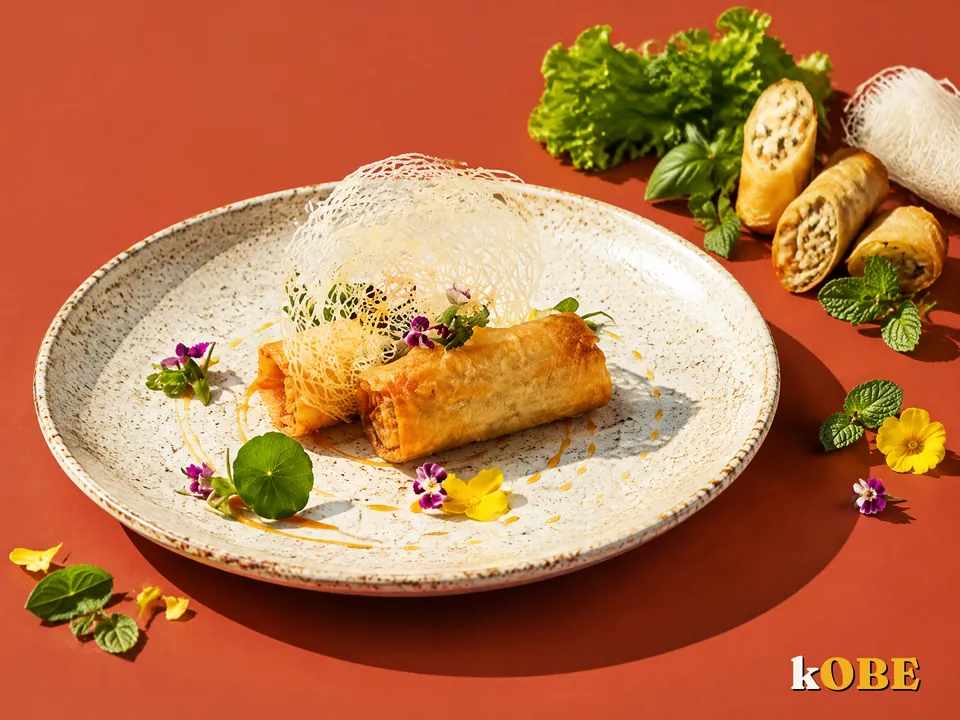
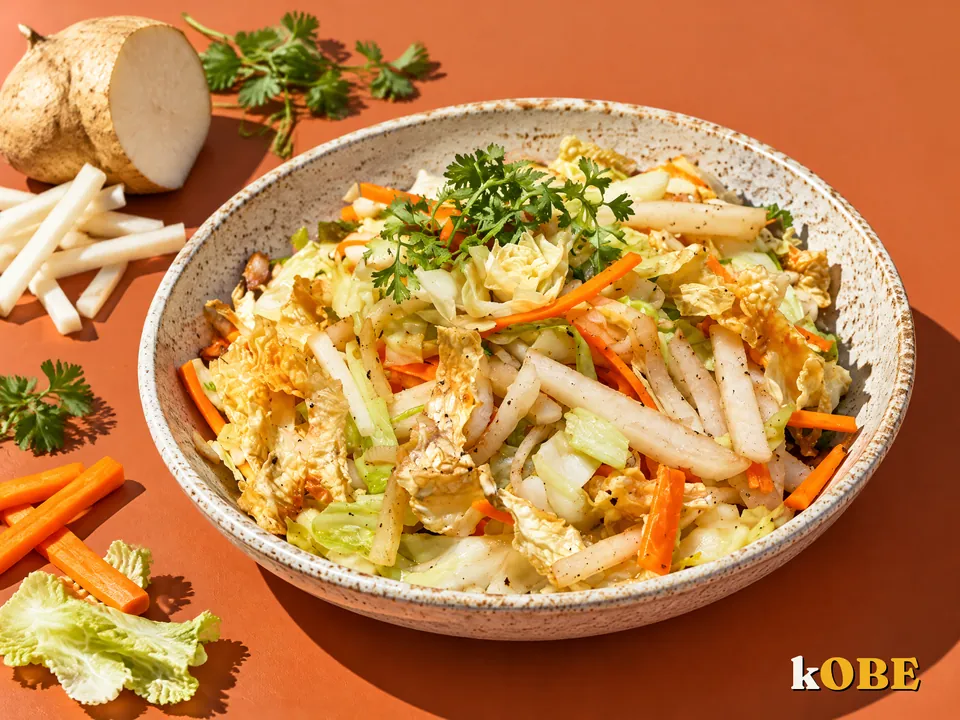
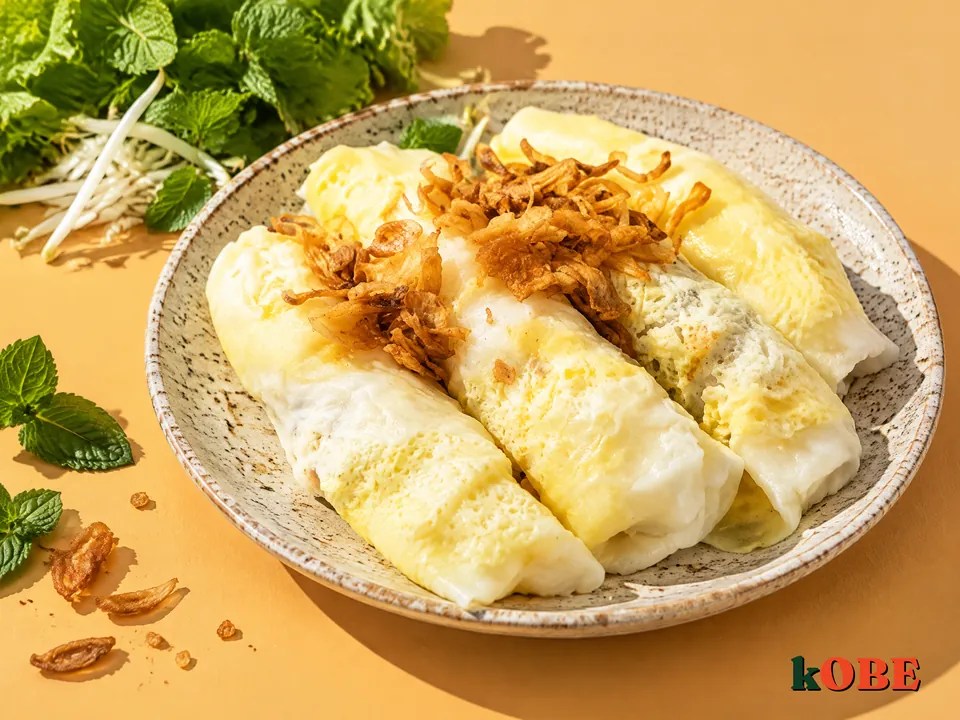
Jicama skin peels off easily by hand: lift one edge and pull. Eating it raw keeps all the crunch and vitamin C: cut it into sticks with chili salt, shred it into salads or roll it into bò bía. A quick stir fry with carrot and dried shrimp makes a classic filling for spring rolls, and it stays lightly crisp. Jicama is rich in fiber, so you may like how much fiber per day.
Frequently asked questions
Is jicama the same as cassava?
No. Jicama is a crisp white root you can eat raw, while cassava is a starchy root that must be cooked before eating.
Can you eat jicama raw?
Yes, that is the most common way. Just peel off the skin and never eat the seeds or leaves of the plant.