Data source: USDA FoodData Central, SR Legacy, FDC 168451 (Radishes, oriental, raw).
Fun facts
- Daikon means "big root" in Japanese, and some varieties grow up to half a meter long.
- 100g of daikon has only about 18 kcal. Even a big chunk of daikon in a soup pot adds just a tiny bit of energy.
- Daikon offers 22mg of vitamin C and 1.6g of fiber per 100g. The mild peppery bite when raw comes from natural sulfur compounds, which mellow and turn sweet once cooked.
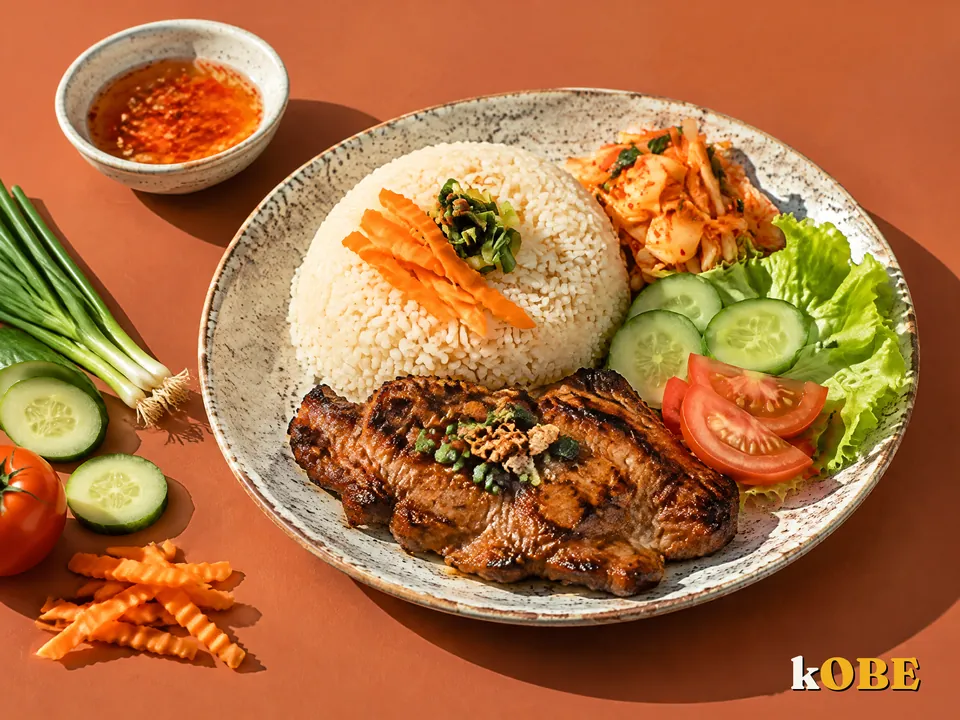
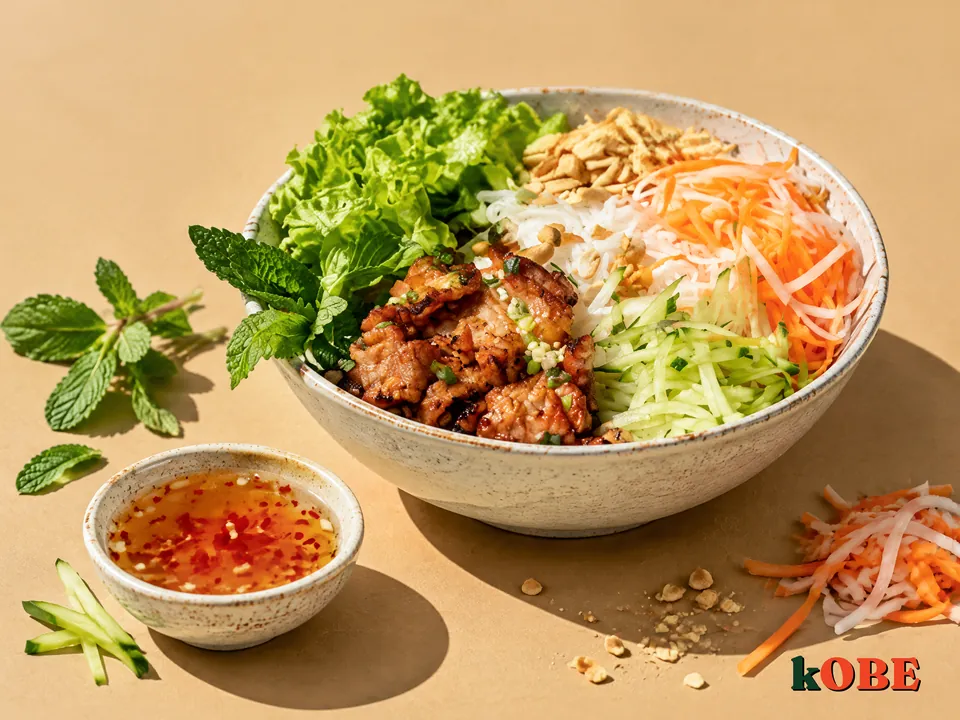
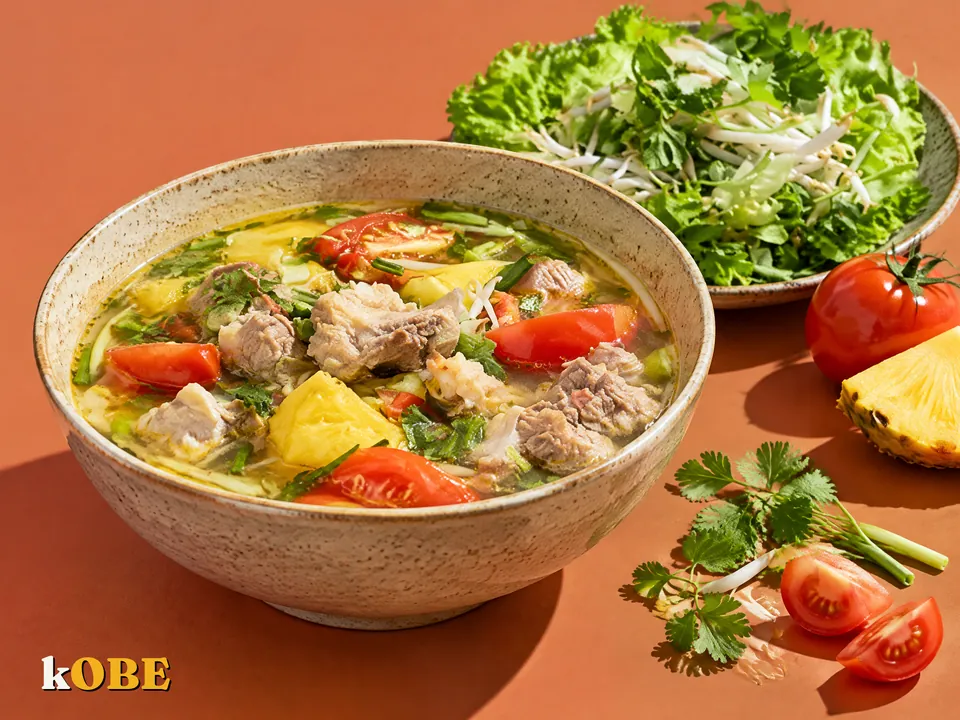
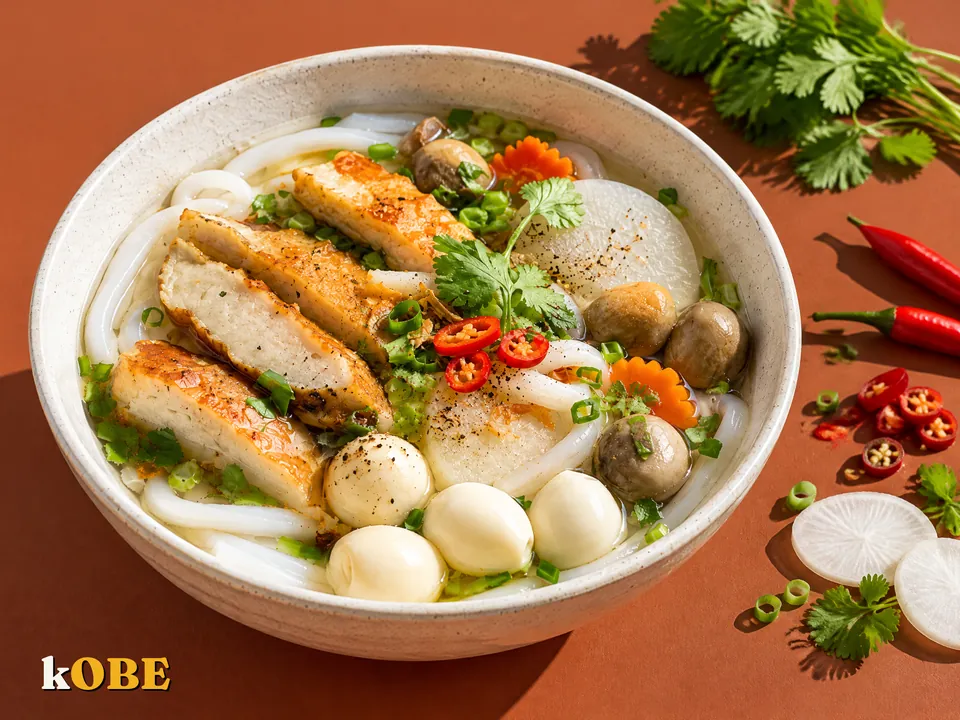
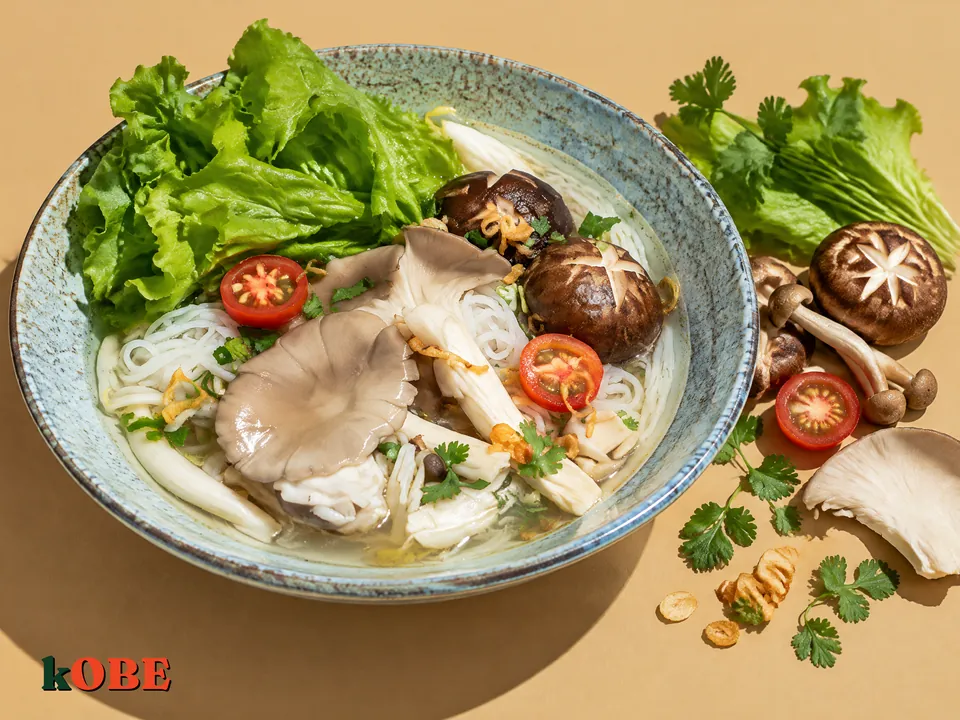
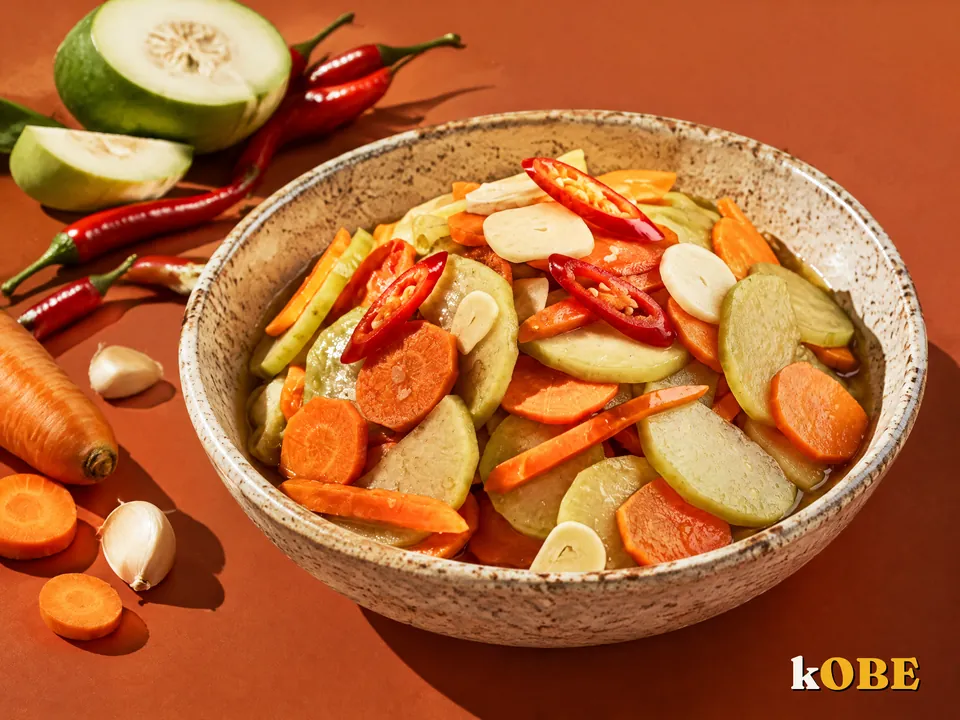
- In Vietnam, daikon goes into pork rib soup, hot pot, braised fish, the carrot and daikon pickles in banh mi, and salted preserved radish. The leaves make a good soup too. In the kOBE recipe library, daikon appears in 33 dishes.
Choosing and storing
Choose straight, heavy roots with smooth, taut white skin that feel solid in your hand. A light root is often pithy inside and tastes spongy. Cut off the leaves before storing so the root keeps its moisture, then wrap it in paper or a bag and keep it in the crisper drawer for one to two weeks. Use the leaves within a few days.
Cooking it well
Simmered with bones or in soup, daikon naturally sweetens the broth, so you can go easier on MSG and sugar. To keep its vitamin C, eat it raw in salads, or make pickles with vinegar and monk fruit sugar instead of regular sugar. Pickles left for a while ferment lightly, and you can read more in Vietnamese fermented foods: pickles and kimchi.