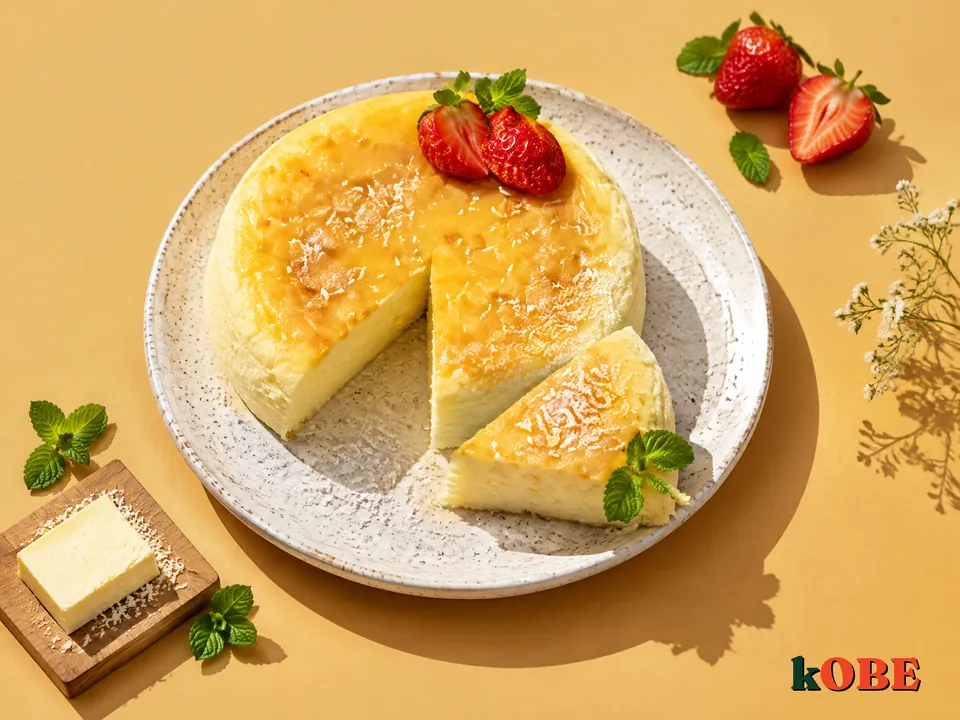
Data source: USDA FoodData Central, SR Legacy, FDC 173418 (Cheese, cream).
Fun facts
- Cream cheese is a fresh cheese made from milk and cream, then drained, with no long aging like cheddar or parmesan. That is why it is soft, smooth and gently tangy.
- Cream cheese became famous in the United States in the late 19th century. The word "Philadelphia" on many packs is a brand name, not where it was born.
- Every 100g of cream cheese has about 350 kcal, 34.4g of fat and only 6.2g of protein. In other words, it is closer to a spreadable fat than a protein source.
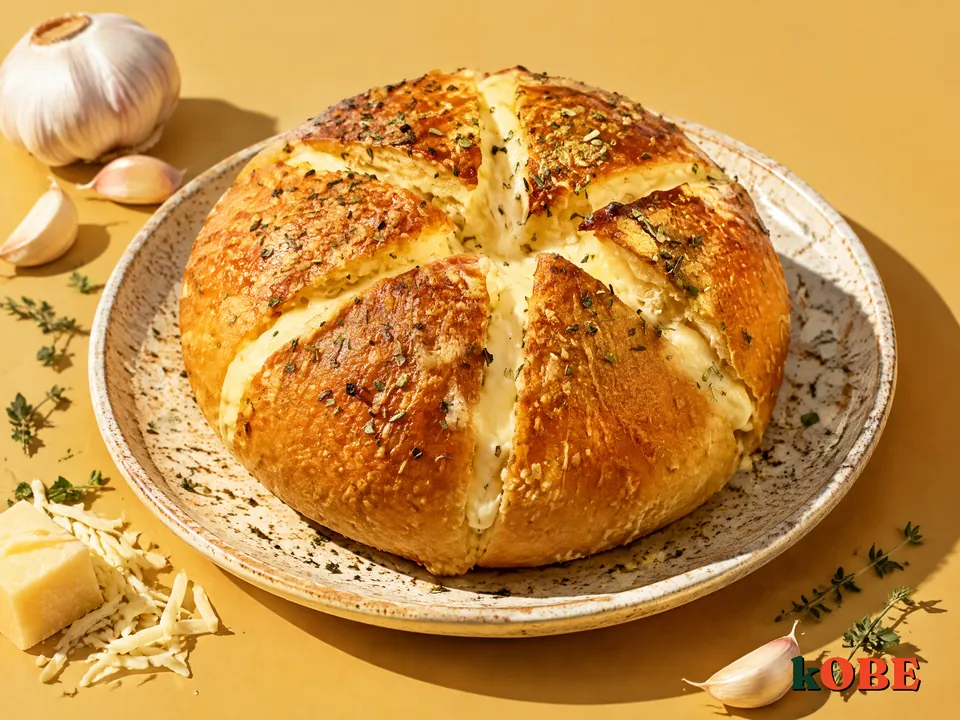
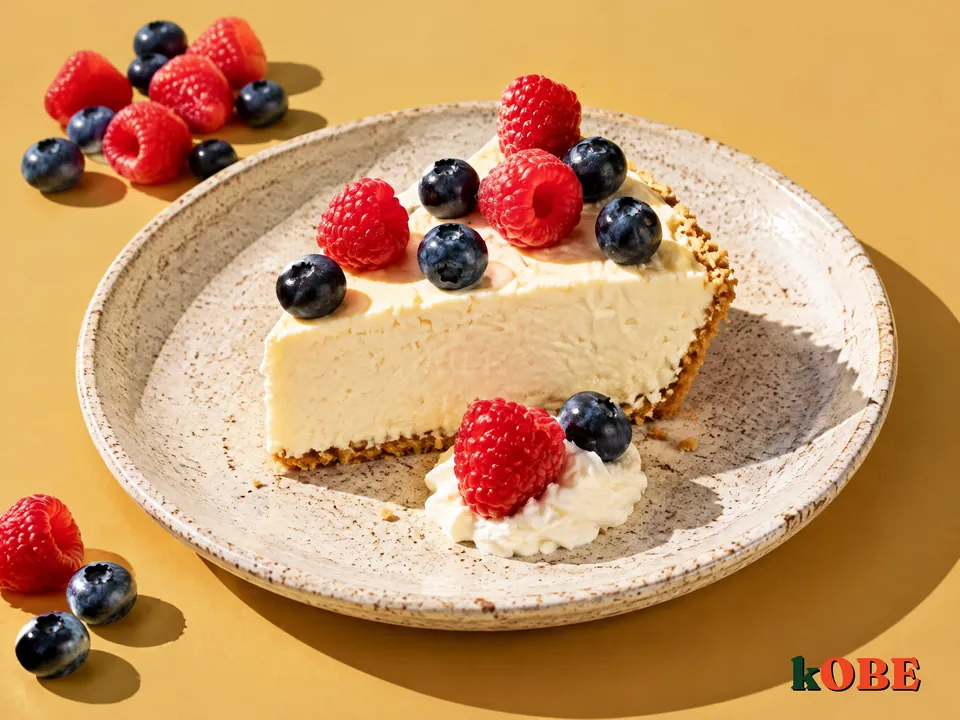
- In Vietnam, most people know cream cheese through cheesecake, melty cheese buns and the cheese foam on milk tea.
Choosing and storing
Block cream cheese is dense and best for baking; tub versions are softer because extra air or liquid is whipped in. Always keep it in the fridge, seal it after use, and follow the date on the pack. Use a clean spoon each time to avoid contamination. You can freeze it, but it turns grainy once thawed, so save frozen cream cheese for baking.
Cooking it well
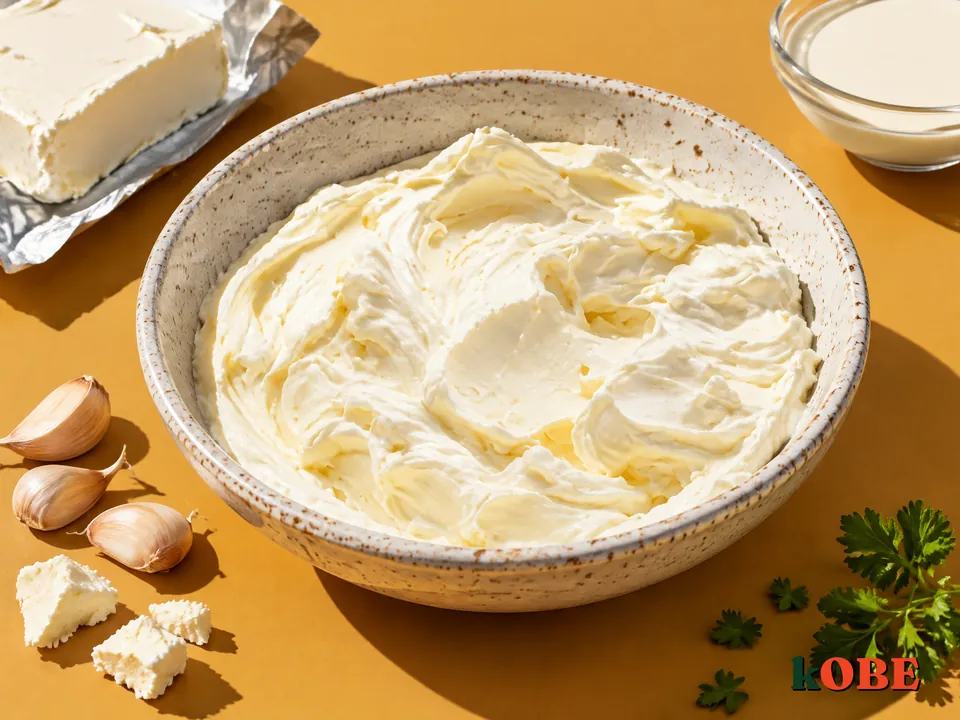
Let cream cheese sit at room temperature for a while before mixing, and your batter will be smooth instead of lumpy. When baking cheesecake, gentle heat and a tray of water underneath help keep the top from cracking. For a lighter spread, mix cream cheese with plain yogurt and keep most of the richness. To make a lower sugar cheesecake, see sugar-free baking substitutes.