Data source: USDA FoodData Central, SR Legacy, FDC 167746 (Lemons, raw, without peel).
Fun facts
- Lemons and limes are different fruits. Lemons are larger with thicker skin, a softer fragrance and a cleaner sourness.
- According to USDA, 100g of lemon flesh (without peel) has about 29 kcal and 53mg of vitamin C, nearly double the lime (29.1mg) and about the same as an orange of the same weight.
- The yellow outer peel is packed with aromatic oils. A little zest gives a dish a clear lemon aroma without making it more sour.
- Lemon appears in 15 kOBE recipes, mostly in dressings, fish dishes and drinks.
Choosing and storing
Choose bright yellow lemons with fine, smooth, glossy skin that feel heavy; bumpy, light lemons usually have less juice. Lemons keep about a week at room temperature, or a few weeks in a sealed bag in the fridge. Imported lemons are often waxed, so wash them with warm water and rub gently before zesting.
Cooking it well
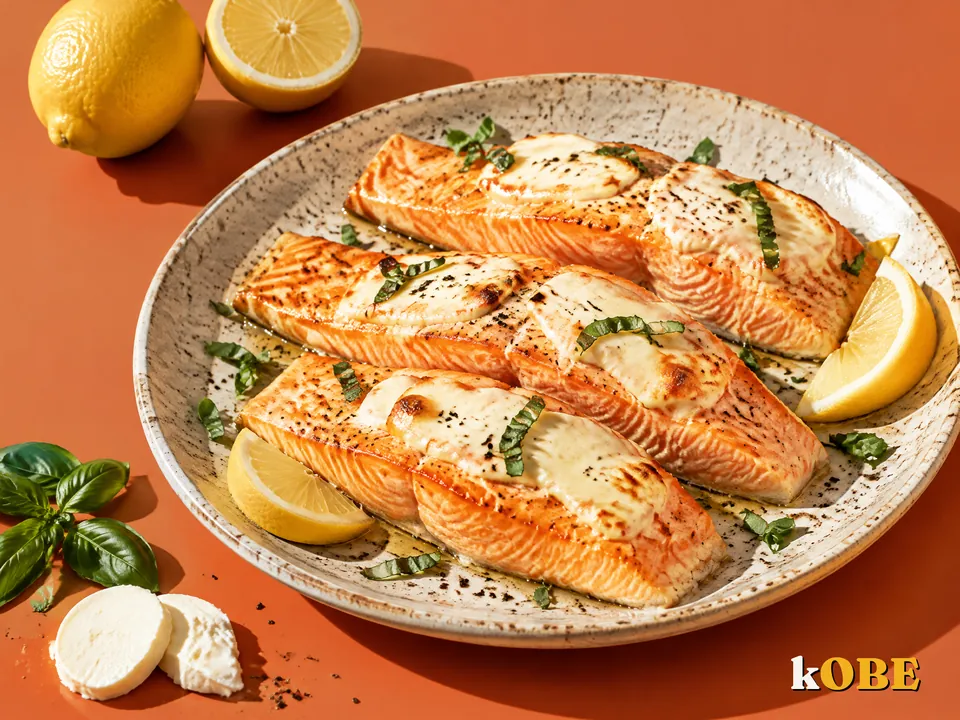
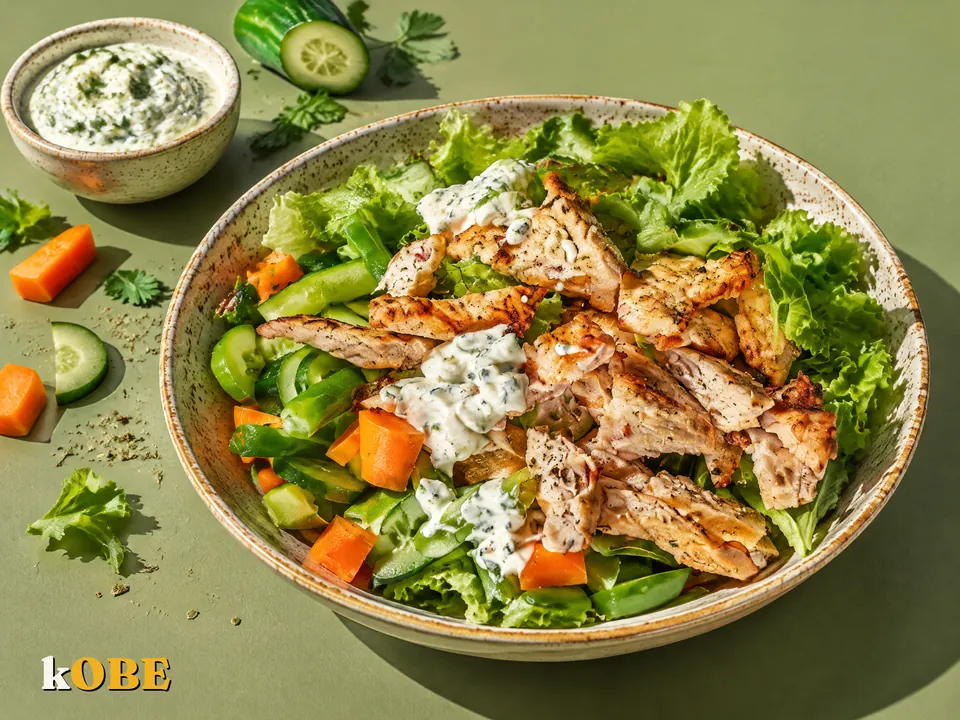
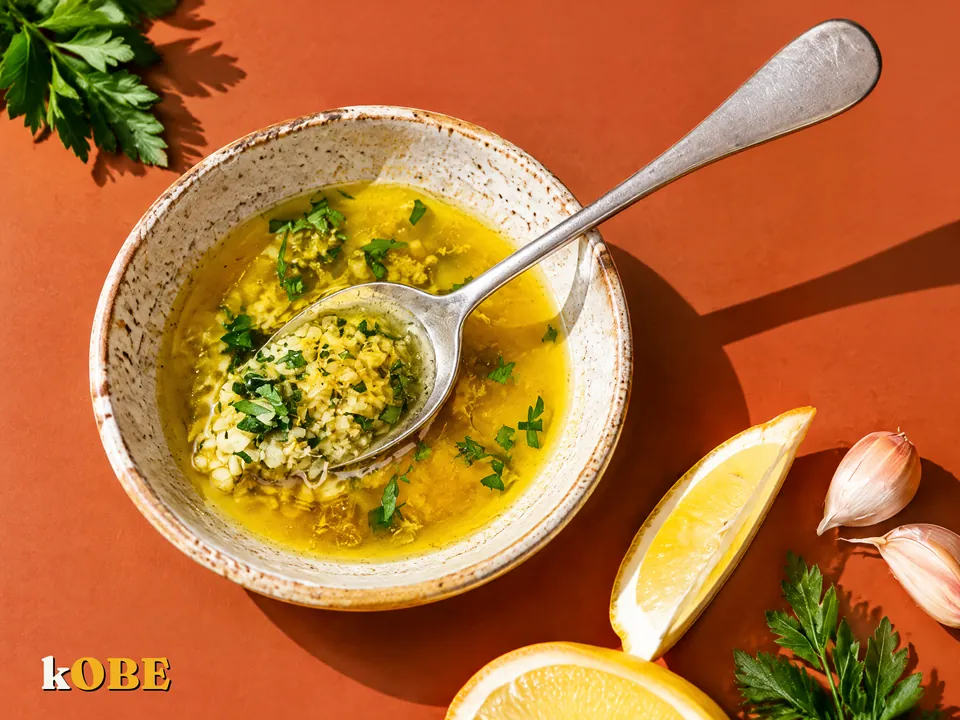
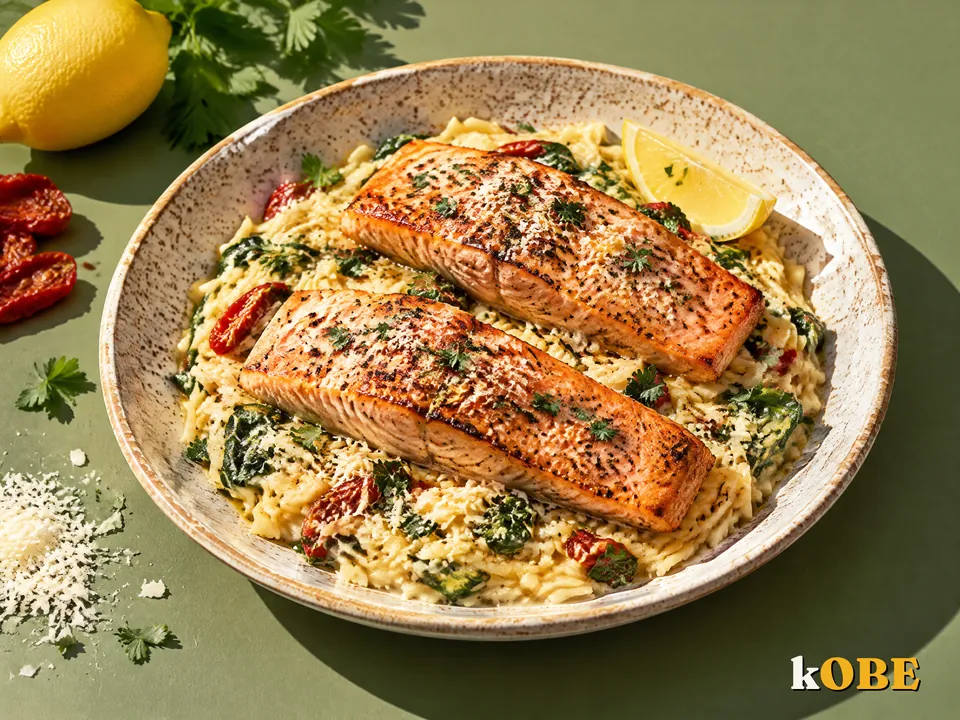
When zesting, take only the thin yellow layer and avoid the white pith underneath, which is quite bitter. Add the juice at the end to keep its fresh taste and vitamin C. Lemon, olive oil and a touch of honey or sugar make a simple salad dressing; see salad dressing: vinaigrette, sesame and yogurt. A few lemon slices on fish before baking add fragrance without overpowering it.