Data source: USDA FoodData Central, SR Legacy, FDC 169979 (Cabbage, chinese (pe-tsai), raw).
Fun facts
- Napa cabbage comes from China and is the main ingredient in Korean kimchi. Every winter, many Korean families make kimchi together in huge batches, a tradition called kimjang.
- 100g of napa cabbage has only about 16 kcal. A big bunch dropped into hot pot adds hardly any energy.
- Napa cabbage gives 77mg of calcium, 27mg of vitamin C and 238mg of potassium per 100g. The leaves are soft and juicy, and the white ribs are crisp and sweet.
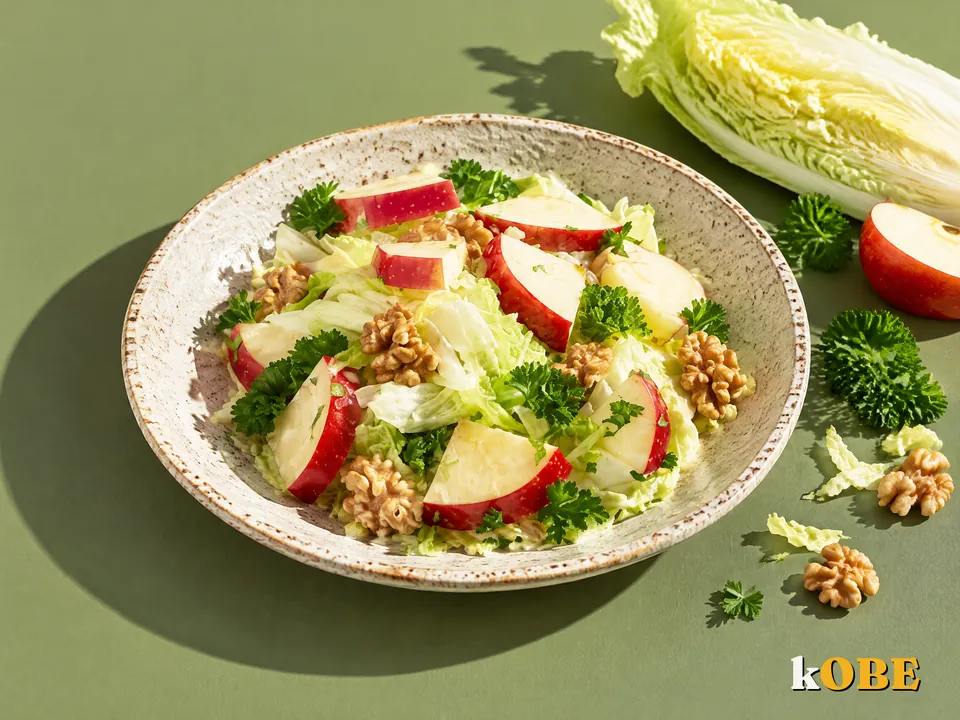
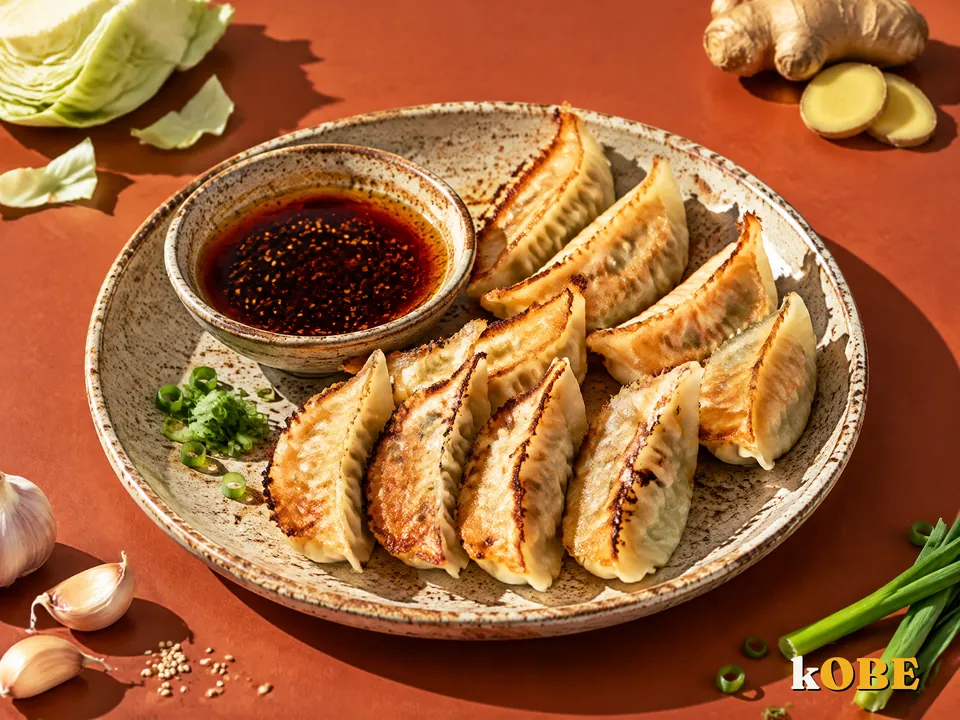
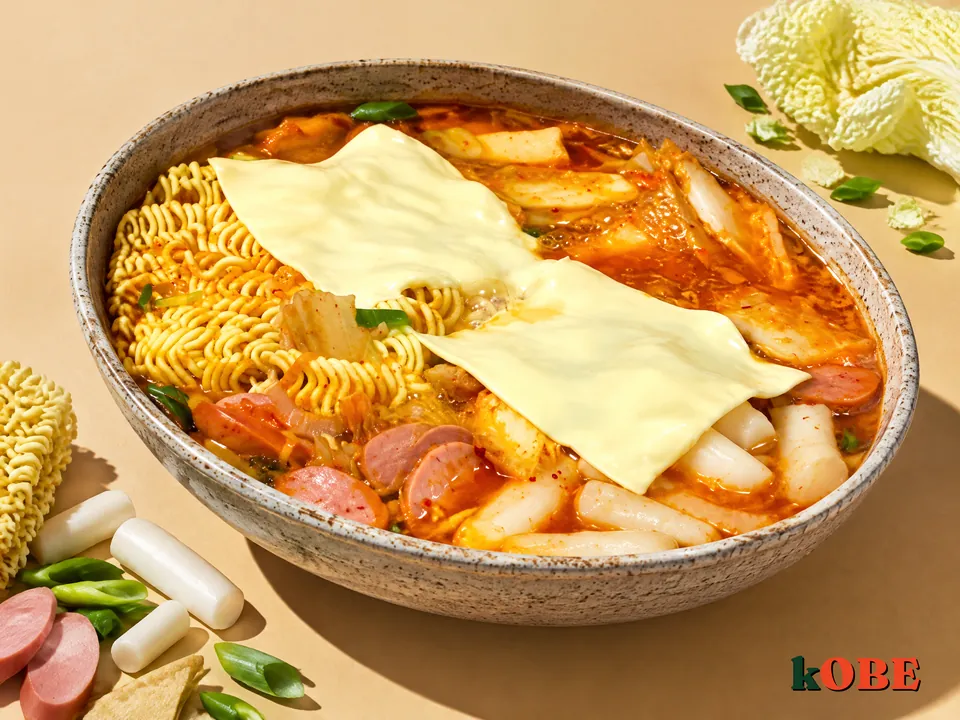
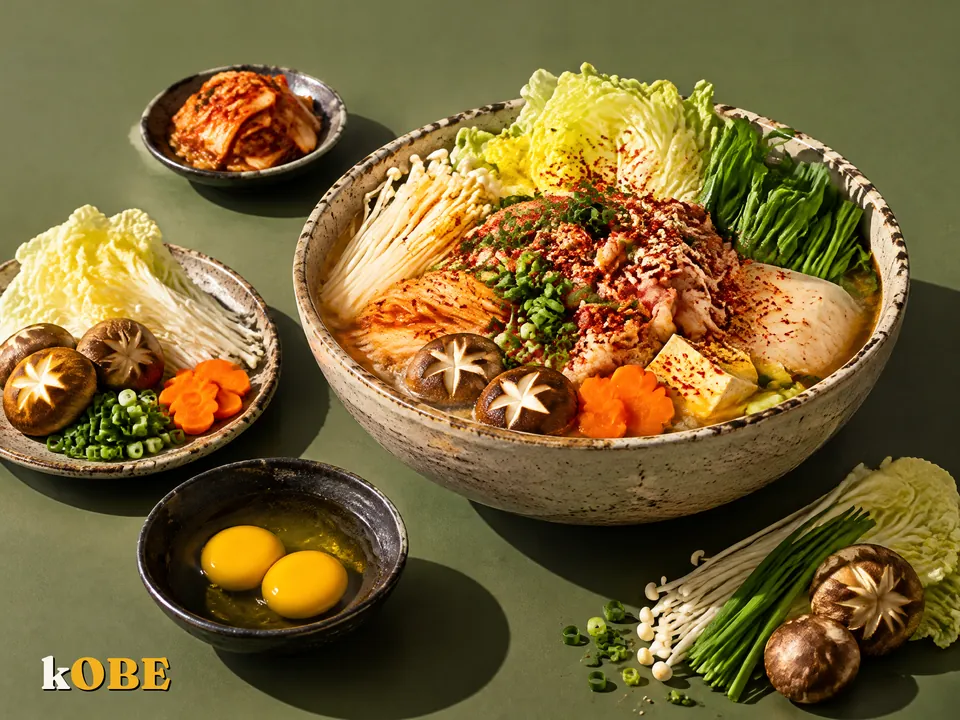
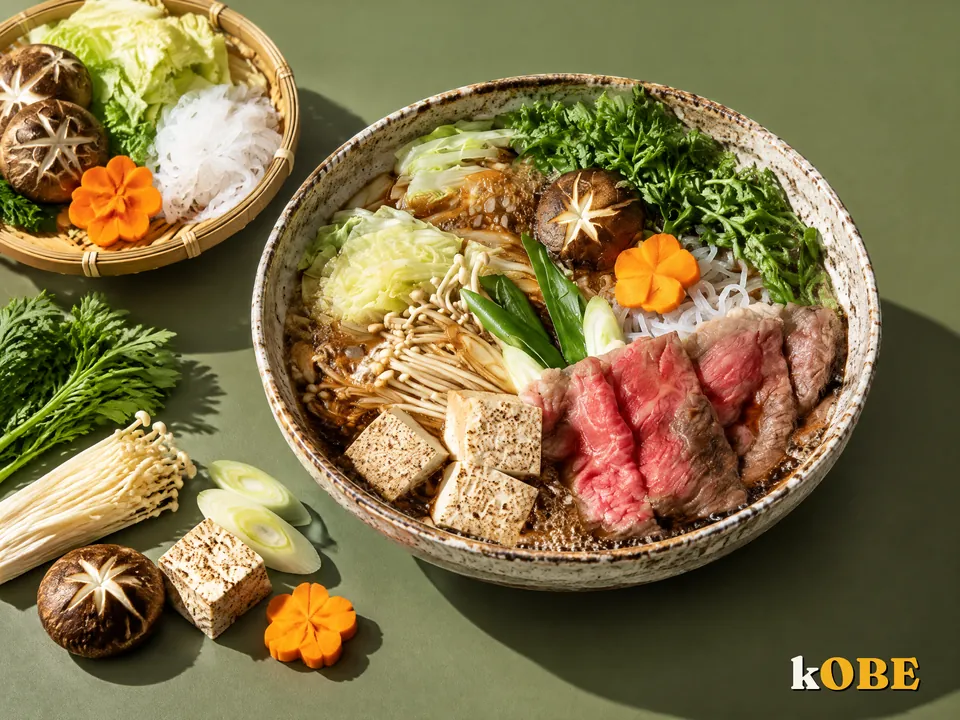
- In Vietnam, napa cabbage goes into hot pot, soups, stir-fries, steamed meat rolls and, of course, kimchi. In the kOBE recipe library, napa cabbage appears in 8 dishes.
Choosing and storing
Choose a firm, heavy head with tightly packed leaves, fresh pale green tips and white ribs without bruises. Wrap a whole head in paper or a bag and keep it in the crisper drawer for about a week. When you need some, peel off outer leaves so the core stays fresh longer. Tiny black specks on the ribs are usually a harmless physiological condition, and the leaves are fine to eat if still fresh.
Cooking it well
Napa cabbage cooks very fast, just a minute or two in soup or hot pot makes it soft and sweet. Add the ribs first and the leaves after, so the ribs stay crisp without the leaves going limp. Short cooking keeps vitamin C, and if you want to try fermenting, Vietnamese fermented foods: pickles and kimchi is a good place to start.