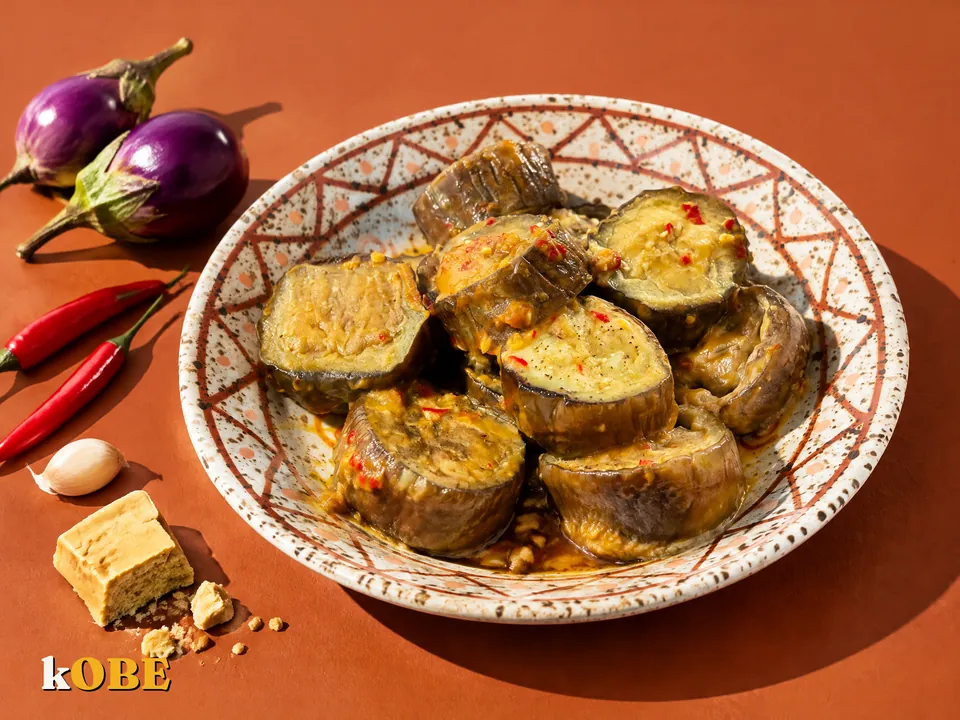
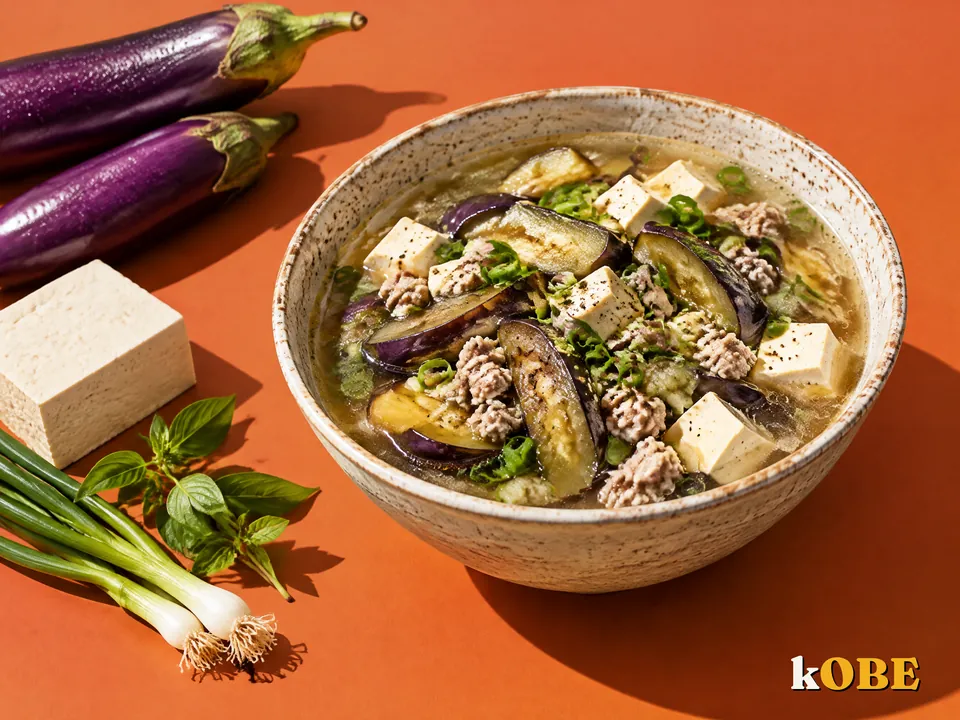
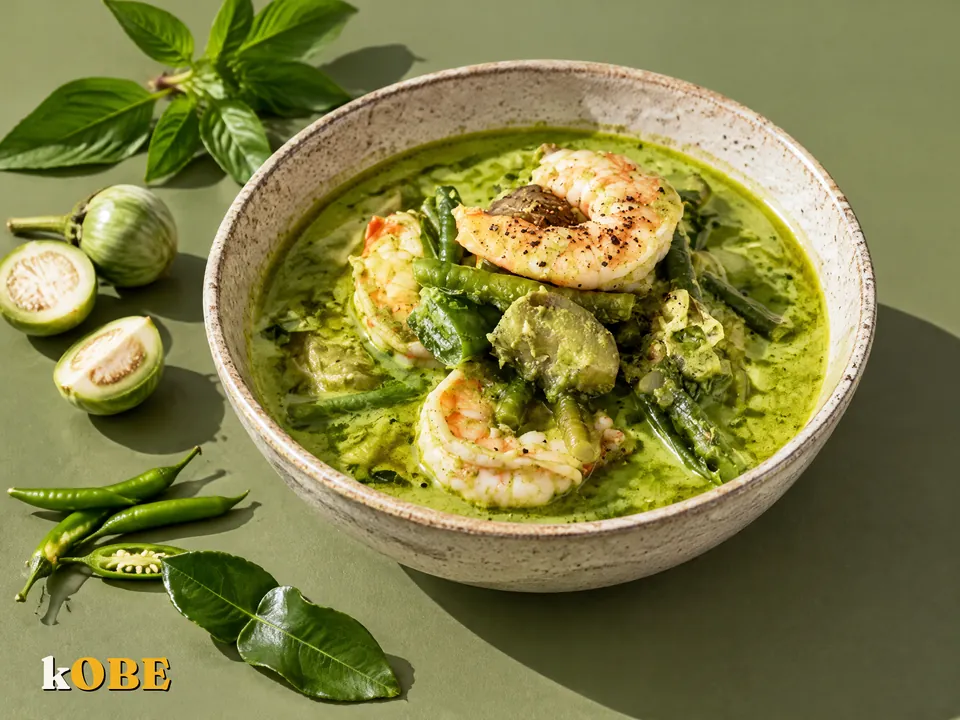
Data source: USDA FoodData Central, SR Legacy, FDC 169228 (Eggplant, raw).
Fun facts
- Botanically, eggplant is a berry, a cousin of tomatoes and potatoes.
- The purple skin gets its color from anthocyanins, the same pigment family found in black rice and red cabbage. Eat the skin so you do not waste it.
- 100g of eggplant has only about 25 kcal, 3g of fiber and almost no fat (0.2g).
- The flesh is like a sponge full of tiny air pockets. That is why fried eggplant drinks up oil so fast, and its calories can multiply several times.
Choosing and storing
Choose fruit with tight, glossy skin, even color, a heavy feel and a green stem. It should bounce back when pressed lightly; wrinkles or soft brown spots mean it is old. Eggplant does not like deep cold, so keep it somewhere cool for 1 to 2 days or in the crisper drawer for 4 to 5 days.
Cooking it well
Soak cut pieces in lightly salted water or water with a squeeze of lime to stop browning. To make it absorb less oil, steam or microwave it for a few minutes so the flesh collapses before stir frying, or grill it whole over charcoal, in the oven or in an air fryer. Grilled eggplant torn into strips with scallion oil and fish sauce is a light Vietnamese favorite that goes great with rice. Curious about that purple pigment? Read what are antioxidants.