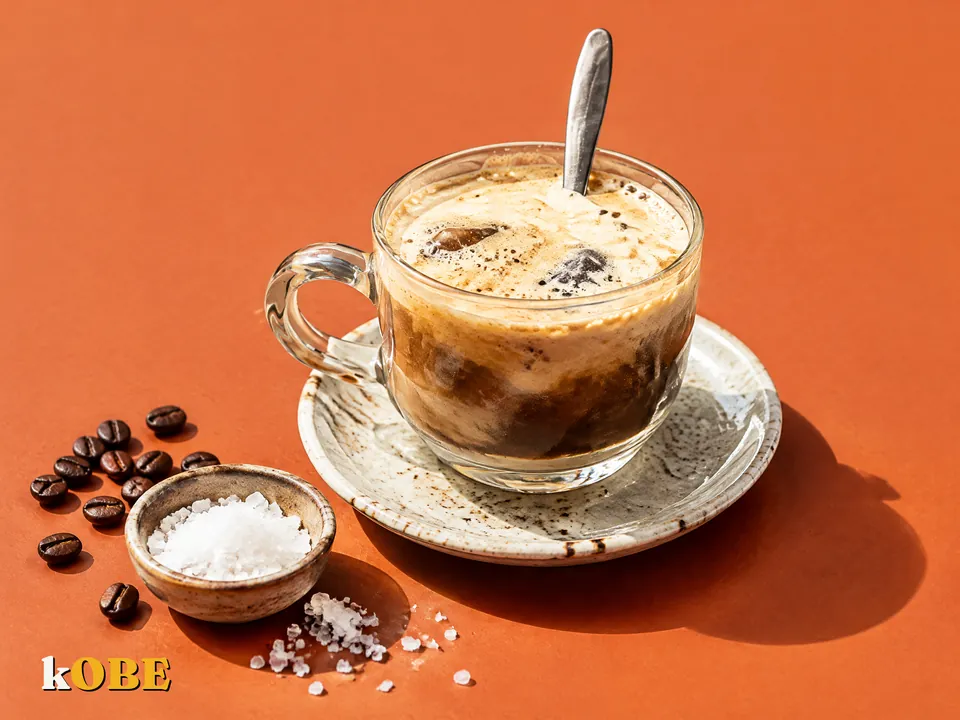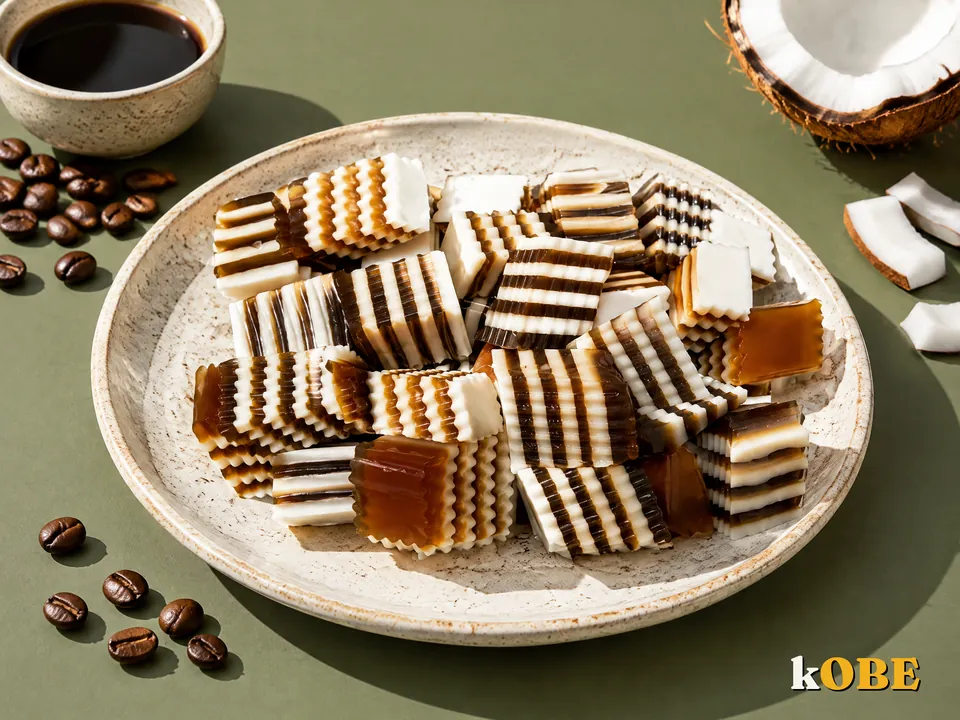
People in Saigon may forget breakfast, but hardly anyone forgets their coffee. A phin (Vietnamese drip filter) slowly dripping at a pavement stall, a bạc xỉu (milky iced coffee) at the office, a cà phê muối (salted cream coffee) in the afternoon.
Yet coffee gets blamed for everything: dehydration, heart trouble, weak bones, stained teeth, addiction. The older generation often warns: "Drink less, it's bad for you."
Is coffee wrongly accused? When we dug in, the story turned out to be quite reassuring. There is just one supporting character to keep an eye on, and it is not the coffee bean.
In this article
What does caffeine do in the body?
The star of your cup is caffeine. It works like a "doorman" blocking the entrance.
Through the day, your brain slowly builds up a substance called adenosine. The more adenosine, the sleepier you feel. Caffeine has a shape very similar to adenosine, so it takes over the "locks" in the brain. The sleepy signal gets blocked. You feel alert.
Caffeine reaches your blood fast, with clear effects after about 30 to 60 minutes. On average the body needs about 5 hours to clear half of the caffeine, but that number varies a lot between people.
Put playfully: your 3pm coffee may still be "sitting" in your system at 9pm.
How much a day is fine?
According to the European Food Safety Authority (EFSA), for healthy adults:
- Up to about 400mg of caffeine a day raises no safety concerns.
- No more than about 200mg at a time.
- Pregnant or breastfeeding women: up to about 200mg a day.
How many cups is 400mg? Hard to say exactly, because caffeine depends on the bean, the brewing method and the strength. A 200ml cup of machine-brewed coffee usually has around 80 to 100mg.
Here is a fun detail for Vietnam: the country mainly grows Robusta beans. Robusta usually has nearly twice as much caffeine as Arabica. A strong phin coffee can pack more of a punch than you think. Drink 3 or 4 strong phin coffees a day and you may already be at the limit.
Coffee rumours: true or false?
"Coffee dehydrates you." Mostly false. Caffeine has a mild diuretic effect, but in regular drinkers that effect weakens. The water in your coffee still counts towards your daily fluids.
"Coffee is bad for your heart." For healthy adults drinking moderately, large studies have not found increased risk. A 2017 review in the BMJ found that 3 to 4 cups a day was linked to neutral or better health markers. But those were observational studies and did not prove coffee was the cause. People with heart rhythm or blood pressure issues should ask their doctor.
"Coffee is addictive." Partly true. Stopping suddenly can bring a few days of headaches, tiredness and grumpiness. Cutting down gradually is easier.
"Coffee keeps you up at night." True, if you drink it late. Many people can still fall asleep, but sleep more lightly without realising.
Still being studied: coffee brewed without a paper filter keeps a substance called cafestol, which may raise LDL cholesterol. Phin coffee uses a metal filter, and data specific to phin coffee are still scarce.
The one to watch: the spoonful of condensed milk
This is the part we most want to talk about. For many Vietnamese coffee lovers, the thing to watch in the cup is not caffeine but sugar.
Sweetened condensed milk is more than half sugar. Look at a familiar iced milk coffee:
| Your coffee | Sugar, roughly |
|---|---|
| Black coffee, no sugar | 0g |
| Black coffee with 2 teaspoons of sugar | 8 to 10g |
| Cà phê sữa đá (2 to 3 tablespoons of condensed milk) | 20 to 30g |
| Bạc xỉu, large milk coffee | can be over 30g |
The WHO recommends keeping free sugars below 10% of energy, and ideally below 5%, which is about 25g a day. One iced milk coffee can already hit that.
Two cups a day and you are over, before counting any sweets or soda.
How to enjoy coffee in a balanced way
A few small ideas, no need to give up coffee:
- Drink it before 2pm if you often struggle to sleep.
- Cut back on sugar and condensed milk gradually. A little less each week, and your taste buds will adjust.
- Try unsweetened fresh milk or a plant milk instead of condensed milk.
- Drink extra water alongside your coffee.
- Listen to your body. A racing heart, shaky hands or restlessness are signs to cut down.
Those who should limit coffee or ask a doctor: pregnant women, people prone to anxiety, insomnia or acid reflux, people with heart issues, and anyone taking medication. Children should not drink coffee.
Inside the kOBE kitchen
We do not want anyone to give up their morning coffee. We just want it less sweet.
kOBE Signature Monk Fruit Blend replaces sugar 1:1, so you can sweeten coffee without recalculating anything. kOBE Oat Milk has no added refined sugar, 34 kcal per 100ml, and can stand in for condensed milk in a bạc xỉu.
Our site also has coffee recipes like cà phê muối and iced milk coffee with jelly, sweetened with monk fruit sweetener, each listing sugar per 100g. See the product on the sweetener page.
Frequently asked questions
Is 3-in-1 instant coffee different from phin coffee?
Is drinking coffee on an empty stomach a problem?
Does decaf still have caffeine?
Keep reading
Sources
- EFSA NDA Panel (2015). Scientific Opinion on the safety of caffeine. EFSA Journal 13(5):4102.
- Poole R. et al. (2017). Coffee consumption and health: umbrella review of meta-analyses of multiple health outcomes. BMJ 359:j5024.
- WHO (2015). Guideline: Sugars intake for adults and children.
- USDA FoodData Central: brewed coffee, sweetened condensed milk.
- Further reading: Nutrition: Concepts and Controversies 16th ed., chapter 8.