Data source: USDA FoodData Central, SR Legacy, FDC 172191 (Egg, quail, whole, fresh, raw).
Fun facts
- One quail egg weighs only about 10g. It takes around 5 of them to equal one chicken egg, so a bowl of quail eggs adds up to quite a lot of egg.
- Per 100g, quail eggs have about 158 kcal and 13.1g of protein, slightly more than chicken eggs because the yolk takes up a bigger share.
- Iron is the standout: about 3.6mg per 100g, twice the amount in chicken eggs (1.8mg).
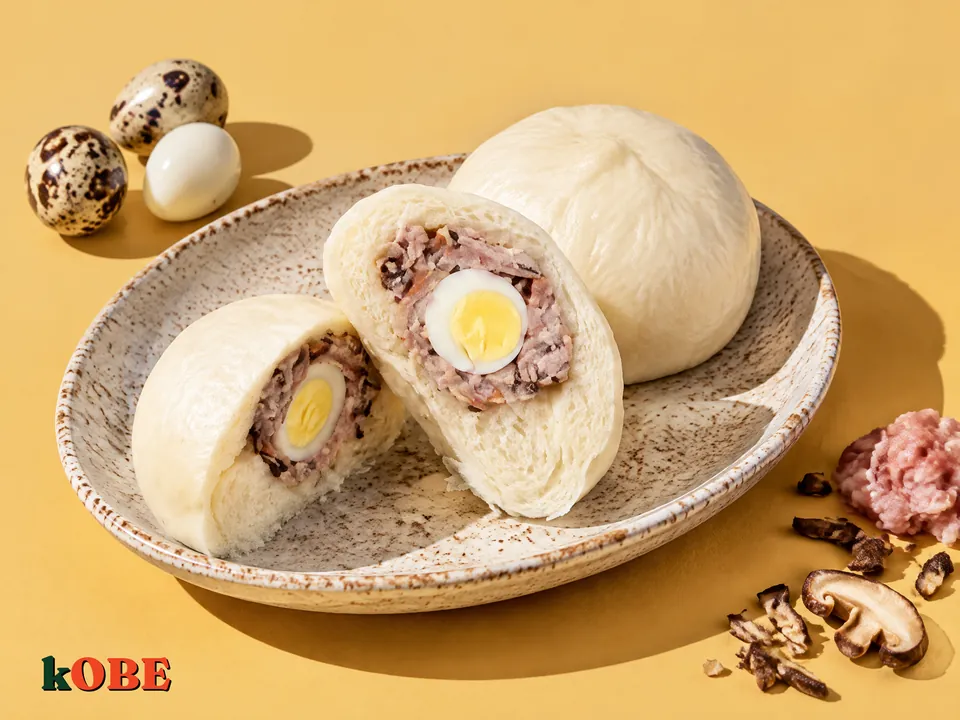
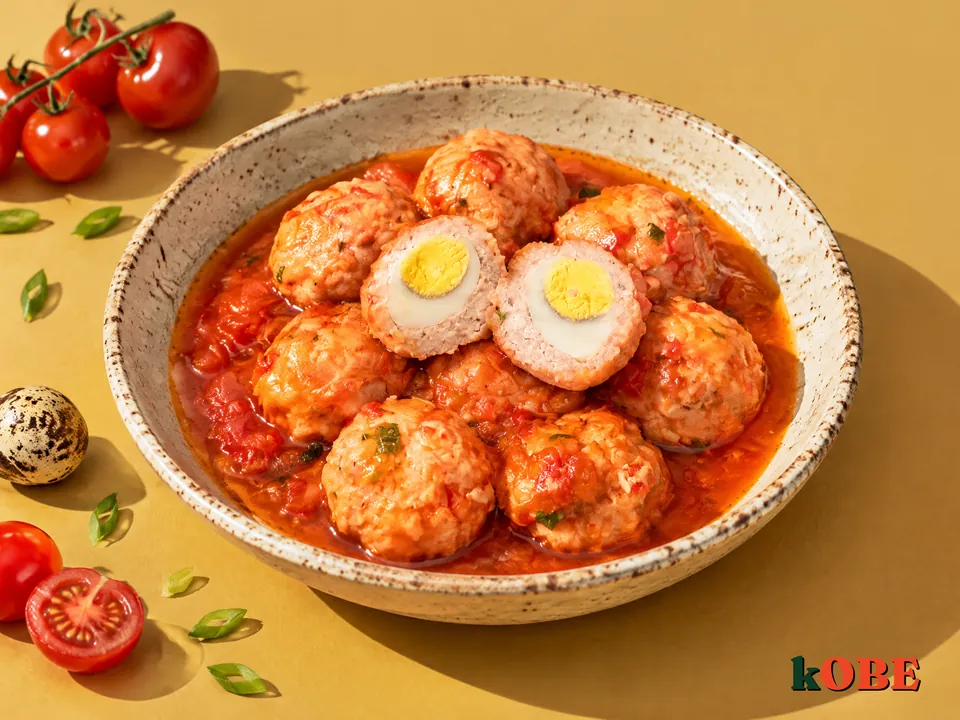
- The brown speckled shell is the natural color of quail eggs, a camouflage in the nest. Vietnamese people love quail eggs in braised pork, tamarind stir fried quail eggs, rice paper salad and grilled skewers.
Choosing and storing
Choose eggs with whole, clean shells and no cracks. Because the shell is thin and the egg is small, quail eggs lose moisture faster than chicken eggs, so buy only what you will use in the next few days. Keep them in the fridge in their box. Boiled and peeled quail eggs should go in a sealed container in the fridge and be eaten soon.
Cooking it well
Quail eggs cook very fast: drop them into boiling water for about 3 to 4 minutes and the yolks are cooked evenly. Move them straight into cold water, then roll them gently so the shell cracks all over, and peeling gets much easier. Boil too long and the yolk turns dry with a green ring. When braising, add the eggs near the end so they soak up color without turning rubbery.