Data source: USDA FoodData Central, SR Legacy, FDC 170845 (Cheese, mozzarella, whole milk).
Fun facts
- Mozzarella comes from southern Italy. The traditional version is made from water buffalo milk, called mozzarella di bufala; most mozzarella today is made from cow's milk.
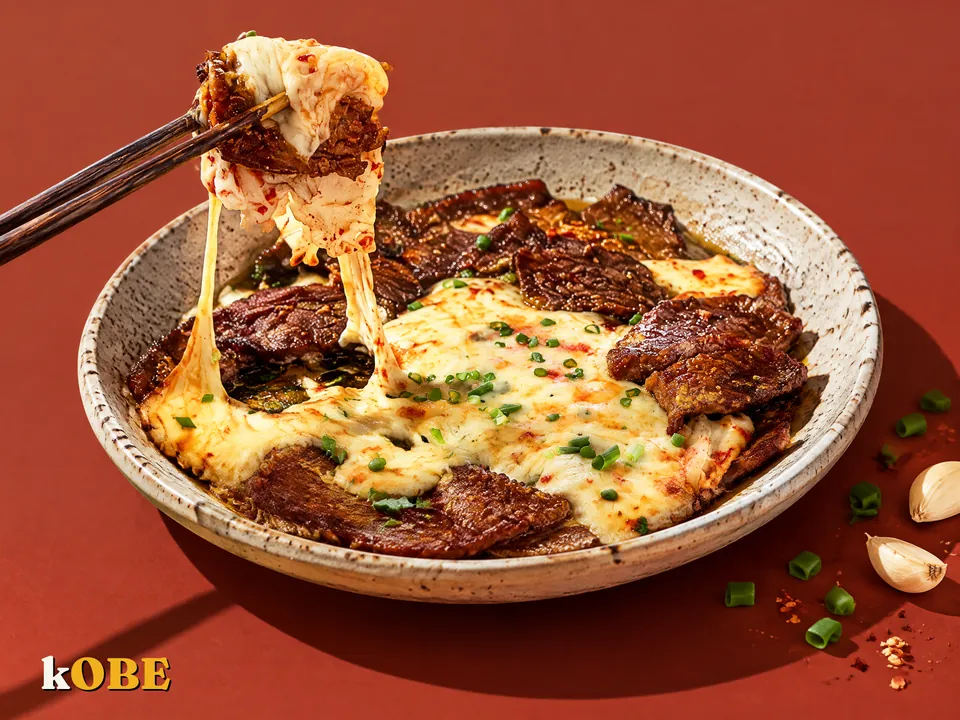
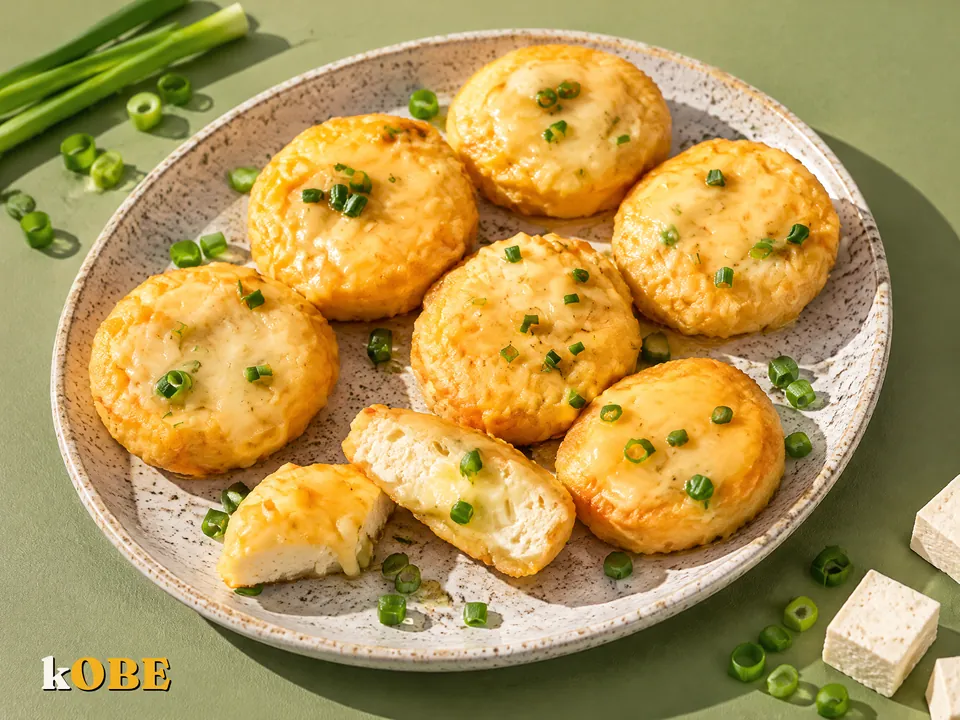
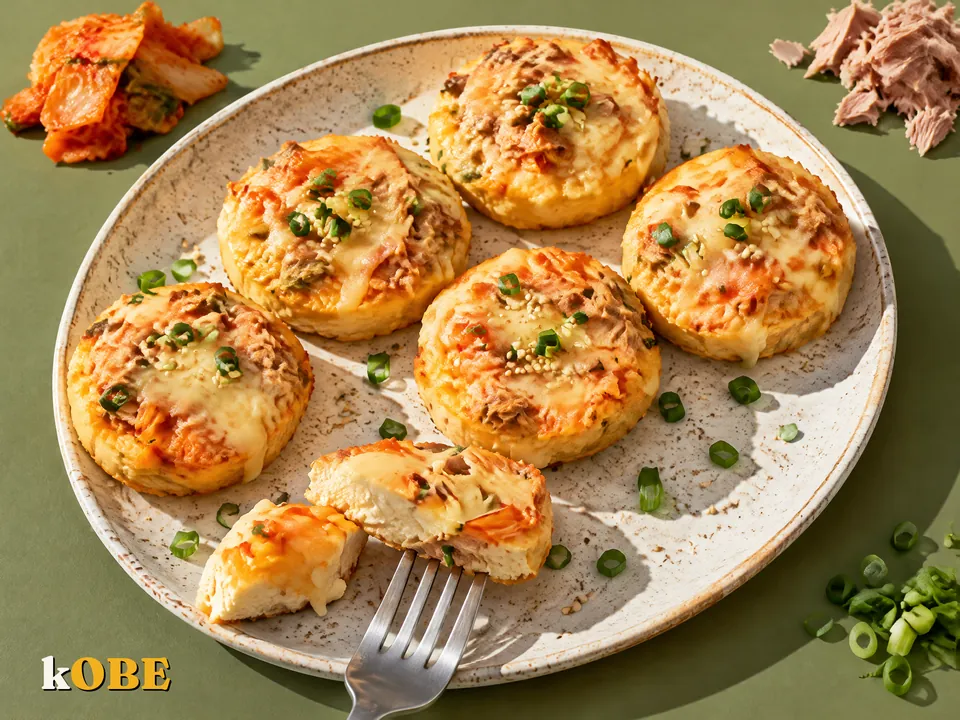
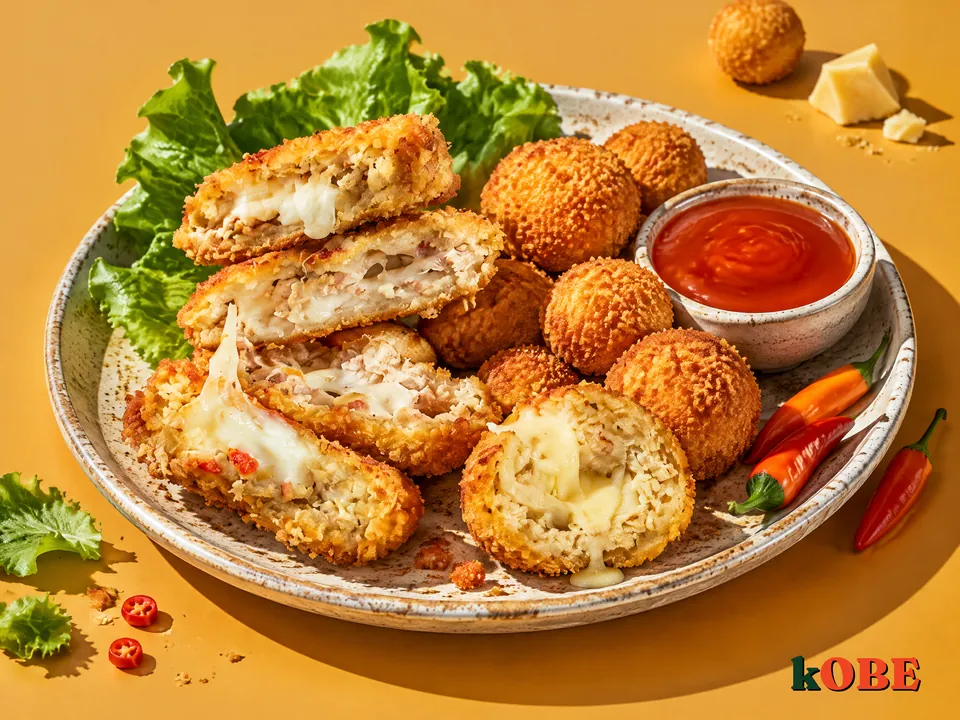
- The secret to the stretch is in the making: the curd is kneaded and pulled in hot water, which lines the protein strands up. When baked, they stretch into long strings.
- Every 100g of mozzarella has about 299 kcal, 22.2g of protein and 22.1g of fat, so protein and fat are almost equal.
- Calcium is high, about 505mg per 100g. Sodium is about 486mg, lower than many hard cheeses like cheddar or parmesan.
Choosing and storing
There are two main types: fresh mozzarella balls in brine, soft and moist, great for salads; and drier low-moisture mozzarella in blocks or shreds, made for pizza. Keep fresh mozzarella in its liquid in the fridge and eat it within a few days of opening. Blocks last longer; wrap them well so the surface does not dry out. Always follow the date on the pack.
Cooking it well
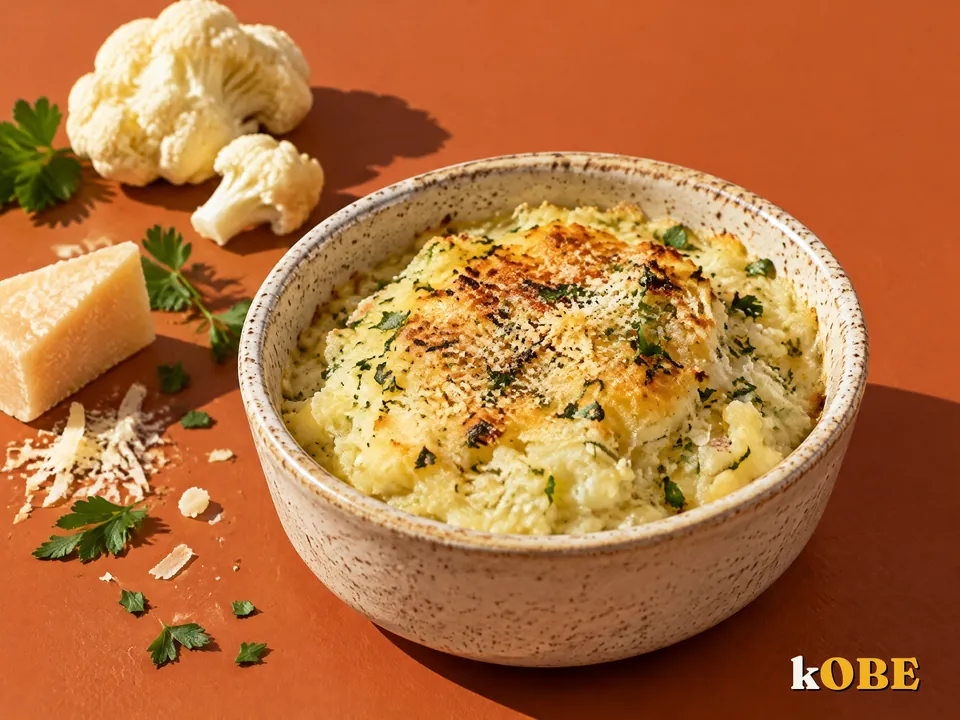
To get mozzarella to melt nicely without turning oily, bake it hot and fast, and add the cheese near the end if the dish needs a long bake. Fresh mozzarella shines cold: sliced with tomato, basil and a drizzle of olive oil. You can also grate it over toast, baked rice or pasta. With nearly 300 kcal per 100g, a small handful of about 30g is enough for richness and stretch.