Data source: USDA FoodData Central, SR Legacy, FDC 173414 (Cheese, cheddar (Includes foods for USDA's Food Distribution Program)).
Fun facts
- Cheddar is named after a village in Somerset, England. Today it is one of the most widely made cheeses in the world.
- Cheddar is naturally ivory white. The orange color of many cheddars comes from annatto, the same seed Vietnamese cooks use to color braised dishes and curries.
- Every 100g of cheddar has about 403 kcal, 22.9g of protein and 33.3g of fat. Calcium is very high, about 710mg, but so is sodium, about 653mg.
- The longer cheddar ages, the bolder and sharper it tastes, sometimes with tiny crunchy crystals. Lactose also drops as it ages.
Choosing and storing
Labels like "mild", "medium" and "sharp" tell you how bold it is, from shorter to longer aging. Blocks usually taste better than pre-shredded cheese, which often has anti-caking powder added. Wrap it in baking paper, then place it in a container in the fridge. If a small spot of mold appears on a hard block, you can cut away about 2.5cm around it; soft or shredded cheese with mold should go in the bin.
Cooking it well
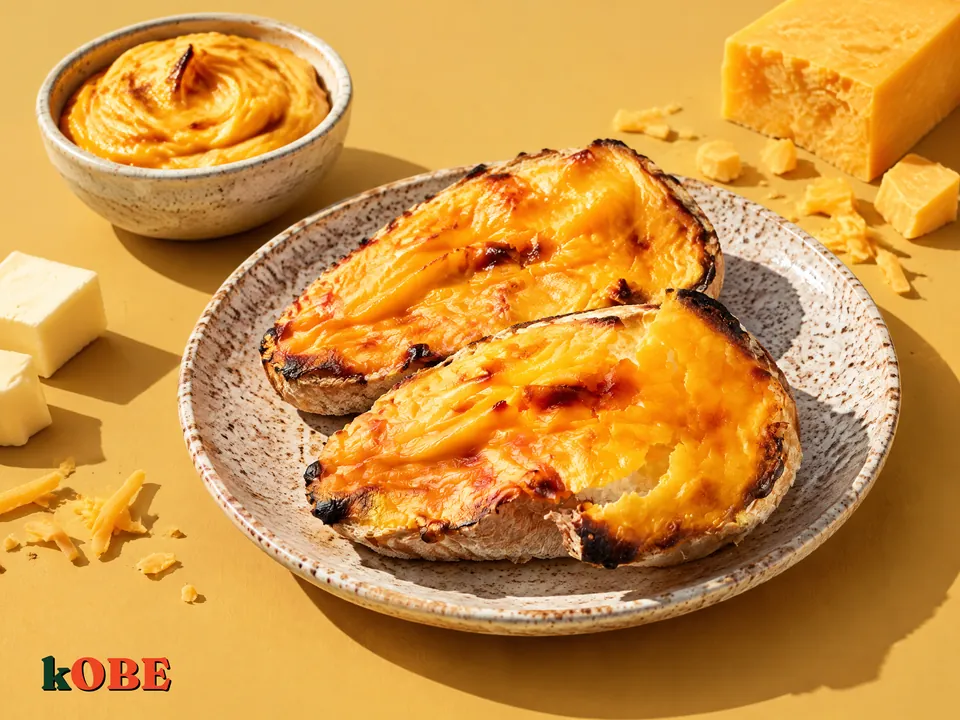
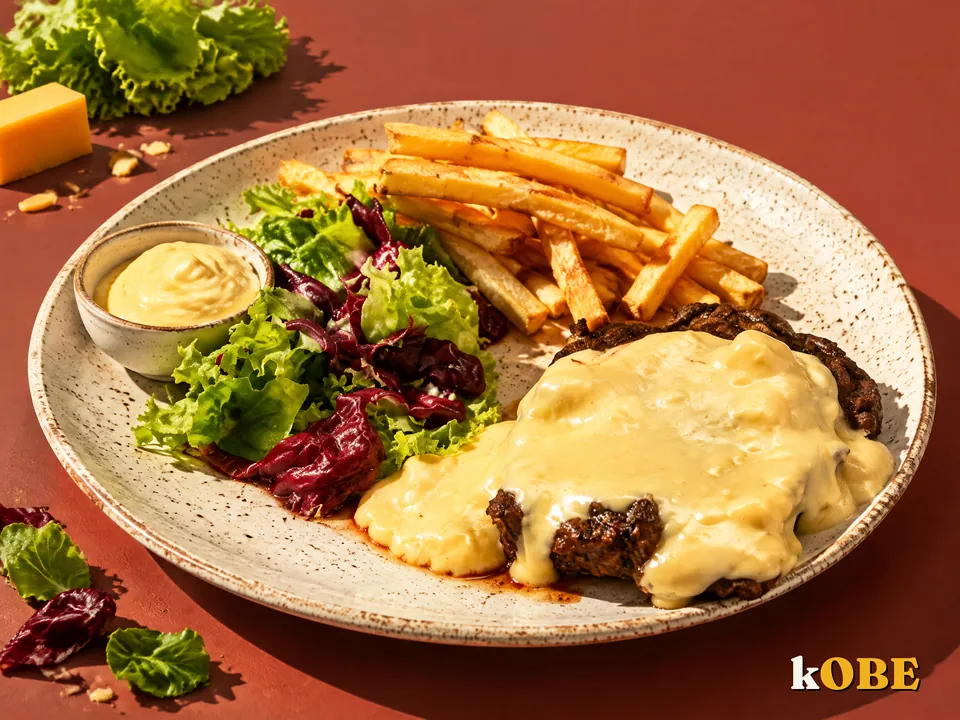
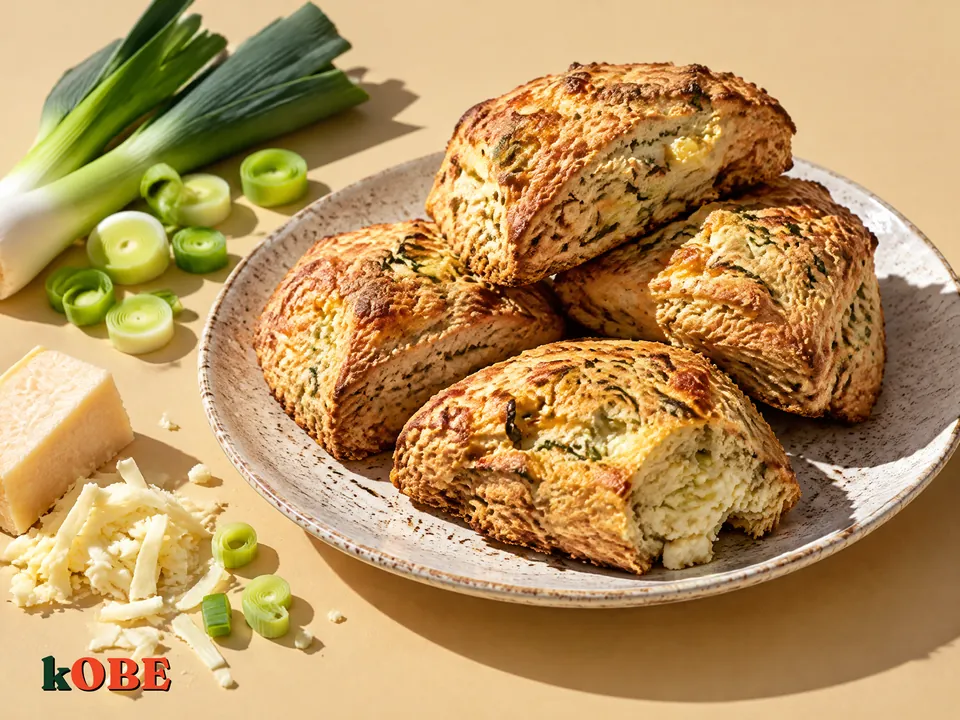
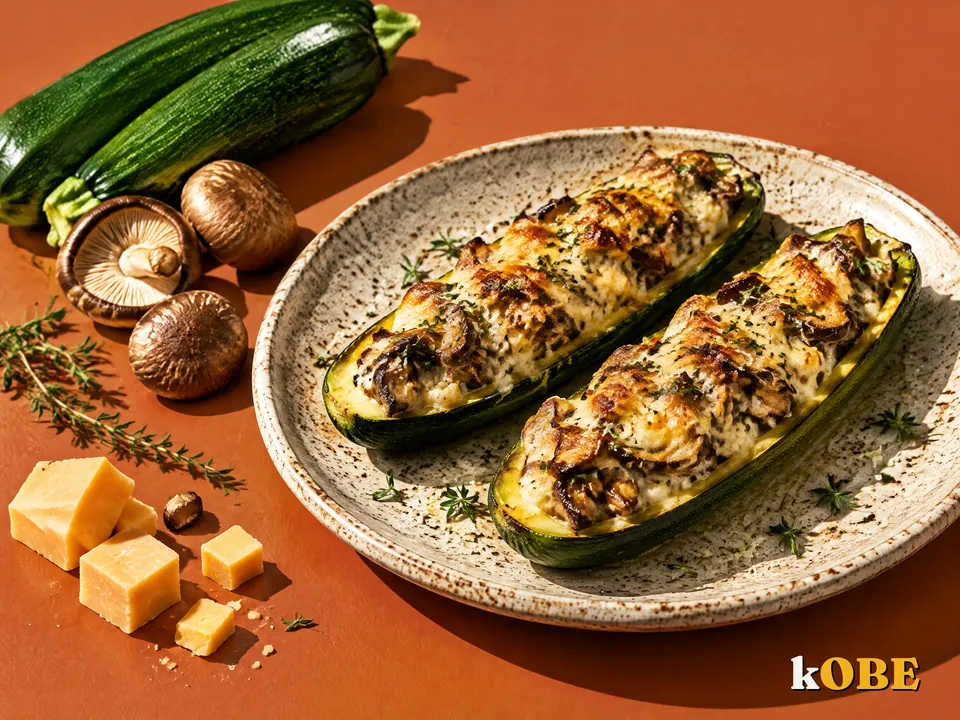
Cheddar melts best over low to medium heat. Too much heat makes it split, oily and lumpy. For a sauce, grate it finely and add a handful at a time, stirring until melted before adding more. Cheddar is great with fried eggs, toast, baked potatoes and roasted vegetables. Because it is so flavorful, a little goes a long way, which also means less added salt. To turn sodium numbers into salt you can picture, see sodium to salt conversion.