Data source: USDA FoodData Central, SR Legacy, FDC 172232 (Basil, fresh).
Fun facts
- Vietnamese Thai basil has purple stems, small leaves and a hint of star anise. It is a close relative of the Italian basil used in pesto; only the variety differs, so the flavors differ.
- According to USDA (figures for fresh basil), 100g of leaves has about 23 kcal, 264µg of vitamin A and 177mg of calcium. A 10g handful on the side has around 26µg of vitamin A and 18mg of calcium.
- The little seeds that swell in Vietnamese herbal drinks and sweet soups come from a close basil relative and are known in English as basil seeds. Their coating forms a gel in water, so they puff up and turn translucent.
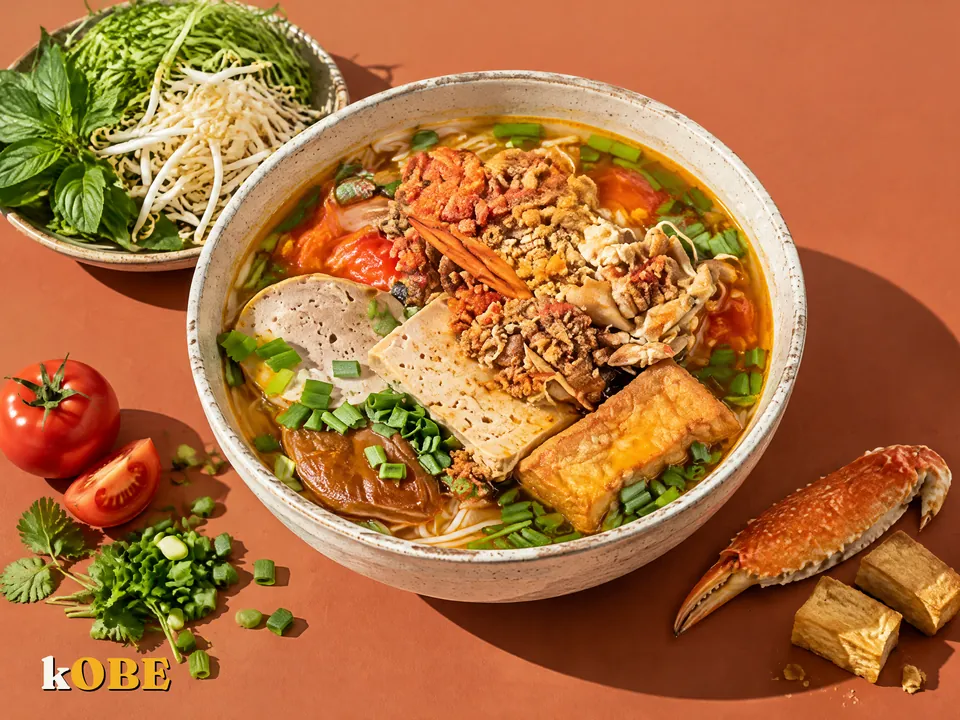
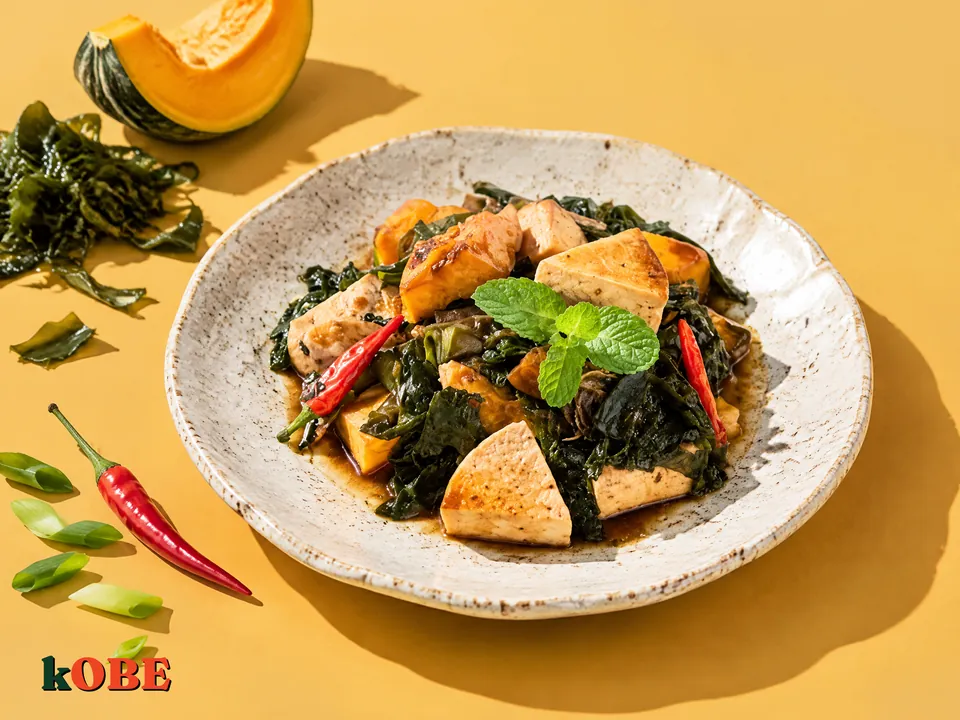
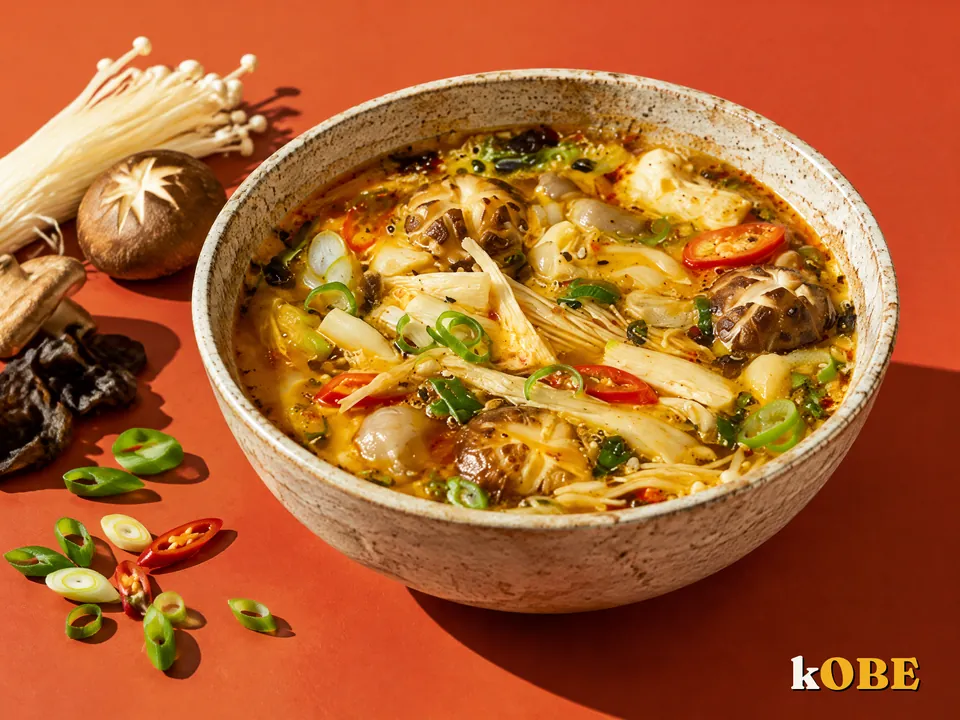
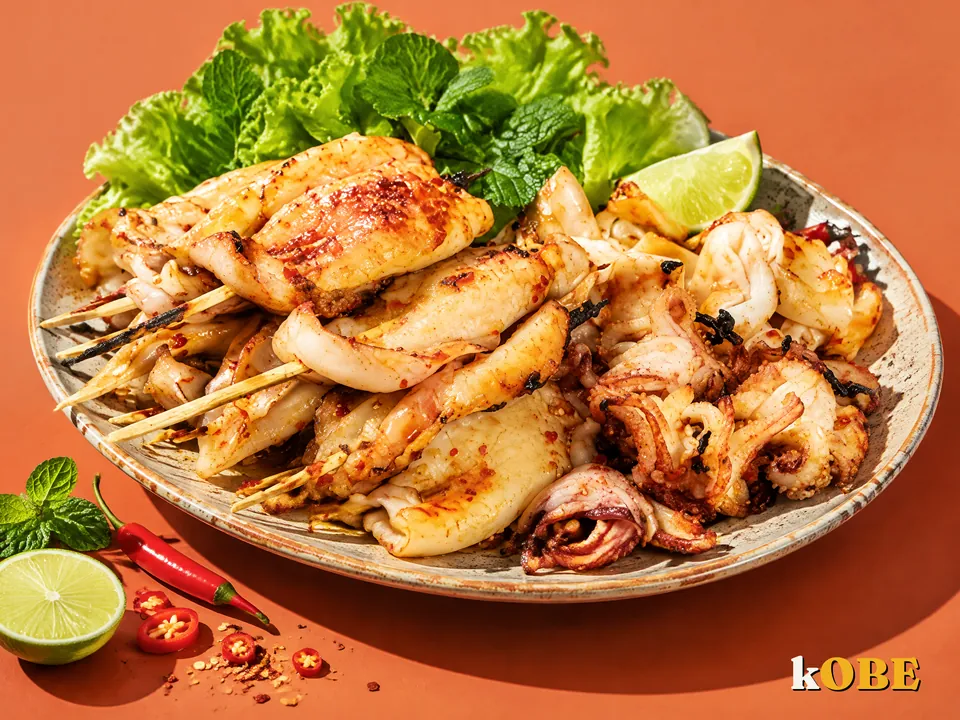
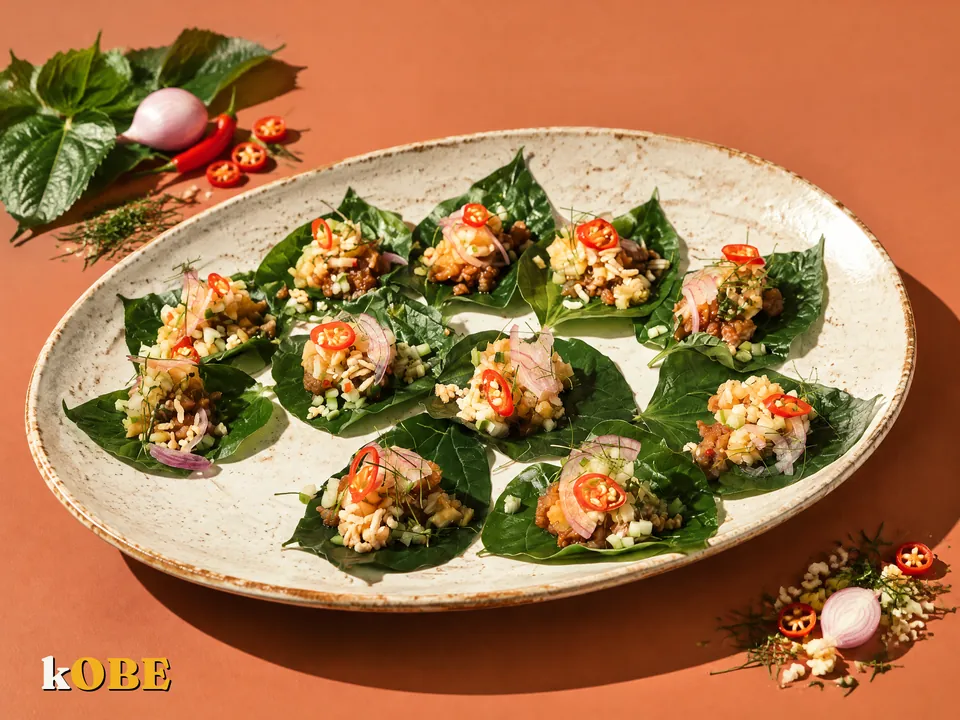
- Vietnamese people eat Thai basil with pho, spicy beef noodle soup, snails, hotpot and curries. It appears in 35 kOBE recipes.
Choosing and storing
Choose bunches with glossy green leaves, no black spots or bruises, and crisp stems. Basil hates cold: next to the freezer or in the coldest spot of the fridge, the leaves blacken very quickly. To keep it longer, stand the stems in a glass of water in a cool spot indoors, or wrap in a dry paper towel and keep in the least cold part of the fridge for a few days.
Cooking it well
Wash the leaves gently and dry them well before using. Pick or tear by hand instead of slicing so the edges bruise less. For hot dishes like curries, stir fries or hotpot, add basil at the very end and turn off the heat to keep the aroma fresh. Eating it raw with other herbs is the best way to keep its full fragrance and green color.