Data source: USDA FoodData Central, SR Legacy, FDC 174219 (Mollusks, oyster, Pacific, raw).
Fun facts
- Like clams, oysters are filter feeders. Each oyster filters a lot of water every day, so oyster reefs help keep the surrounding sea clearer.
- 100g of raw Pacific oysters has about 81 kcal, 9.4g of protein, 2.3g of fat and 5.1mg of iron, twice the iron in duck meat.
- Oysters have about 5g of carbs, mostly glycogen, the form animals use to store energy. Glycogen adds to the gentle sweet, rich taste of oysters.
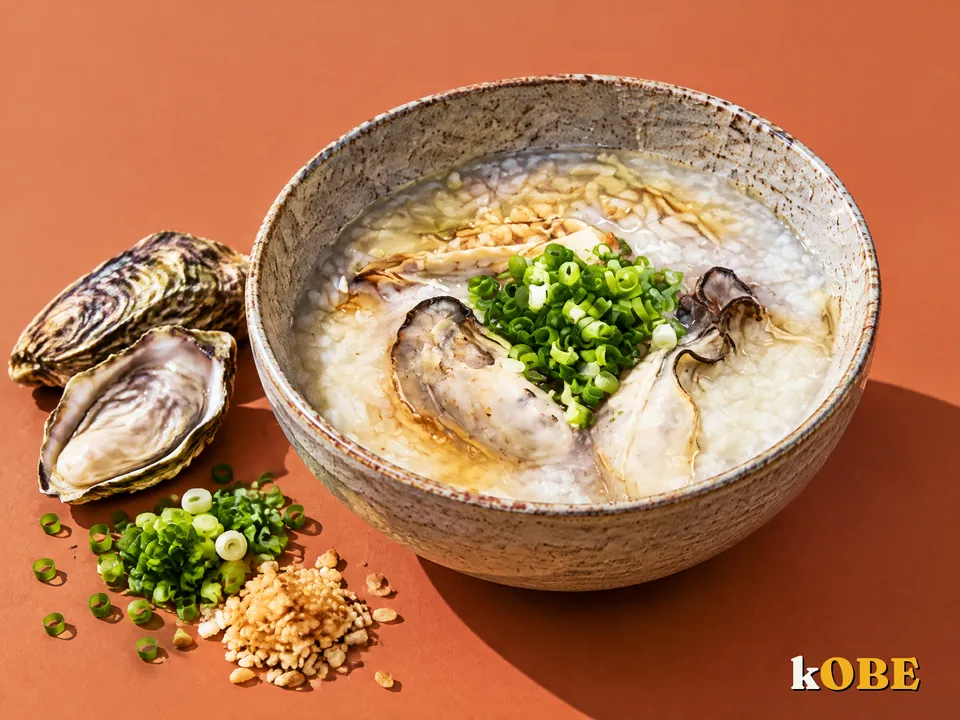
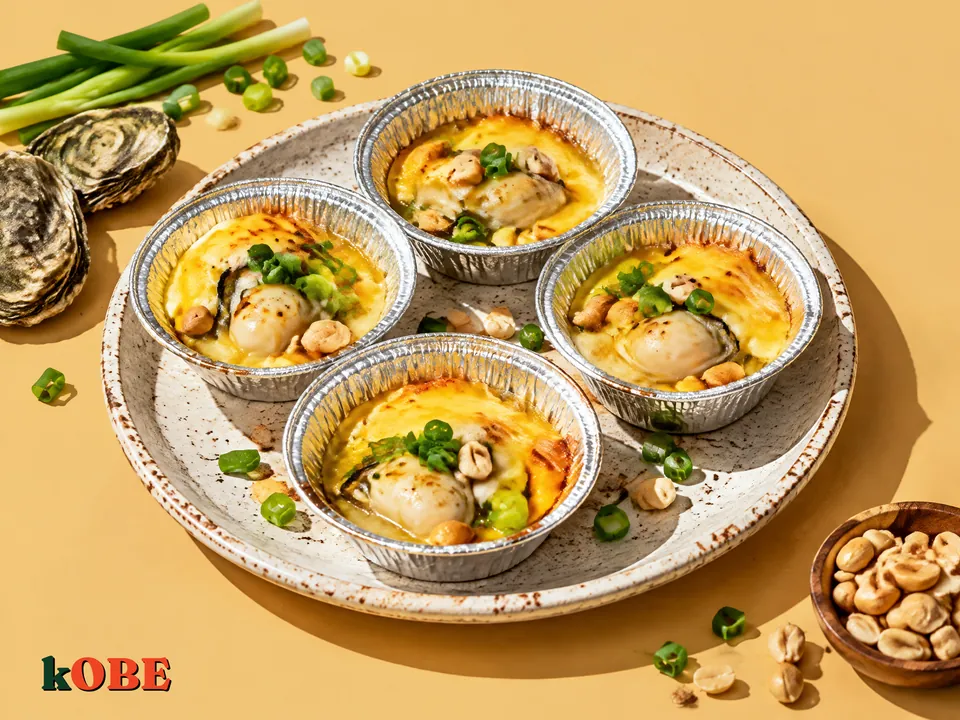
- Oysters are also famous as one of the richest food sources of zinc. Grilled oysters with scallion oil, oyster porridge and raw oysters with wasabi are favorites along Vietnam's coasts, from Quang Ninh to Khanh Hoa. Oysters appear in 5 recipes in the kOBE recipe bank.
Choosing and storing
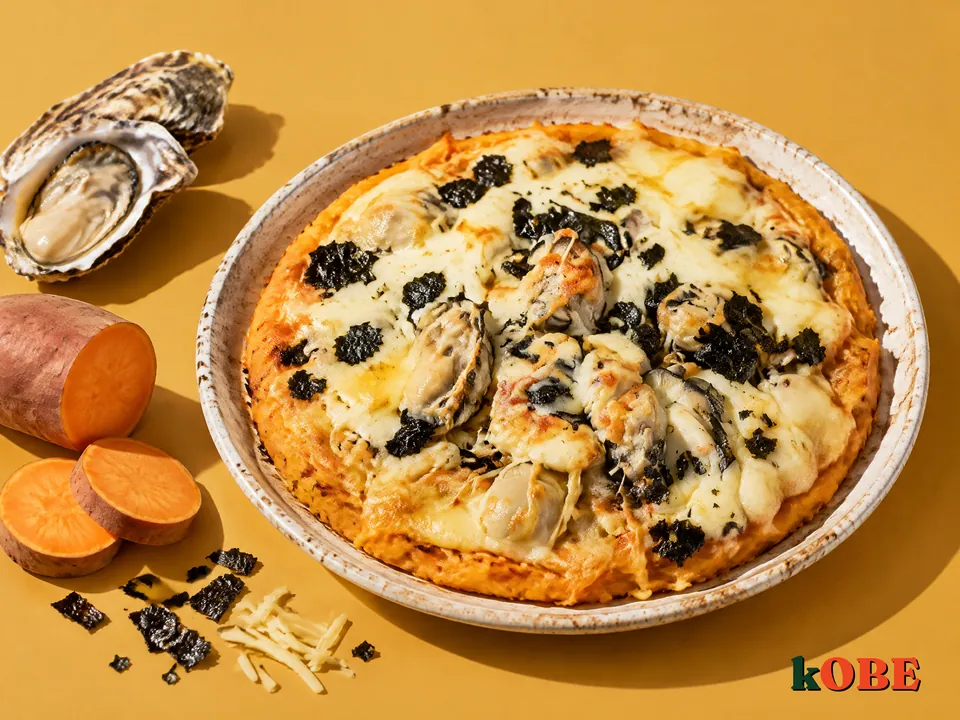
Live oysters have tightly closed shells, or shells that close when tapped, and feel heavy. Once opened, the meat should be plump and ivory, the liquid clear and the smell pleasantly of the sea. Use oysters the same day; keep them cold under a damp cloth and never soak them in fresh water. Discard any that stay open or smell off.
Cooking it well
Raw oysters can carry bacteria from seawater, so young children, older adults, pregnant women and anyone with weakened immunity should eat them cooked. Grilling or steaming takes just a few minutes, until the edges curl and the meat turns opaque; any longer and they shrink and toughen. Scallion oil is fragrant but adds fat, so use it in moderation. To learn more about the mineral oysters are known for, read zinc rich foods.